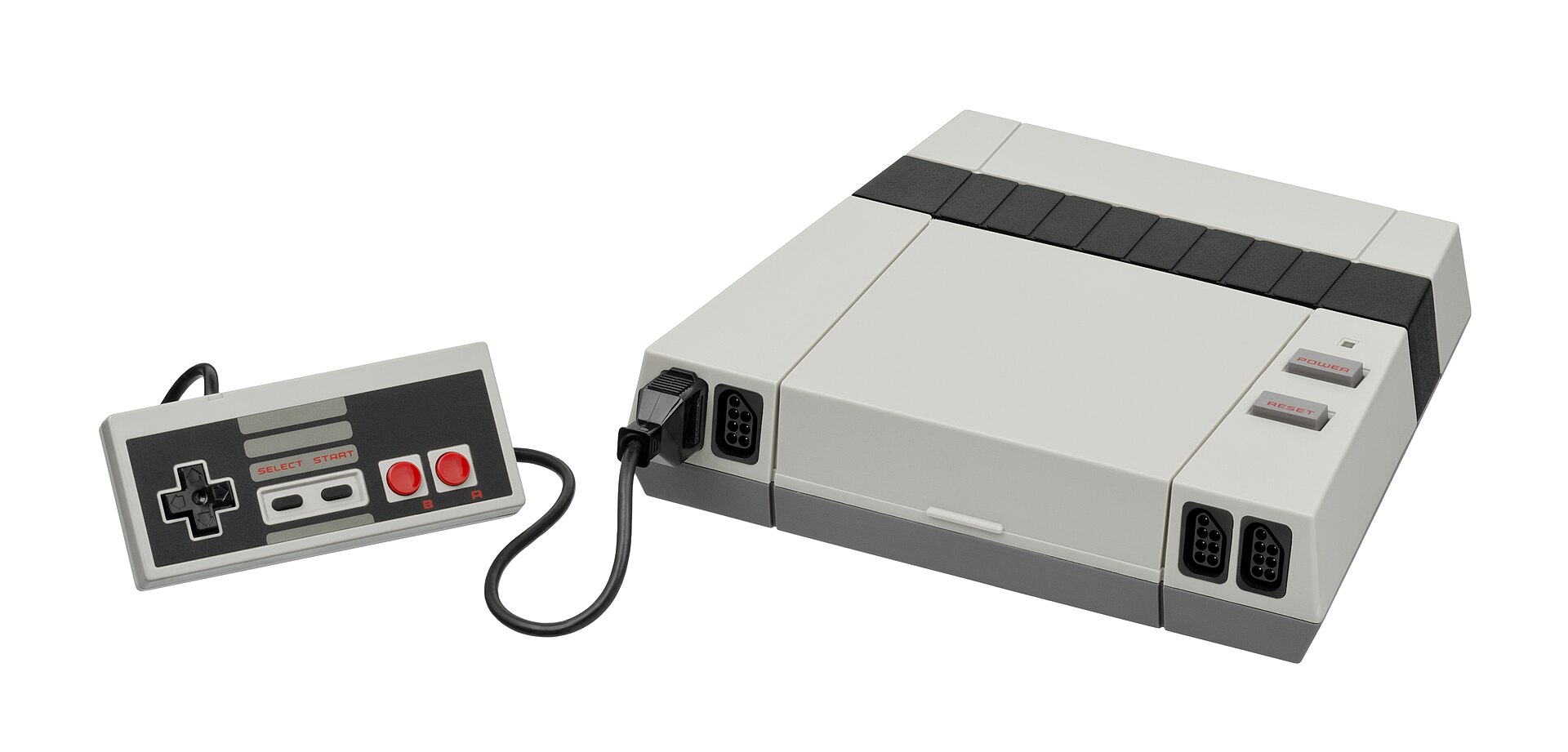
| Original hardware | FPGA | |
|---|---|---|
| Accuracy | It's the reference | Very high, circuit-level |
| Latency | None on CRT | Very low |
| Video | RF / composite / RGB with mods | HDMI and analog output |
| Upkeep | Capacitors, contacts, PSUs | Core updates |
| Collecting | Historical value | A tool for playing |
An FPGA (field-programmable gate array) is a chip whose circuits can be 'rewired' through software. Instead of running a program that imitates the console, like an emulator does, it's configured to behave like the original chips, cycle by cycle. That's why its latency is minimal and its accuracy very high. Open source projects like MiSTer have documented dozens of systems, and that is preservation too.
Why do some prefer the original? Because it's the reference: the exact sound of its chip, the picture on a CRT, the historical value of the object. An FPGA reproduces the behavior, but it isn't the machine that sat in your living room. FPGA fans value something else: clean HDMI output, no capacitor upkeep and the chance to play without risking a 40-year-old console.
The big recent release is the Analogue 3D: the first full FPGA recreation of the Nintendo 64, which started shipping in November 2025. It plays original cartridges region-free, takes period controllers in its four ports and outputs 4K over HDMI, with modes that imitate a CRT. It's proof that FPGA has reached the polygon generation.
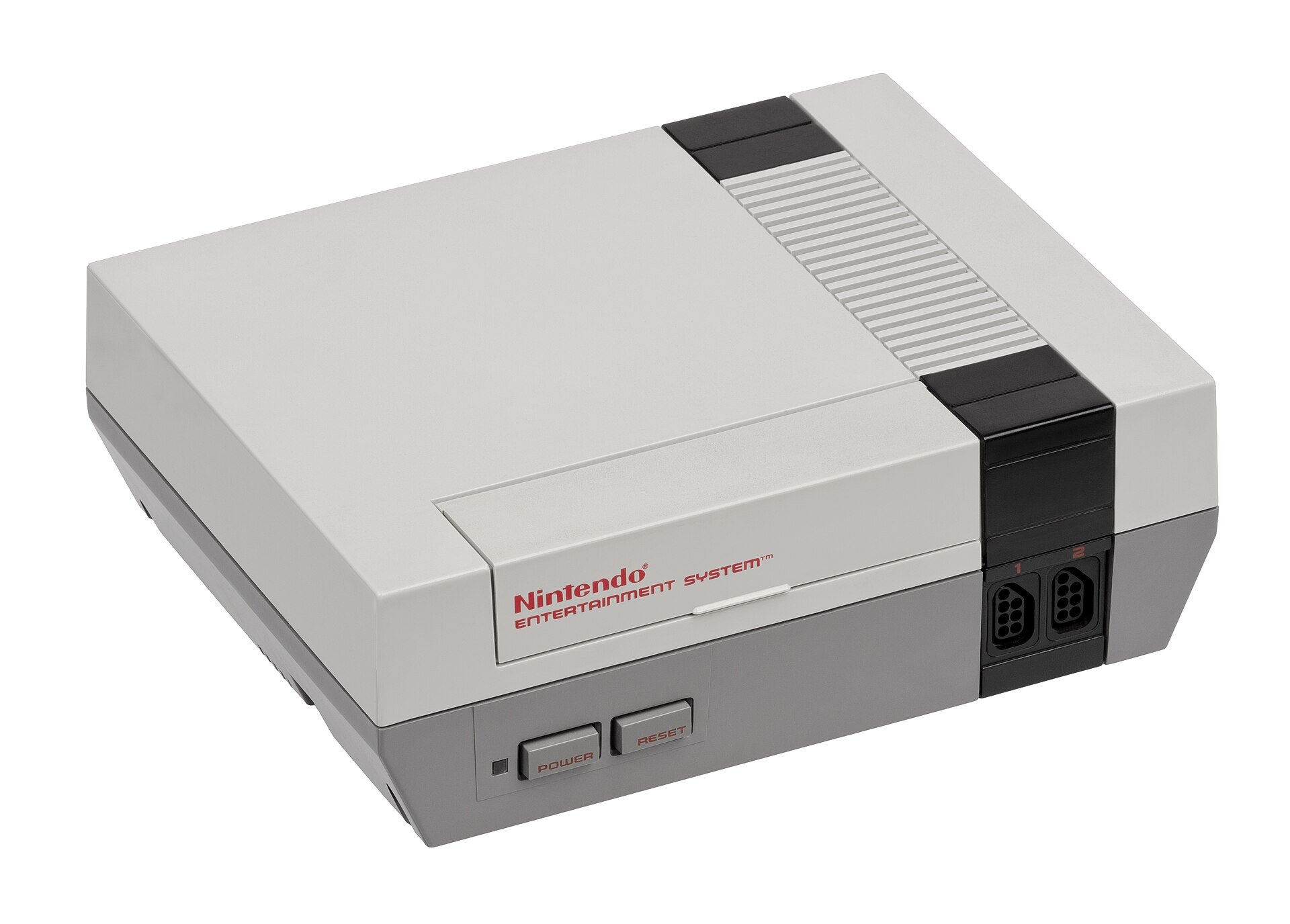 Evan-Amos · Public domain
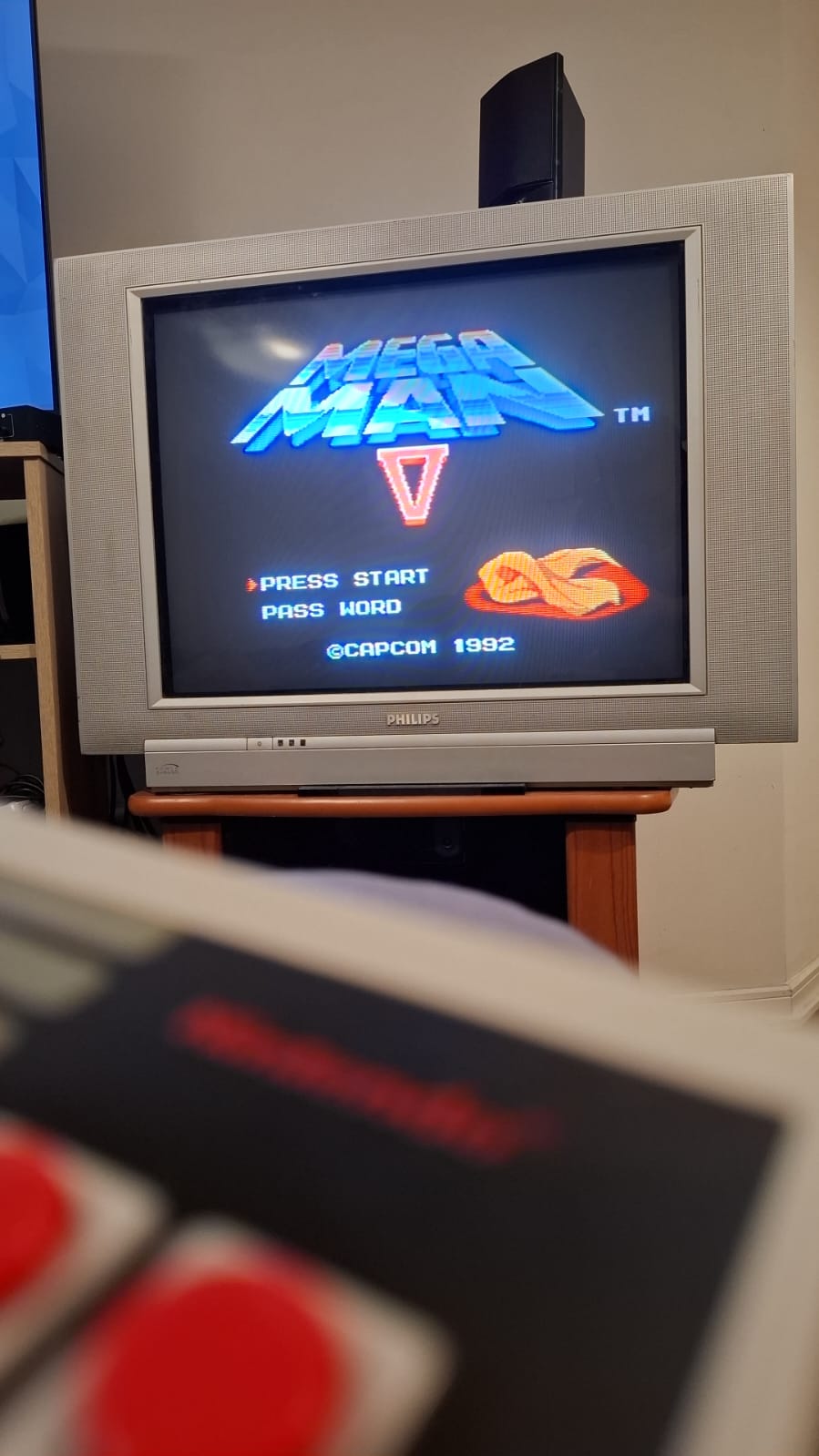 Equipo Wisegrow · Foto propia
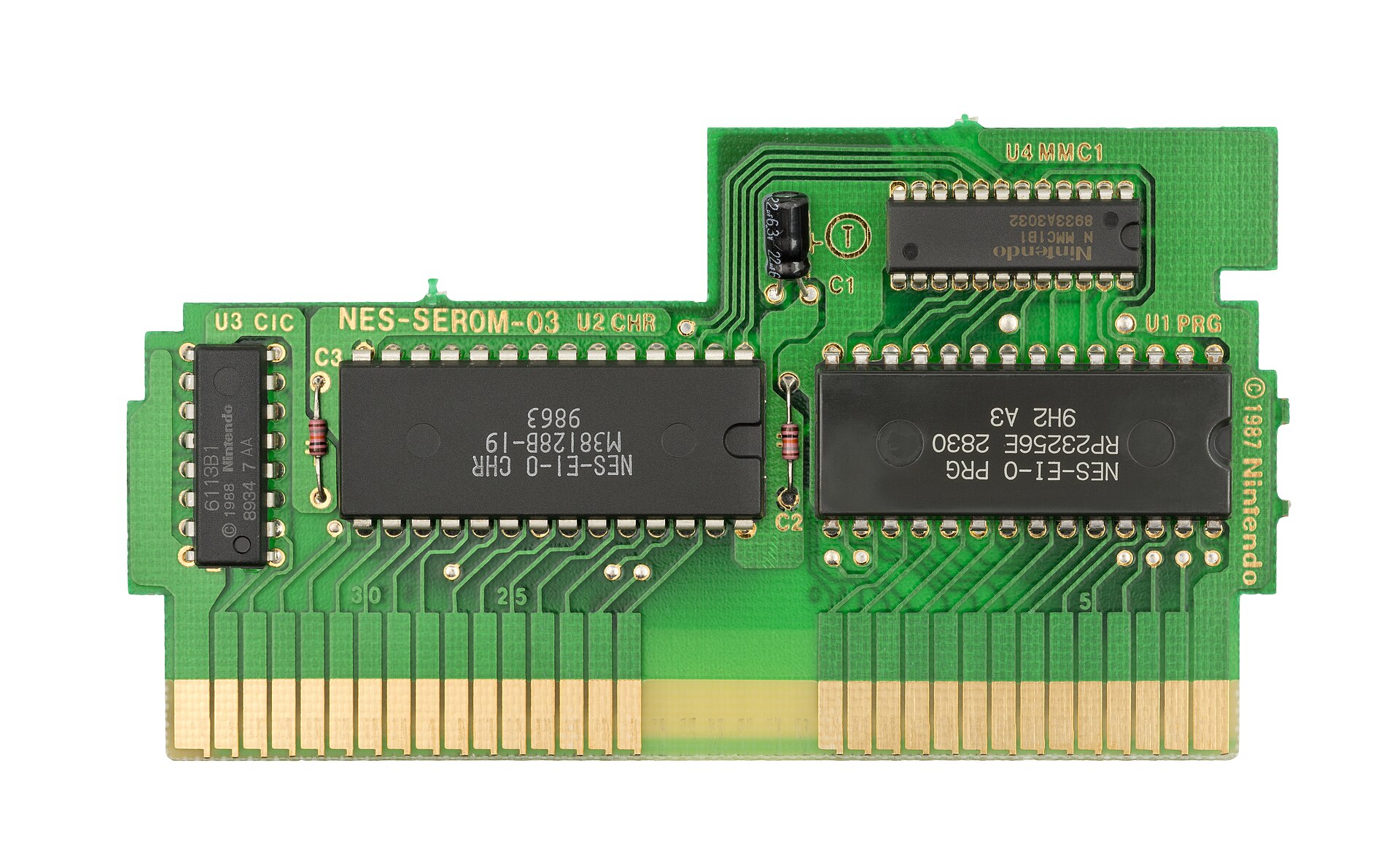 Evan-Amos · Public domain