Viña del Mar · Chile
NES
The best games, tricks, repairs and the guide to collecting NES in Chile.

The best games, tricks, repairs and the guide to collecting NES in Chile.
Issue #01
NES special: 25 games, three bonuses, the 72-pin connector and a Halloween night.
All 36 pages of the issue. Pages in production are shown as wireframes.

The best games, tricks, repairs and the guide to collecting NES in Chile.
Evan-Amos · Public domain
Evan-Amos · Public domainNES special: 25 games, three bonuses, the 72-pin connector and a Halloween night.
Equipo Wisegrow · Foto propiaTwenty-five games and three bonus picks: the classics that had to be here and the cartridges worth recognizing at a flea market.
Robin Fensom · CC BY 2.0The gray screen and the blinking light almost always come from this connector. You can inspect and clean it before replacing it.
Equipo Wisegrow · Foto propiaThree horror games for a night with friends: Capcom's mansion, a possessed town and Dracula's castle.
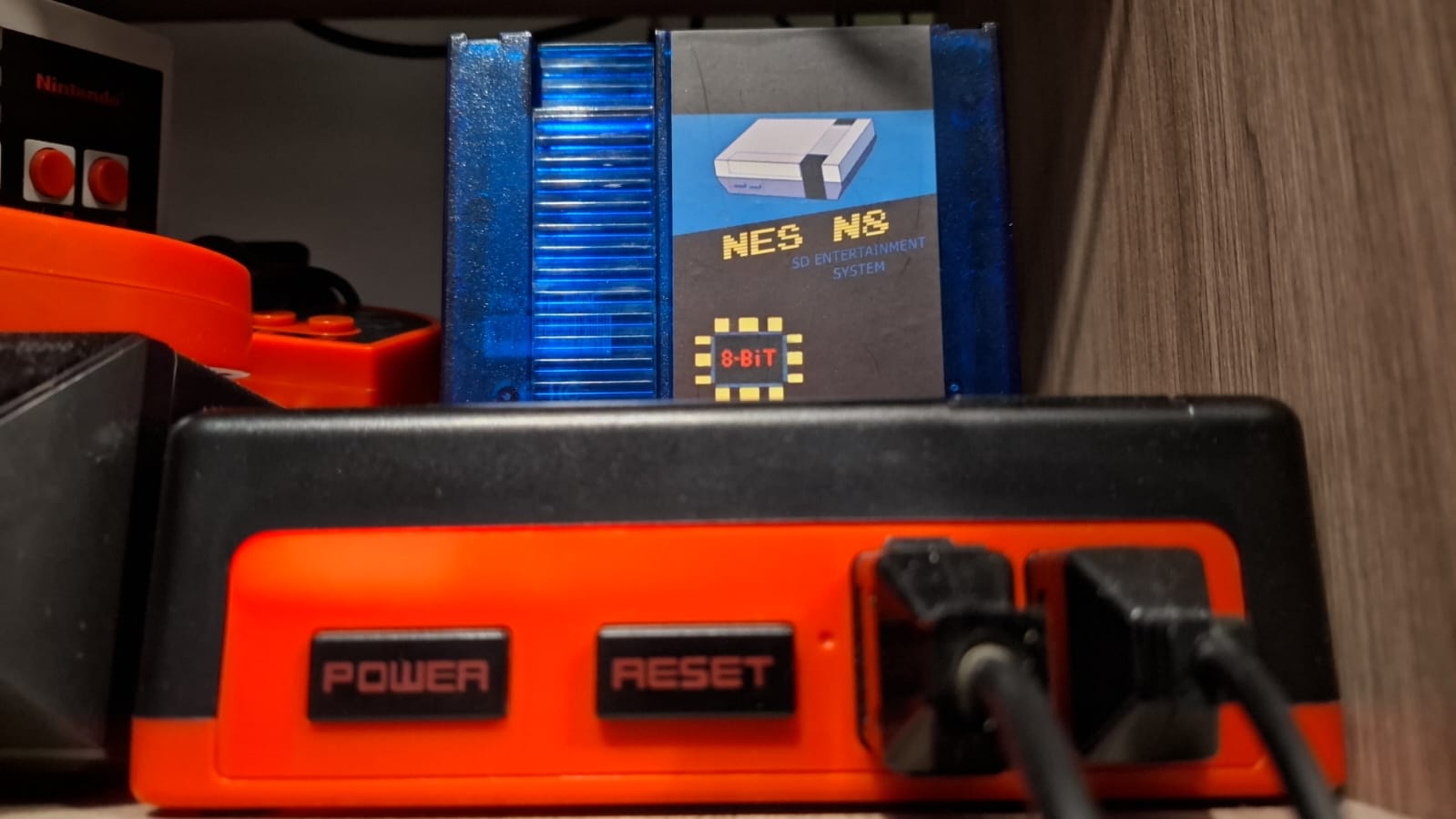
Equipo Wisegrow · Foto propiaA console compatible with NES cartridges, tested for a week next to an original under repair. Score: 7.5.
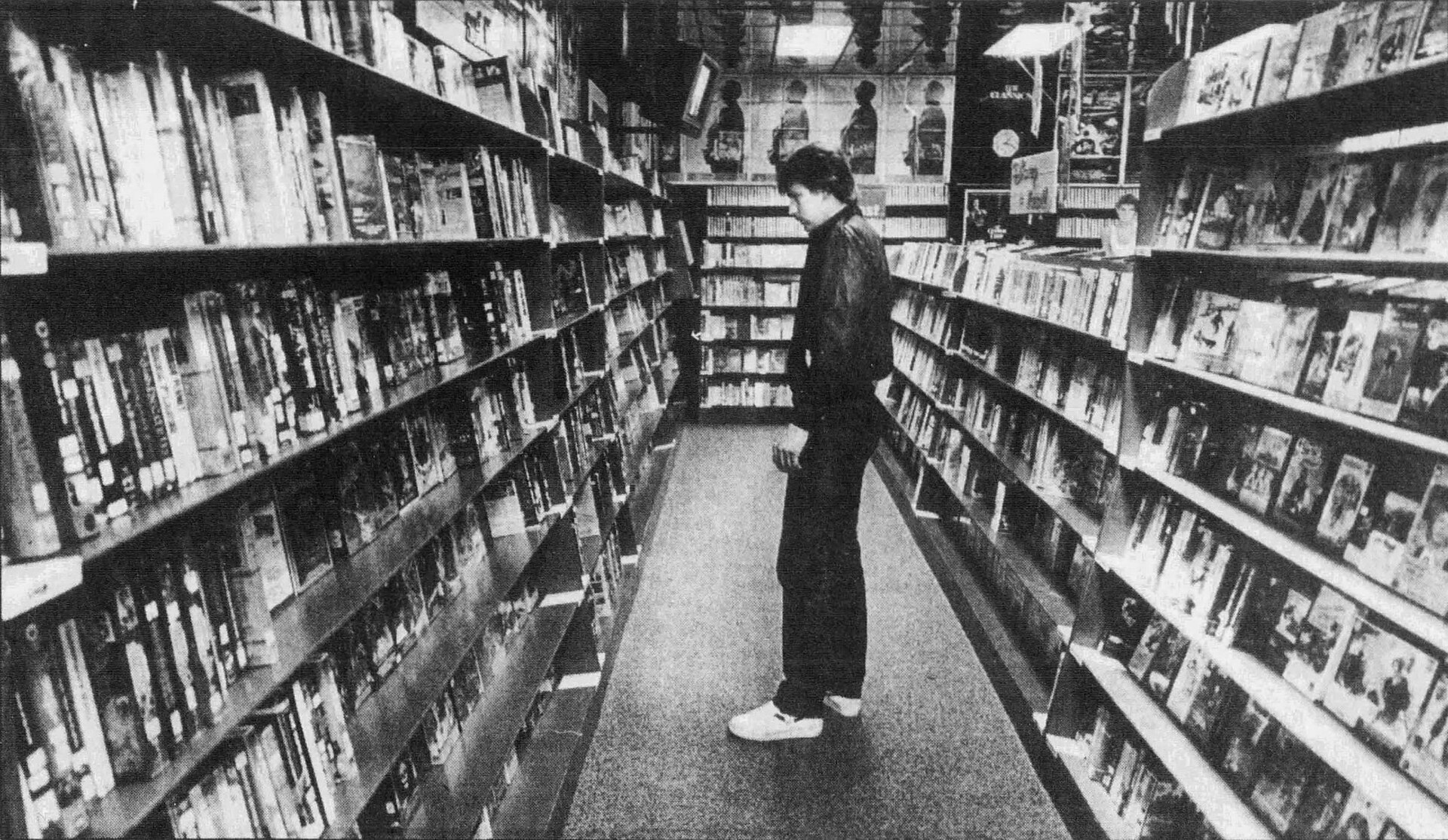
The News Tribune/ staff photographer · Public domainClub Nintendo, the neighborhood rental store and 220-volt transformers: how the NES reached Chilean homes.
Evan-Amos · CC BY-SA 3.0Nintendo launched the NES in the United States as a toy, with a gun and a robot. These are the accessories born of that strategy.
An issue devoted to the NES, made in Viña del Mar, free, and meant to be read slowly.
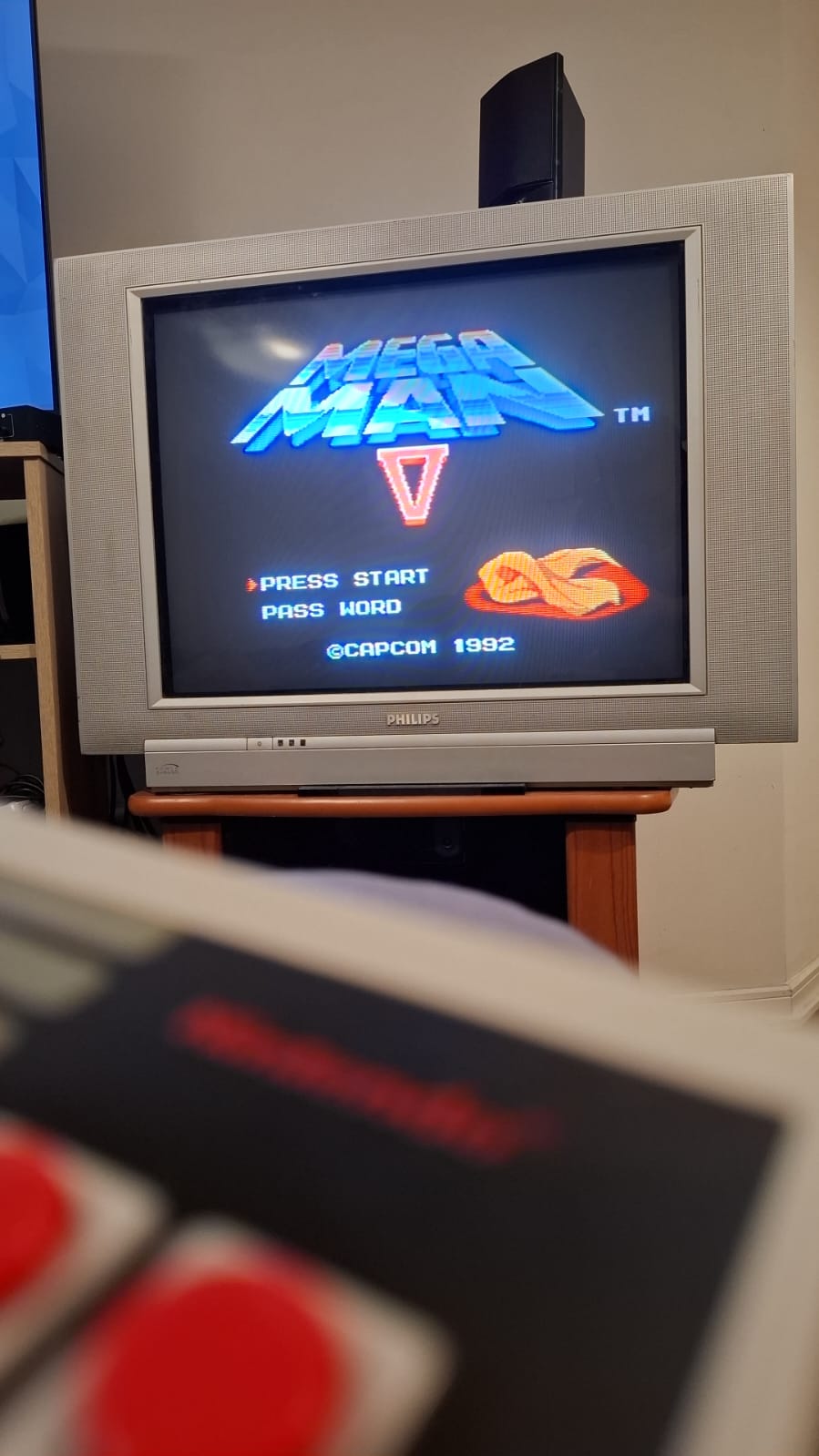
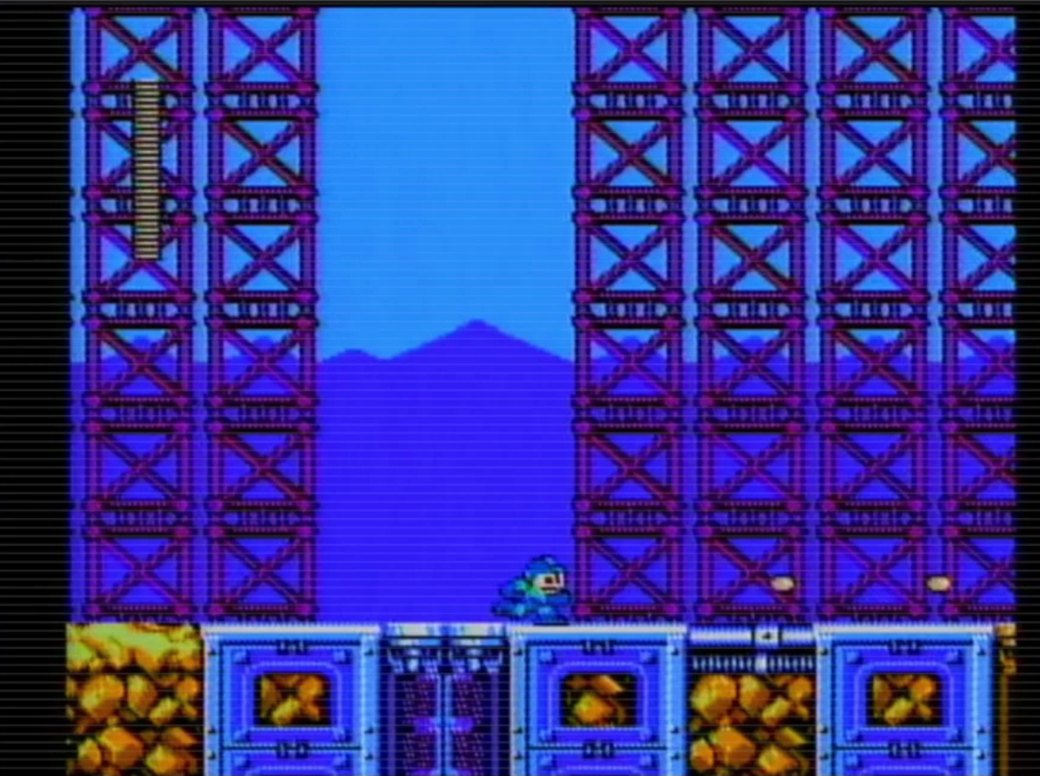
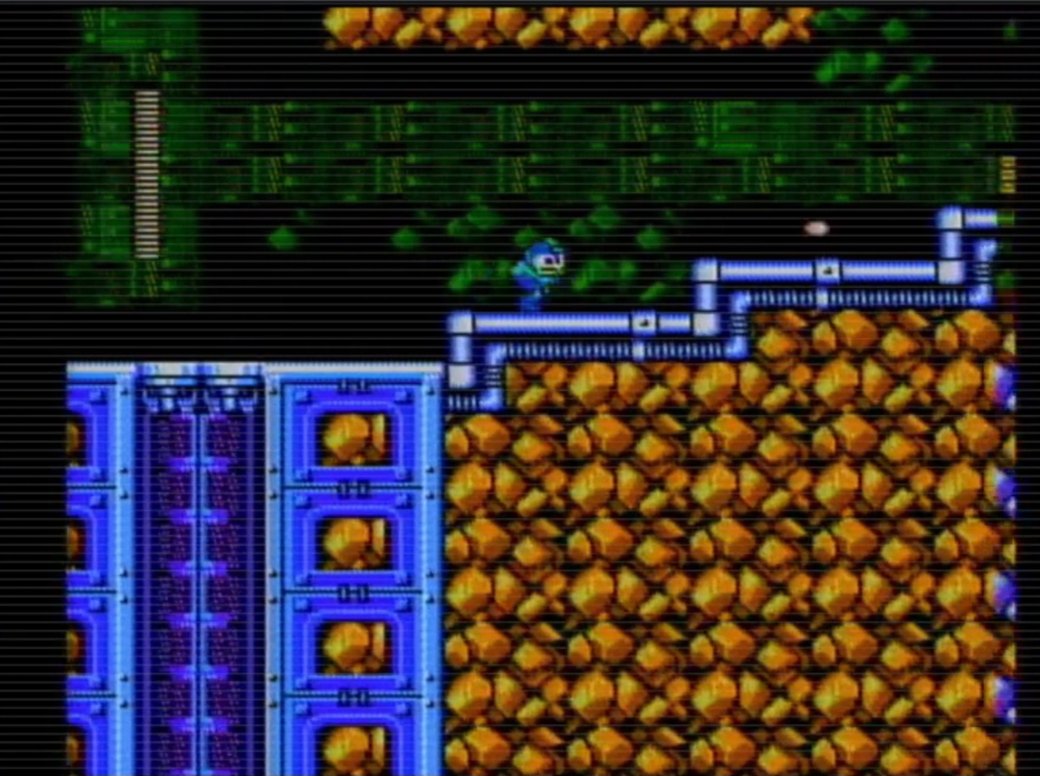
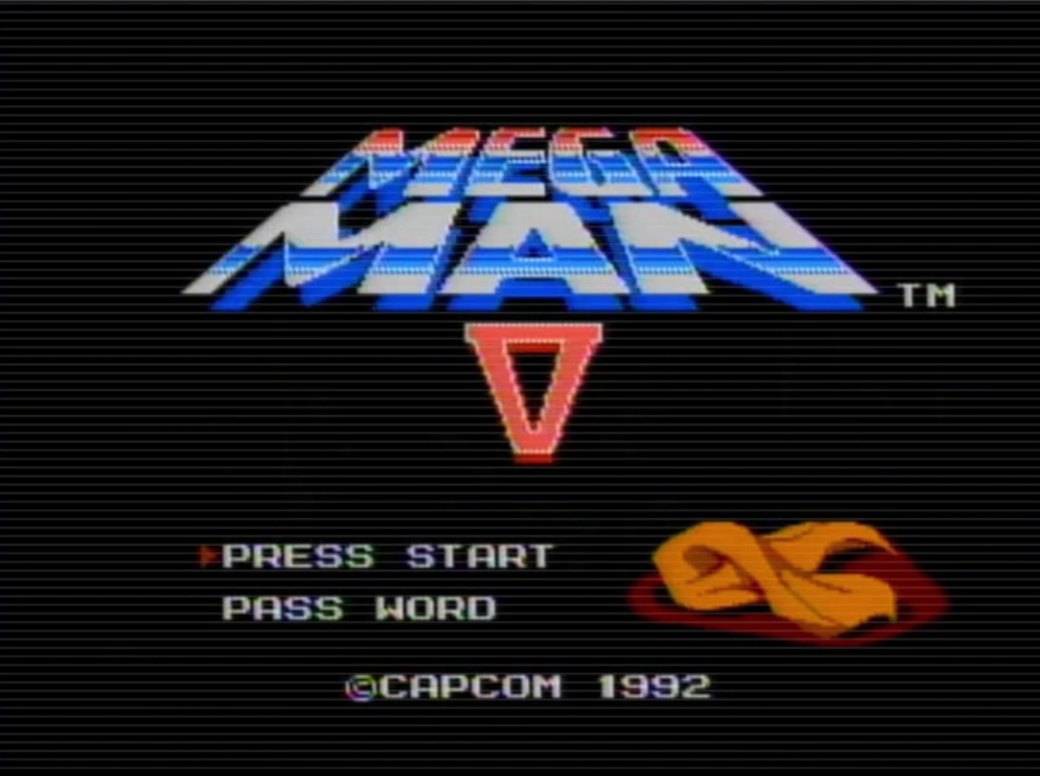
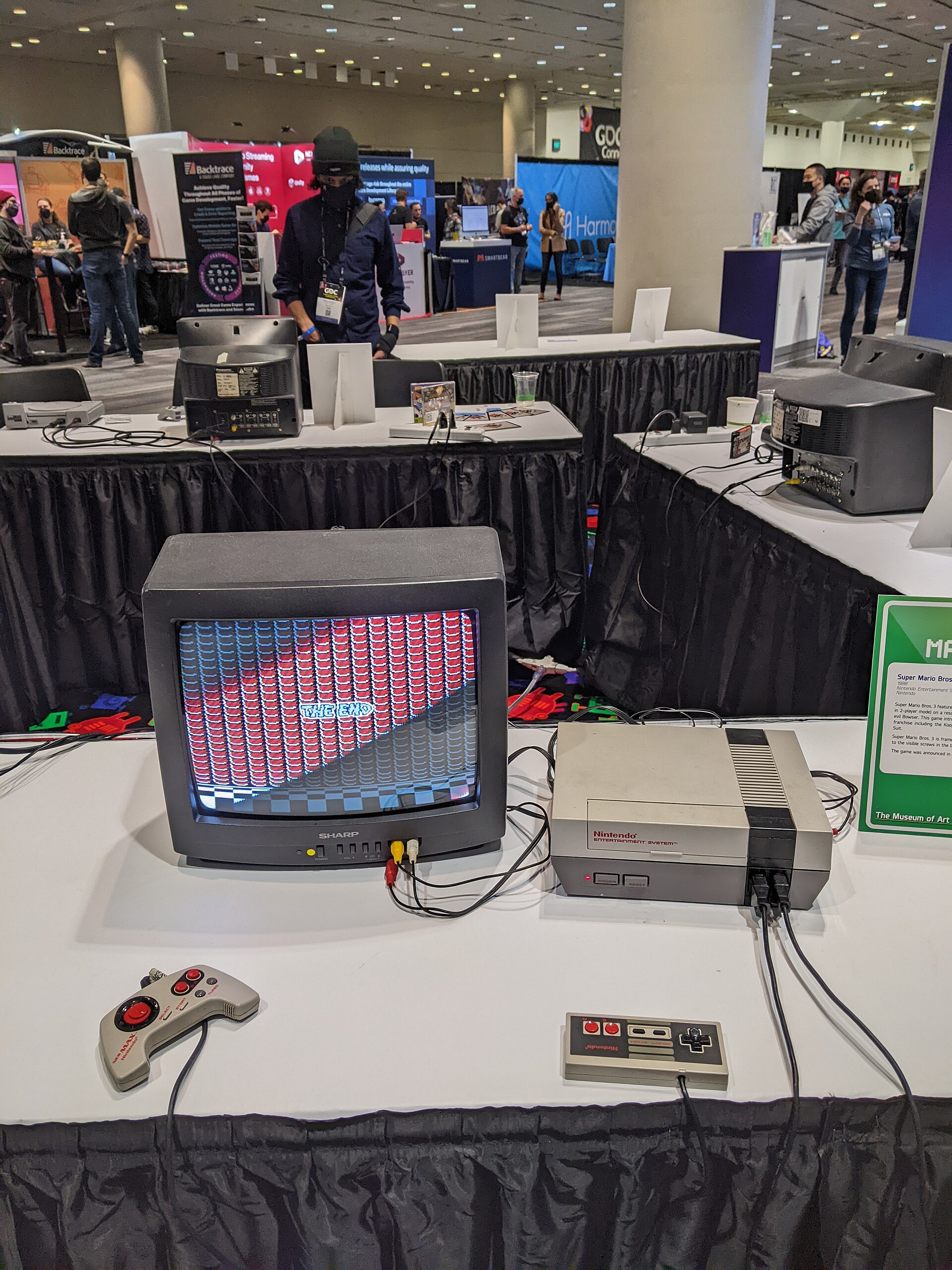
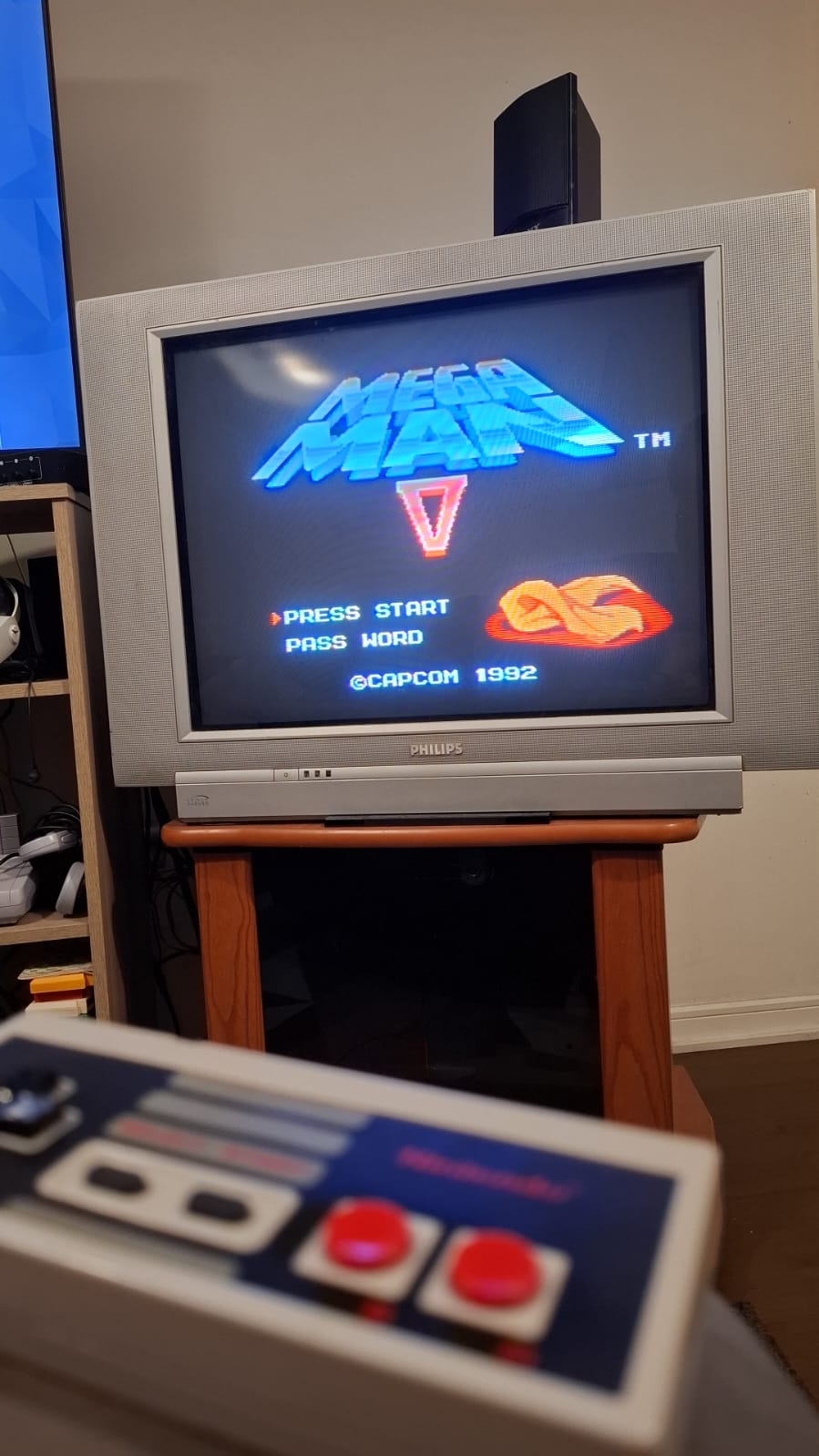
Equipo Wisegrow · Foto propiaOn October 27, while we were closing this issue, the Philips in the living room had Mega Man 5 on screen and, on the table next to it, an open NES with its 72-pin connector pulled out. That scene sums up the next pages fairly well: games people still play, machines people still repair, and friends who still gather in front of a tube TV.
Issue zero introduced us. This is the first one with a theme of its own, and we chose the NES because it is the console on which many of us learned what a cartridge was. We are a small newsroom in Viña del Mar and we publish for free at wisegrowretrogames.org, but we lay out every page as if it were going to print: to leaf through, keep and come back to.
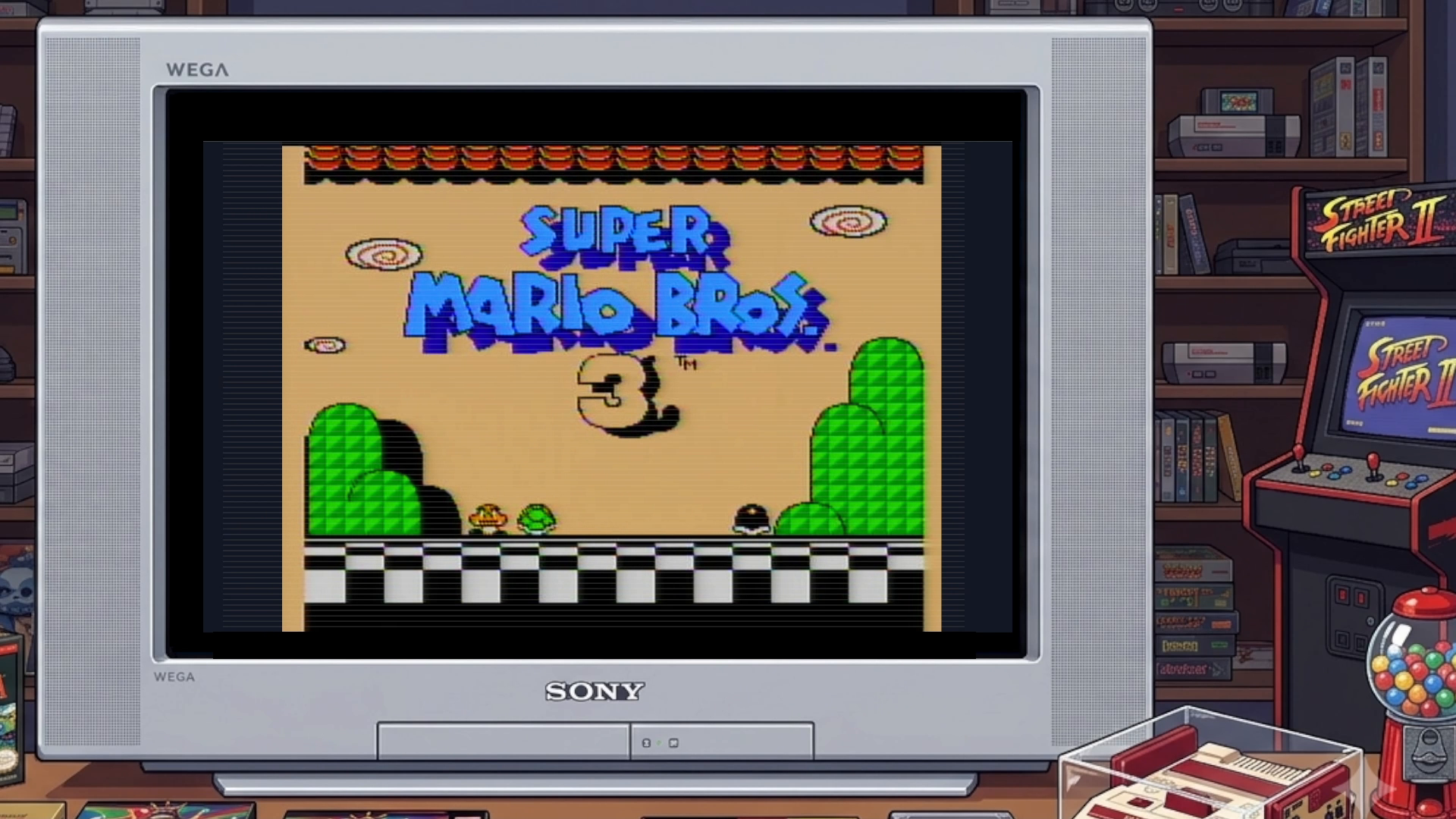
The main course is a Top 25 with three bonus picks. The classics it would be absurd to leave out are there, such as Super Mario Bros. 3, Zelda and Contra, and so are Metal Storm, Shatterhand and Quattro Sports, cartridges that turn up at flea markets and are worth recognizing. We took every screenshot ourselves, playing on a tube TV.
Camila opened an NES-001 to explain, step by step, how to diagnose and clean the 72-pin connector behind the famous gray screen. On the same table we spent a week with a ClassiQ, a console that plays original cartridges, and Ignacia set the Famicom, the NES and Sharp's Twin Famicom side by side.
There are also pages for playing without taking notes. For Halloween we put together a night with Sweet Home, Mother and Castlevania, three games that scare you in very different ways. Tomás went back over the films and records that were playing when the Famicom and the NES arrived in people's homes, and Fernanda gathered the new games still being made on cartridge for the console.
Retro Chile goes back to September 1992, when Editorial Andina launched Club Nintendo in the country, and to the rental store where many of us rented our first cartridge. That story has gaps we want to fill with you: if you kept magazines from back then, photos of a shop or a cartridge with the rental sticker still on, the forum is open.
A first edition leaves loose ends. There are photos we are still looking for, facts we will keep checking and sections that will grow. We would rather say so and correct in the open than fill gaps with guesses.
Issue 2 will be devoted to the Mega Drive. Meanwhile, thank you for reading this one. Pick a game from the Top you have never played, put it in the console and give it a chance. Continue?


What moved in the retro world this month. Our own summaries, with a link to every source.
Evan-Amos · Public domainOn October 22, 2026 Retroware put The Angry Video Game Nerd 8-Bit on sale as an NES cartridge. Mega Cat Studios developed it and it comes in two editions: a gray one at $69.99 and a red one called Nerd Rage at $79.99, with a manual illustrated by Mike Matei. It runs on the original console, no adapters needed. There is more in the Homebrew section.
Source: Games Press, 22 oct 2026 ↗On October 8 Nintendo announced that three Kingdom Hearts collections are now playable on Switch 2; one of them also runs on the original Switch. Square Enix's series crosses Disney worlds with Final Fantasy characters.
Source: Nintendo, 8 oct 2026 ↗On October 14 PlayStation Blog published the month's lineup: Mafia: The Old Country, Horizon Forbidden West and Mycopunk, among others, available from October 20 in most of the world. Premium adds classics such as Dino Crisis 2. The full list, with each region's date, is on the PlayStation blog.
Source: PlayStation Blog, 14 oct 2026 ↗Nintendo UK's October release list included Kingdom Hearts Collection on the 8th and Call of Duty: Modern Warfare 4 on the 23rd, both on Switch 2. The same Call of Duty reached PlayStation mid-month.
Source: Nintendo UK, octubre 2026 ↗These items cover closing week. If we missed a retro story from Chile, post it in the forum with the date and the city.
Equipo Wisegrow · Foto propiaTwenty-five games and three bonus picks: the classics that had to be here and the cartridges worth recognizing at a flea market.
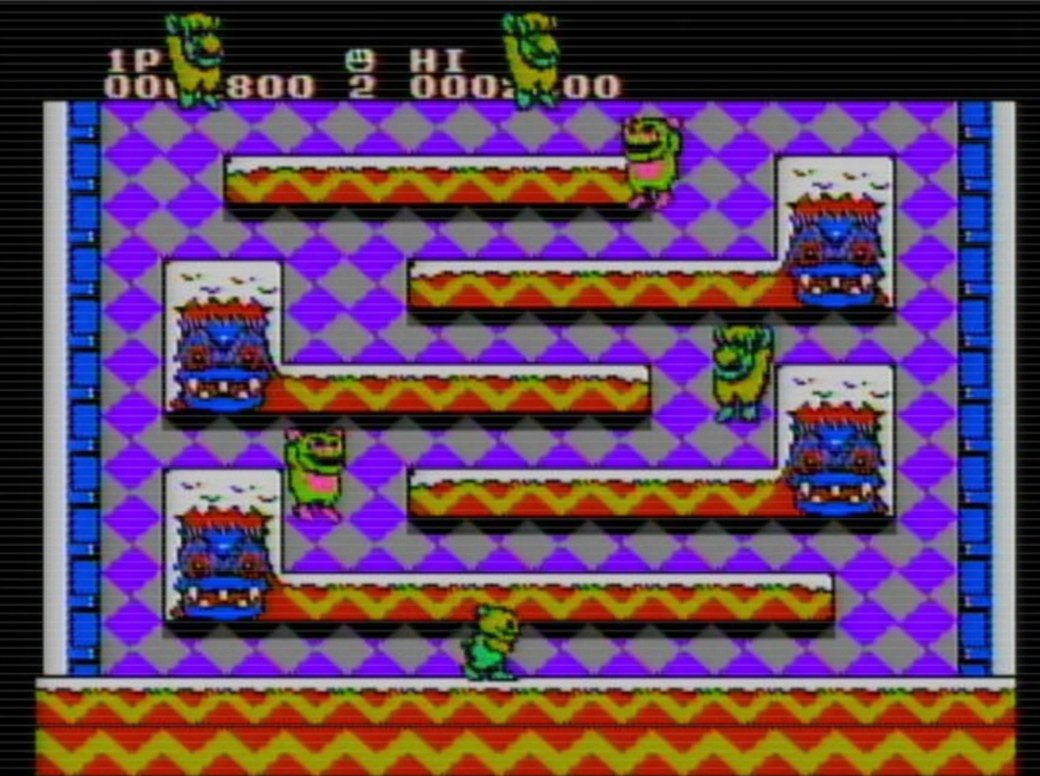
The NES had close to 700 licensed games in North America, so any list of 25 leaves out something important. Ours is not ranked by score and does not claim to be definitive. It mixes the titles that defined the console, such as Super Mario Bros. 3, The Legend of Zelda, Metroid or Contra, with others that circulated widely in Chile and still turn up at flea markets and shops: Joe & Mac, Shatterhand, Metal Storm or Snow Bros.
Each entry takes half a page and gives the year and the company, with separate dates when the game came out first in Japan. We took the screenshots while playing on a Philips tube TV, which is why they keep the set's bezel and reflections. Next to them is the box or the cartridge, with its credit.
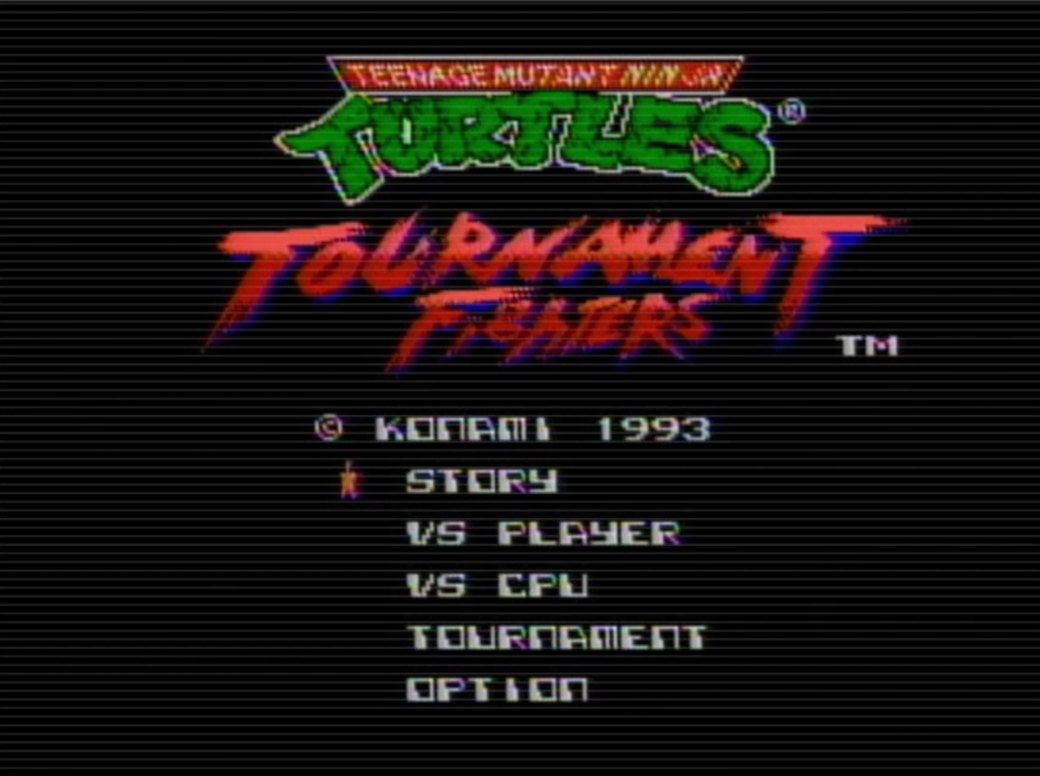
The three bonus picks close the list. Tournament Fighters is the Turtles fighting game Konami released as the NES was on its way out. Sweet Home and Mother were not released in America at the time: they are 60-pin Famicom cartridges, and playing them on an NES requires an adapter.
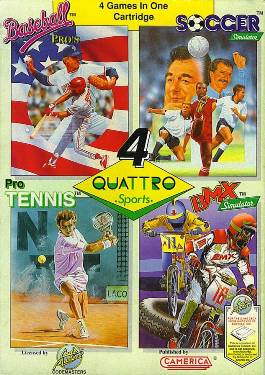
Micro Machines and Quattro Sports are Codemasters games sold without a Nintendo license, published by Camerica in a shell that differs from the usual gray cartridge. Lacking the official seal does not make them bootlegs, which is worth knowing before buying or selling one.
If a cartridge flickers or sticks on the gray screen, the problem is almost always the contacts, not the game. The 72-pin connector guide in the Hardware section explains how to clean them without blowing on them.
Evan-Amos · Public domain
Wikimedia Commons · CC BY-SA 1.0
Bryan Ochalla from Seattle, WA, USA · CC BY-SA 2.0
Evan Amos · Public domain
Dave or Atox · CC BY 2.0


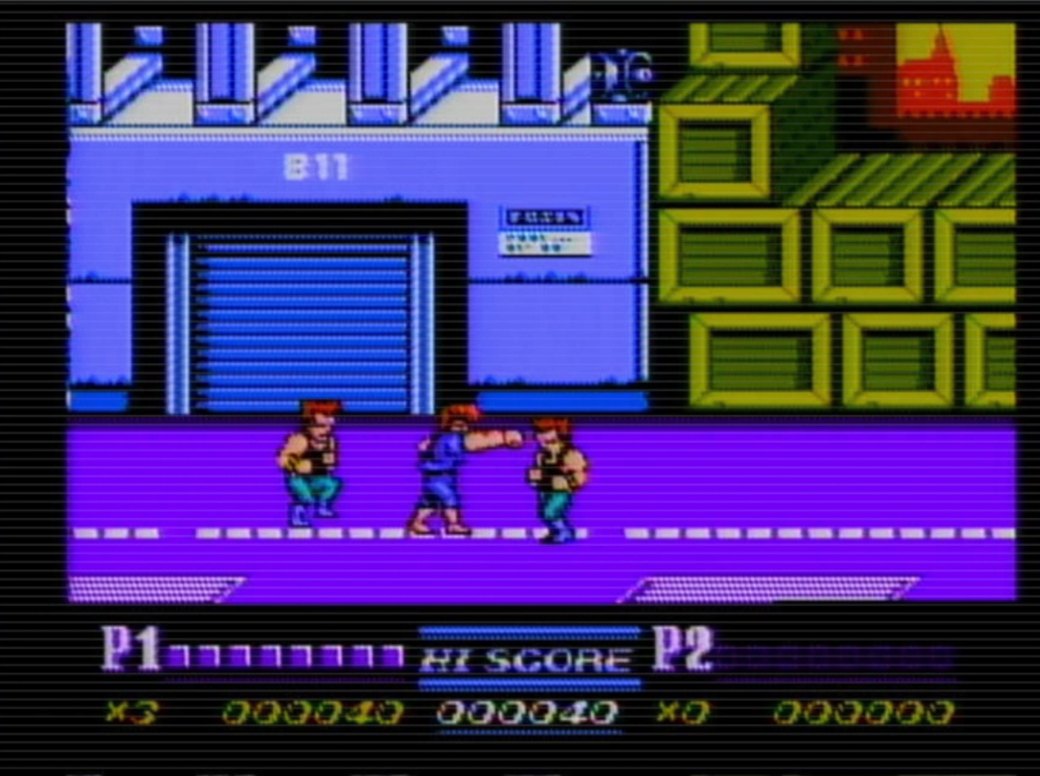
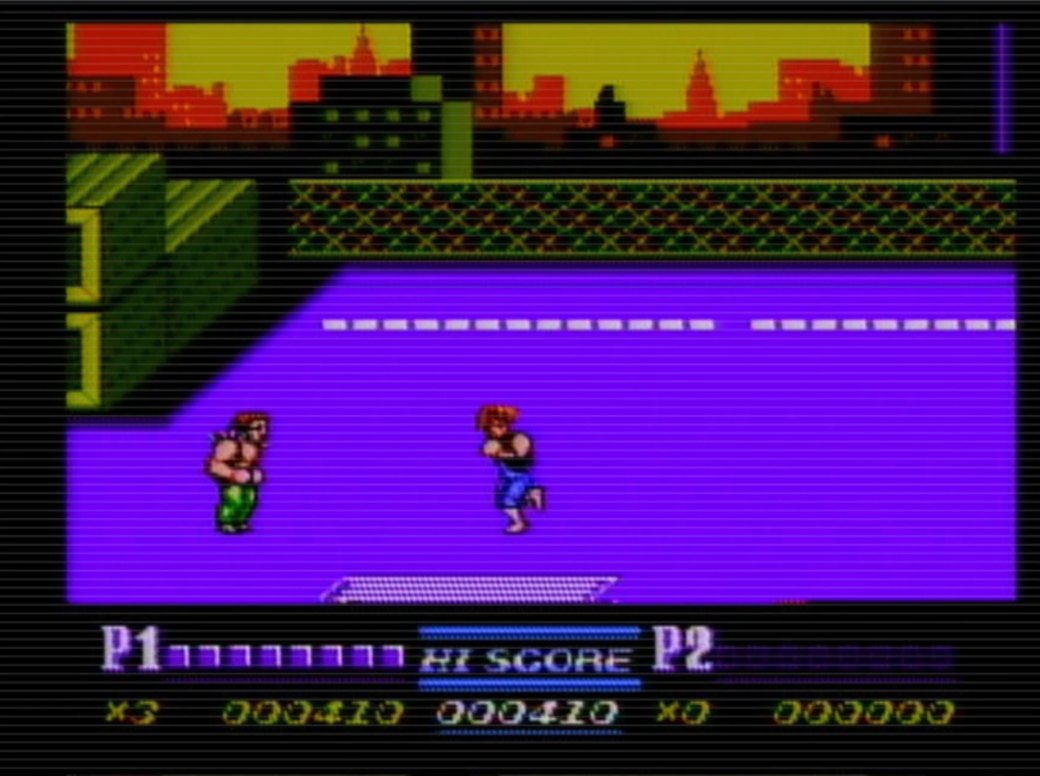
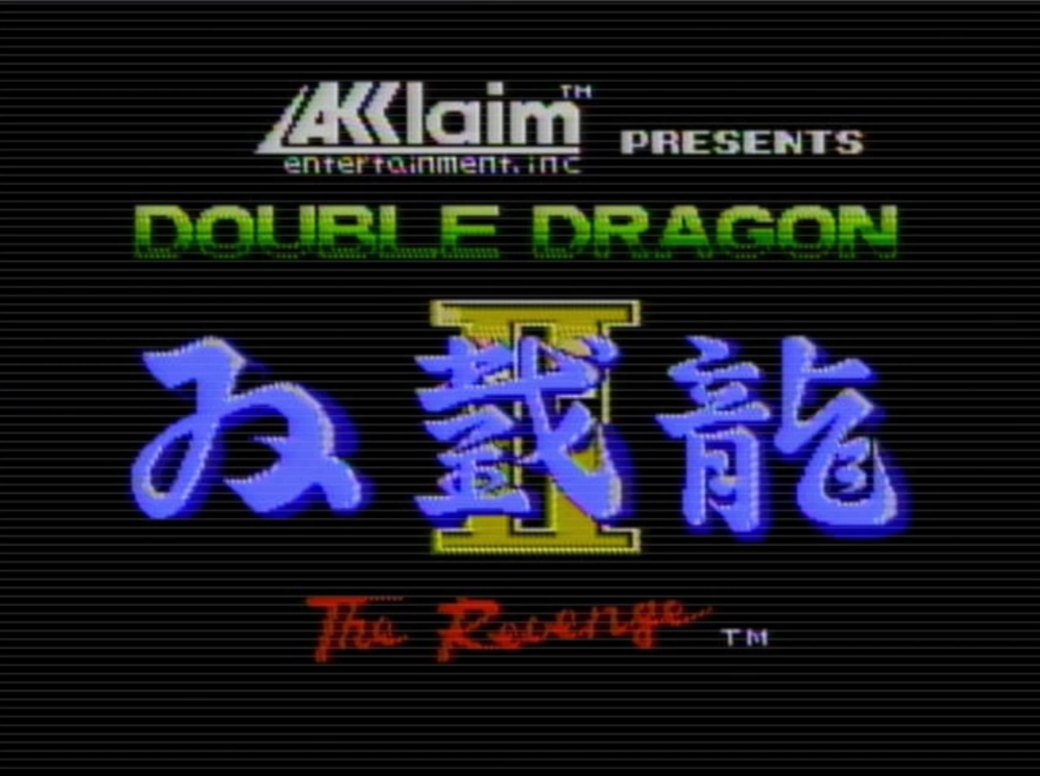
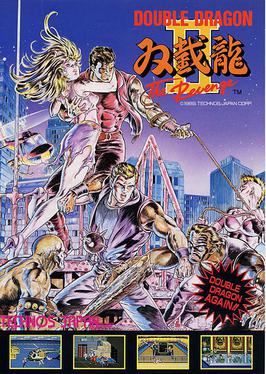
The NES version is not a straight arcade port. Technōs rebuilt it almost entirely, with cutscenes between levels, a two-player cooperative mode and its own story: Billy and Jimmy Lee set out to avenge Marian. The buttons attack left or right depending on the direction pressed, which lets you fight enemies on both sides and throw spinning kicks in mid-air.
Co-op comes in two flavors, with and without friendly fire. The second one prevents more than one argument on the couch.
Screenshots: Wisegrow team, on a tube TV · Box art: Imagen de ficha, Wikipedia


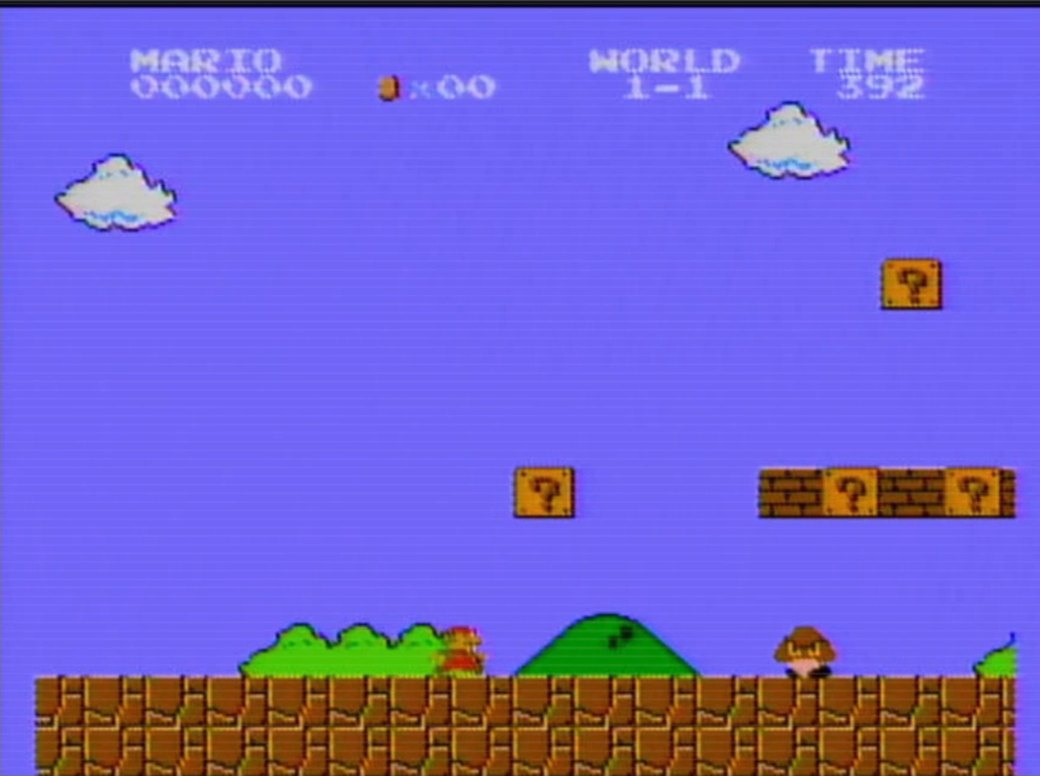
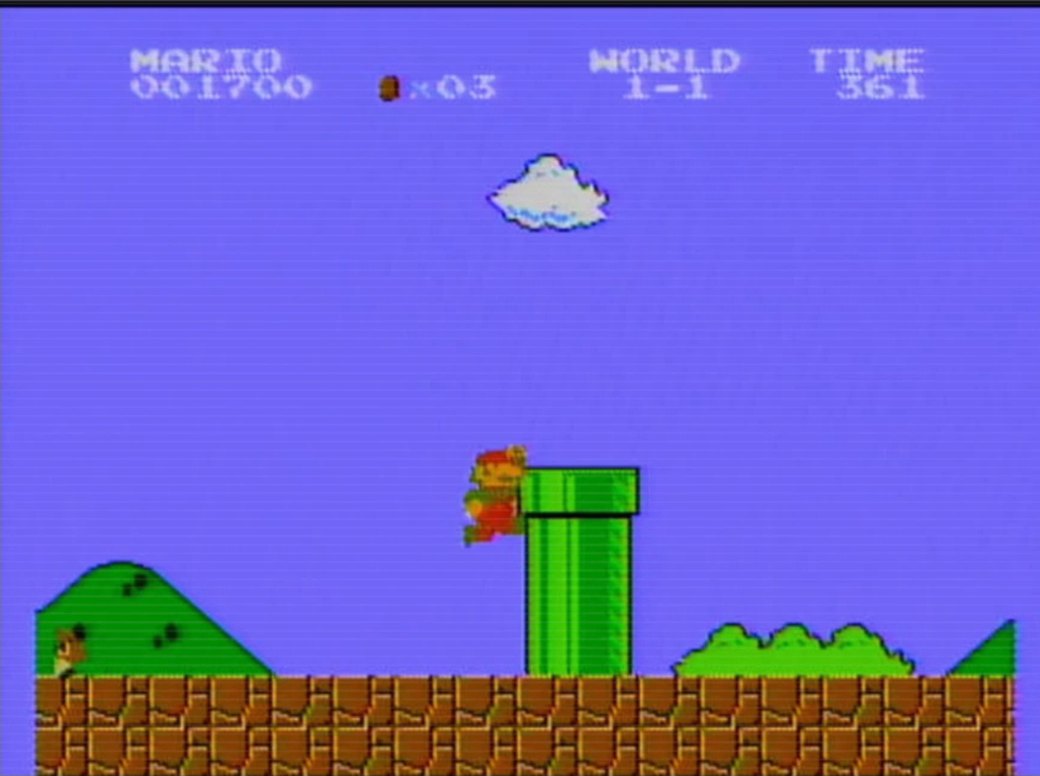
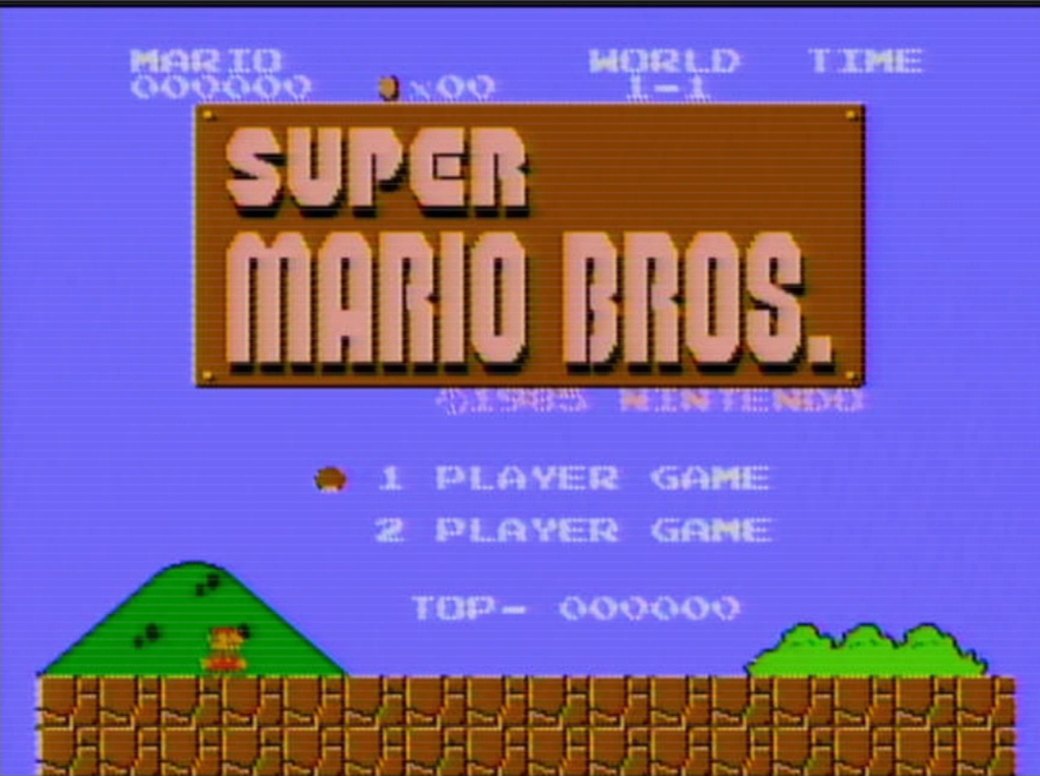
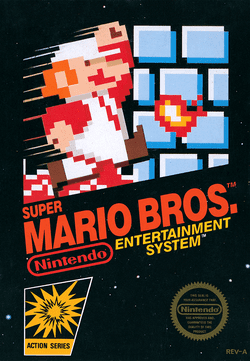
The game that came with the console in many bundles. Super Mario Bros. has eight worlds of four levels and a simple idea: move right with a jump you can steer in mid-air and whose height depends on how long you hold the button. That responsive jump is why it still plays so well.
The warp zones in levels 1-2 and 4-2 let you finish it in minutes. The first time, it is worth playing it all the way through.
Screenshots: Wisegrow team, on a tube TV · Box art: Imagen de ficha, Wikipedia


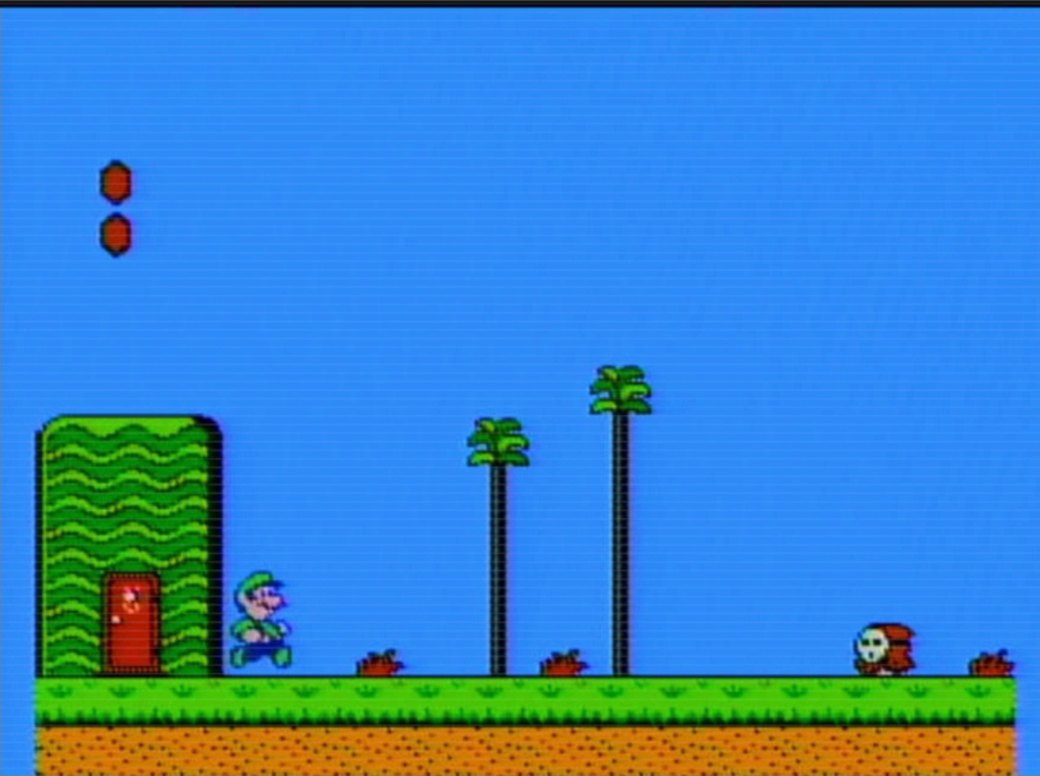
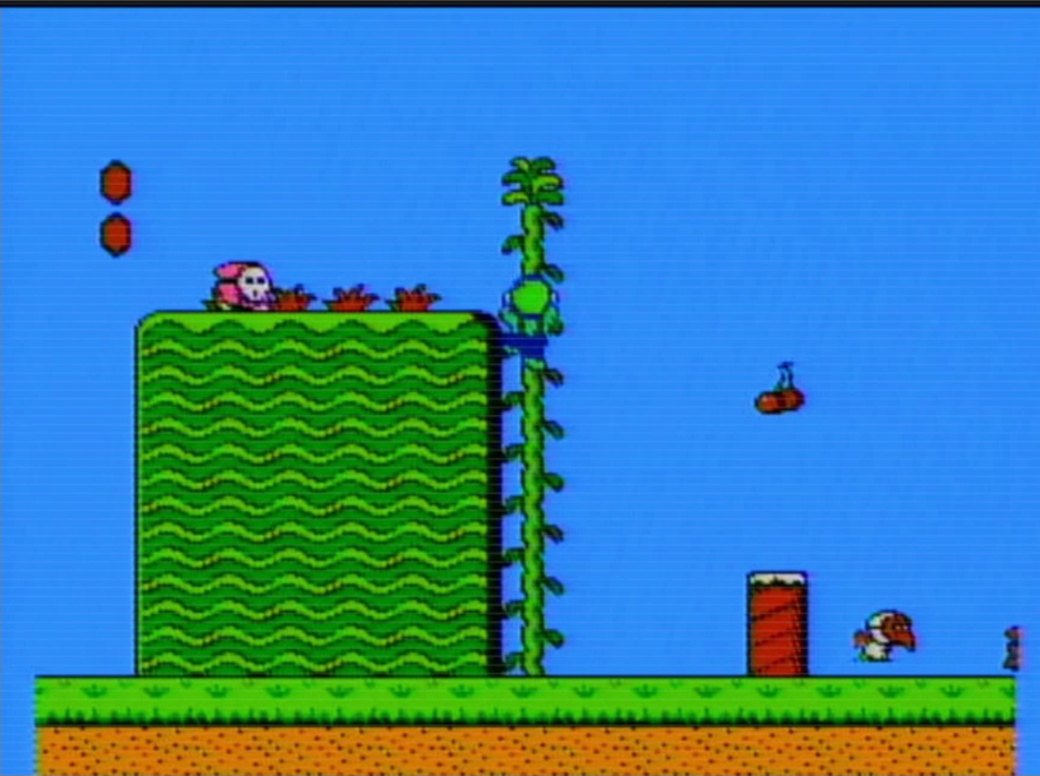
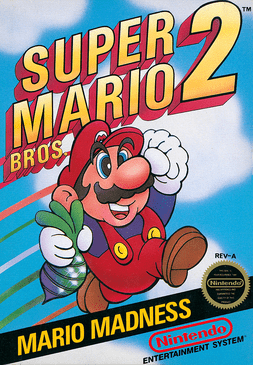
Nintendo took Yume Kōjō: Doki Doki Panic, a Famicom Disk System game, and adapted it for the West with Mario, Luigi, Toad and the Princess. That is why it plays unlike the others: you pull vegetables out of the ground and throw them, you can lift and toss enemies, and each character has distinct abilities. The Princess floats for a few seconds and Luigi jumps higher.
In Japan the official sequel was a different, much harder game, which reached America years later as The Lost Levels.
Screenshots: Wisegrow team, on a tube TV · Box art: Imagen de ficha, Wikipedia


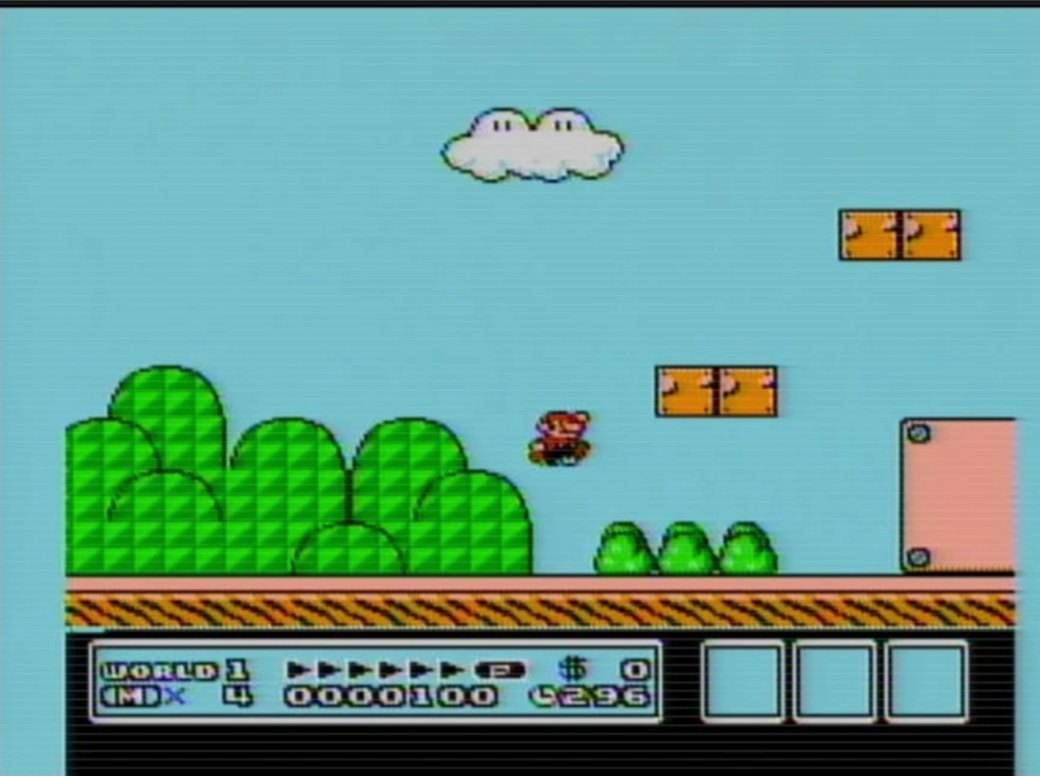
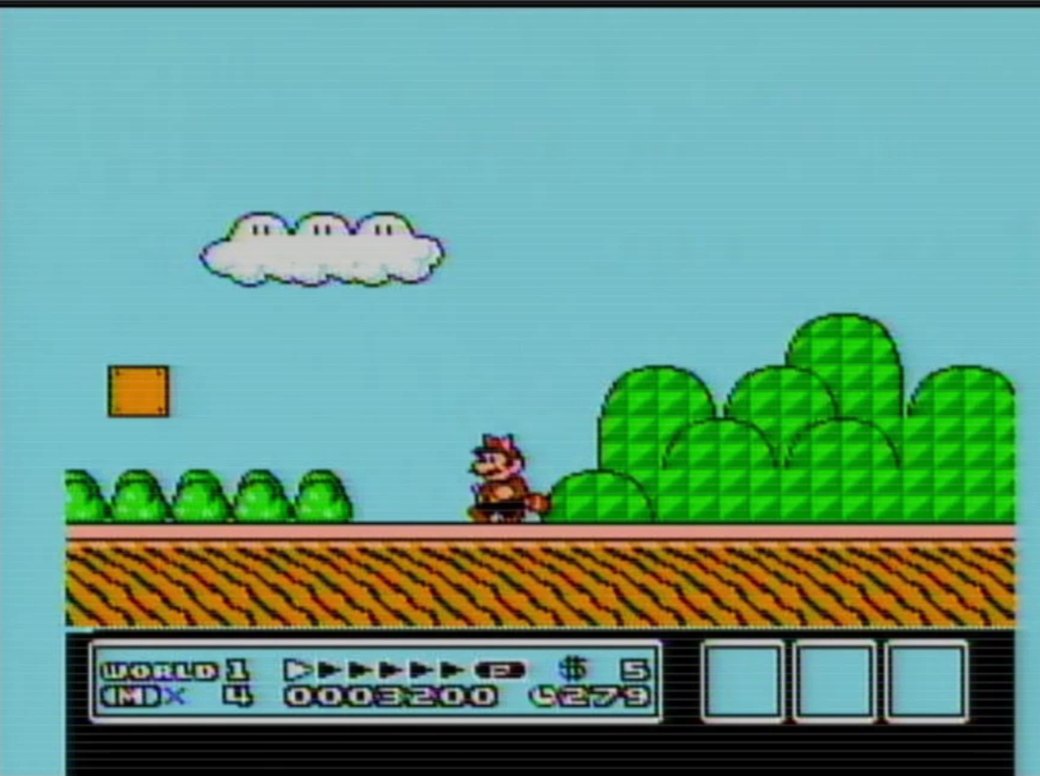
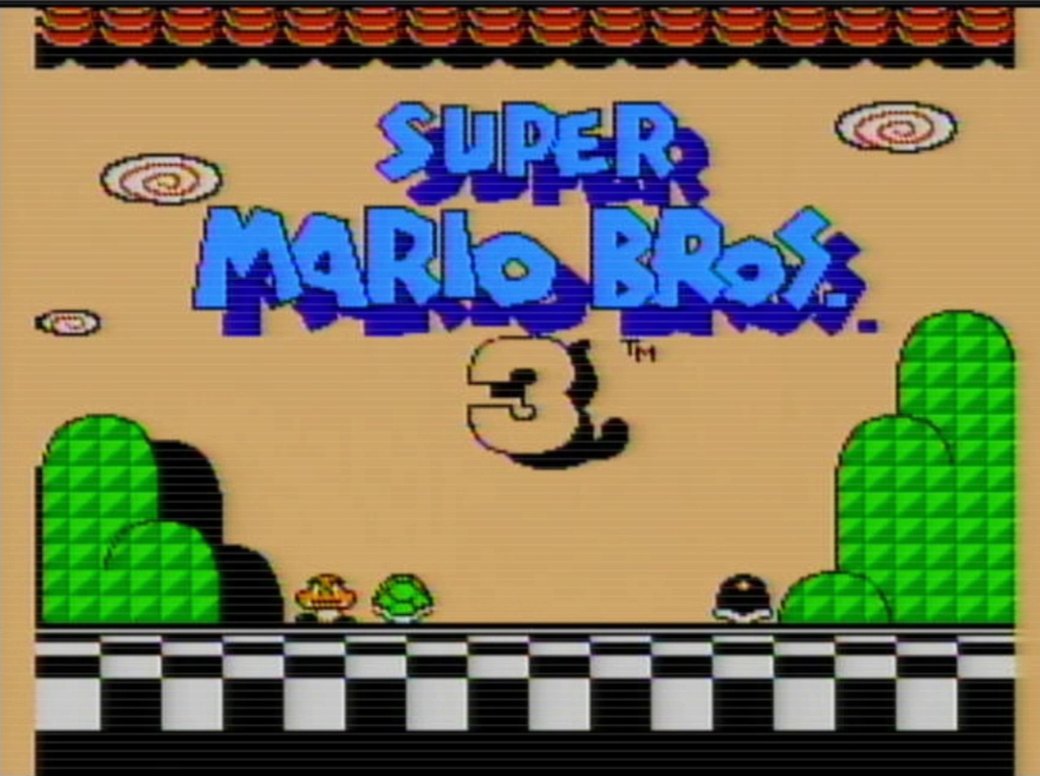
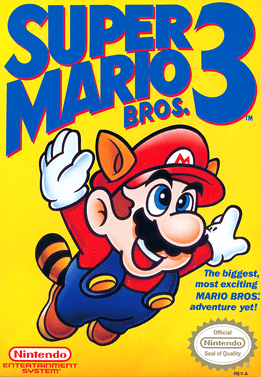
Japan got it in October 1988 and America in February 1990. Super Mario Bros. 3 added a map for each world, with optional paths, minigames and airships, plus suits that change how you play: the raccoon lets you fly, the frog swims with ease and the tanooki turns into a statue.
It has eight worlds and more than eighty levels. The whistles let you skip whole worlds, but the game is more fun played through.
Screenshots: Wisegrow team, on a tube TV · Box art: Imagen de ficha, Wikipedia


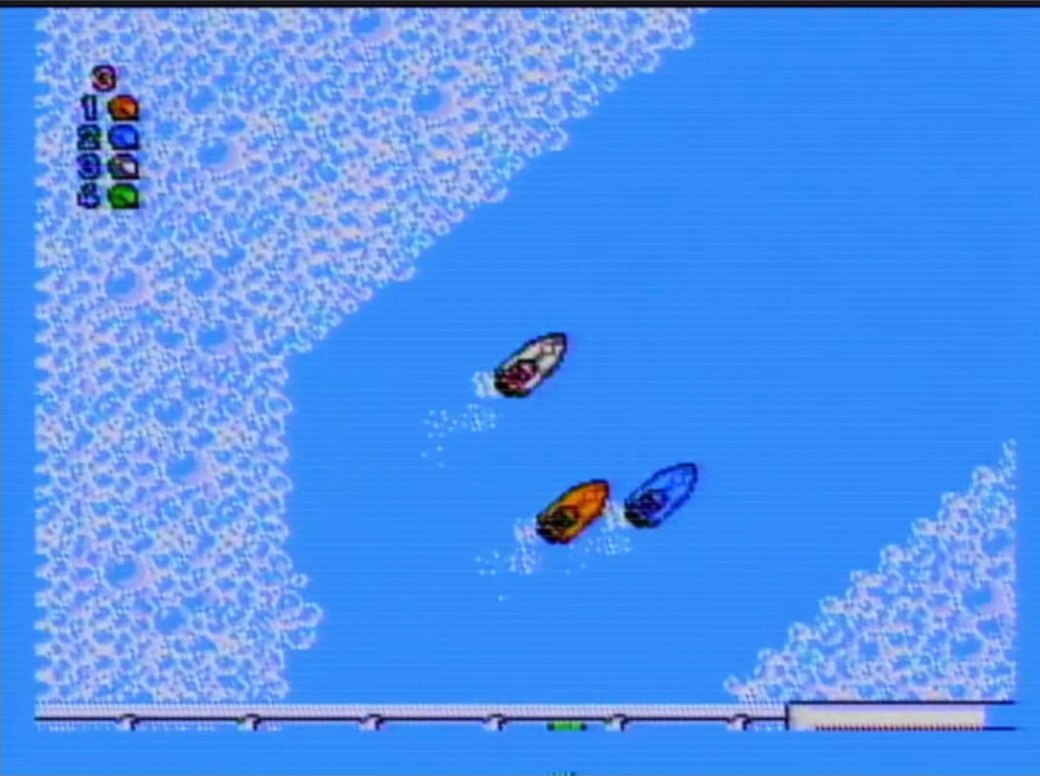
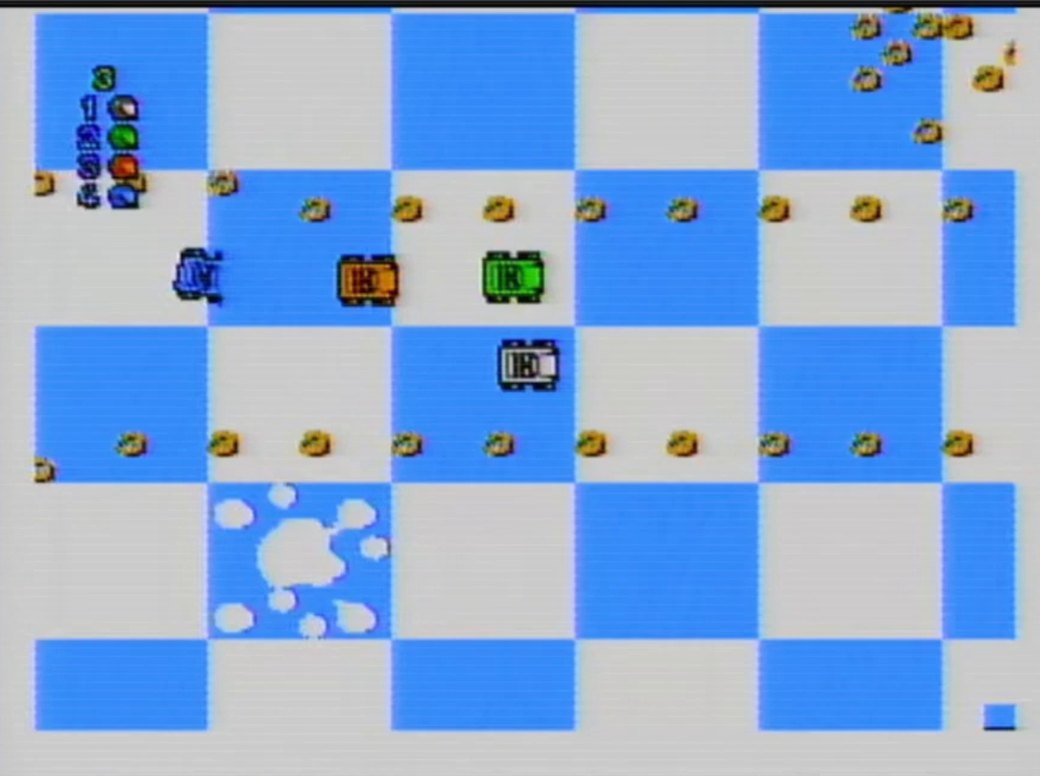
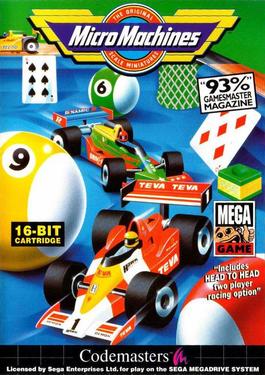
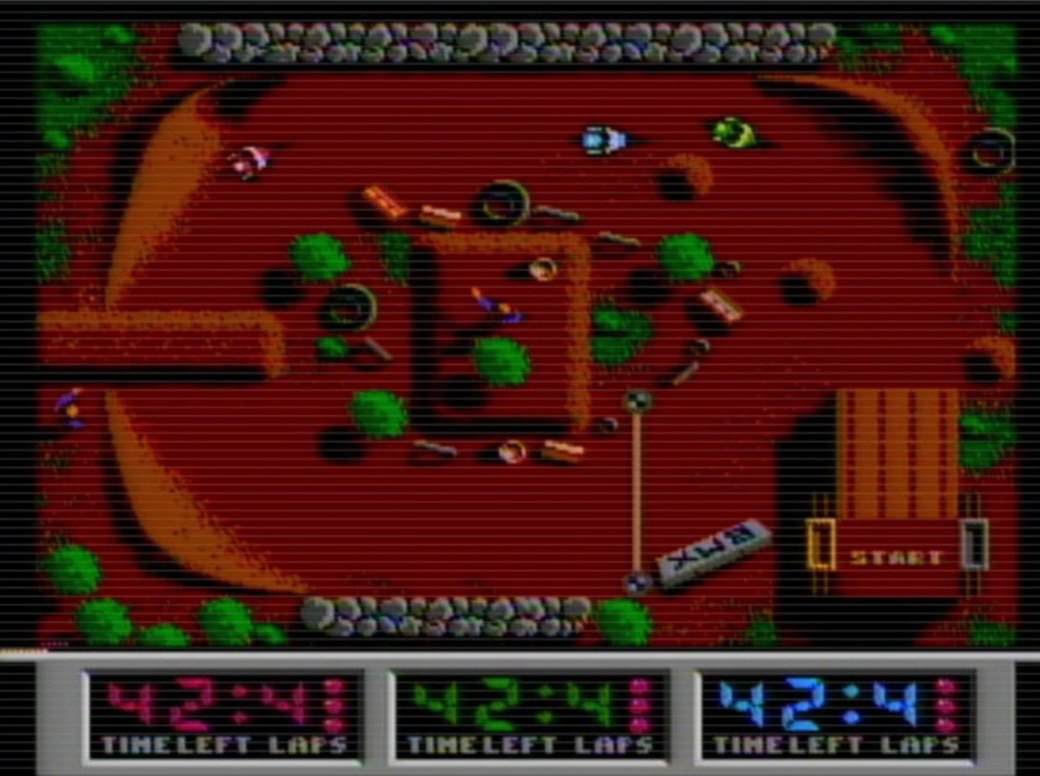
Codemasters made it and Camerica published it in 1991, without a Nintendo license. The cars are toys and the tracks are household objects: the breakfast table, a pool table, the desk, the bathtub. The camera looks down from above and, in two-player mode, whoever falls off the screen loses the point.
Being unlicensed, the cartridge has no Nintendo seal of quality. For this release that is normal.
Screenshots: Wisegrow team, on a tube TV · Box art: Imagen de ficha, Wikipedia


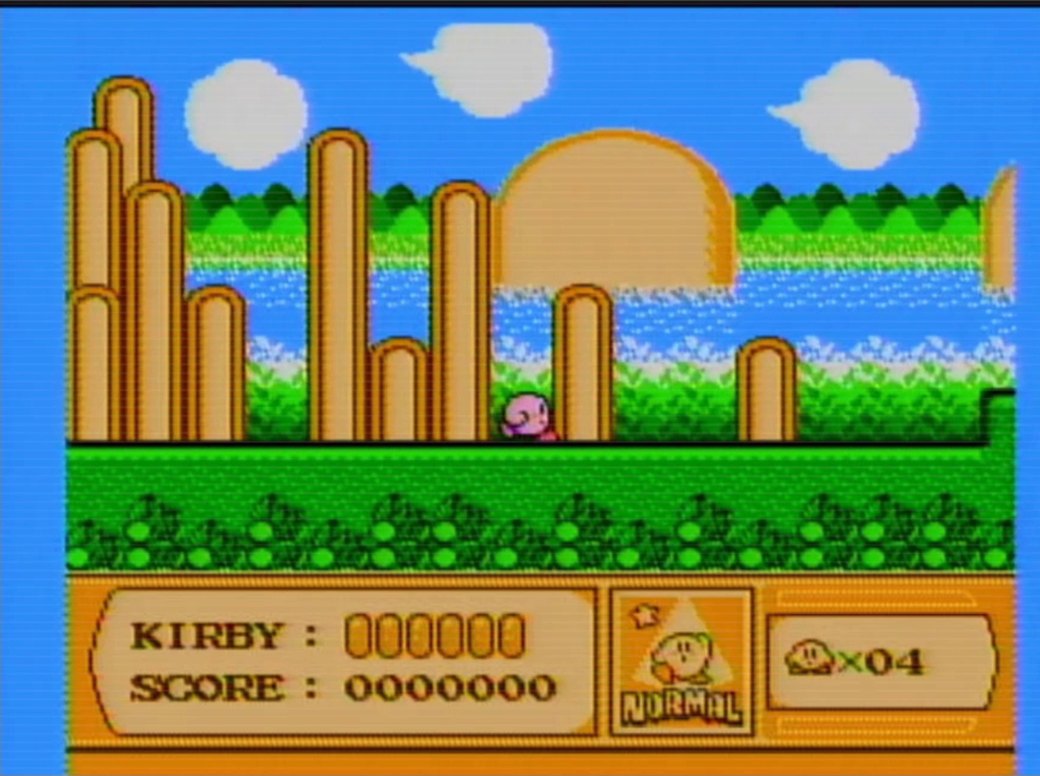
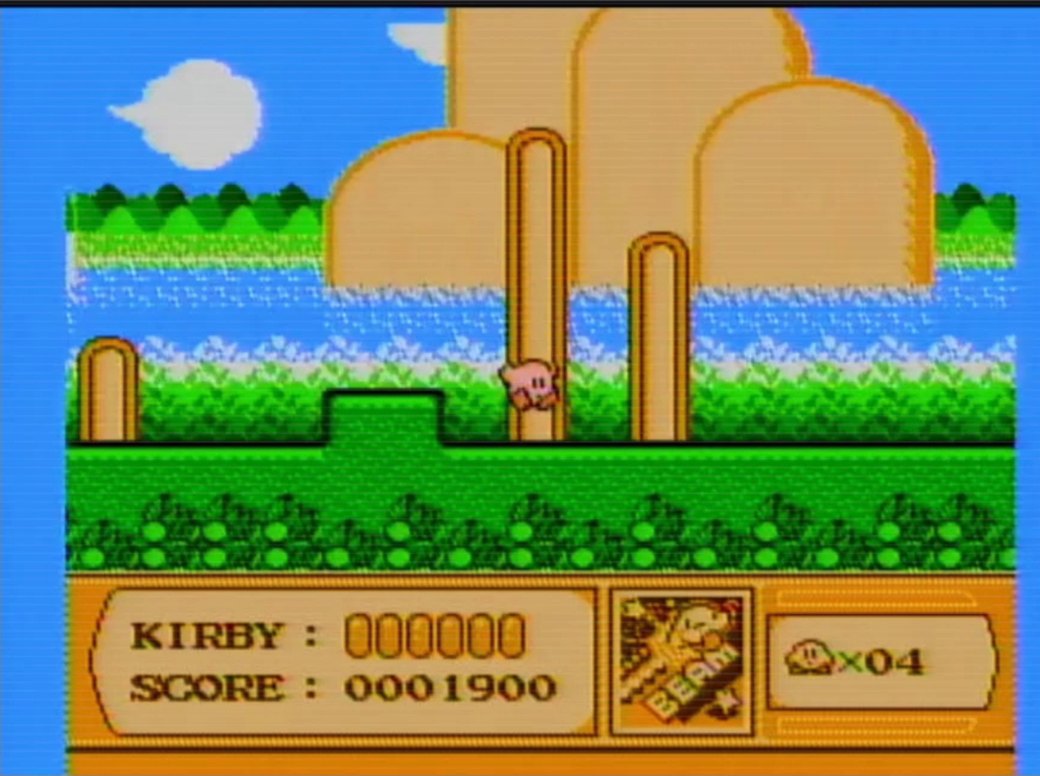
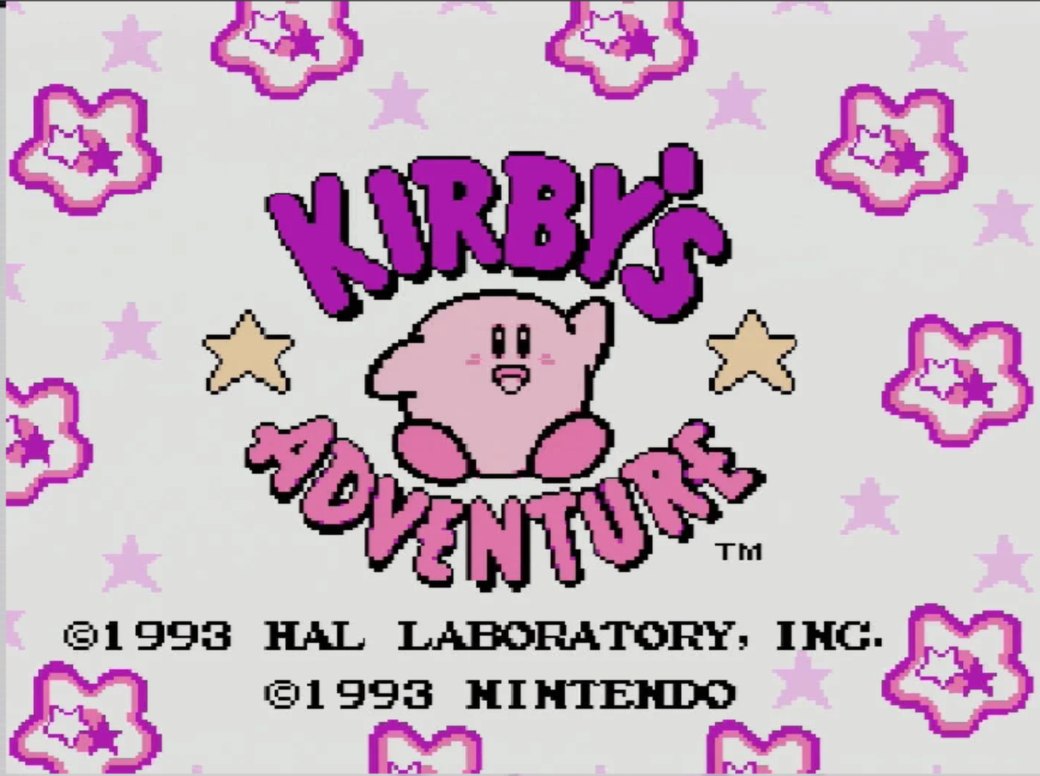
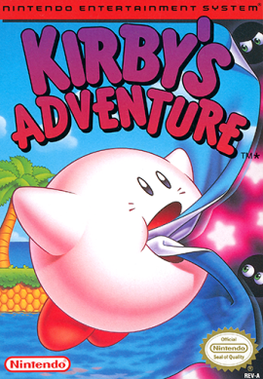
HAL Laboratory released it in 1993, when the Super Nintendo had been in shops for years. It introduced the copy ability: Kirby swallows an enemy and takes its power, whether fire, sword or lightning. It is a 6-megabit cartridge, one of the largest in the library, and it shows in the animation and color.
It is also a good first game for someone who has never held an NES pad: Kirby can fly over almost any pit.
Screenshots: Wisegrow team, on a tube TV · Box art: Imagen de ficha, Wikipedia


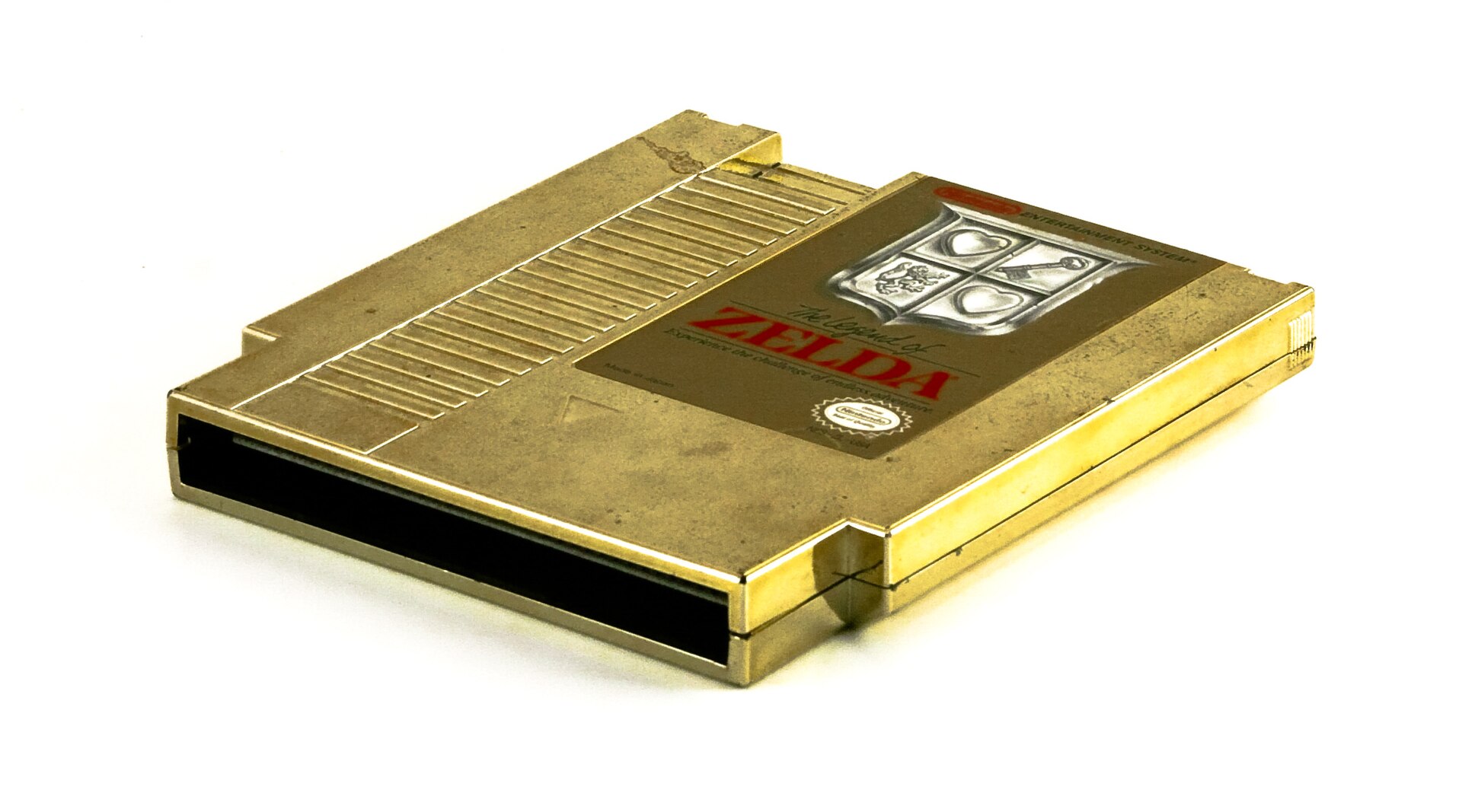
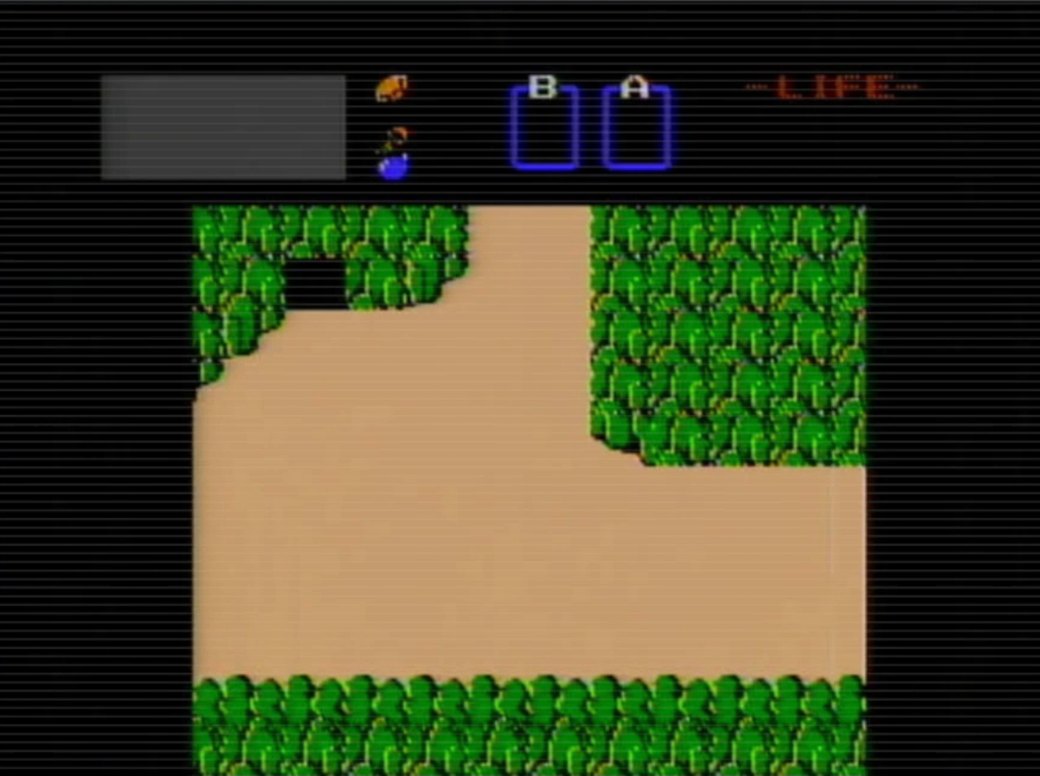
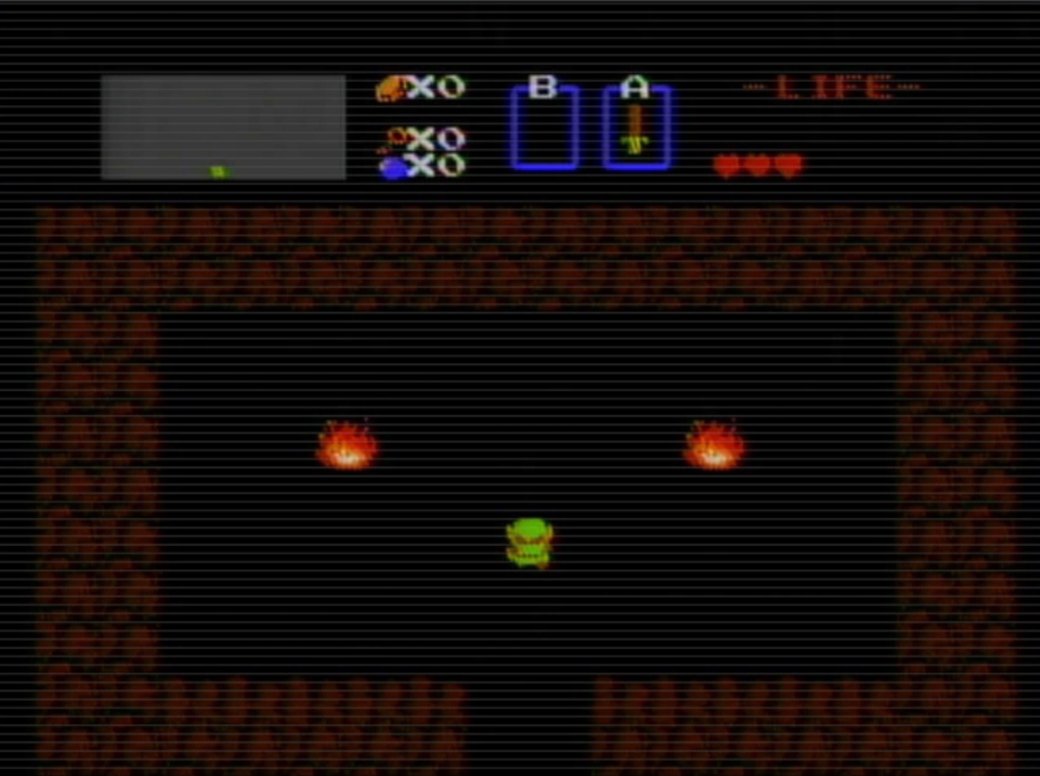
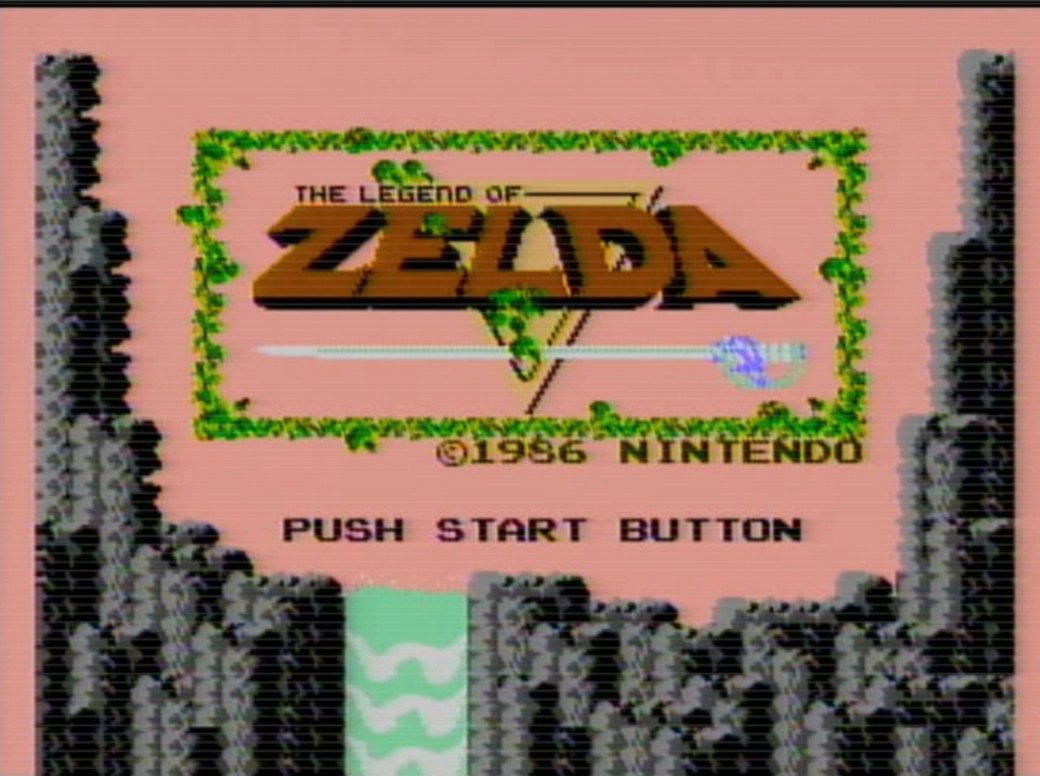
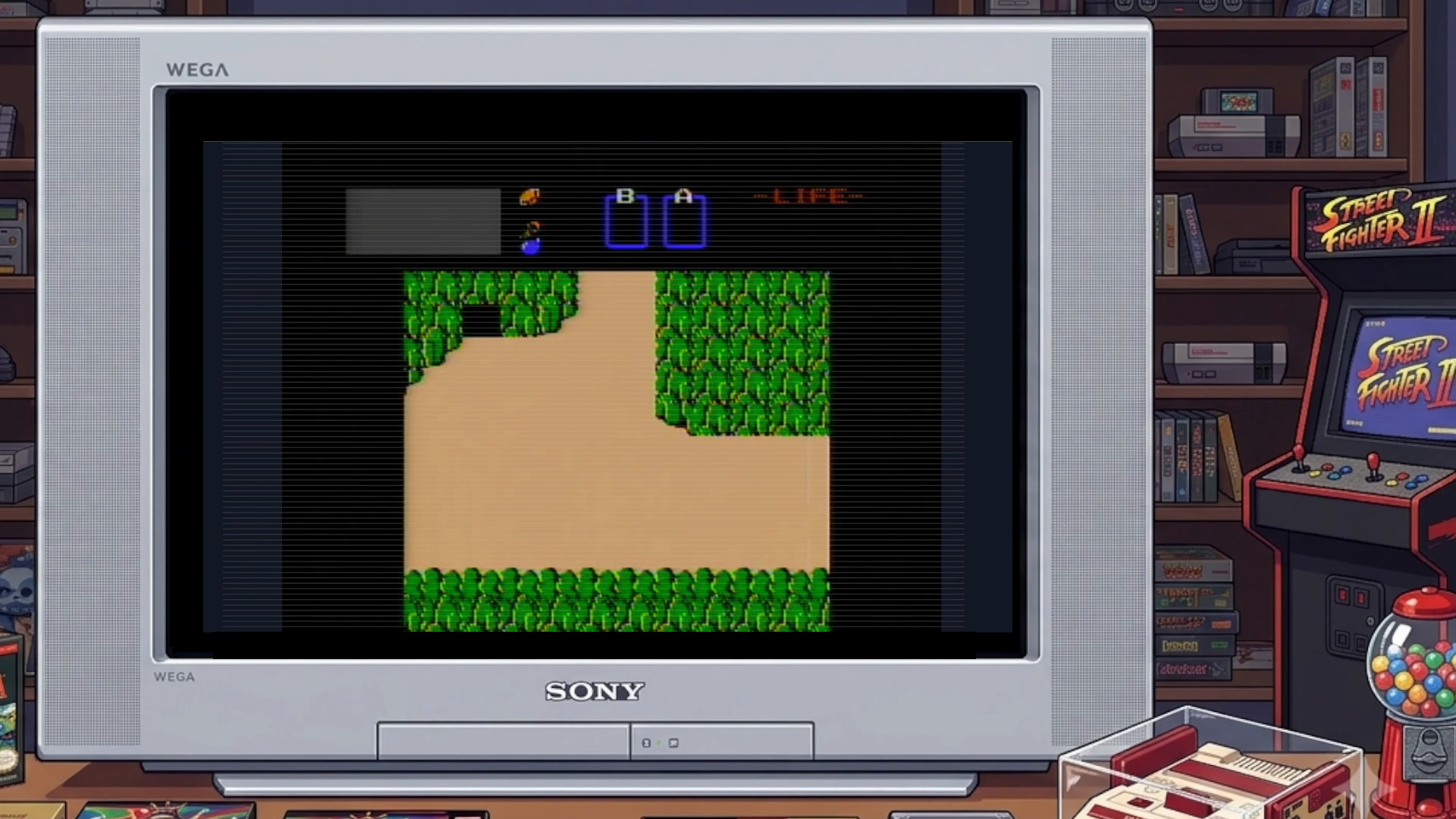
It came out in 1986 in Japan, for the Famicom Disk System, and in 1987 in America on a gold cartridge. Link starts on an open map with no directions, next to a cave where an old man hands him a sword. The nine dungeons can be found in different orders and the game does not say where they are: back then, the map was drawn in a notebook.
It was one of the first cartridges with a battery to save progress. If it forgets your name today, the internal battery has died; replacing it means opening the cartridge and soldering.
Screenshots: Wisegrow team, on a tube TV · Box art: CC BY 2.0


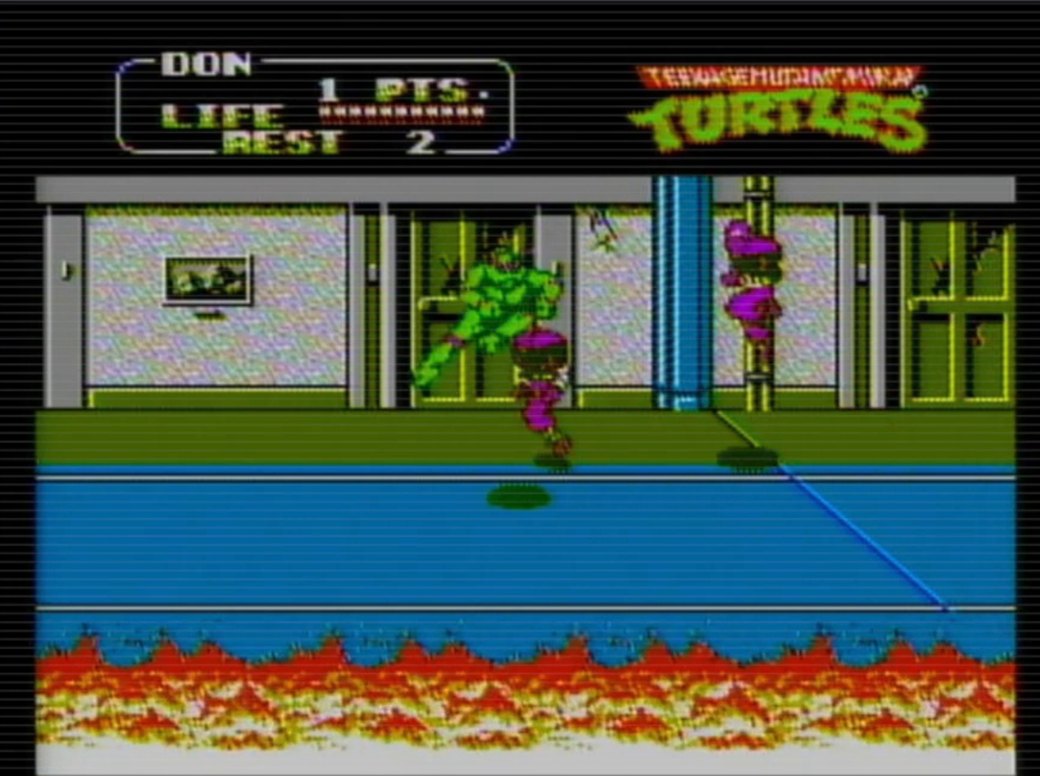
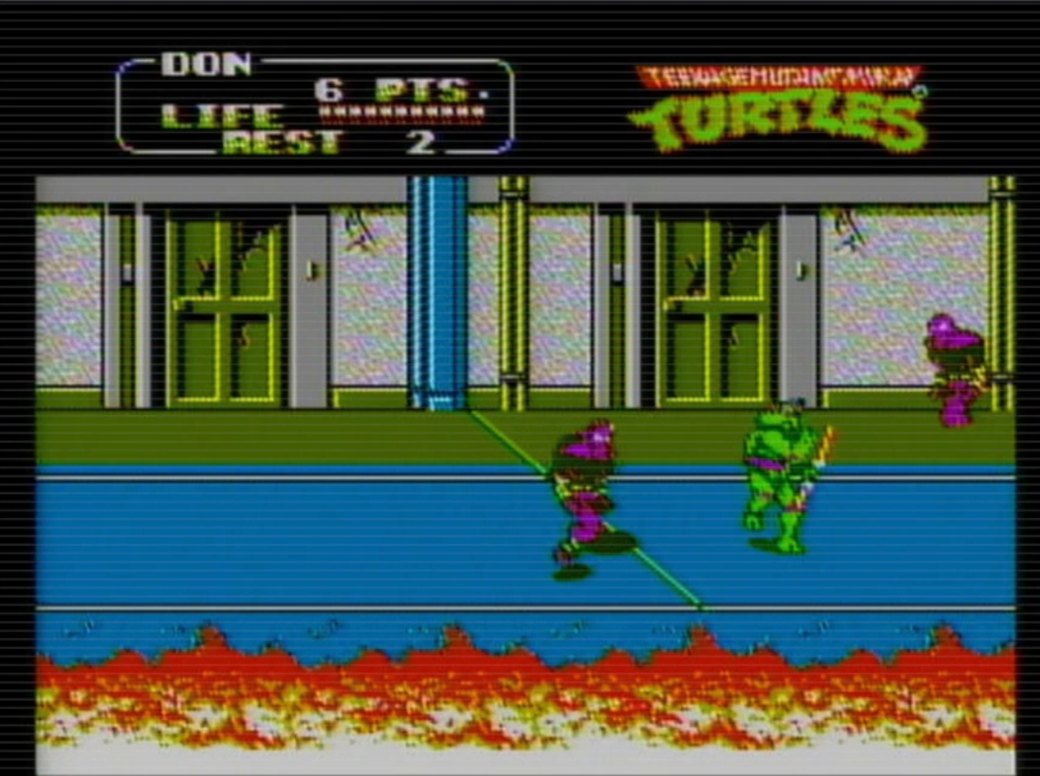
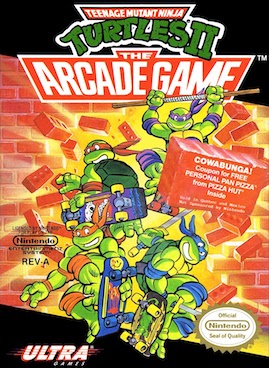
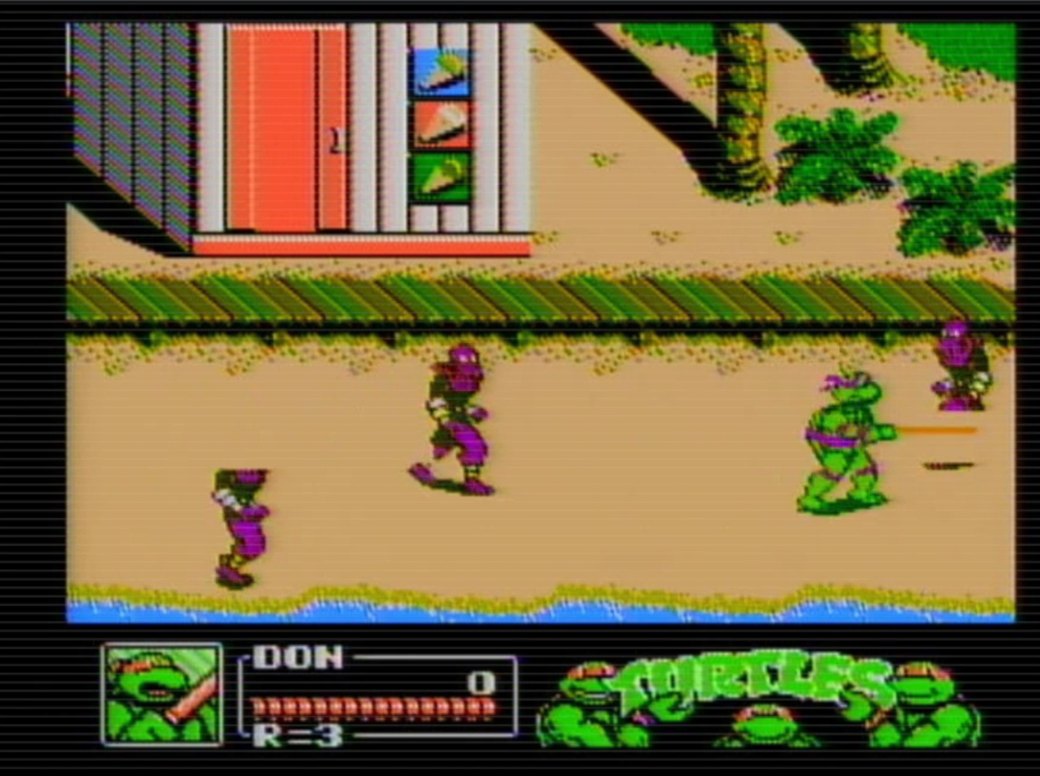
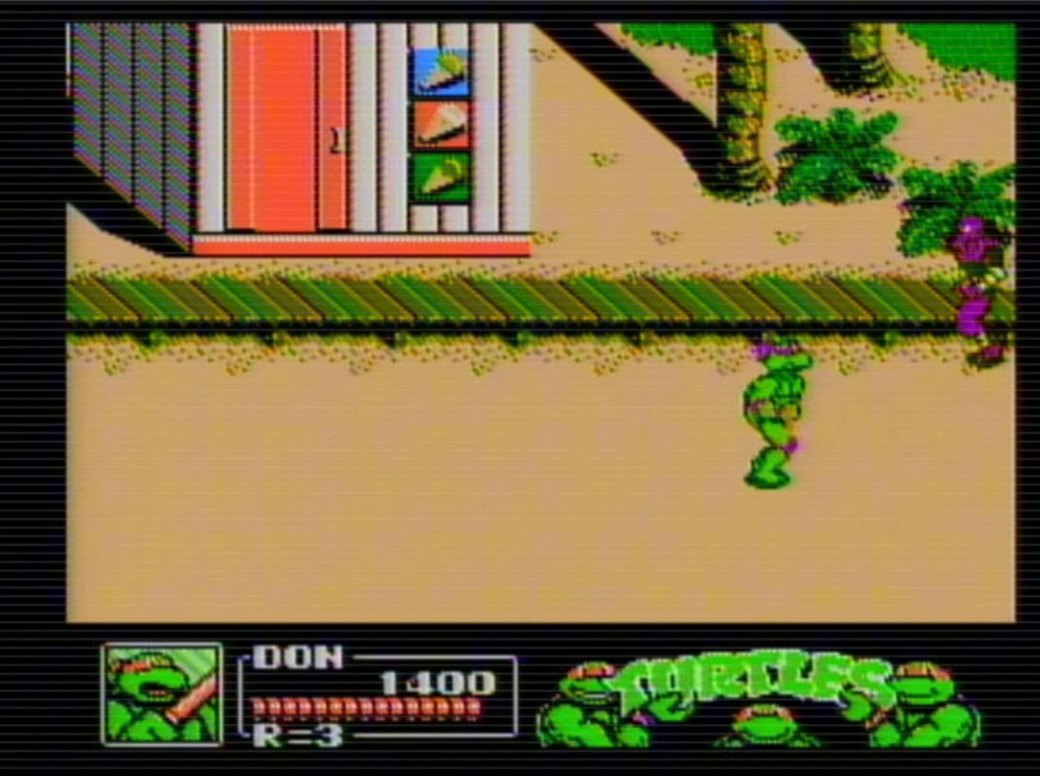
Konami released it in 1990 as a port of the 1989 arcade game. All four turtles are available and two can play at once (the arcade took four). To make up for it, the NES version added two levels that did not exist in the original cabinet.
Pizzas restore health, so in co-op it is wise to share them before someone hogs them all.
Screenshots: Wisegrow team, on a tube TV · Box art: Fair use


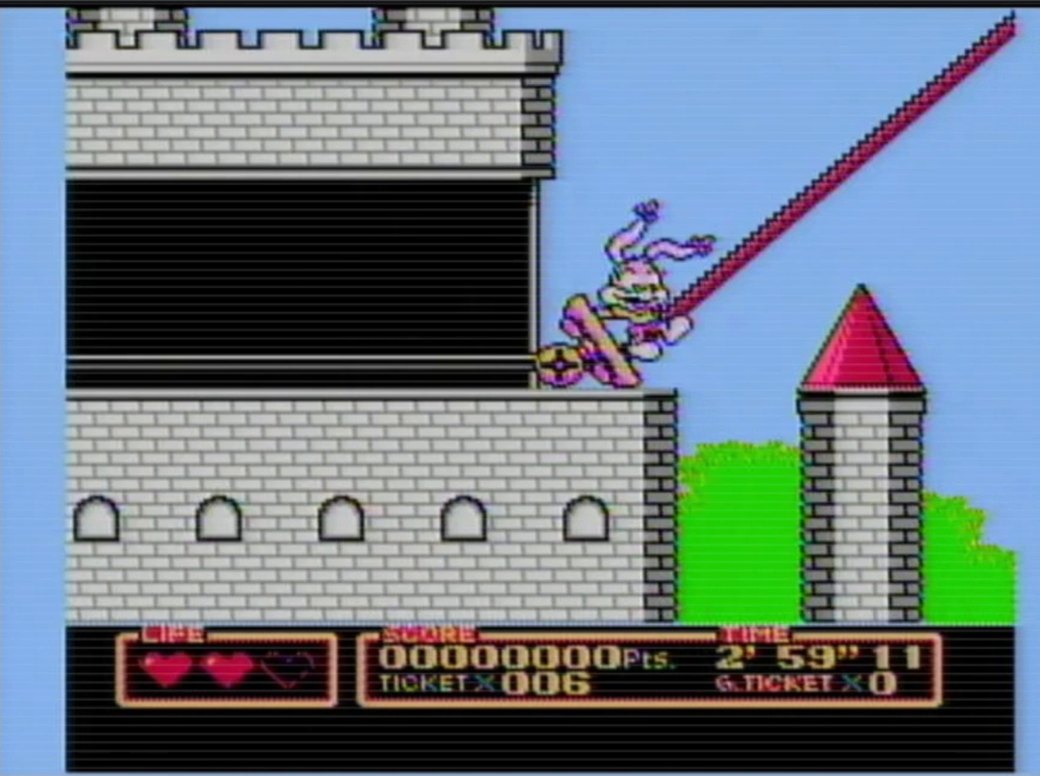
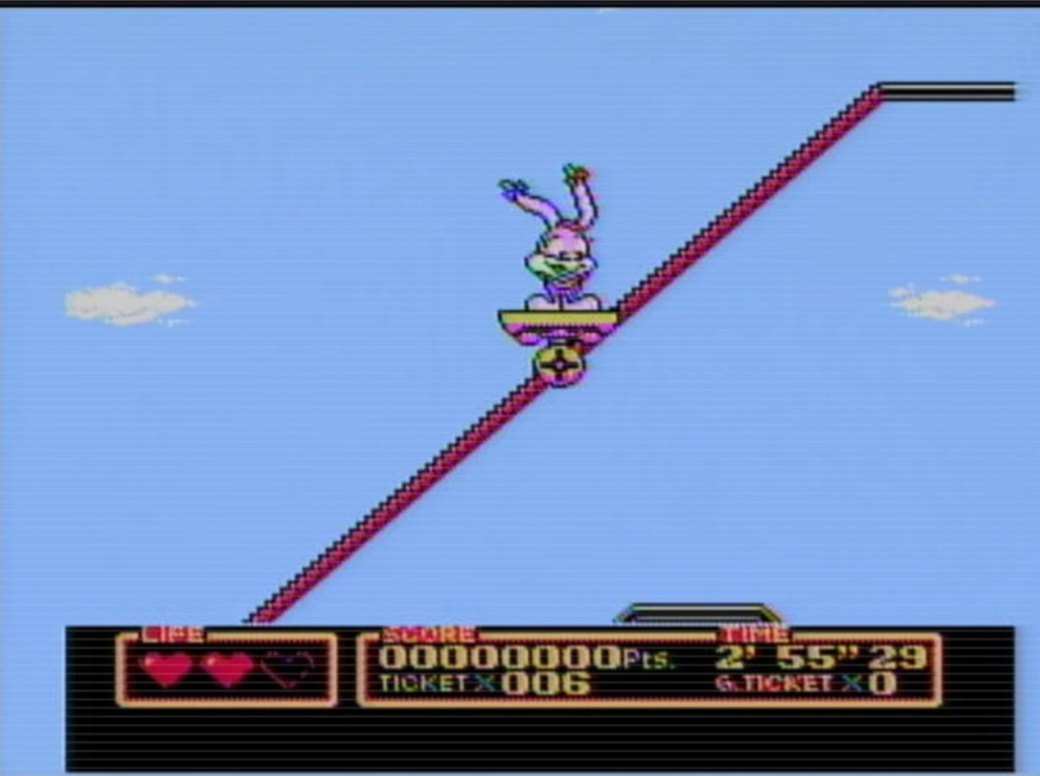
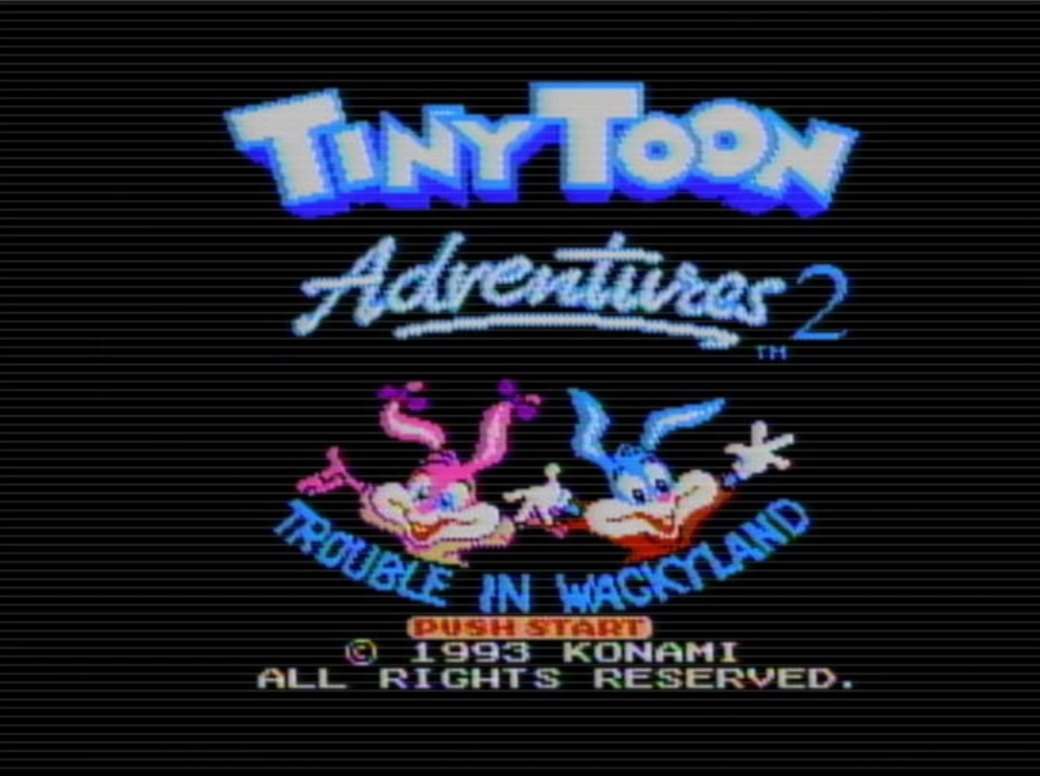
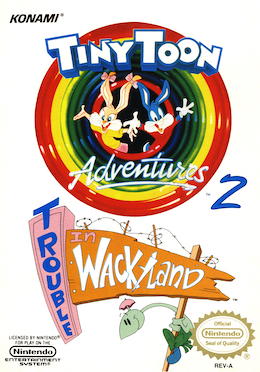
Konami, 1993. Buster Bunny and his friends tour Wackyland, an amusement park where every ride is a level: the roller coaster, the bumper cars, the haunted house or the train. It is short and easy, but each ride lasts just long enough and the variety carries it.
It came late in the console's life and it shows in the character animation, very close to the TV series.
Screenshots: Wisegrow team, on a tube TV · Box art: Fair use


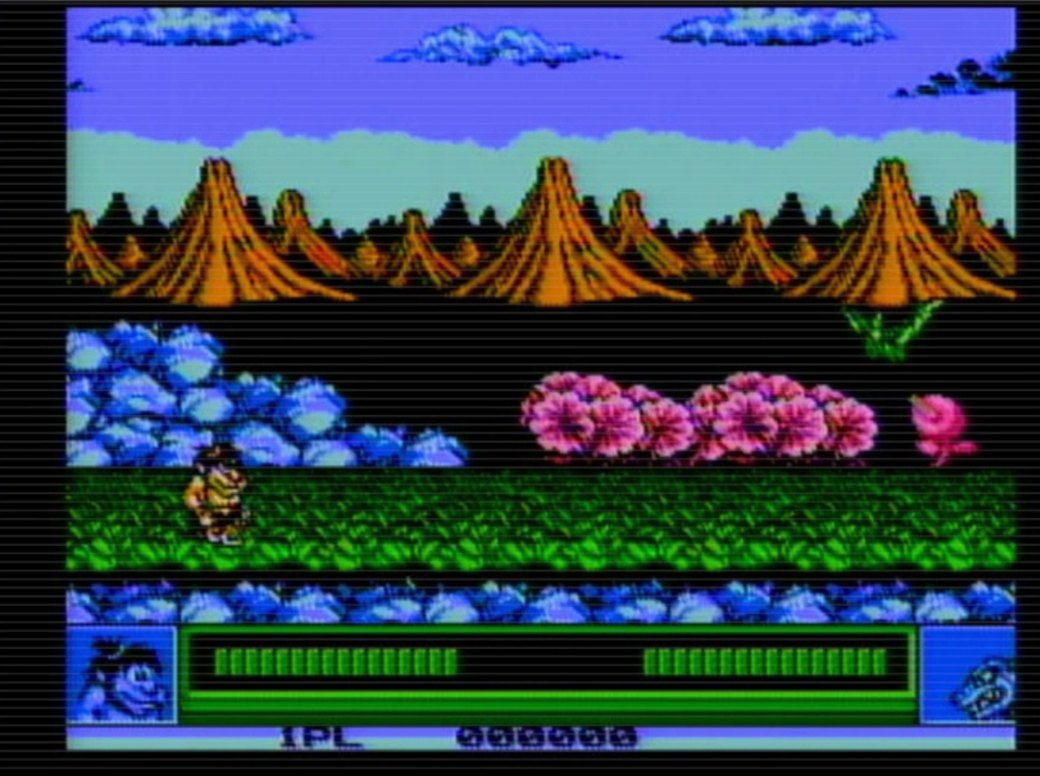
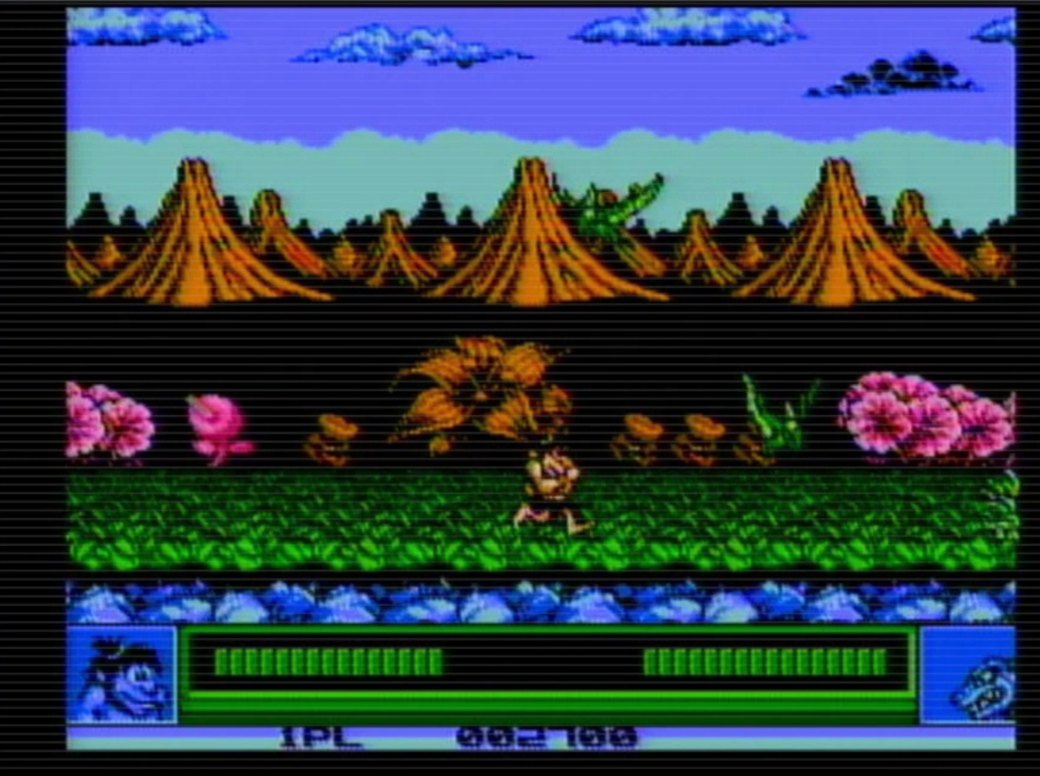
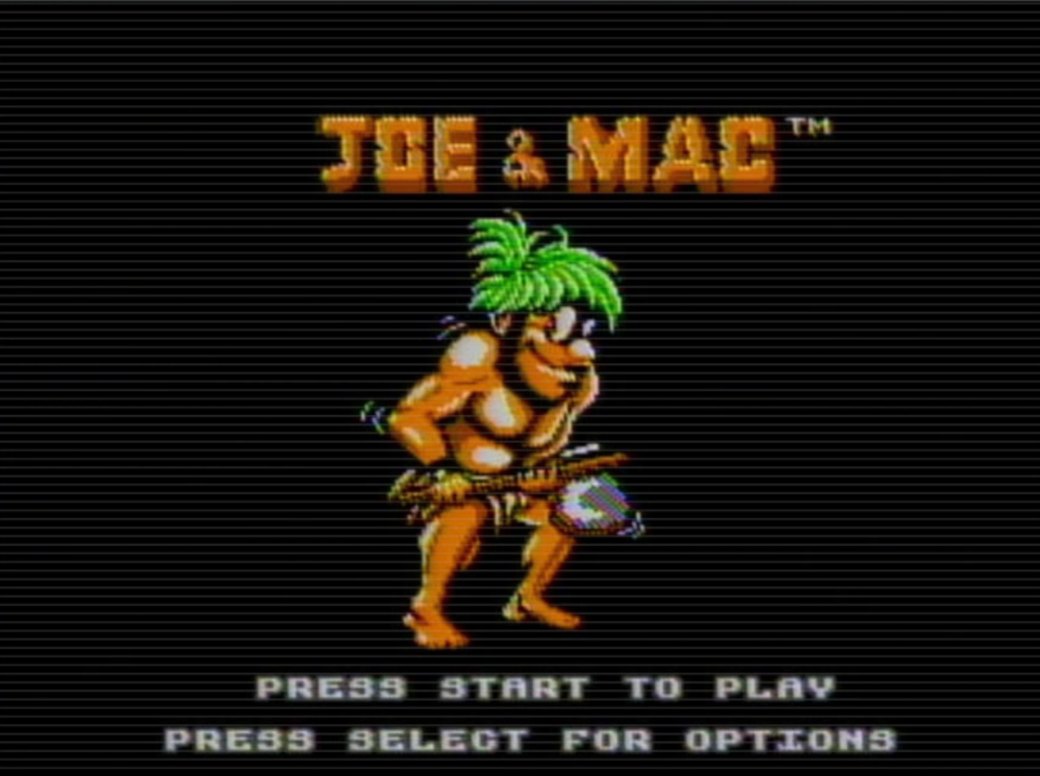
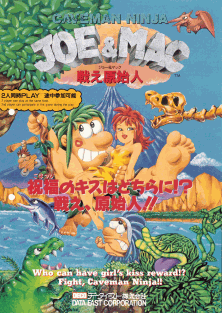
The NES version of Data East's arcade game was developed by Elite Systems and came out in North America in December 1992. Joe and Mac are two cavemen rescuing their tribe's women with axes, bones and fire, facing a huge dinosaur boss in almost every level.
At flea markets it usually costs less than the better-known Konami games. Ask to see it on a tube TV: the backgrounds use color dithering that blends far better on phosphor.
Screenshots: Wisegrow team, on a tube TV · Box art: Imagen de ficha, Wikipedia


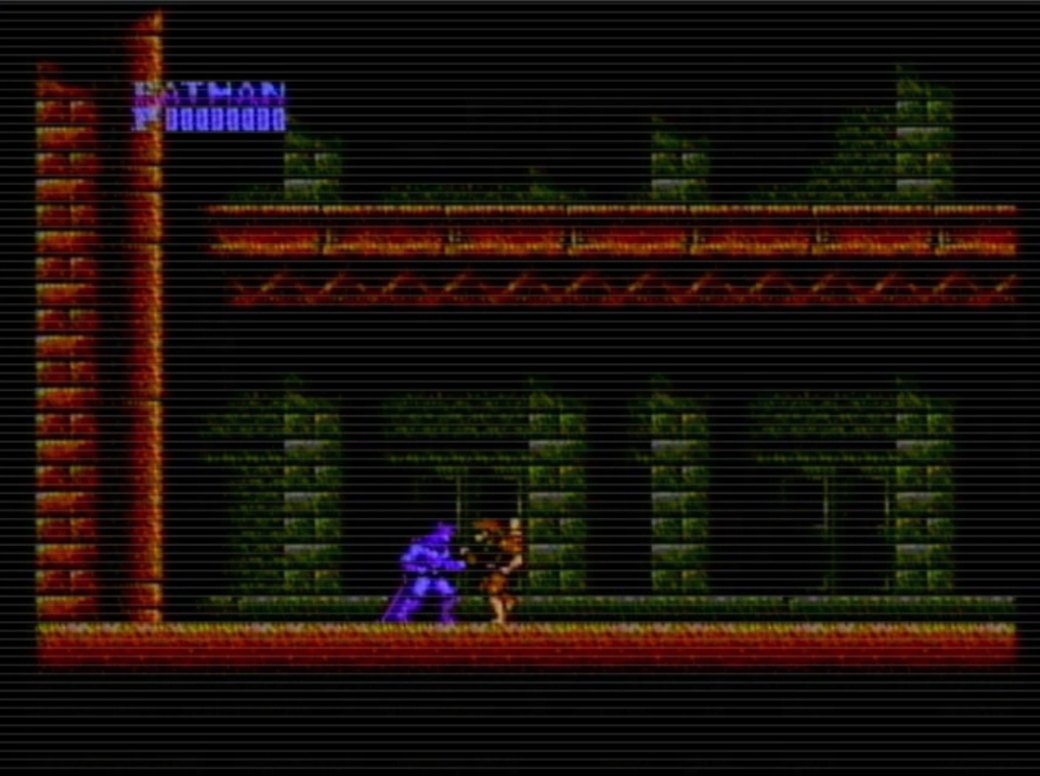
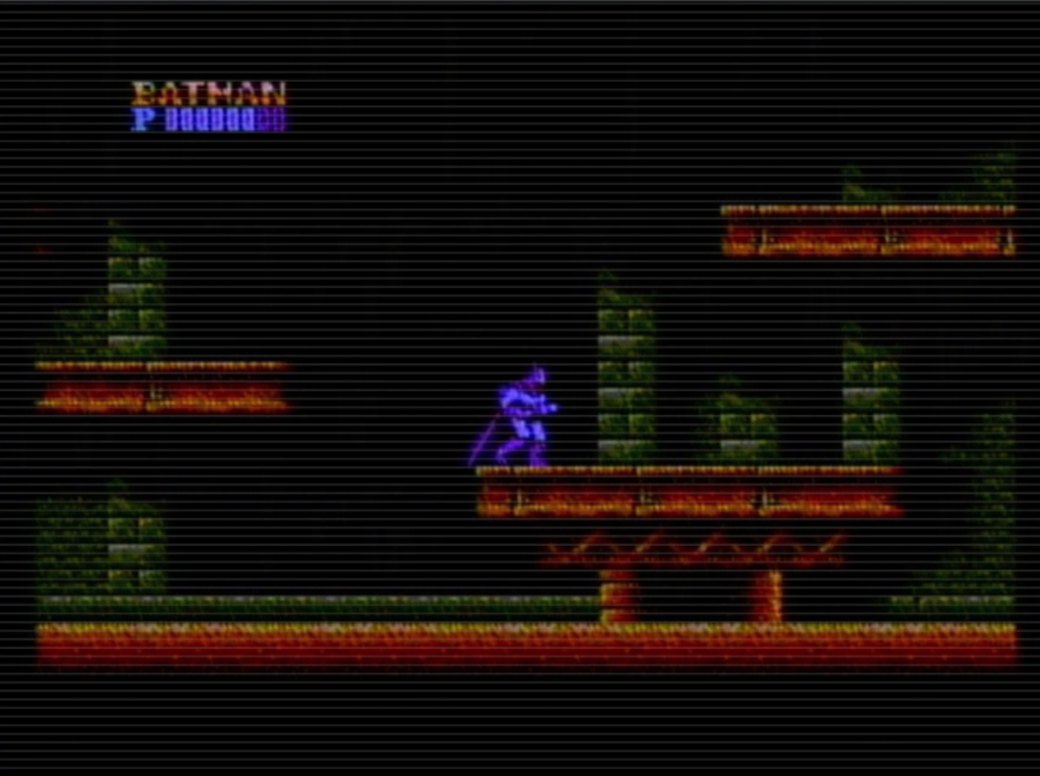
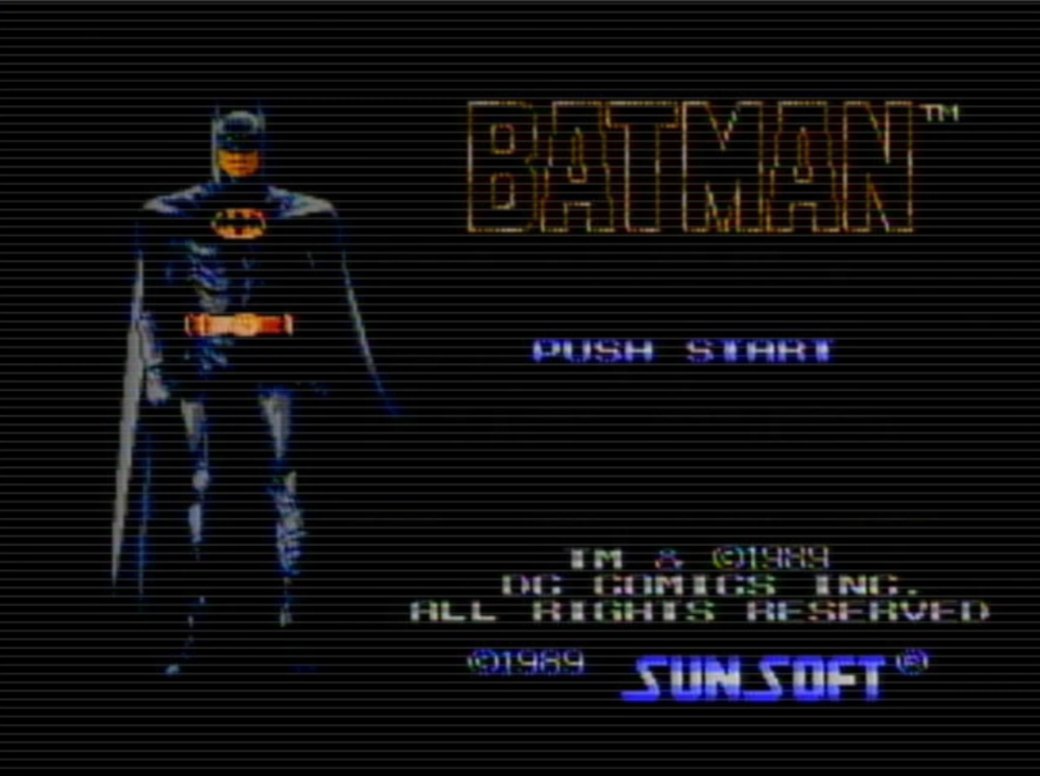
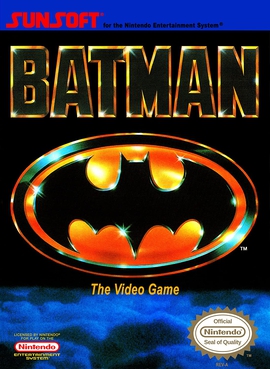
Sunsoft released it alongside Tim Burton's film, in 1989 in Japan and 1990 in America, though the game borrows little from the movie. Batman wall-jumps, uses three secondary weapons (the batarang, the speargun and the disc) and moves through dark stages backed by a Naoki Kodaka soundtrack people still remember.
It is demanding: enemies respawn and the jumps call for precision. It is best played without hurrying.
Screenshots: Wisegrow team, on a tube TV · Box art: Fair use


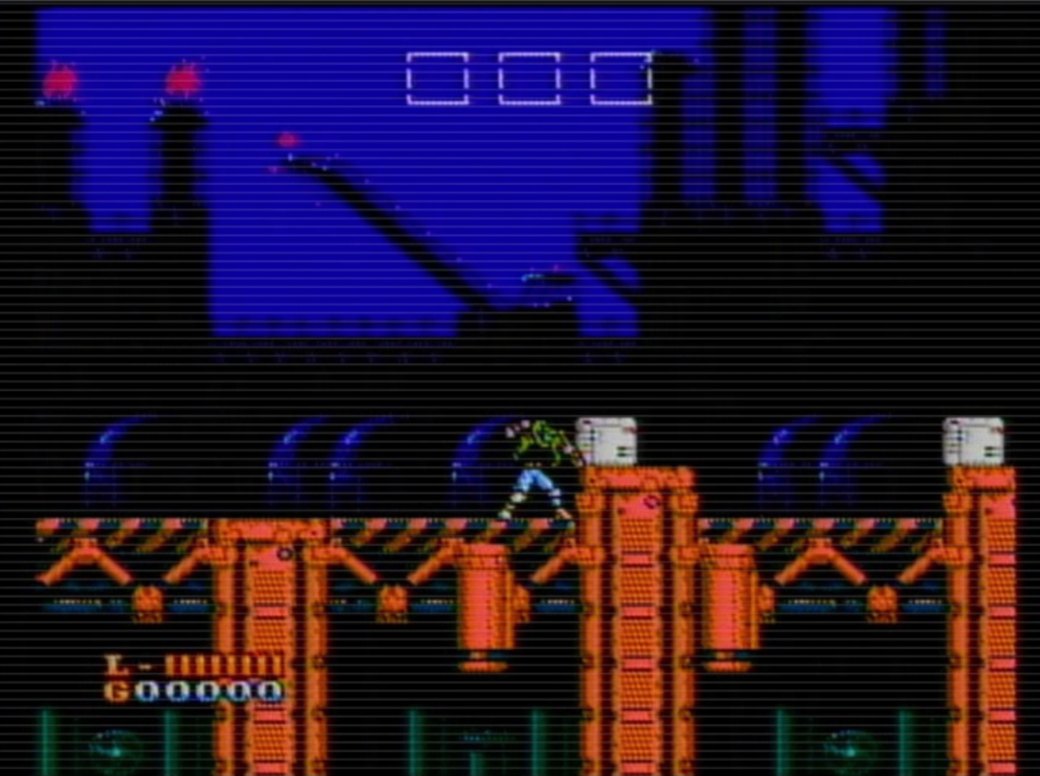
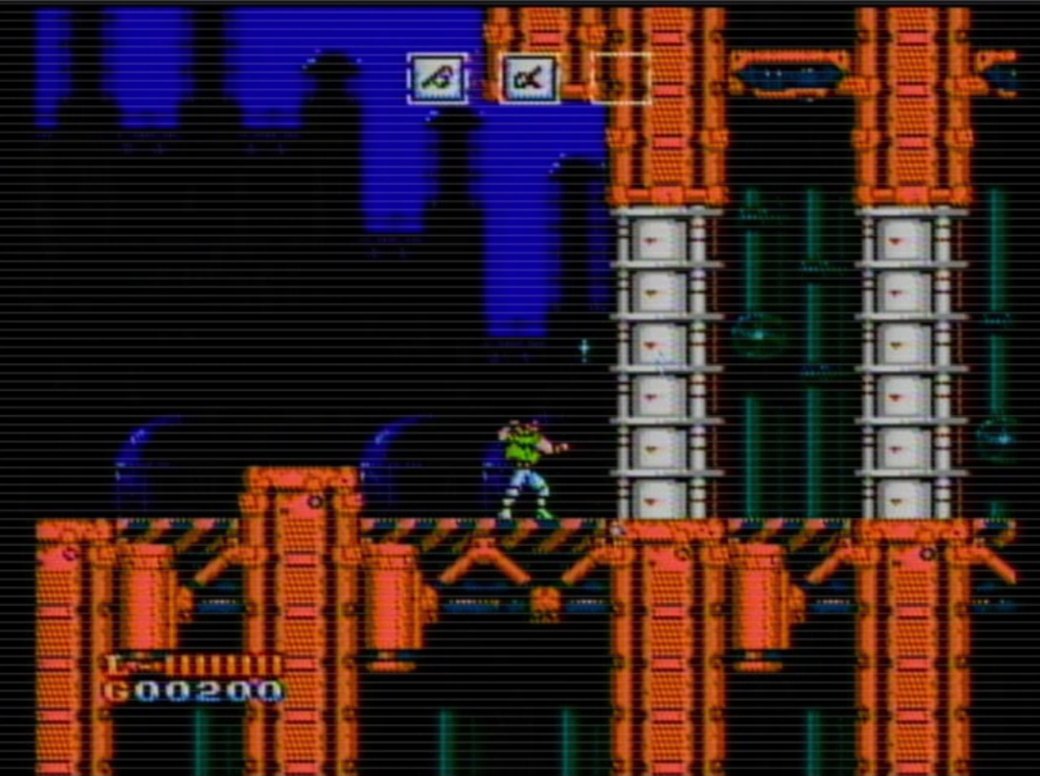
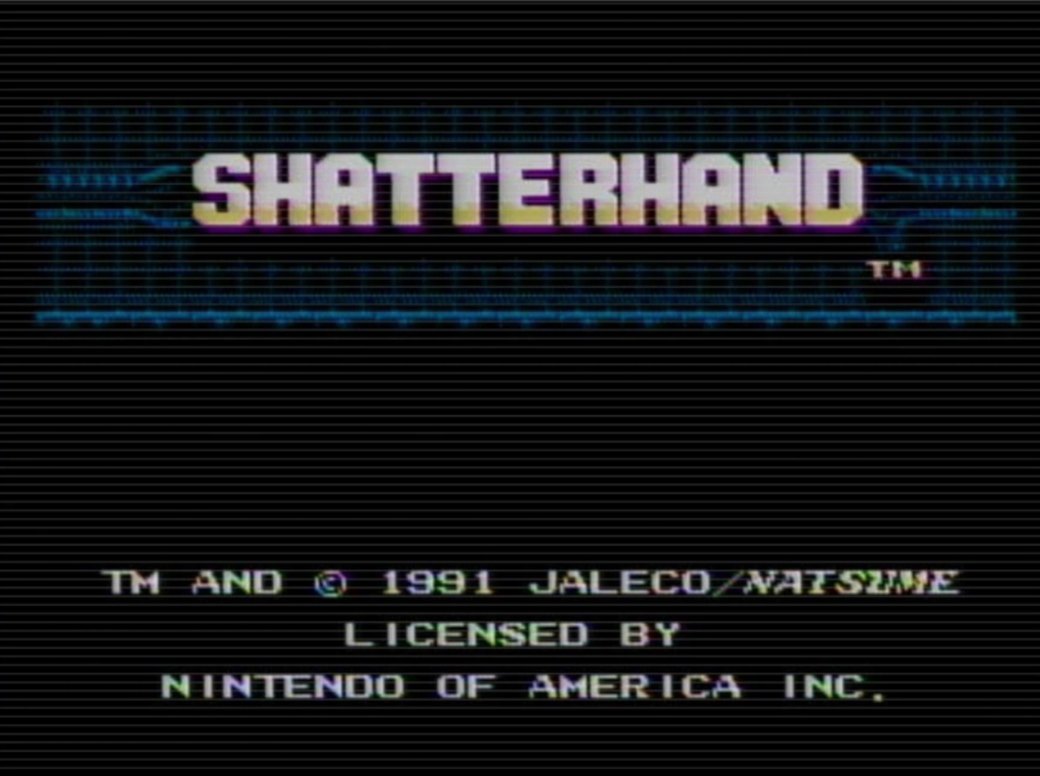
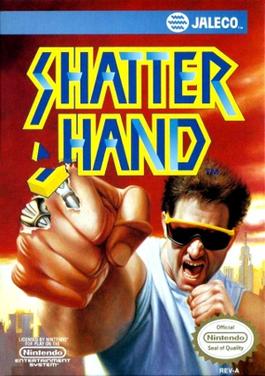
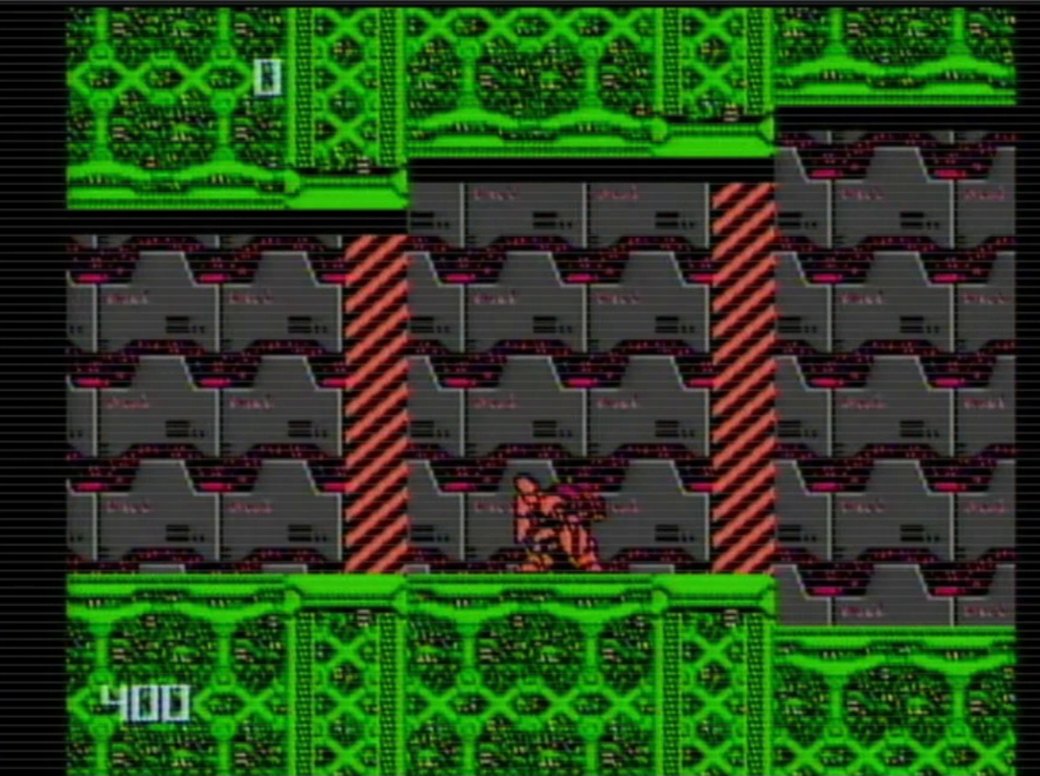
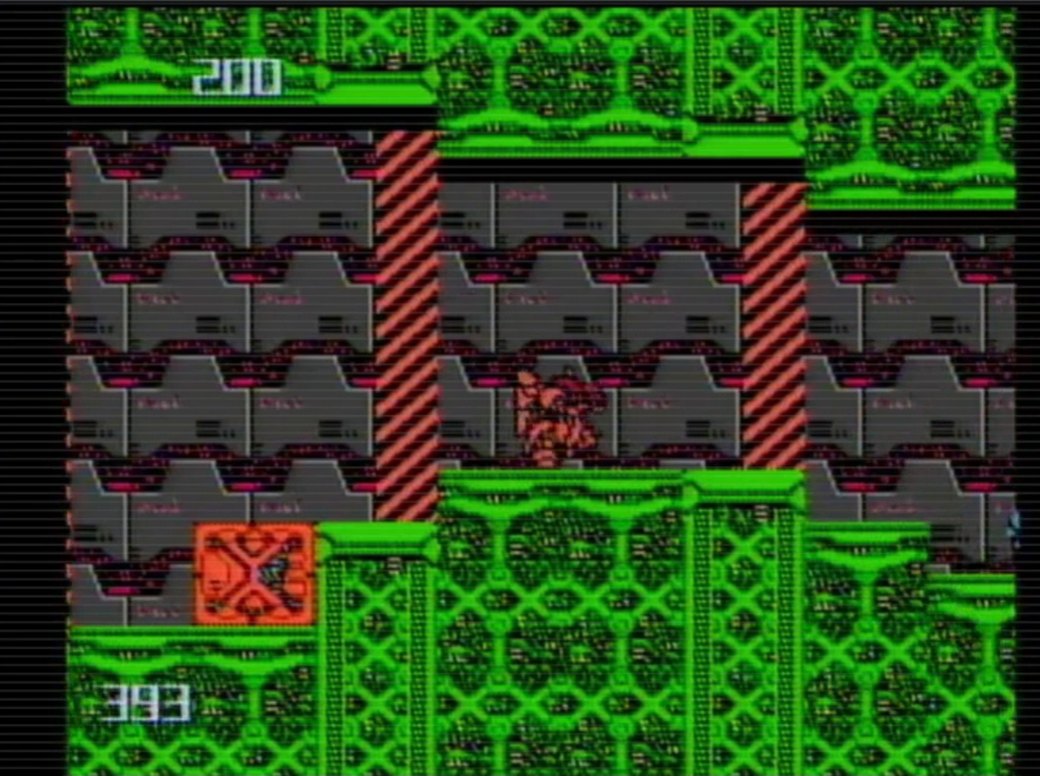
Natsume developed it and Jaleco published it in America in 1991. The hero fights with bionic fists and collects alpha and beta letters: three in the right combination summon a small satellite robot, and each combination gives it a different attack.
It is a well-paced action game with very detailed graphics for the console. At flea markets it tends to go unnoticed next to more famous titles.
Screenshots: Wisegrow team, on a tube TV · Box art: Imagen de ficha, Wikipedia


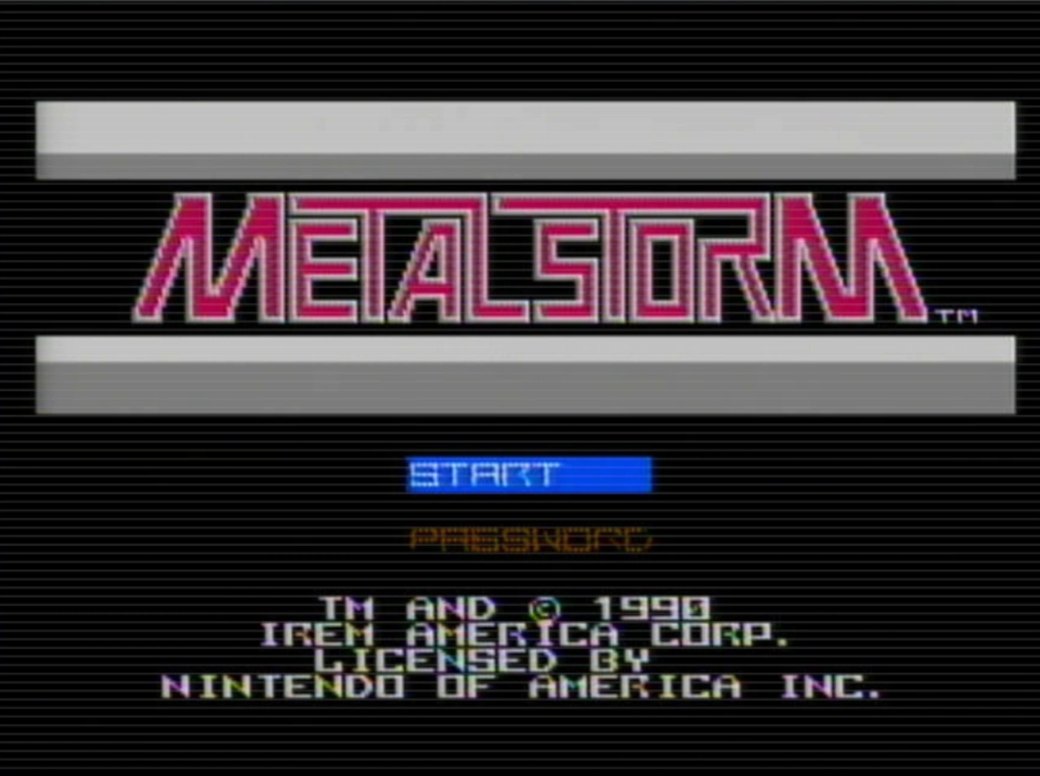
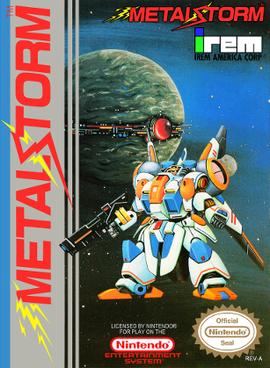
Irem, 1991. You pilot the M-308 Gunner, a robot that flips gravity at the press of a button: the ceiling becomes the floor and levels are solved by switching between them. It is short, with few stages, but each one makes you master that mechanic.
Today it usually sells for more than the library average. Ask to try it before paying.
Screenshots: Wisegrow team, on a tube TV · Box art: Imagen de ficha, Wikipedia


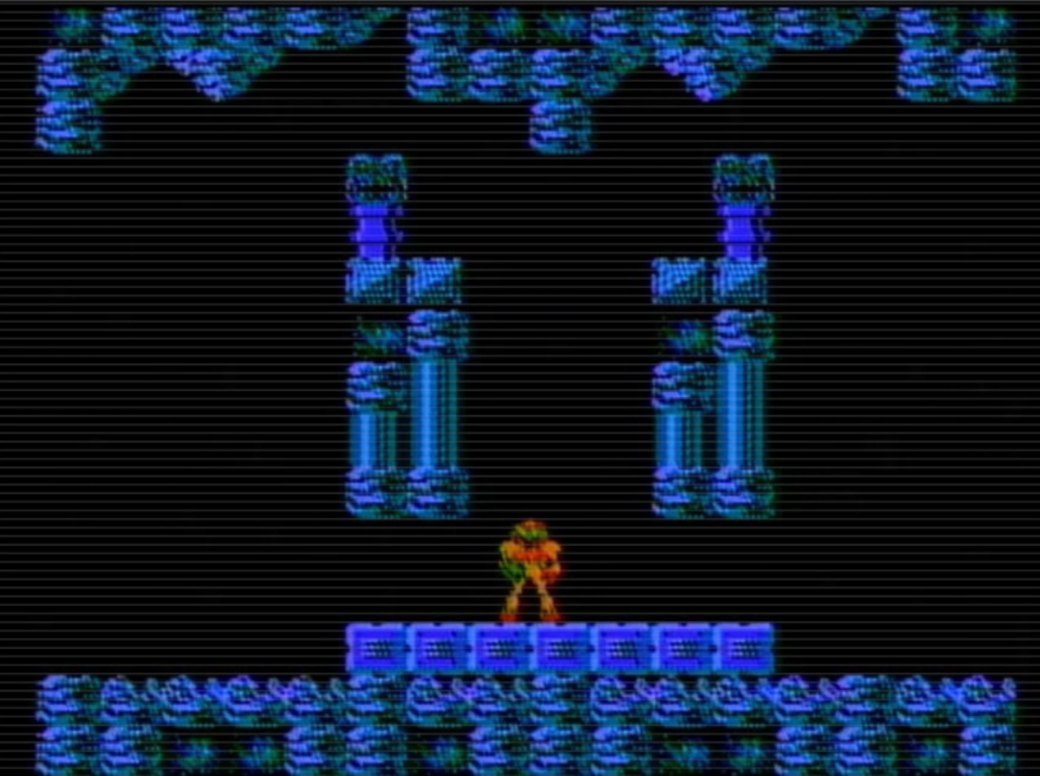
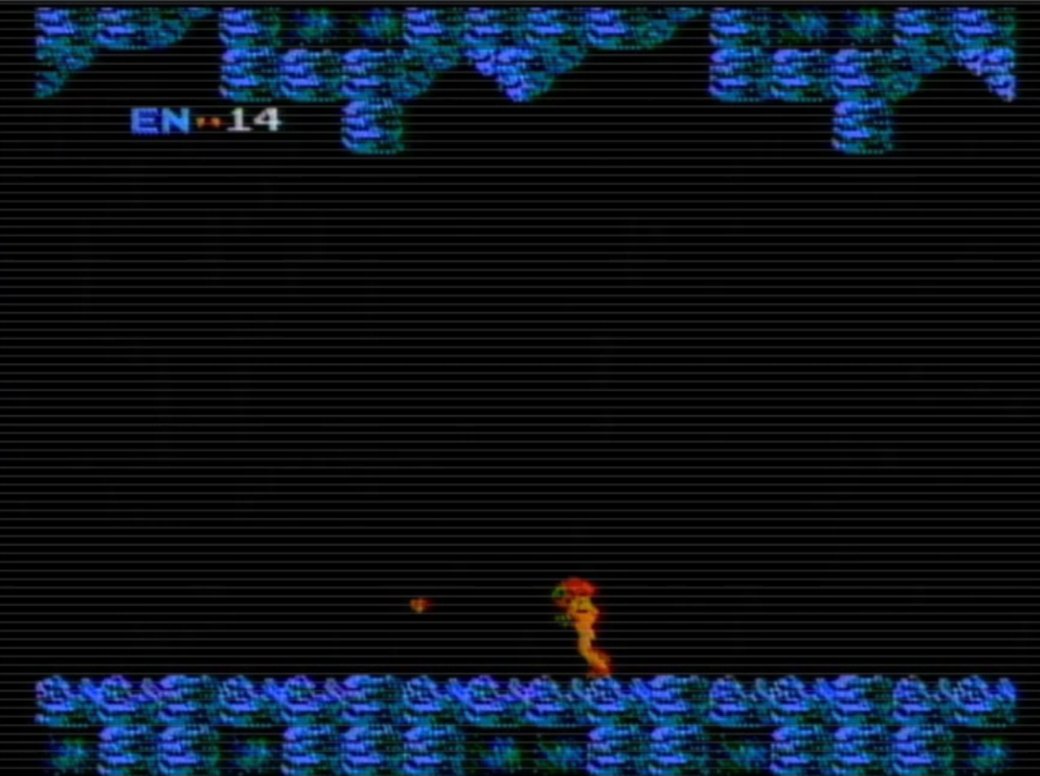
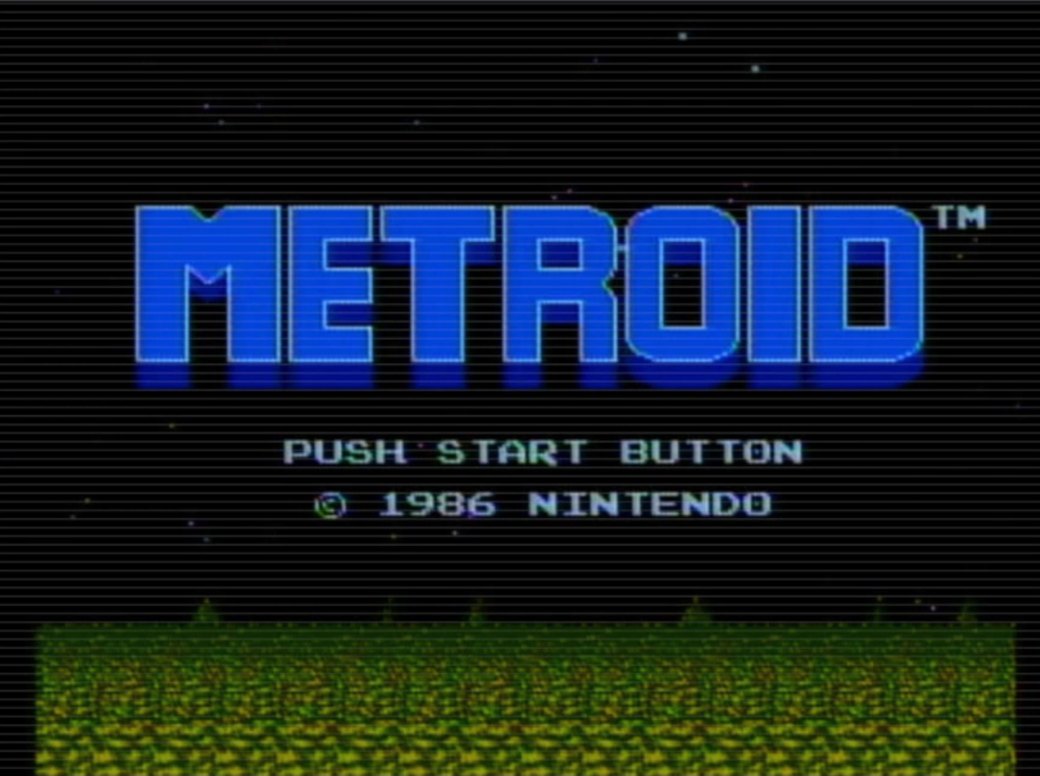
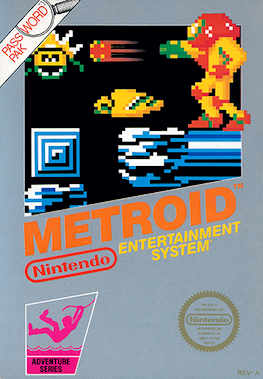
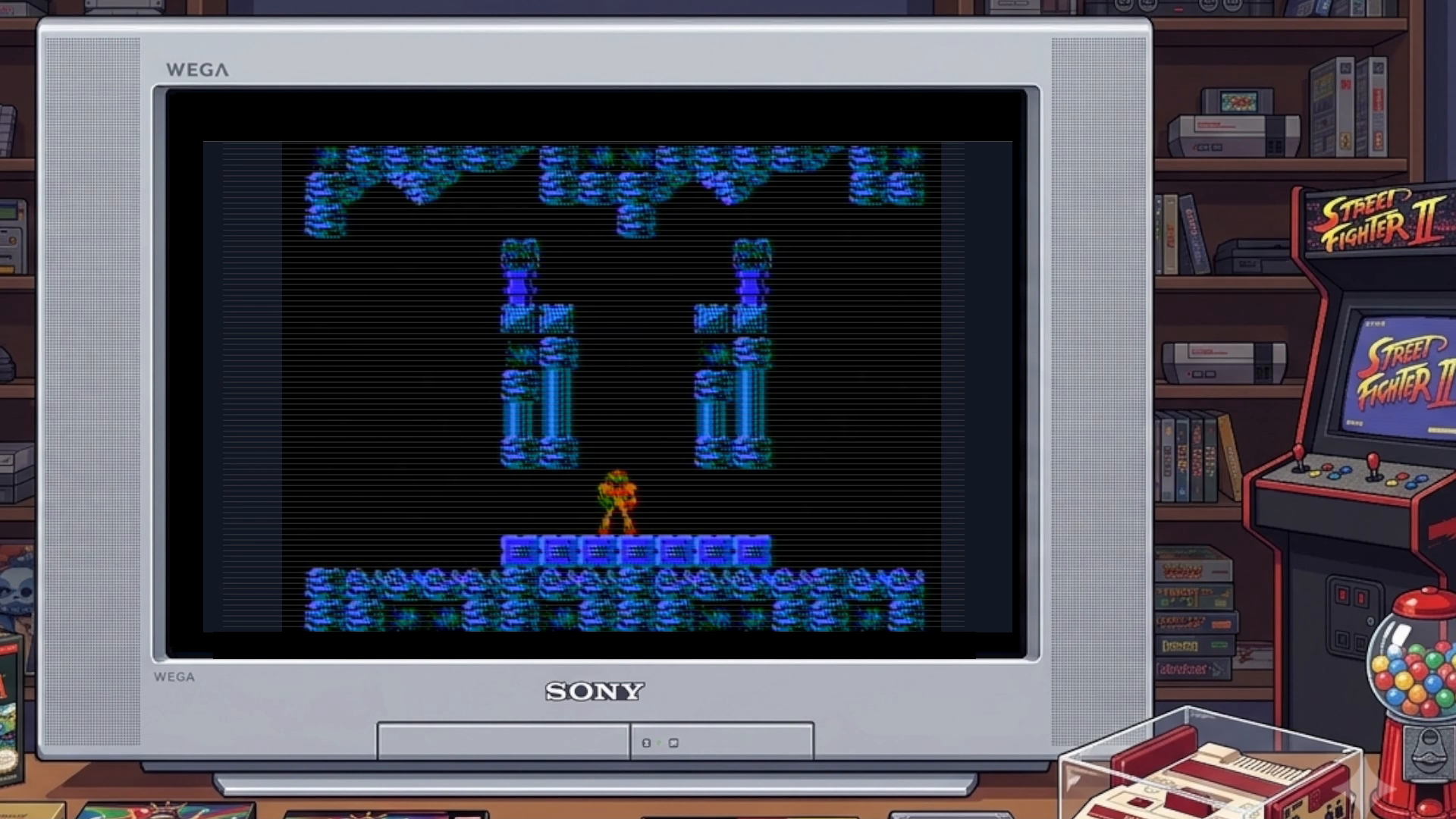
Nintendo R&D1 and Intelligent Systems released it in 1986 in Japan and 1987 in America. Samus Aran explores planet Zebes, and each upgrade, such as the morph ball, missiles or high-jump boots, opens areas that were out of reach. At the end the game reveals that Samus is a woman, something unusual in 1987.
The American version has no battery save: it uses 24-character passwords. Write them down carefully.
Screenshots: Wisegrow team, on a tube TV · Box art: Fair use


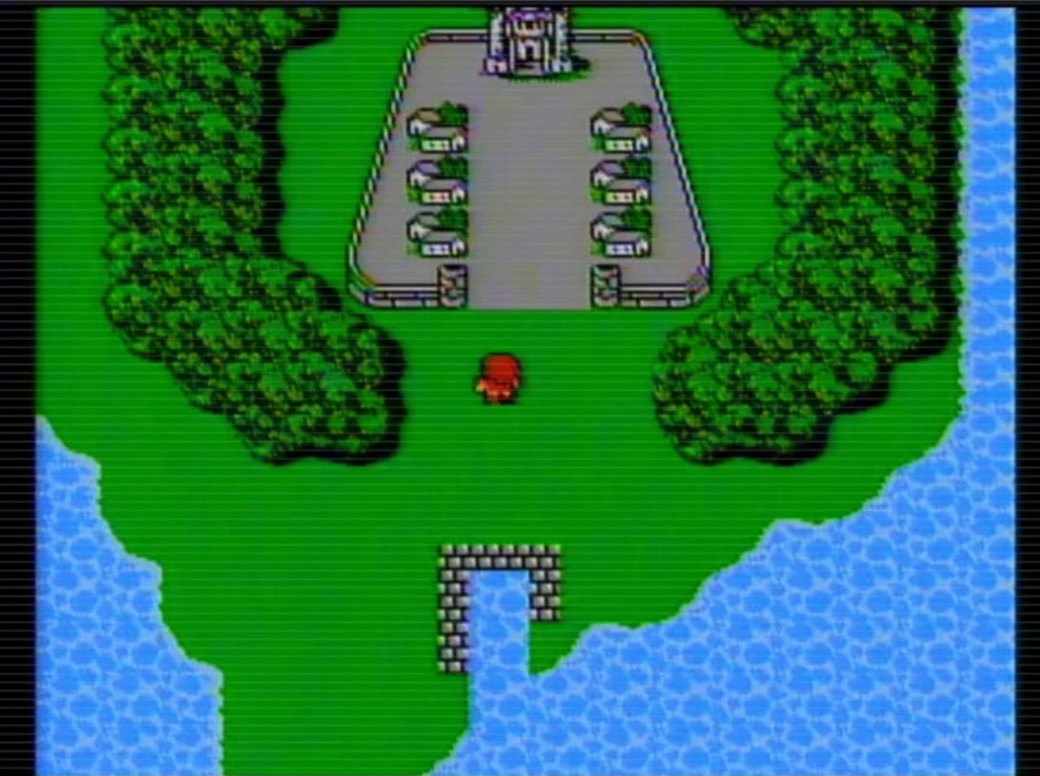
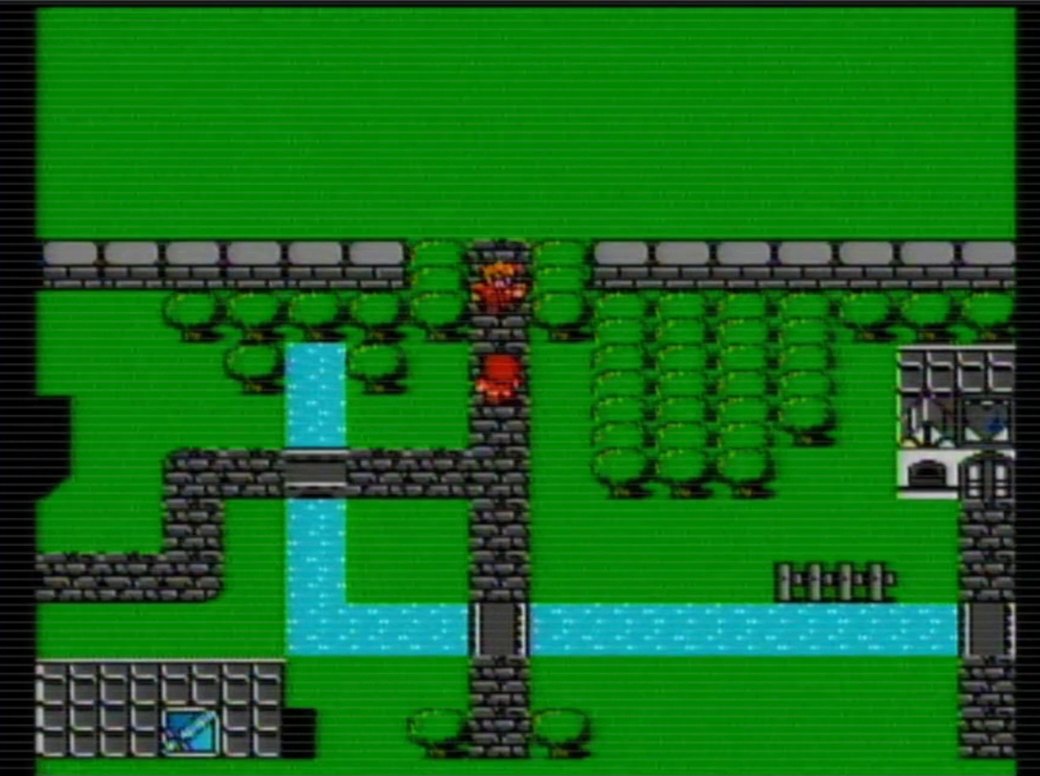
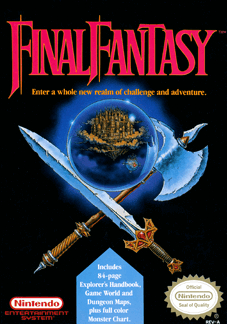
Square released it in Japan in 1987 and it reached America in 1990. You build a party of four from six jobs: fighter, thief, black belt and white, black and red mages. That choice shapes the whole game, and later on each character changes class.
It saves to battery. It is long and, back then, people played it with a notebook beside them to jot down clues.
Screenshots: Wisegrow team, on a tube TV · Box art: Imagen de ficha, Wikipedia


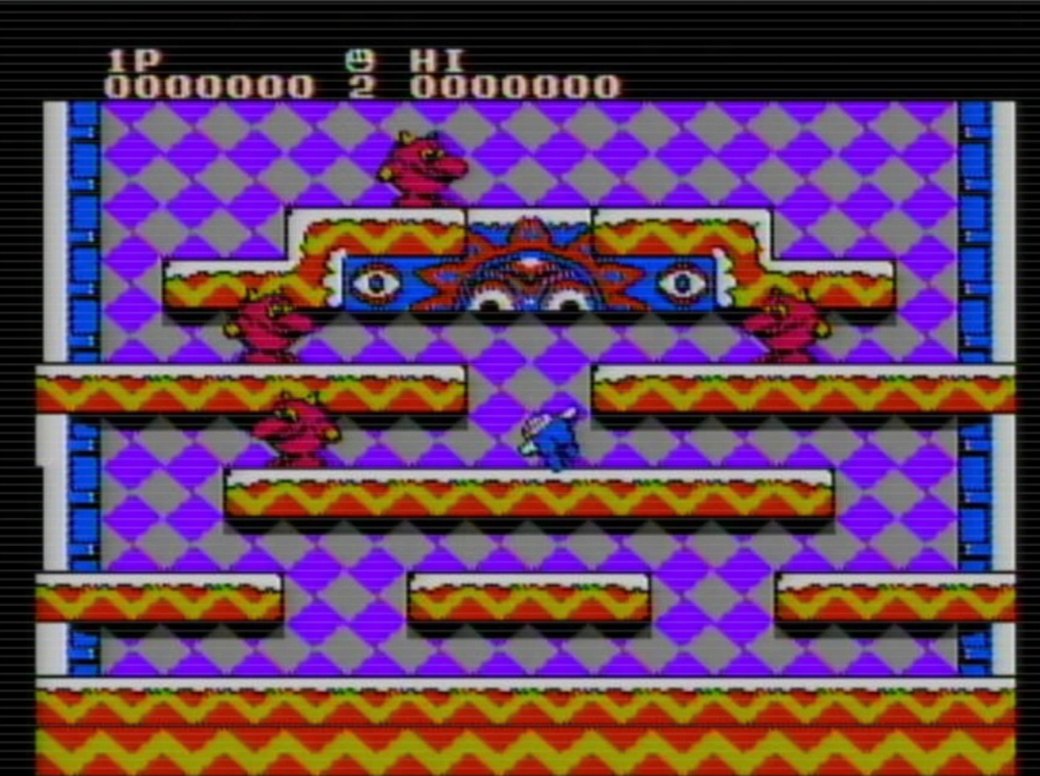
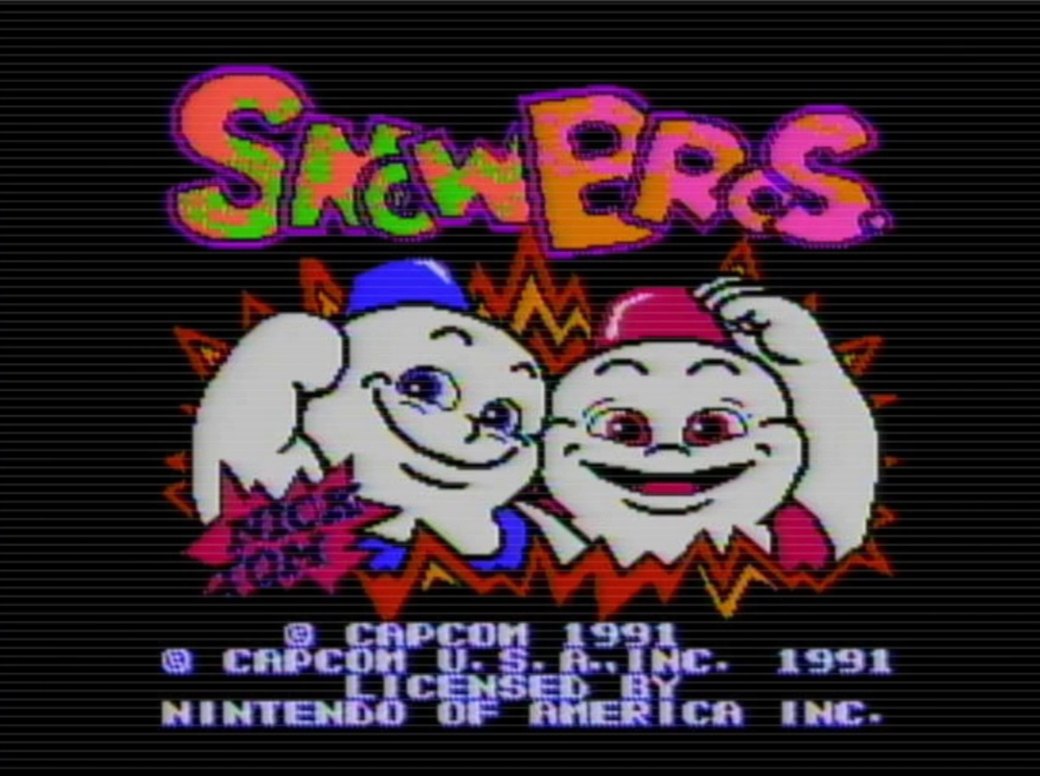
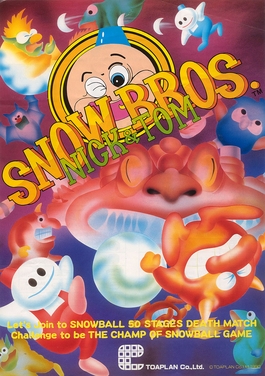
Toaplan's arcade game dates from 1990. Soft House programmed the NES version and Capcom published it in America in November 1991. Nick and Tom cover enemies in snow and roll them like boulders that flatten everything in their path. There are fifty floors, with a boss every ten.
Two can play at once, and you can pick it up without reading the manual.
Screenshots: Wisegrow team, on a tube TV · Box art: Imagen de ficha, Wikipedia


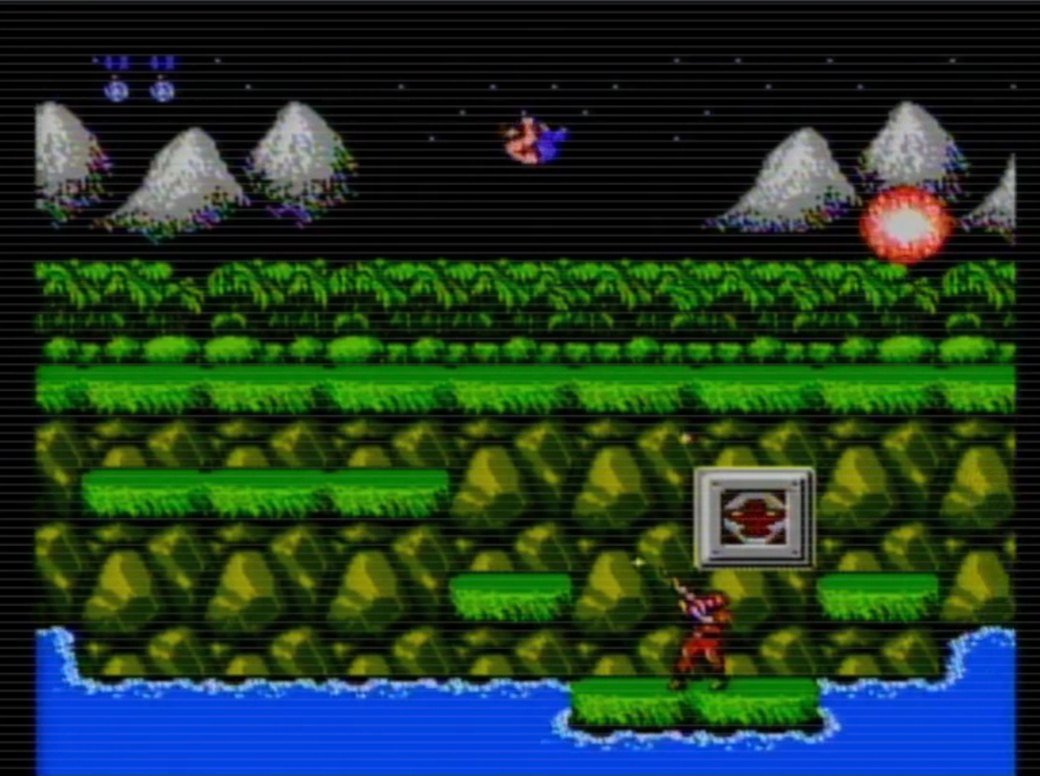
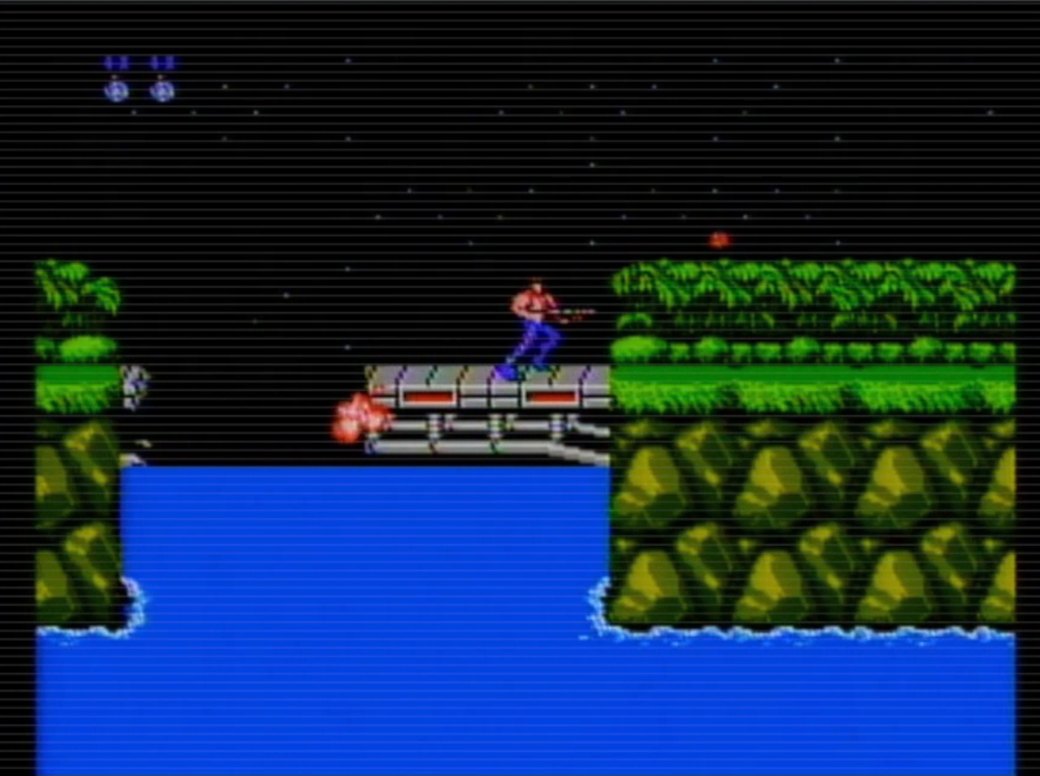
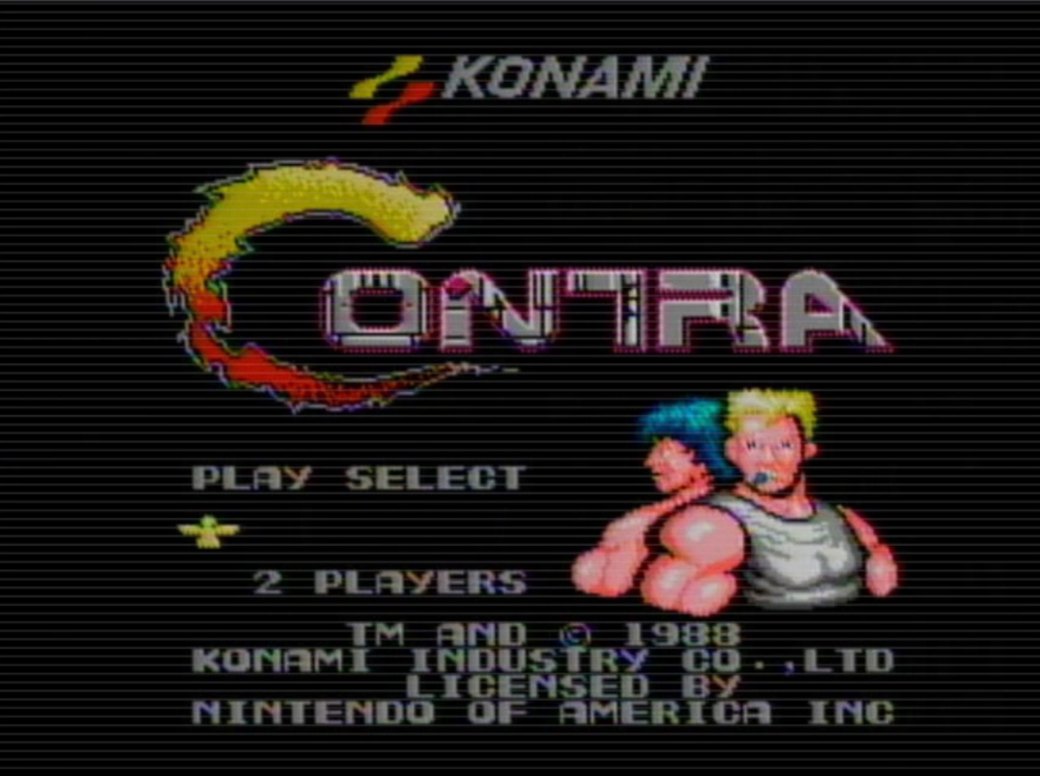
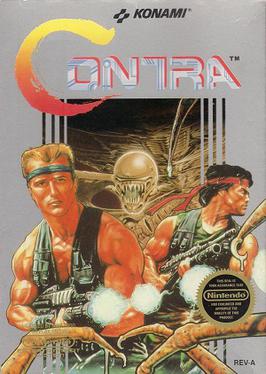
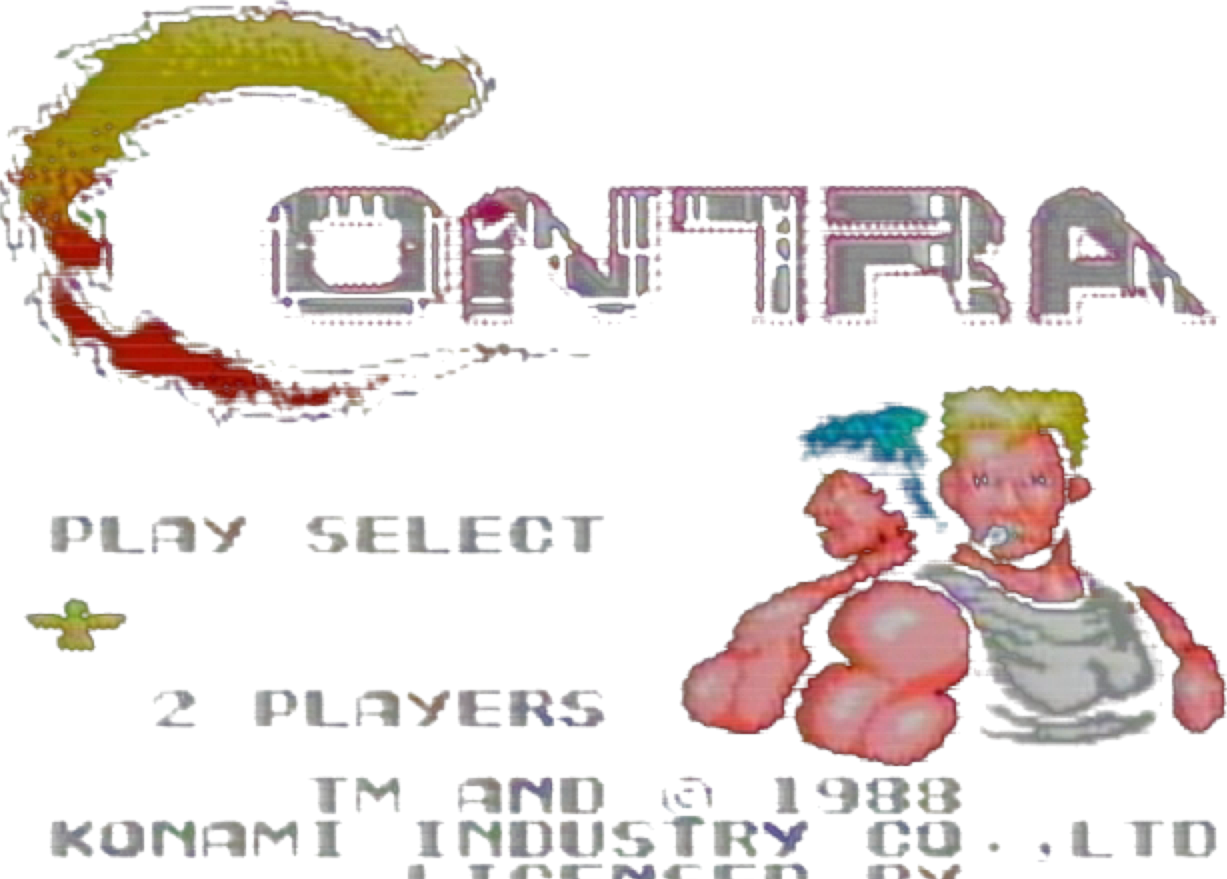
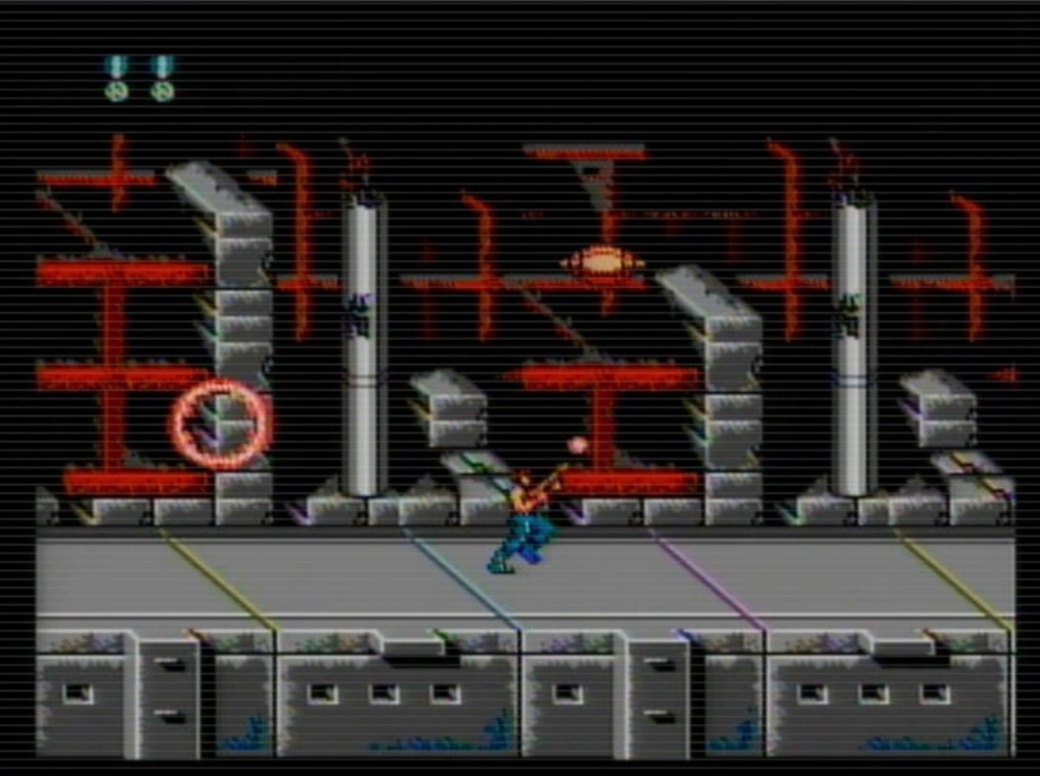
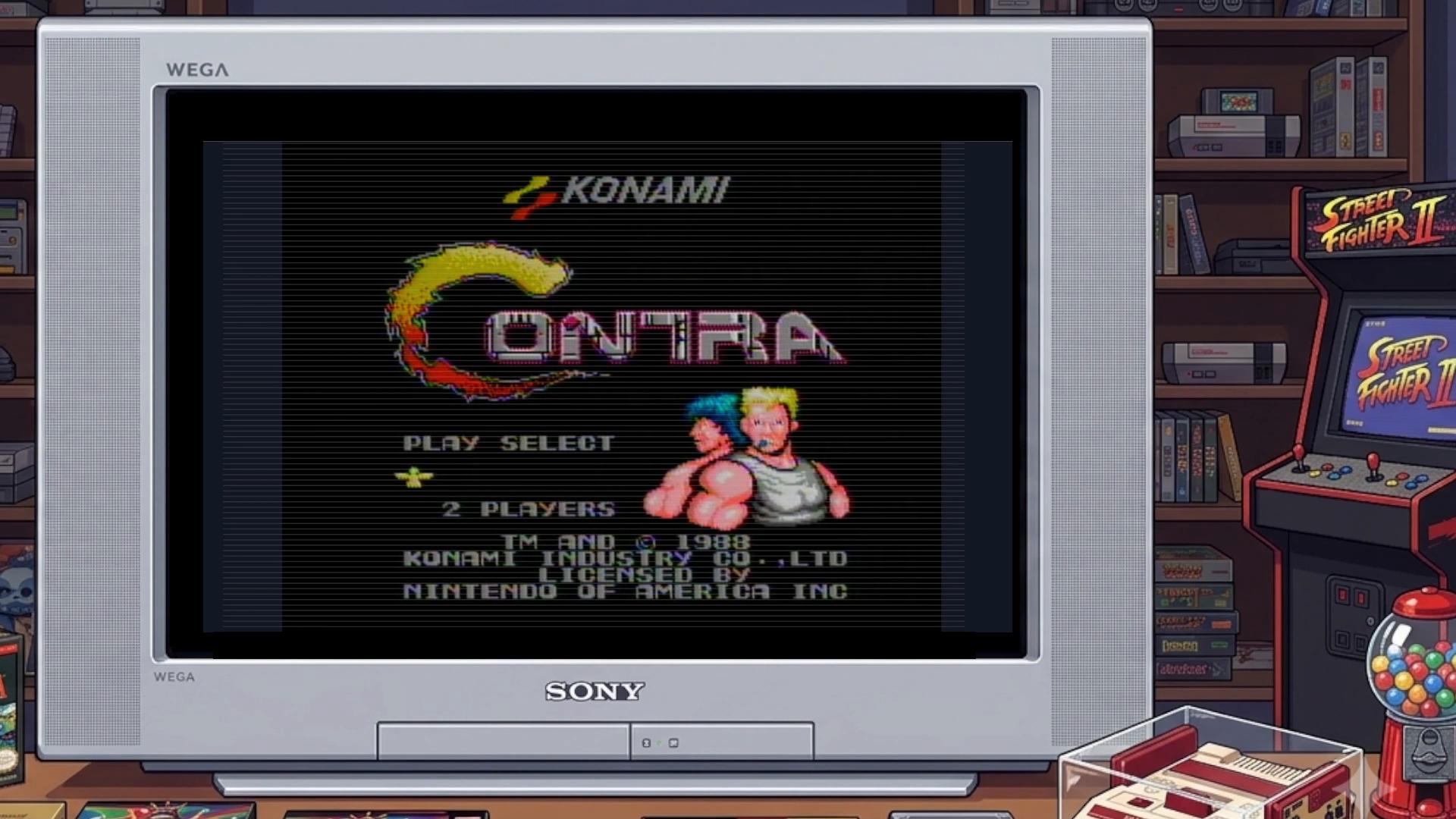
Konami, 1988. Bill and Lance cross the jungle and the enemy base with weapons that change depending on the letter they pick up; the spread-firing S is the favorite. In two-player mode they share the screen, and whoever runs out of lives can borrow one from their partner.
It is one of the games that made the Konami code famous. The sequence is in the Tricks section.
Screenshots: Wisegrow team, on a tube TV · Box art: Imagen de ficha, Wikipedia


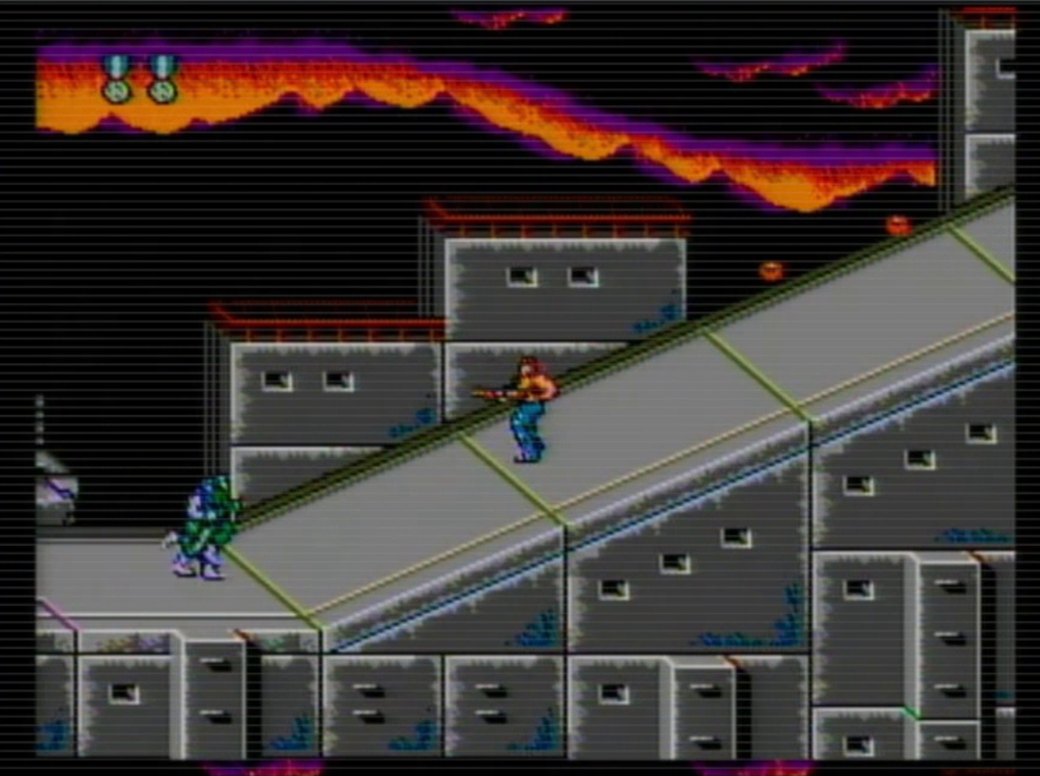
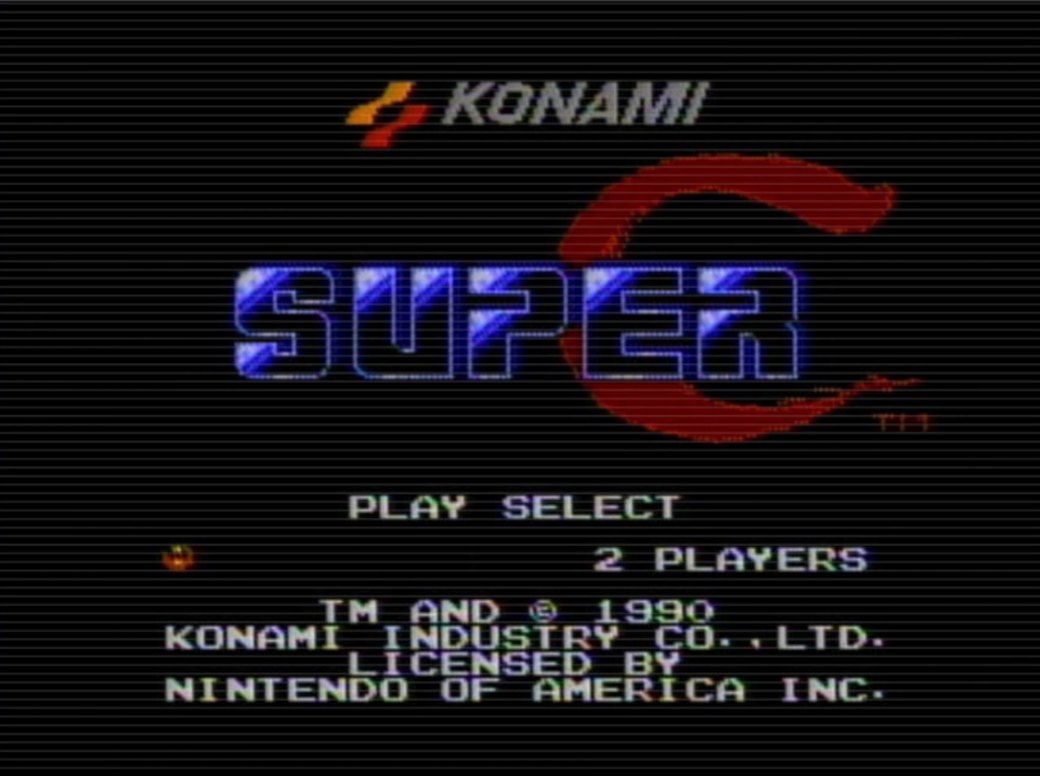
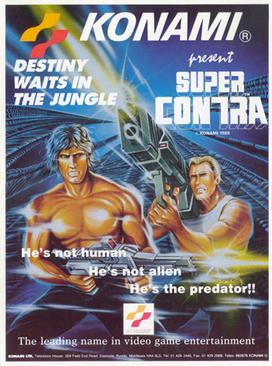
Contra's NES sequel came out in 1990 and adapts the Super Contra arcade game, with stages reworked for the console. Co-op and letter-based weapons return, and side-view levels alternate with top-down ones.
If Contra no longer challenges you, this is the next step.
Screenshots: Wisegrow team, on a tube TV · Box art: Fair use


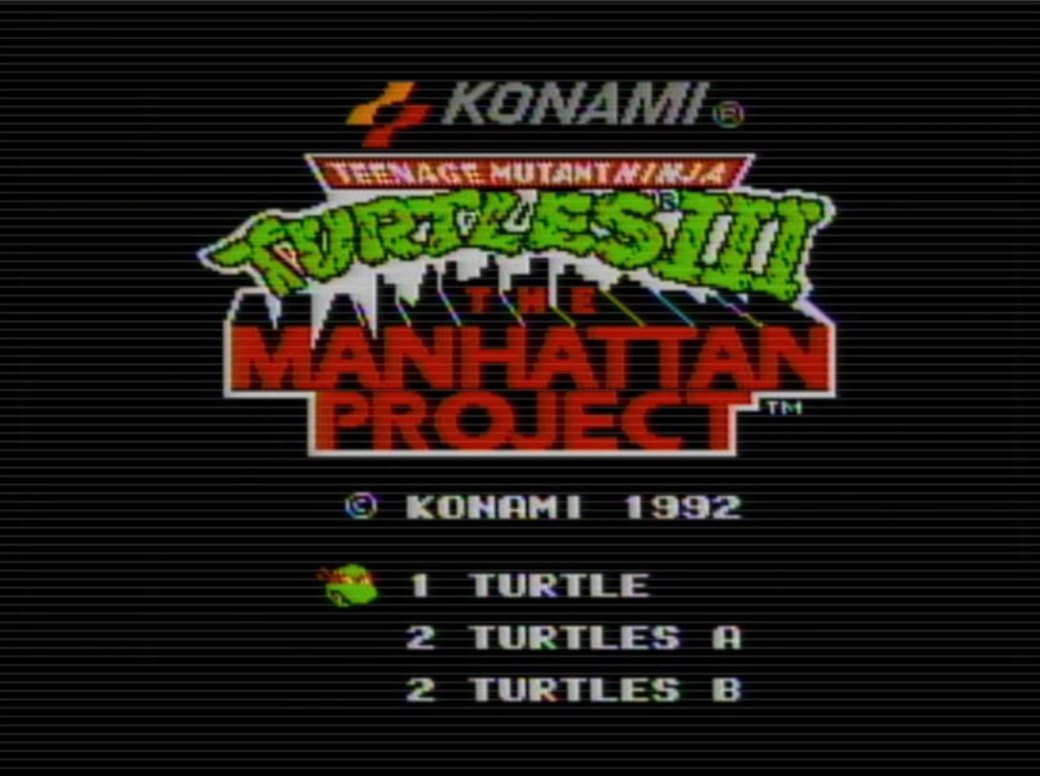
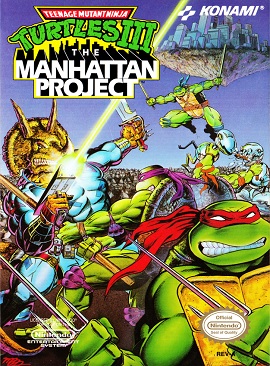
Konami released it in Japan in 1991 and in America in February 1992. Unlike its predecessor, it was made for the NES with no arcade original: Shredder has lifted Manhattan into the sky and the Turtles must cross the island to bring it down. Each turtle has a special attack that costs health.
It is the most polished of the three Turtles games on the console and also the least known.
Screenshots: Wisegrow team, on a tube TV · Box art: Imagen de ficha, Wikipedia


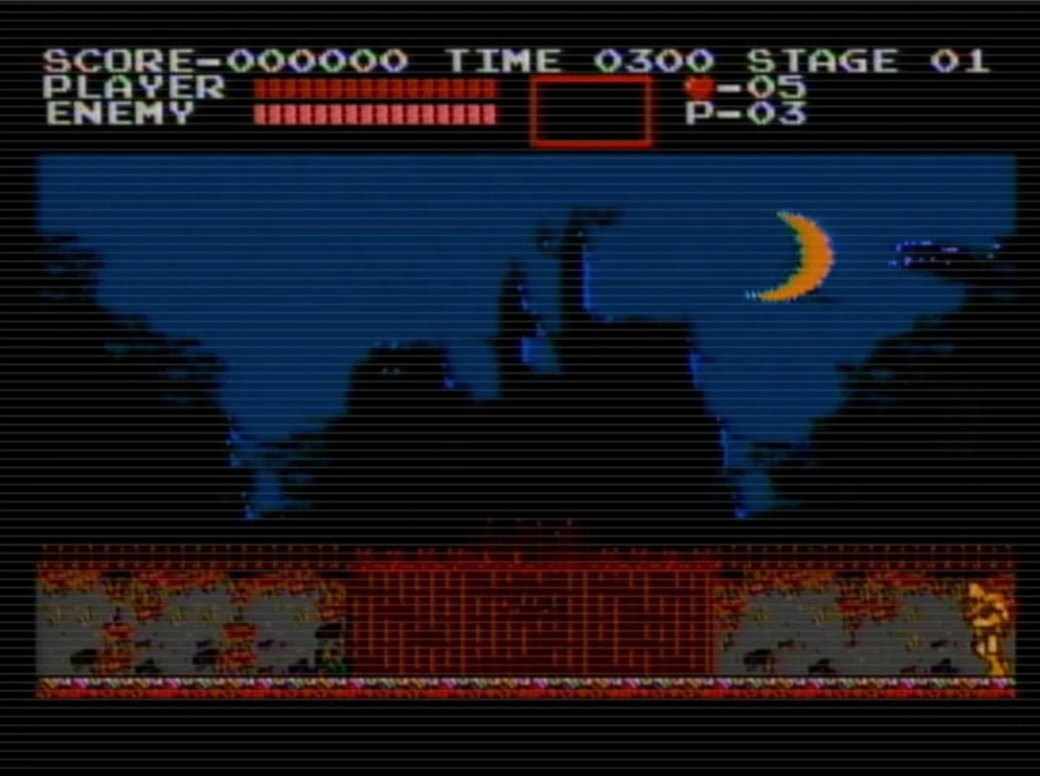
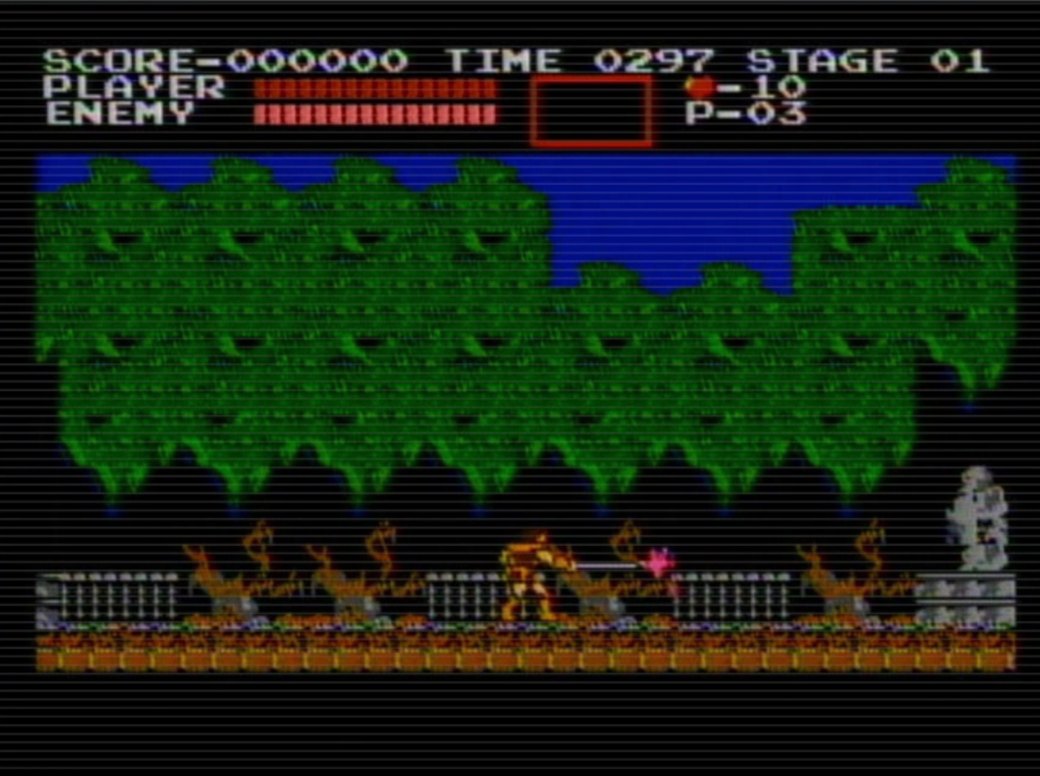
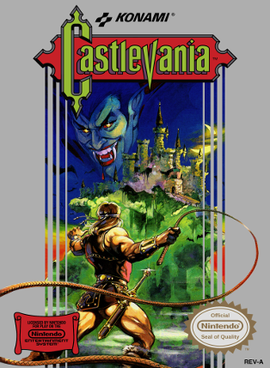
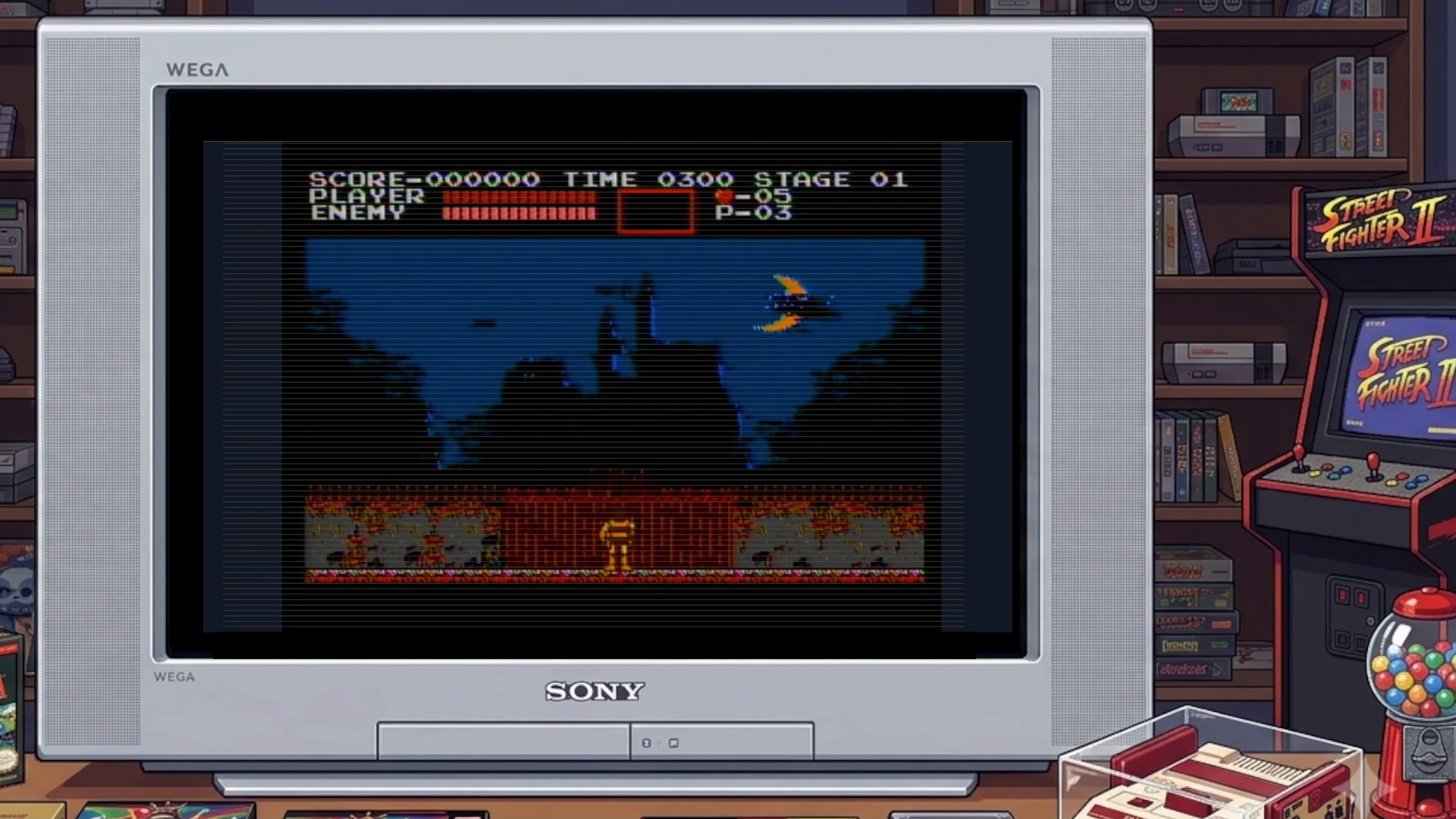
Konami, 1986 on the Famicom Disk System and 1987 on cartridge in America. Simon Belmont enters Dracula's castle with a whip that upgrades as he goes and sub-weapons such as the axe, holy water and the stopwatch. Jumps cannot be corrected in mid-air, and much of the difficulty comes from that.
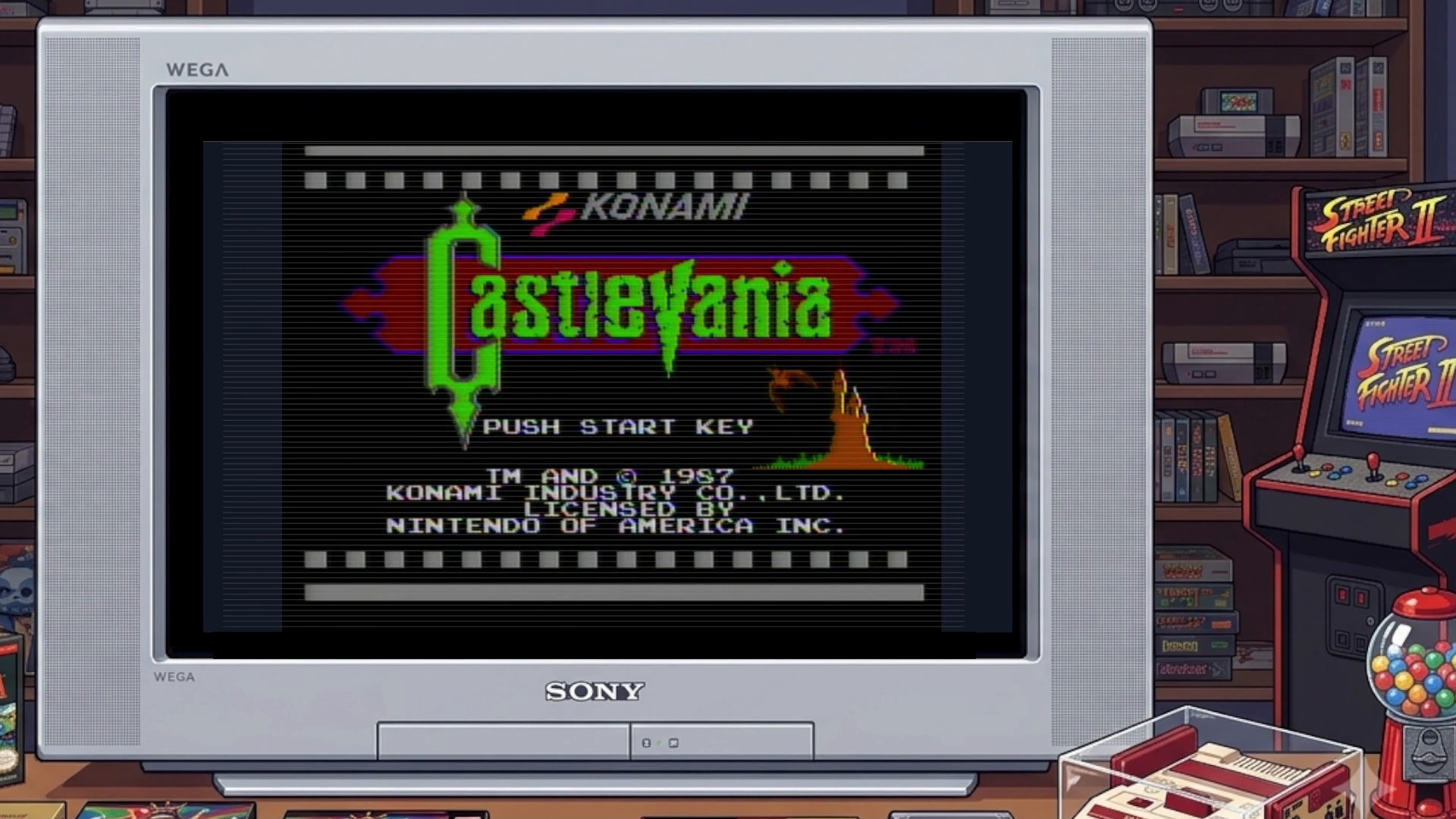
Its six blocks end in bosses lifted from classic horror films, from Medusa to Frankenstein's monster. In this issue's Halloween night, it is the game that opens the session.
Screenshots: Wisegrow team, on a tube TV · Box art: Imagen de ficha, Wikipedia


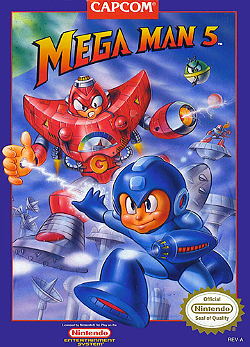
Capcom, 1992. Proto Man is the suspect in Dr. Light's kidnapping, and Mega Man fights through eight strongholds with a stronger charged shot and the help of Beat, a robot bird earned by collecting letters hidden in each level.
It came out when the Super Nintendo already dominated store shelves, so it circulated less than Mega Man 2 or 3.
Screenshots: Wisegrow team, on a tube TV · Box art: Imagen de ficha, Wikipedia


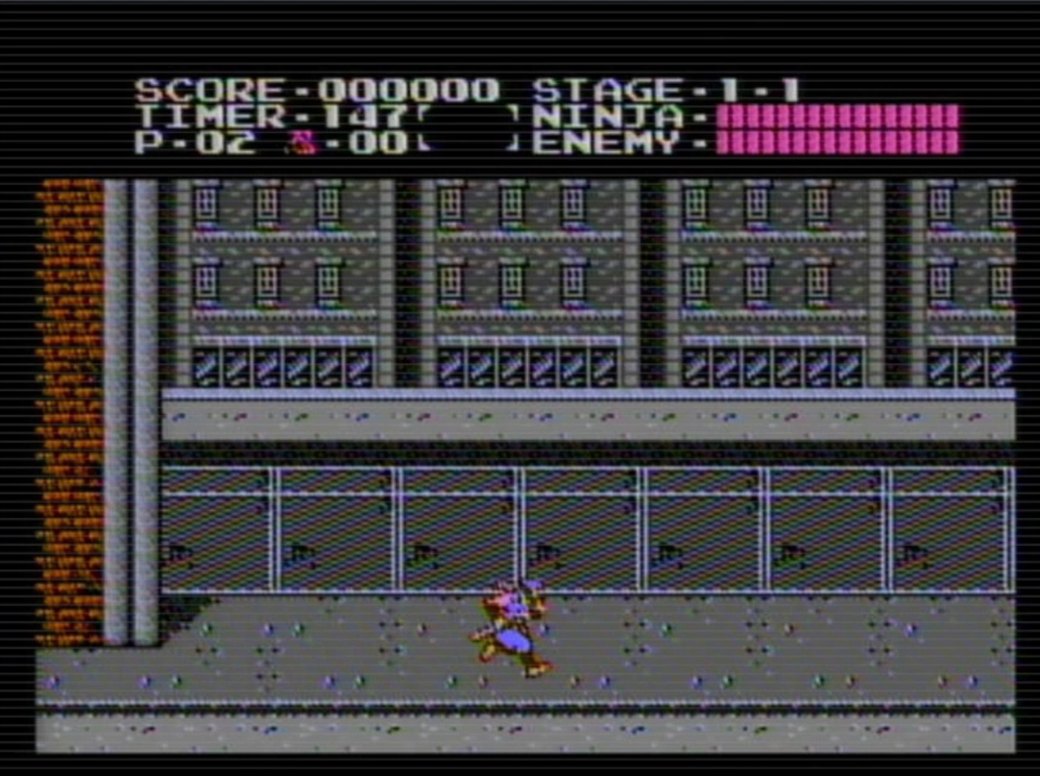
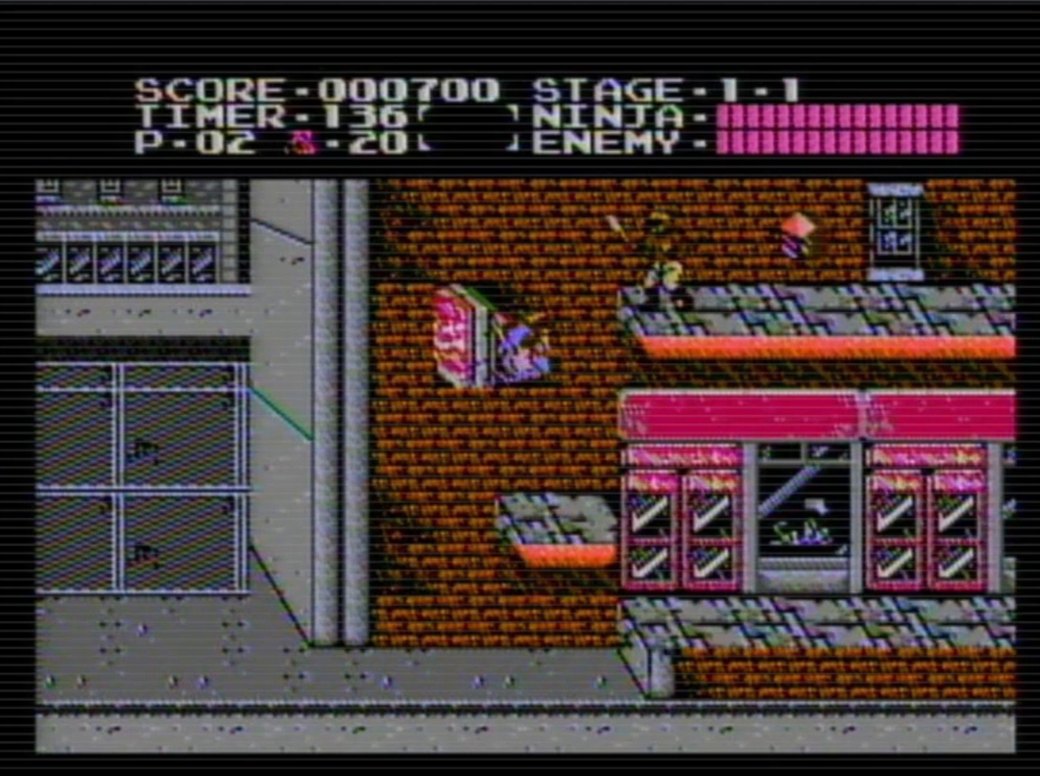
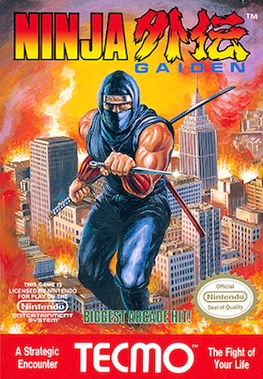
Tecmo, 1988 in Japan and 1989 in America. Ryu Hayabusa clings to walls, jumps between them and strikes with his sword while birds and enemies knock him into pits at the worst moment. Between levels the game tells its story with cinematic scenes, something very rare on the console at the time.
Lose to the final bosses and you replay the last levels in full. Arrive well rested.
Screenshots: Wisegrow team, on a tube TV · Box art: Imagen de ficha, Wikipedia


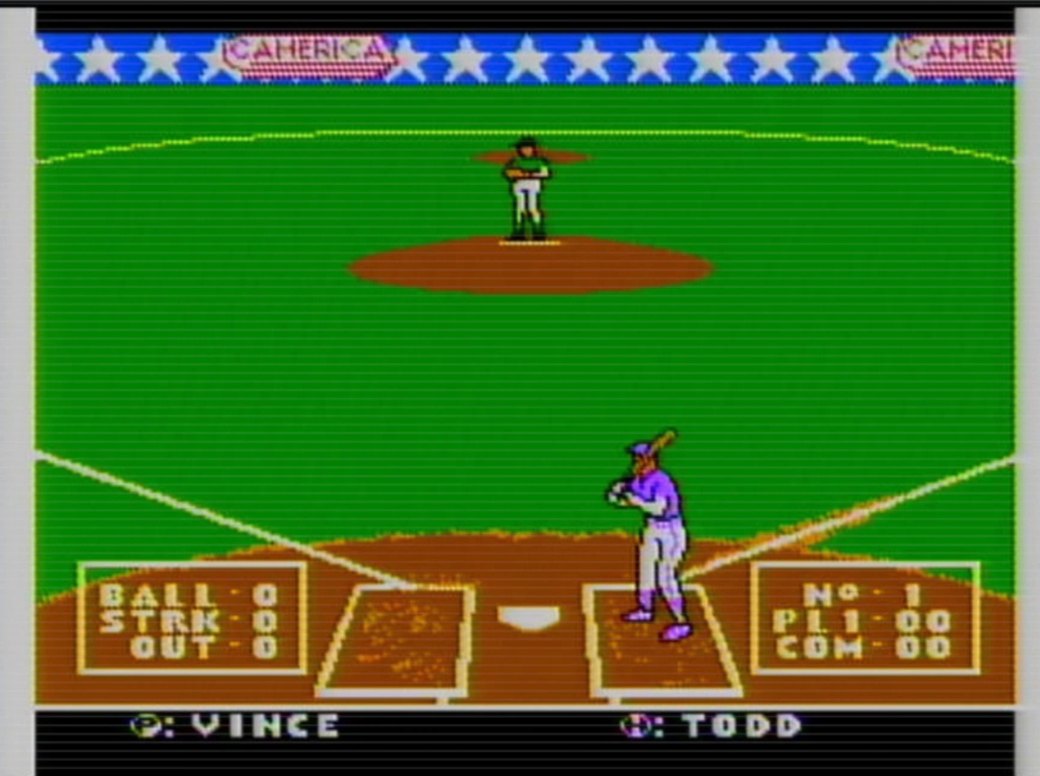
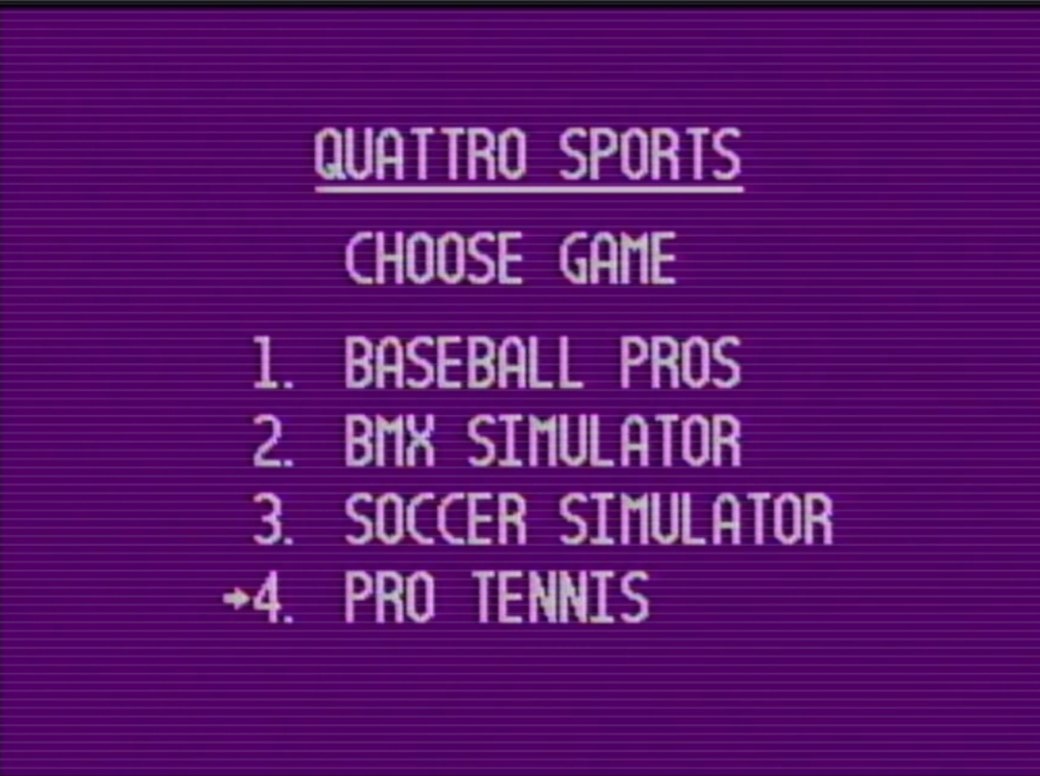
Codemasters bundled four games on one cartridge: Baseball Pros, Tennis Simulator, Soccer Simulator and BMX Simulator. Camerica published it, without a Nintendo license, as part of its Quattro series.
None is the best of its sport on the console, but together they work for quick two-player sessions.
Screenshots: Wisegrow team, on a tube TV · Box art: Imagen de ficha, Wikipedia


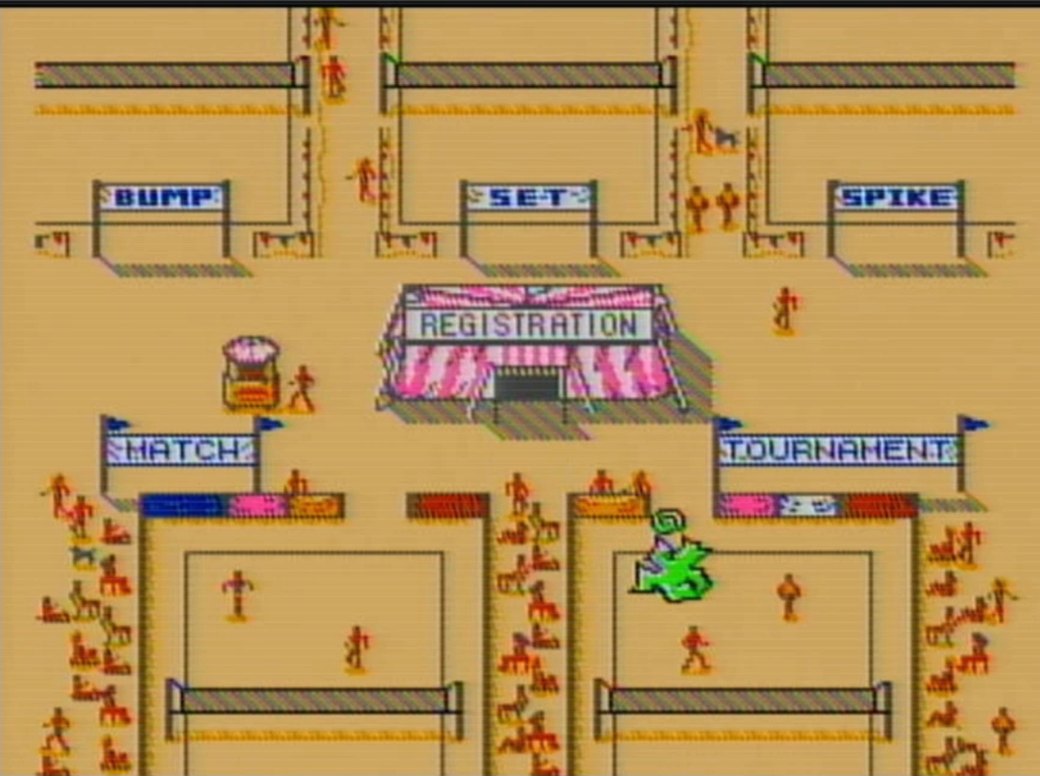
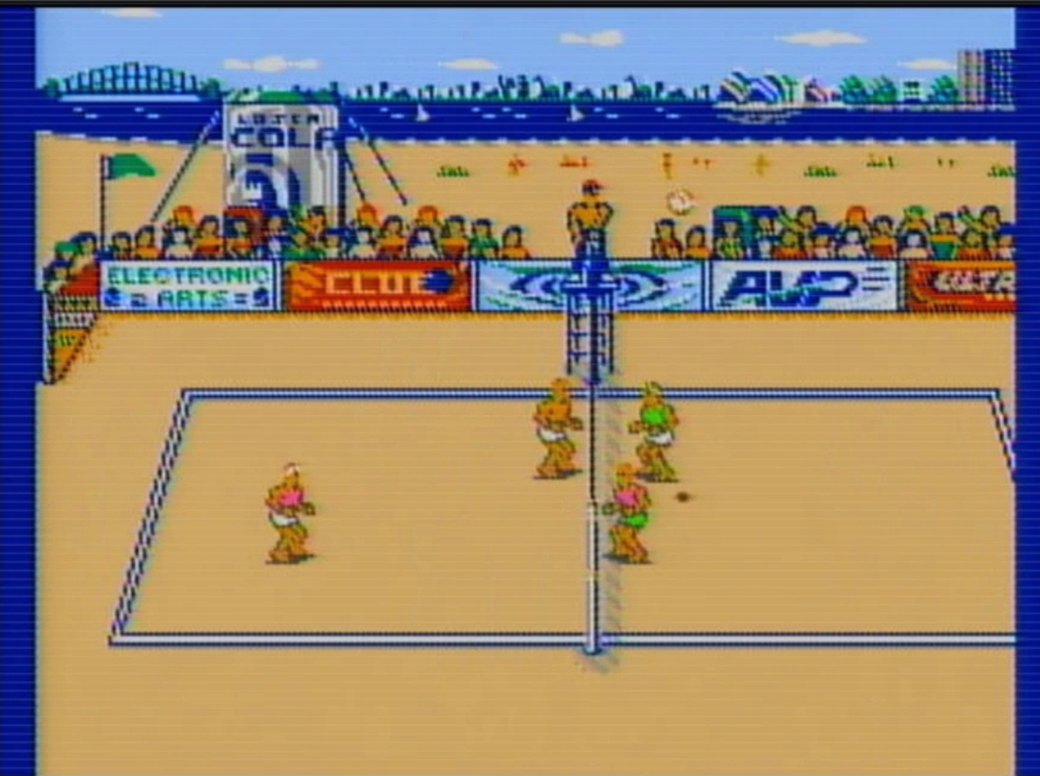
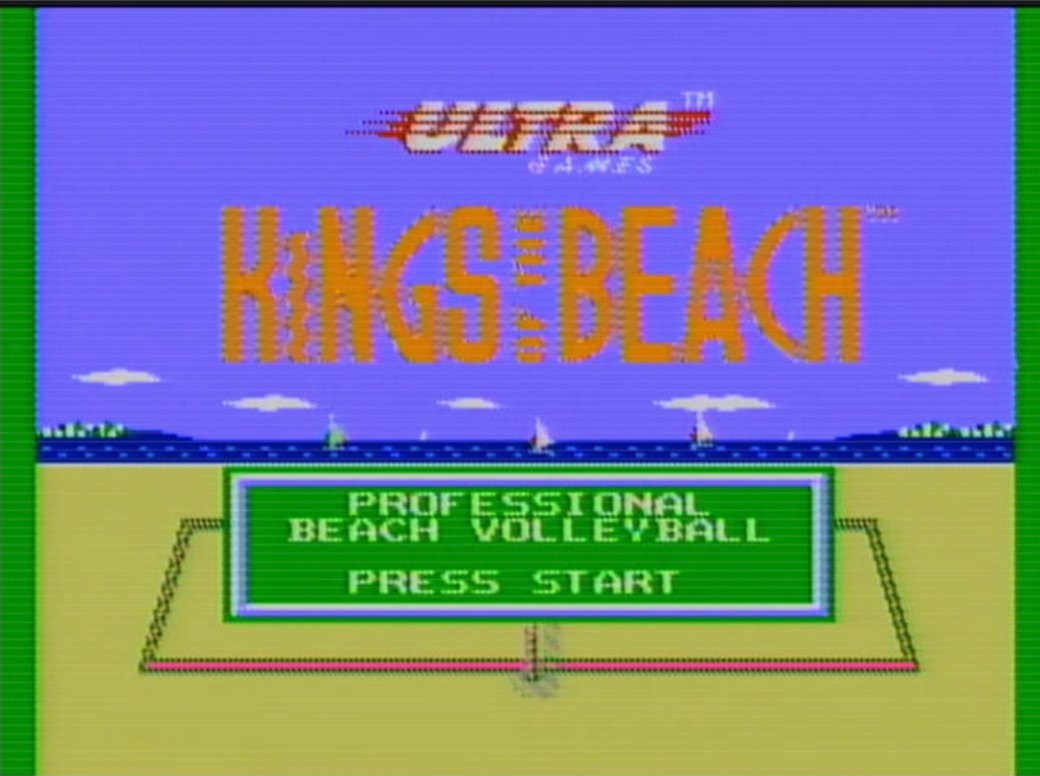
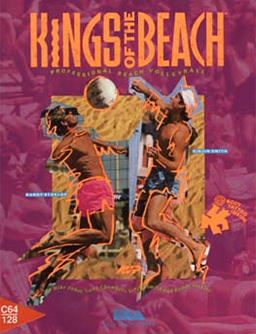
Konami published it in 1990, based on the game EA had released in 1988. Two-on-two beach volleyball starring Sinjin Smith and Randy Stoklos, two of the best-known pro players of the time.
You learn the controls in one match. Two-player mode is the best part of the cartridge.
Screenshots: Wisegrow team, on a tube TV · Box art: Imagen de ficha, Wikipedia


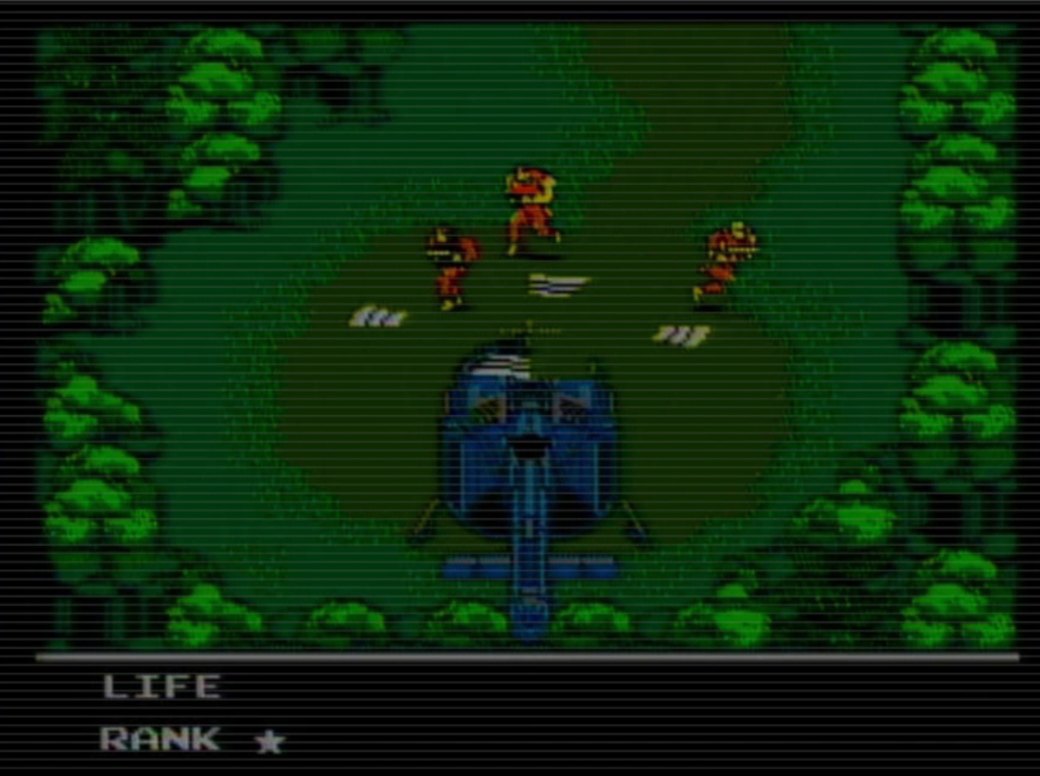
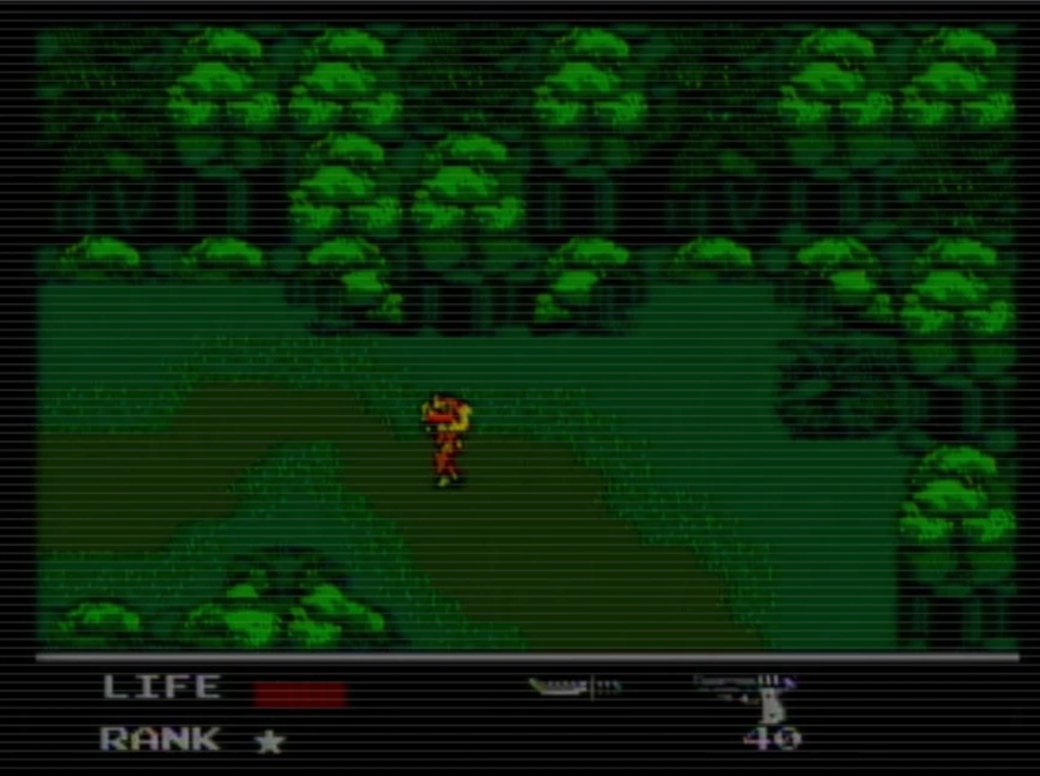
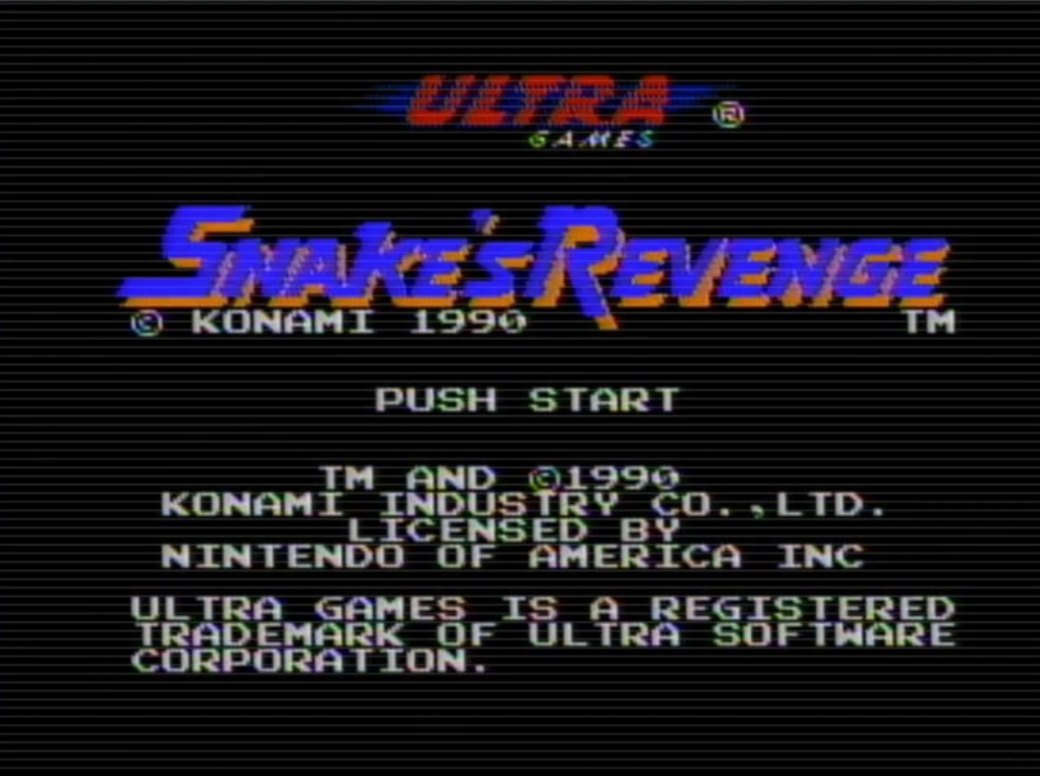
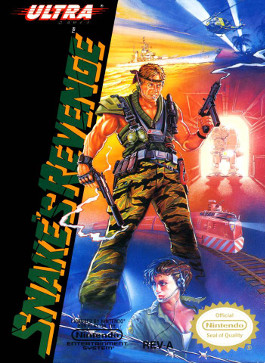
Konami, 1990. It is a Metal Gear sequel made for the West without Hideo Kojima, who answered the same year in Japan with his own Metal Gear 2: Solid Snake for MSX2. It mixes top-down infiltration with a few side-scrolling action sections.
It is worth it as a curiosity for anyone who has played the NES Metal Gear.
Screenshots: Wisegrow team, on a tube TV · Box art: Imagen de ficha, Wikipedia


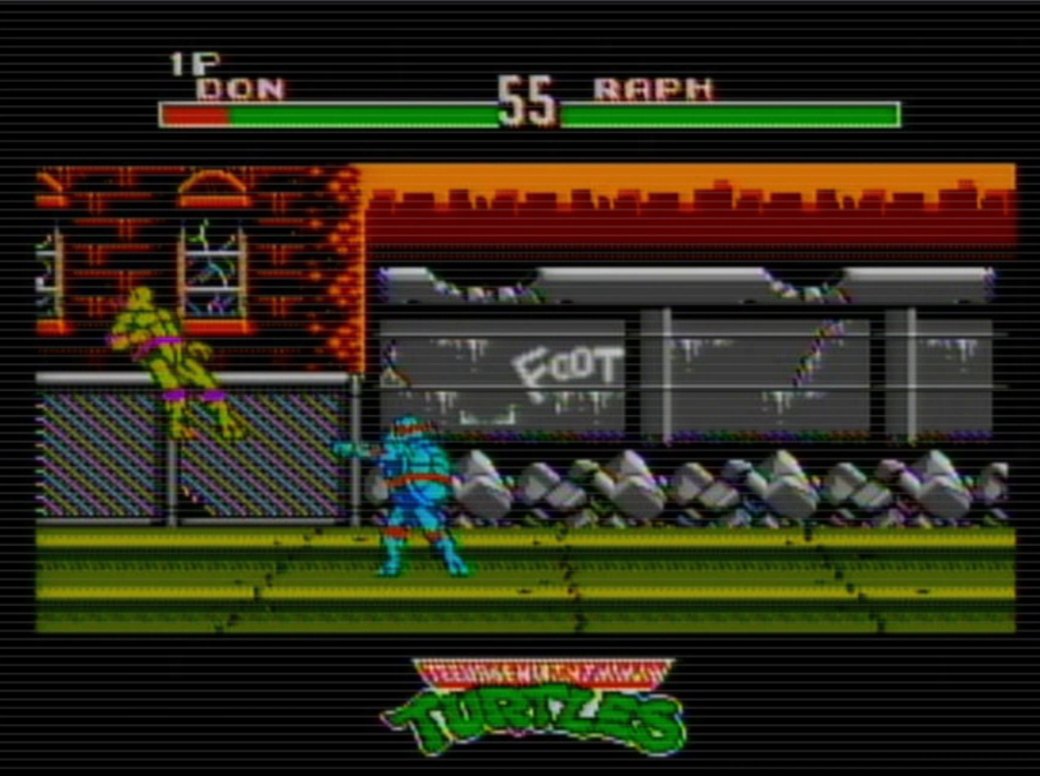
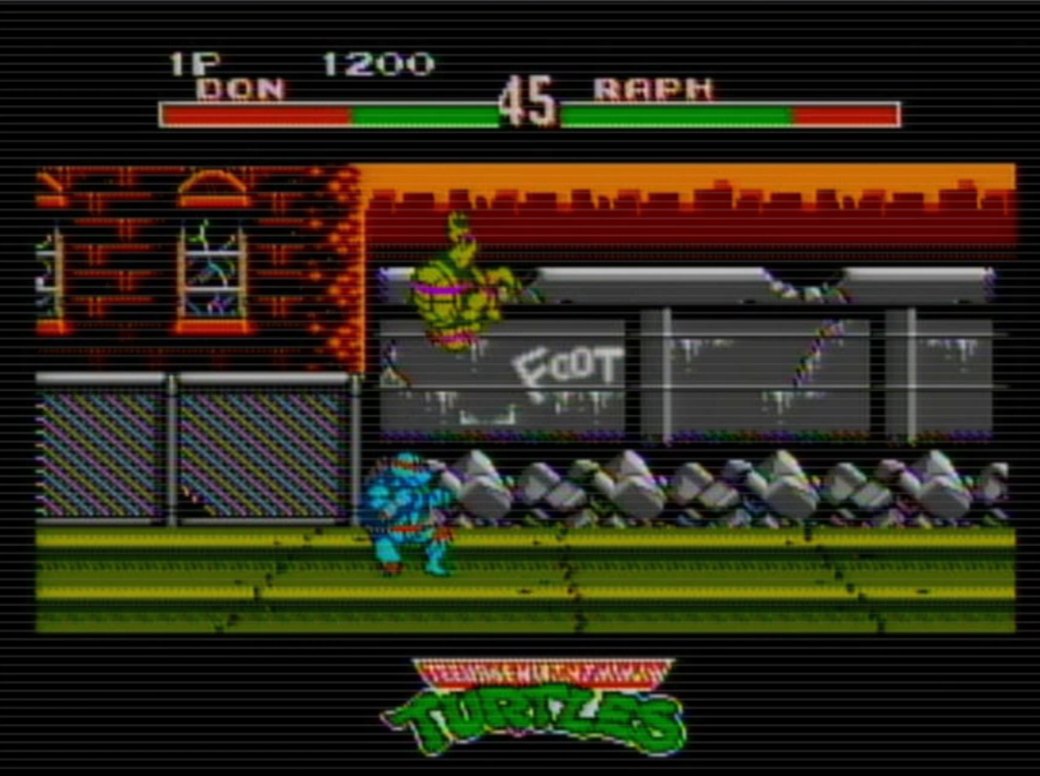
Konami released it in America in February 1994, when the NES was barely getting new games. It is a one-on-one fighter in the style of Street Fighter II, with special moves and a versus mode. It shares its name with the Super Nintendo and Mega Drive versions, but each one is a different game.
It was one of Konami's last releases for the console.
Screenshots: Wisegrow team, on a tube TV · Box art: Fair use


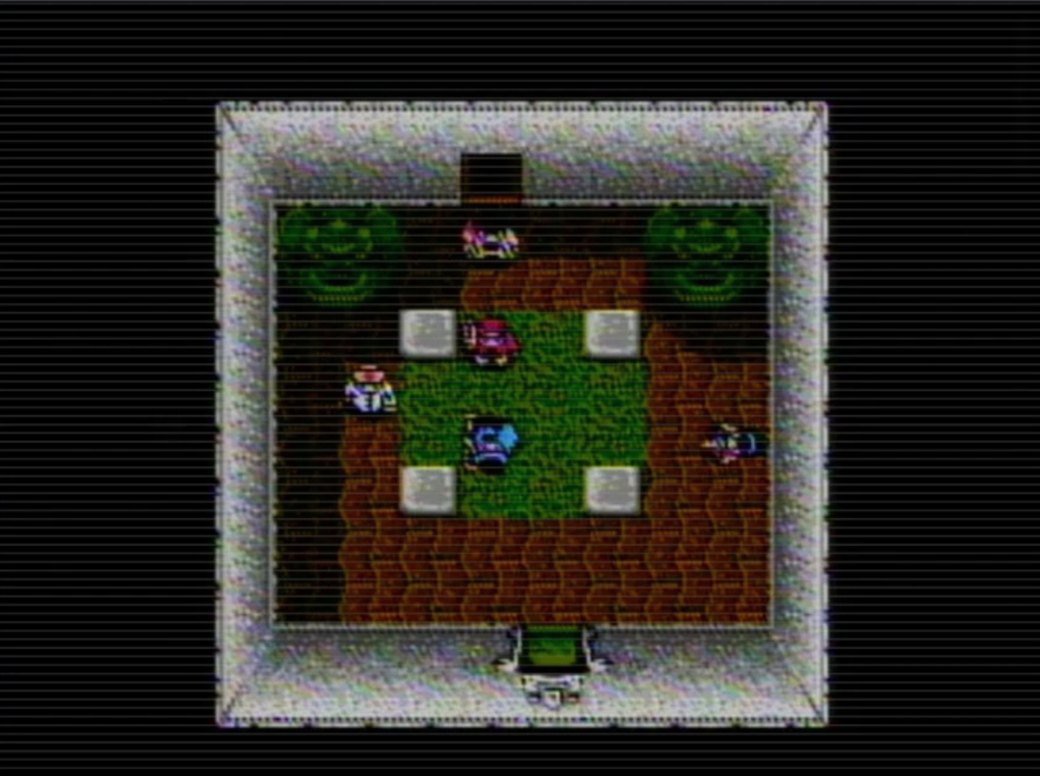
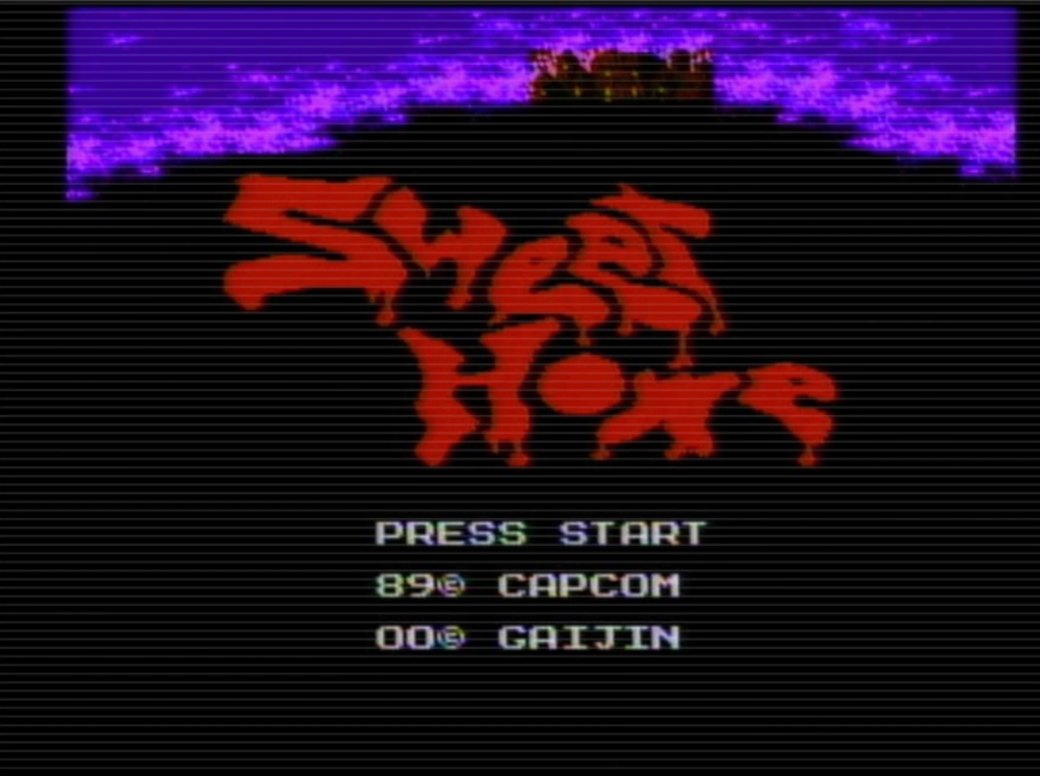
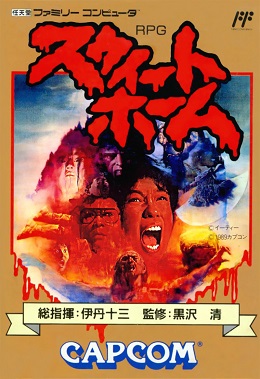
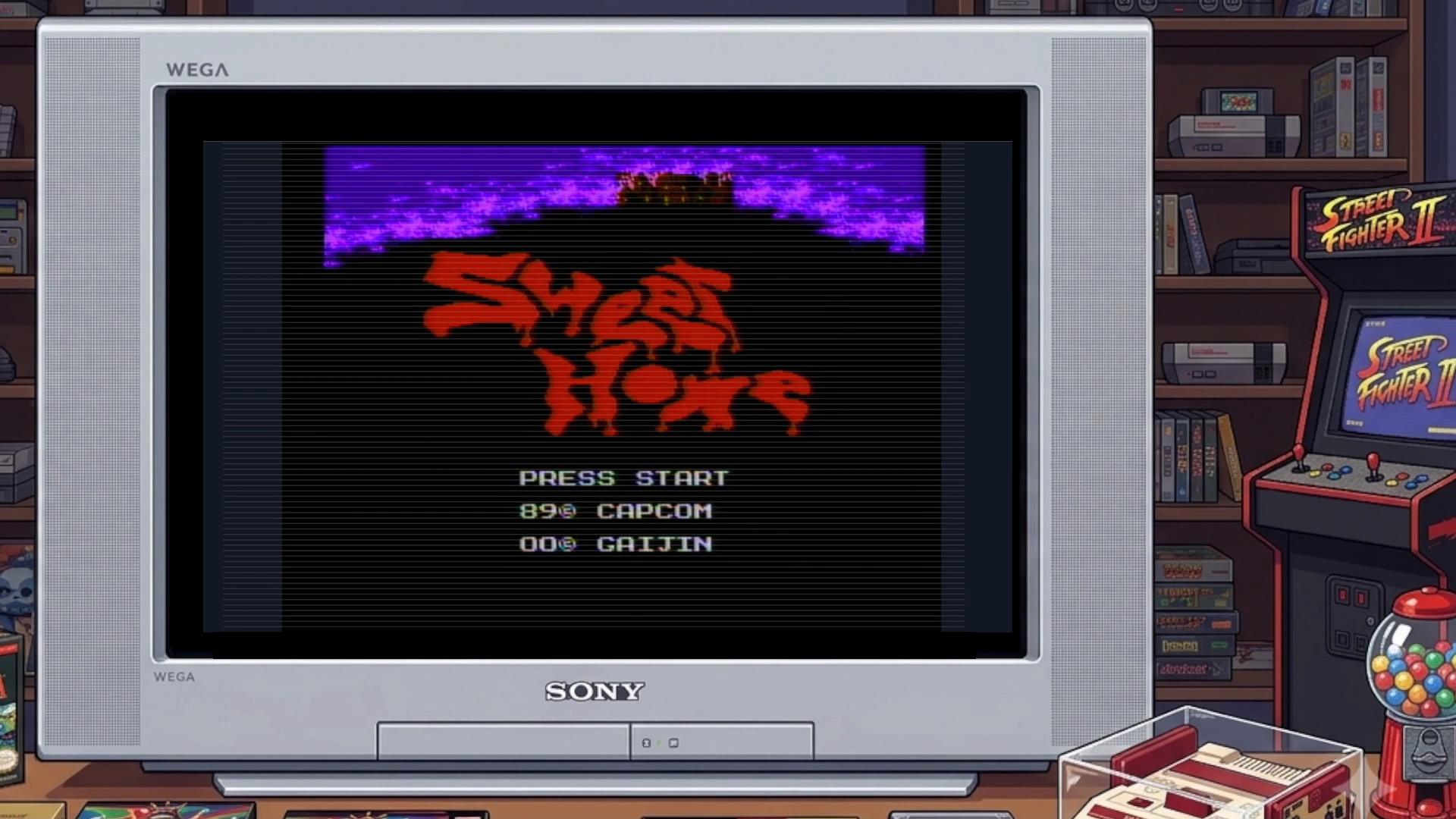
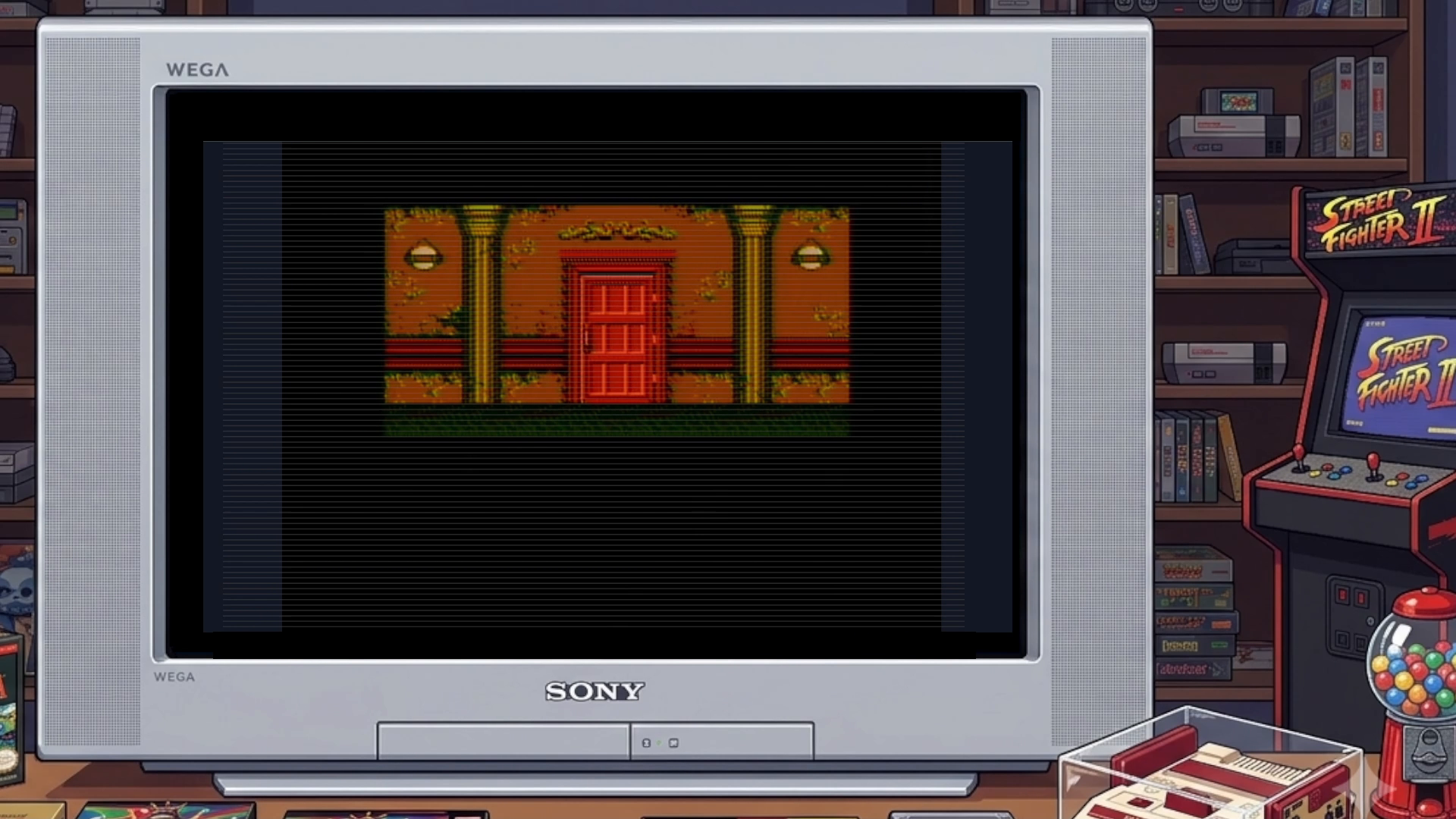
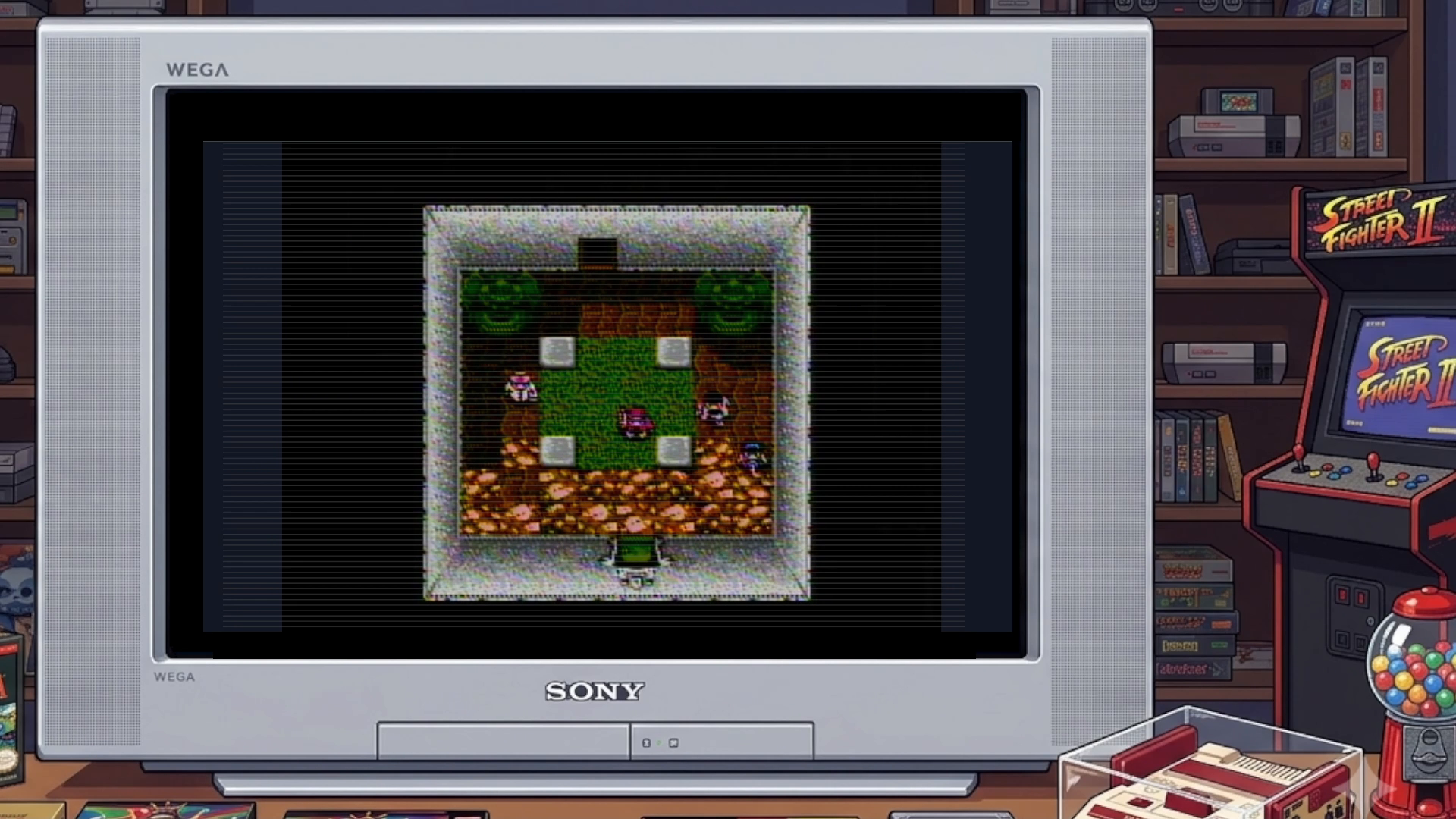
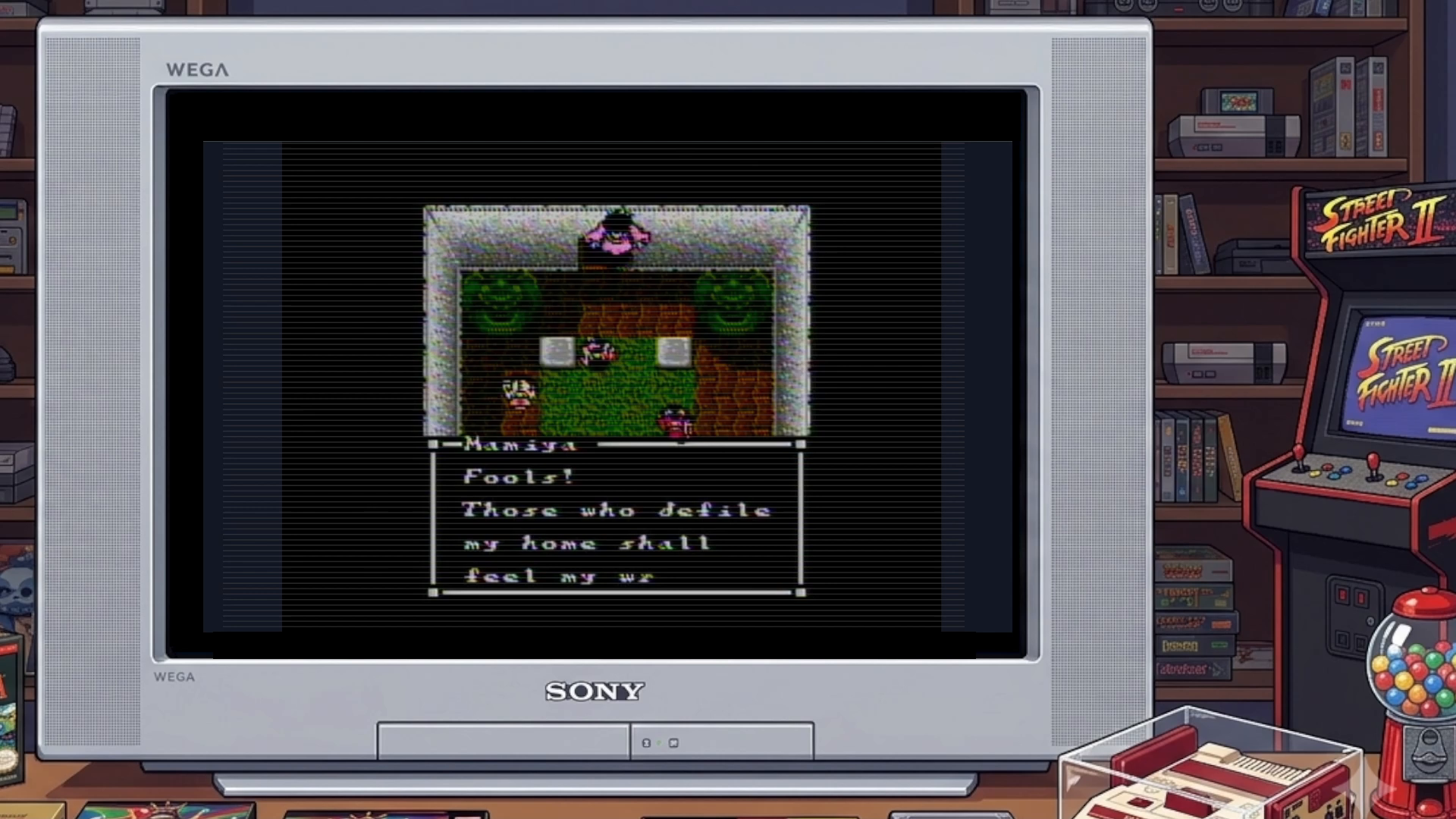
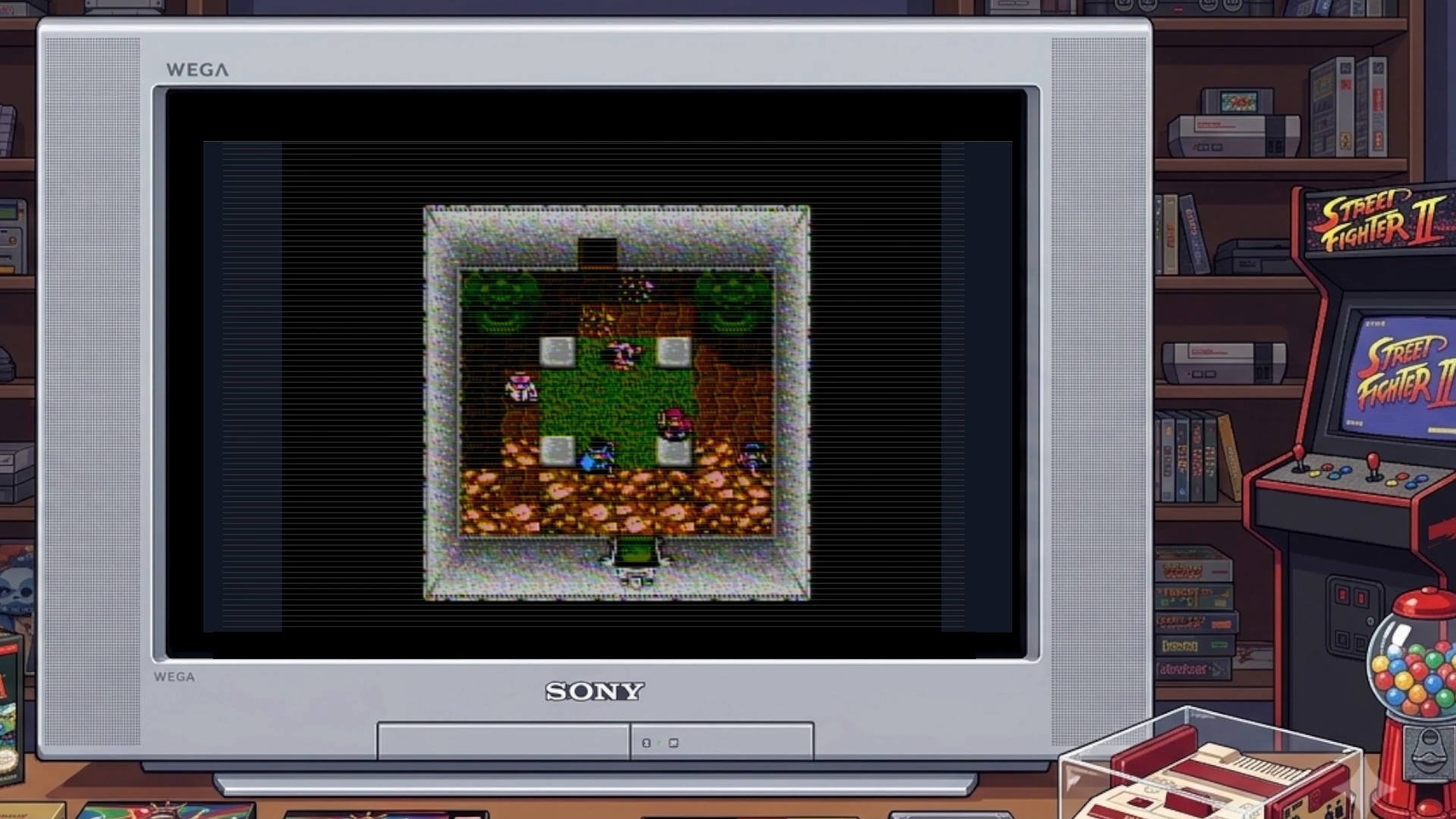
Capcom, Famicom, 1989, based on the Japanese film of the same name directed by Kiyoshi Kurosawa. Five members of a film crew enter the mansion of painter Ichirō Mamiya and must get out alive. Each carries a tool of their own, such as a lighter or a key, and whoever dies stays dead.
It was never released outside Japan. Its mix of exploration, inventory and puzzles is an acknowledged influence on Resident Evil, also from Capcom.
Screenshots: Wisegrow team, on a tube TV · Box art: Imagen de ficha, Wikipedia


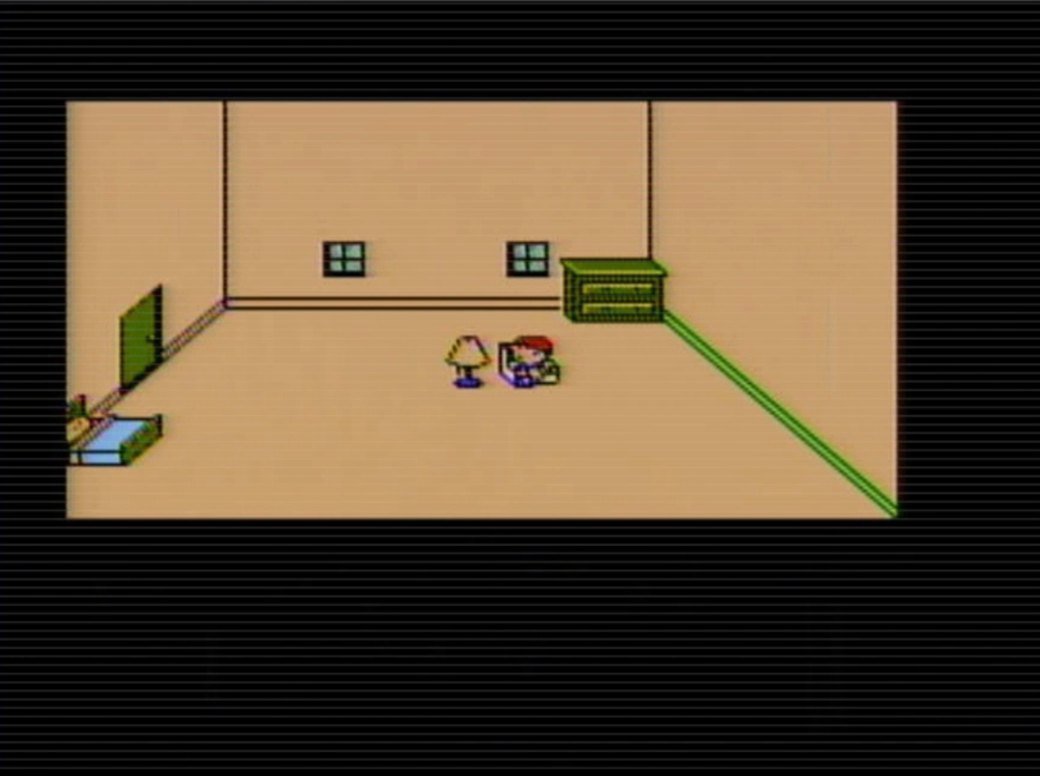
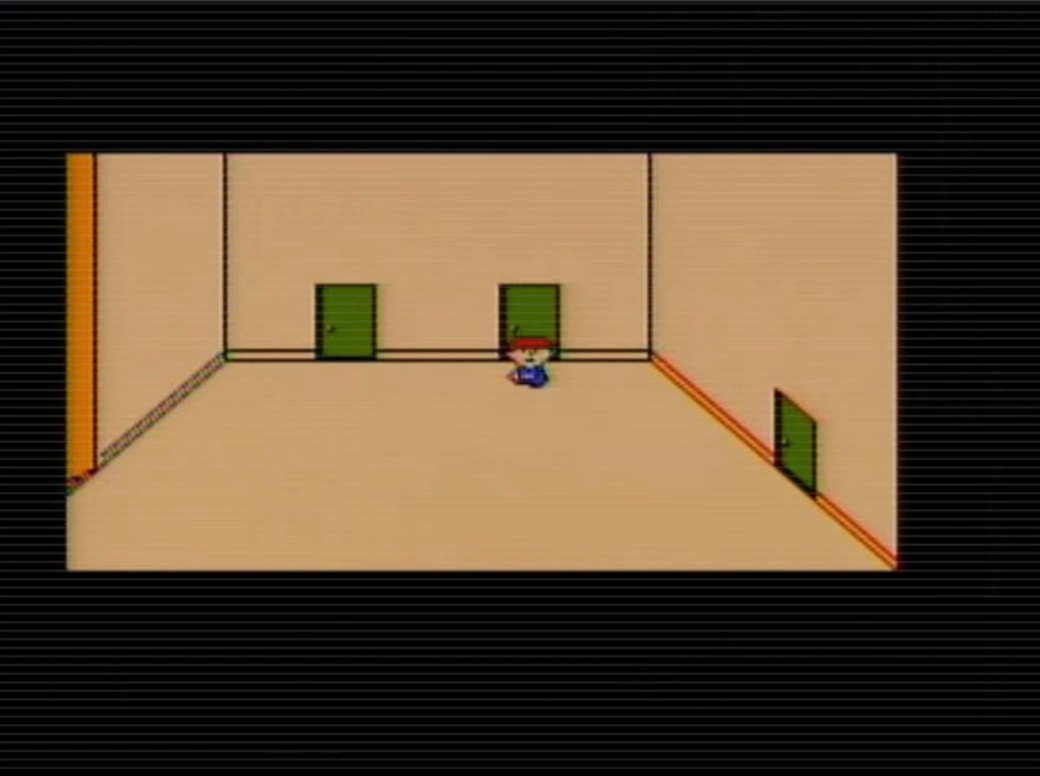
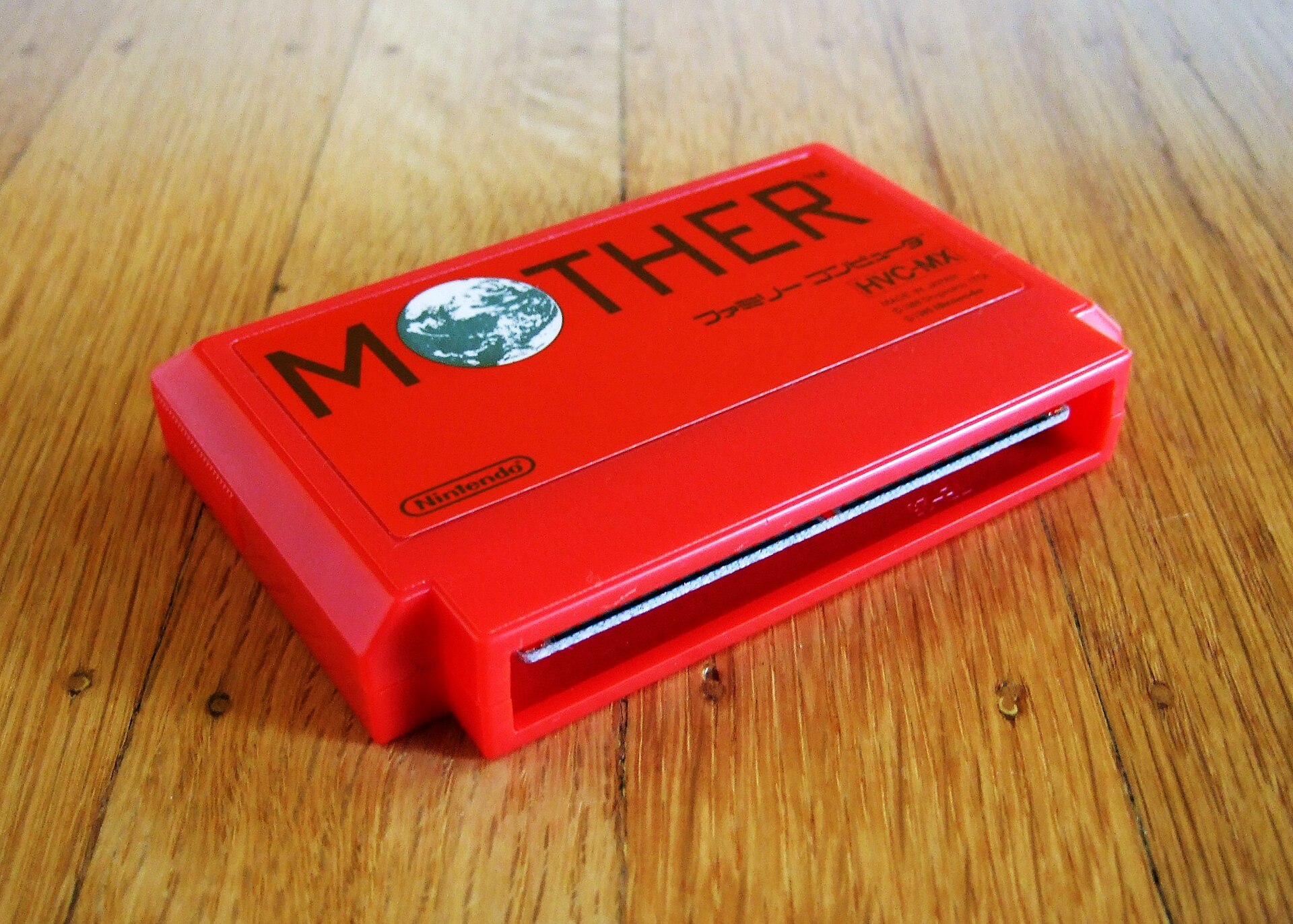
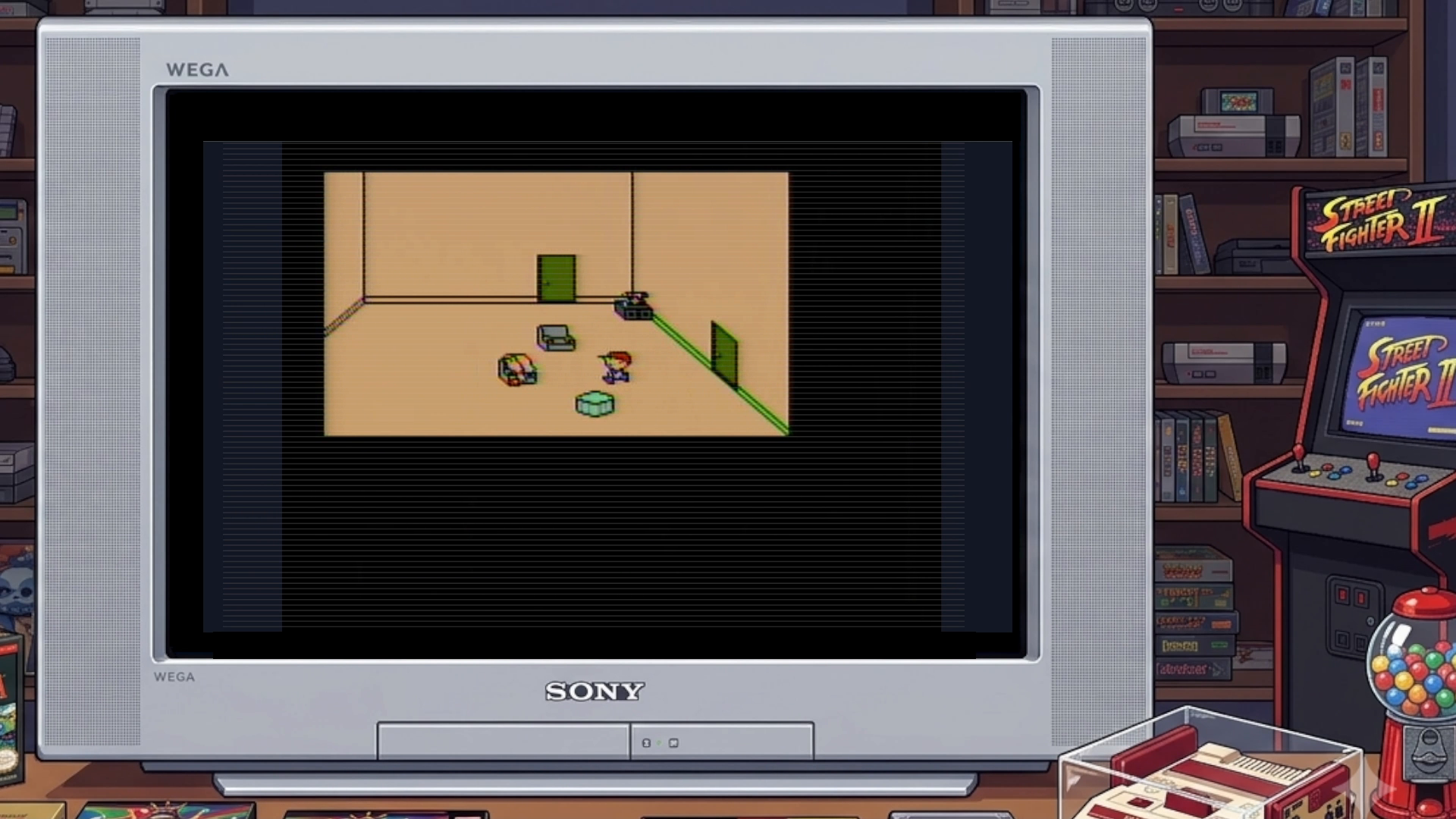
Ape and Nintendo, Famicom, 1989, written by Shigesato Itoi. Ninten discovers that objects in his town are coming to life and animals are attacking, and the journey takes him across an America imagined from Japan. Battles are turn-based and first-person.
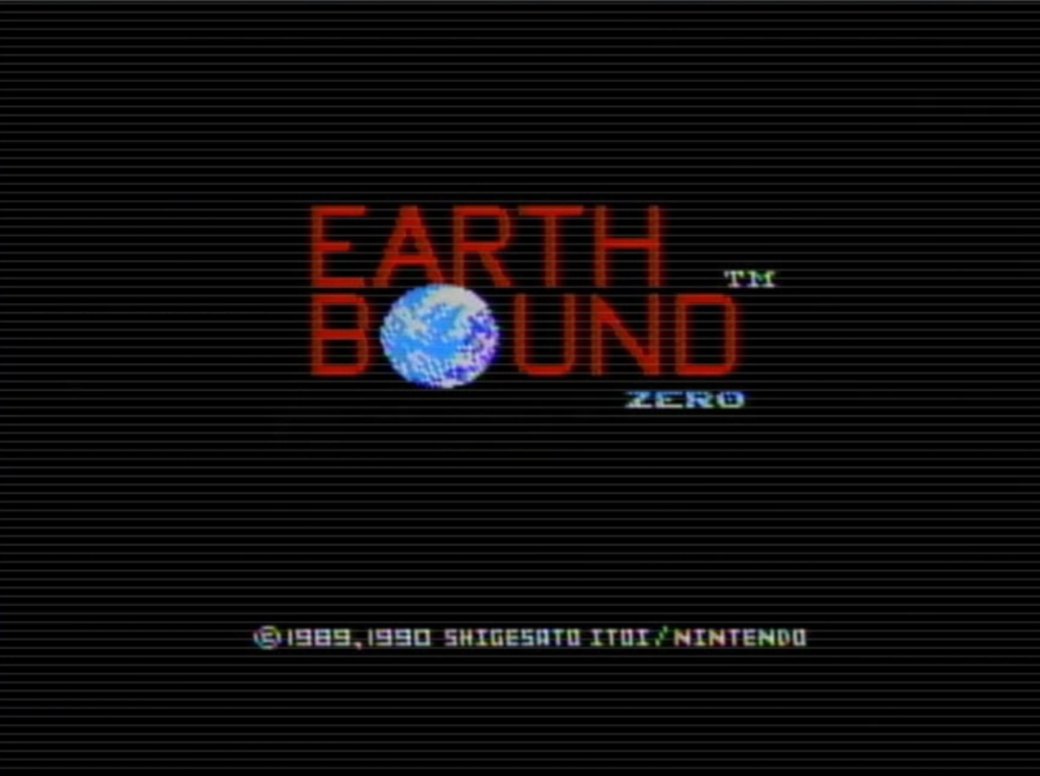
The translation Nintendo prepared in 1990 went unreleased; the game only arrived in English in 2015, as EarthBound Beginnings. Our title screenshot reads EARTH BOUND because we used a translation patch.
Screenshots: Wisegrow team, on a tube TV · Box art: CC BY-SA 2.0
Equipo Wisegrow · Foto propiaThe story of the consoles, arcades and games that defined four decades of gaming culture.
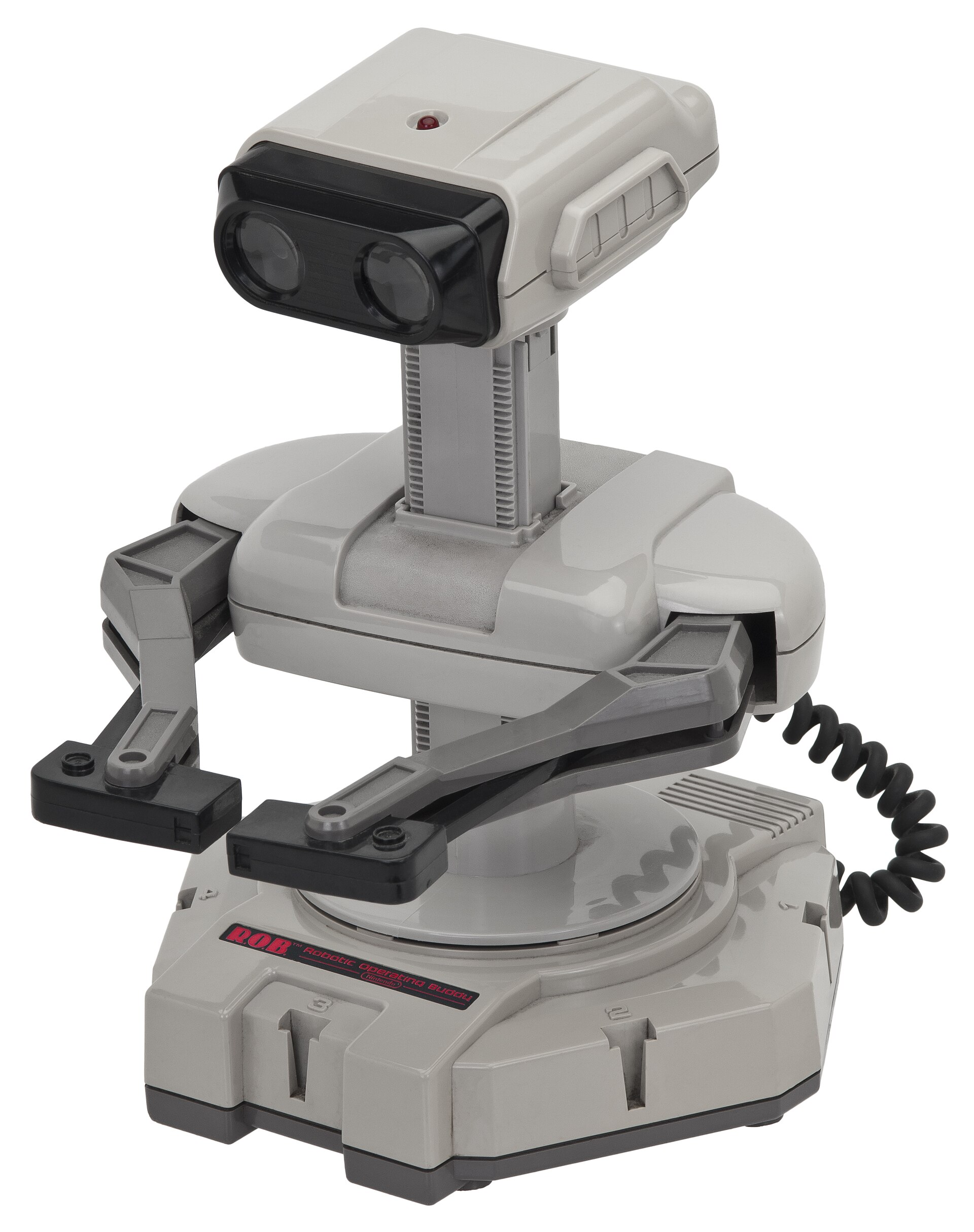
Nintendo launched the NES in the United States as a toy, with a gun and a robot. These are the accessories born of that strategy.
Evan Amos · Public domain


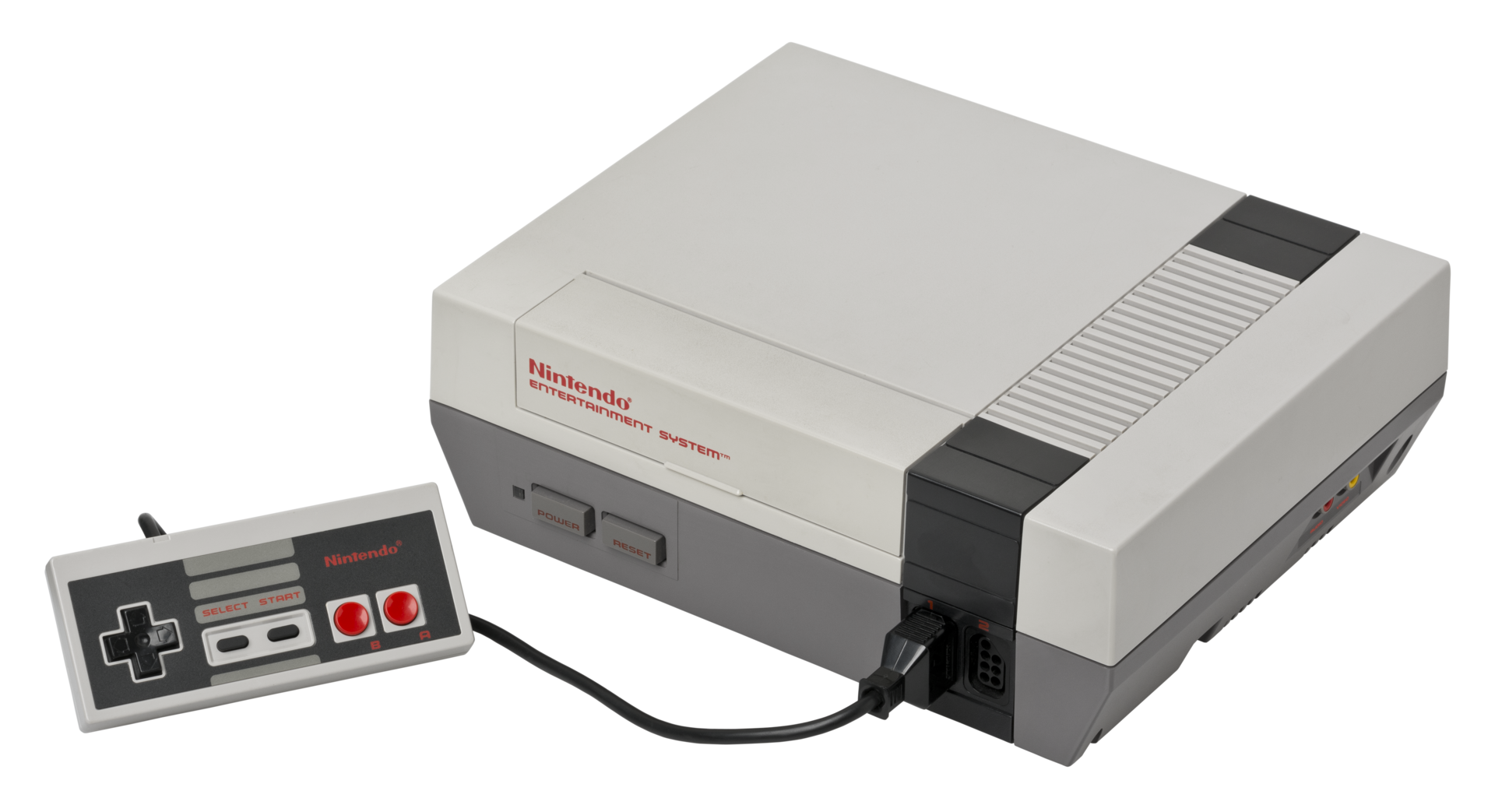
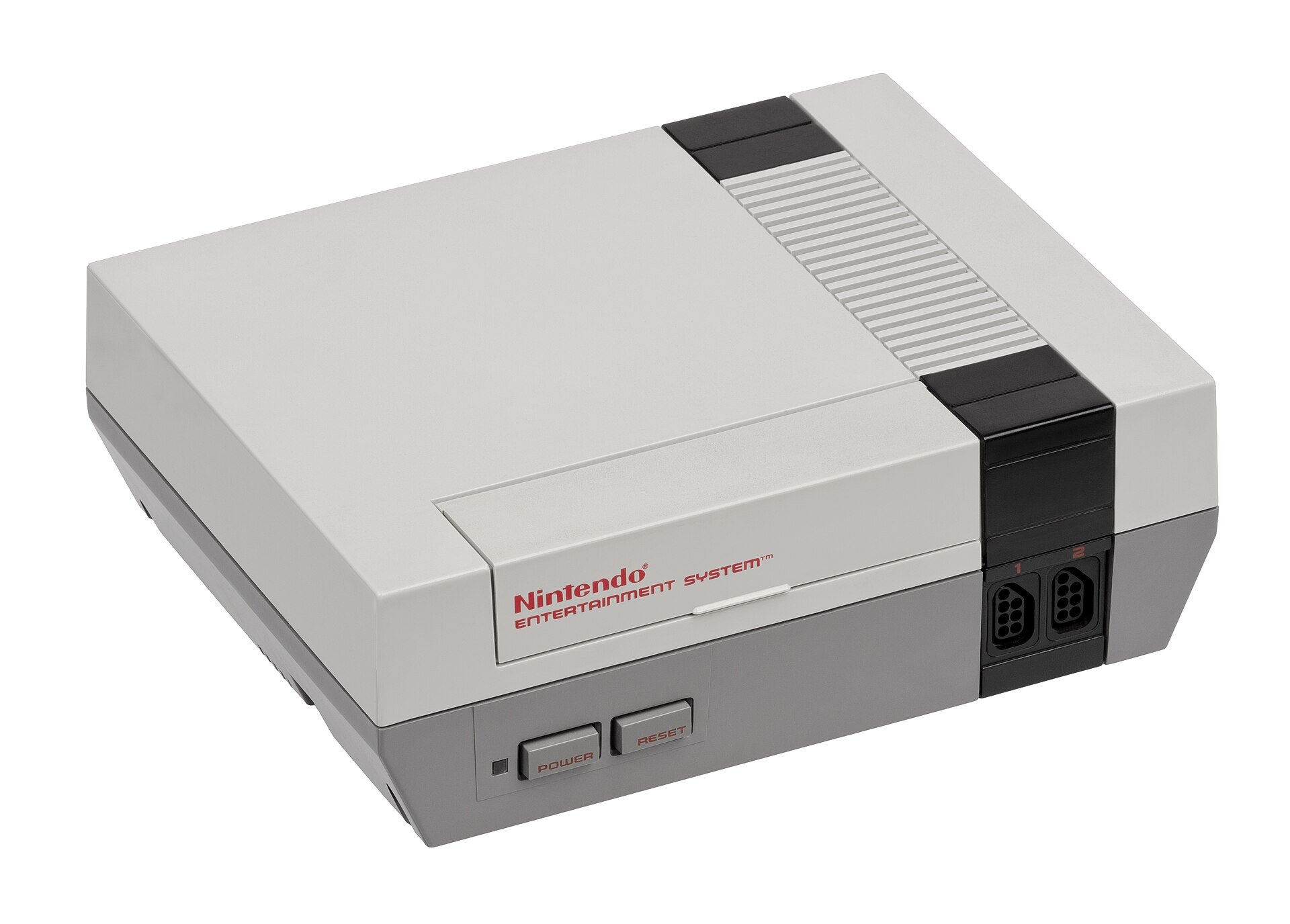
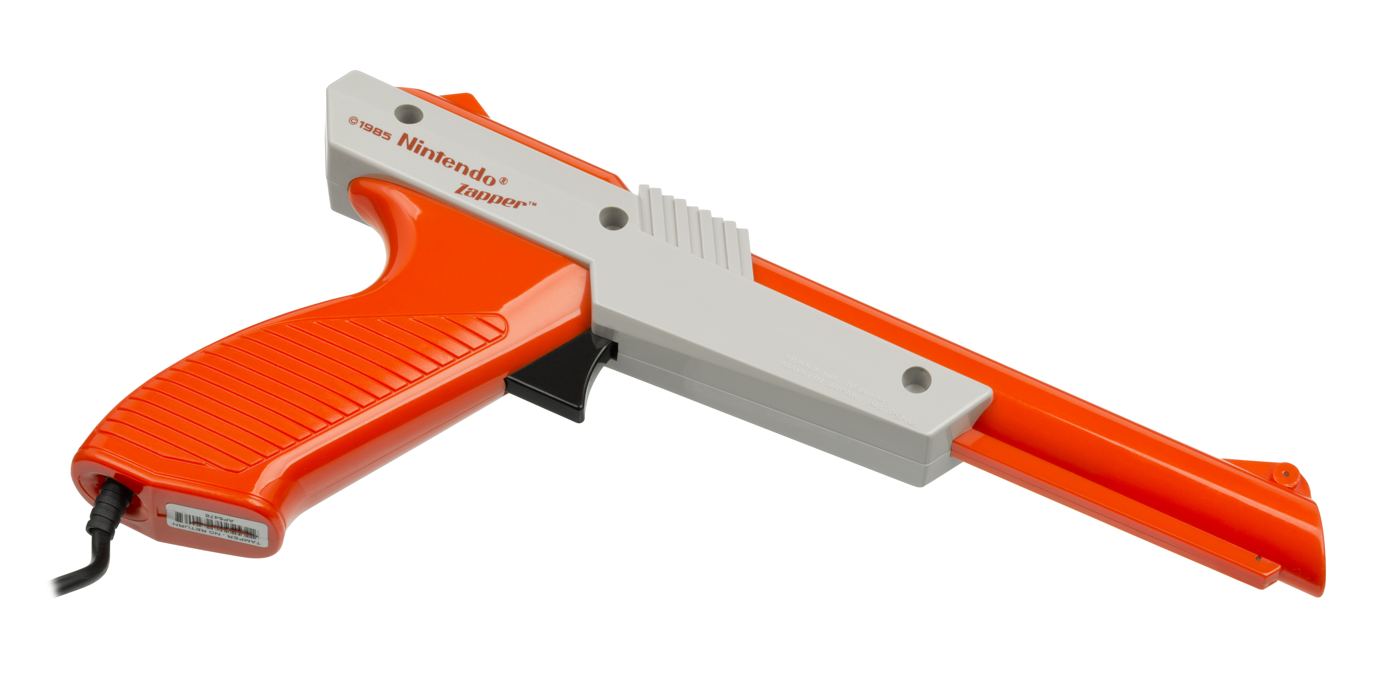
After the 1983 video game crash, many US retailers wanted nothing to do with consoles. Nintendo launched the NES in 1985 looking like a piece of video equipment and paired it with two accessories that moved it toward the toy aisle: a light gun, the Zapper, and a robot called R.O.B.
The Zapper has a photodiode in its barrel. When you pull the trigger, the game blacks out the screen for an instant and draws a white box where each target is; if the sensor sees light at that moment, the shot counts. Duck Hunt, Hogan's Alley and Wild Gunman supported it from launch. The system relies on the scan of a tube TV: on an LCD or LED set the picture arrives late and the gun stops responding, so that test tells you nothing about whether it is broken.
R.O.B. (Robotic Operating Buddy) took orders through flashes on the screen and moved pieces around its base. Only two games used it, Gyromite and Stack-Up, and playing with it was slow. Its real contribution was commercial: in store windows the NES looked like an electronic toy rather than another console.
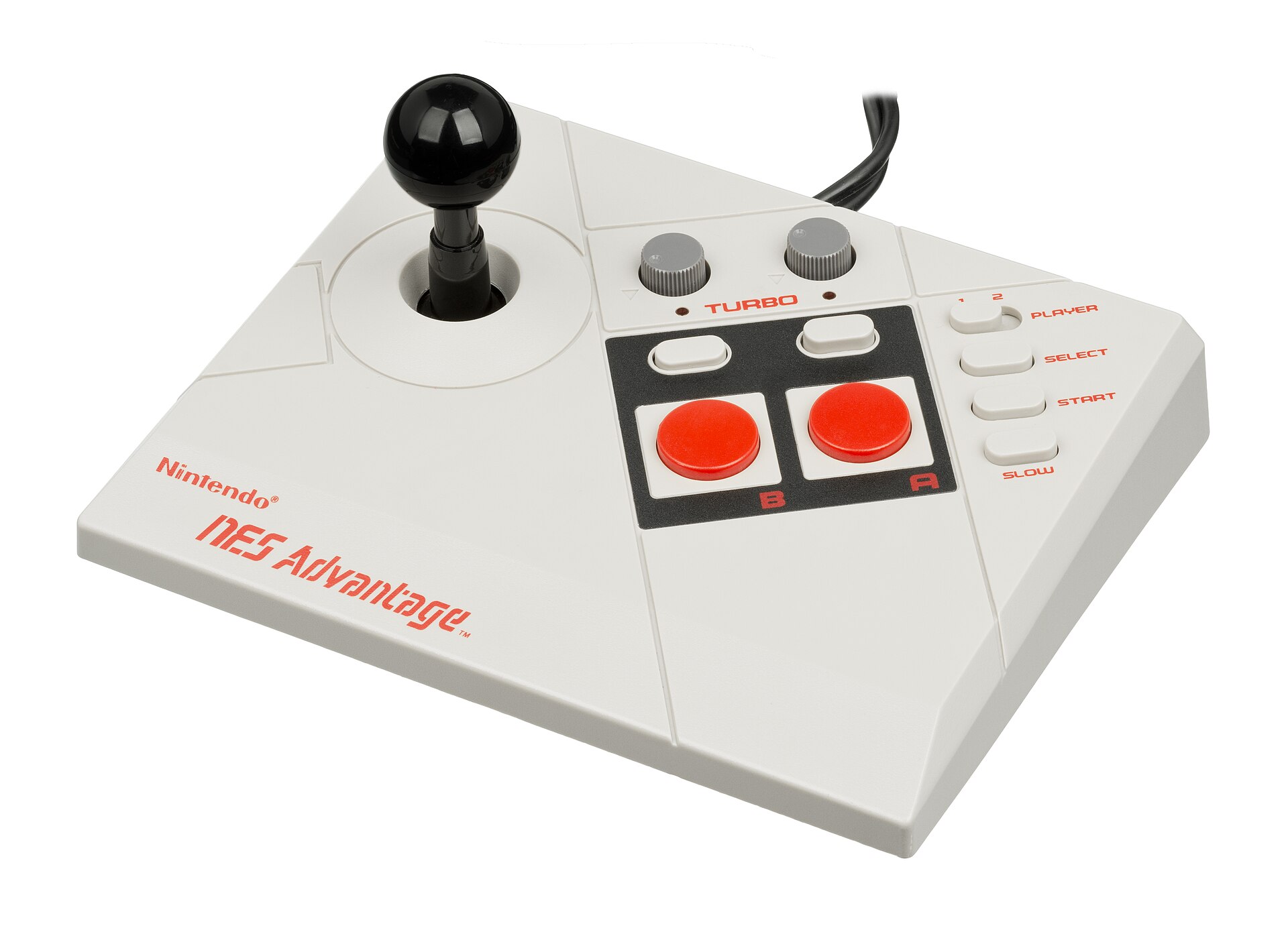
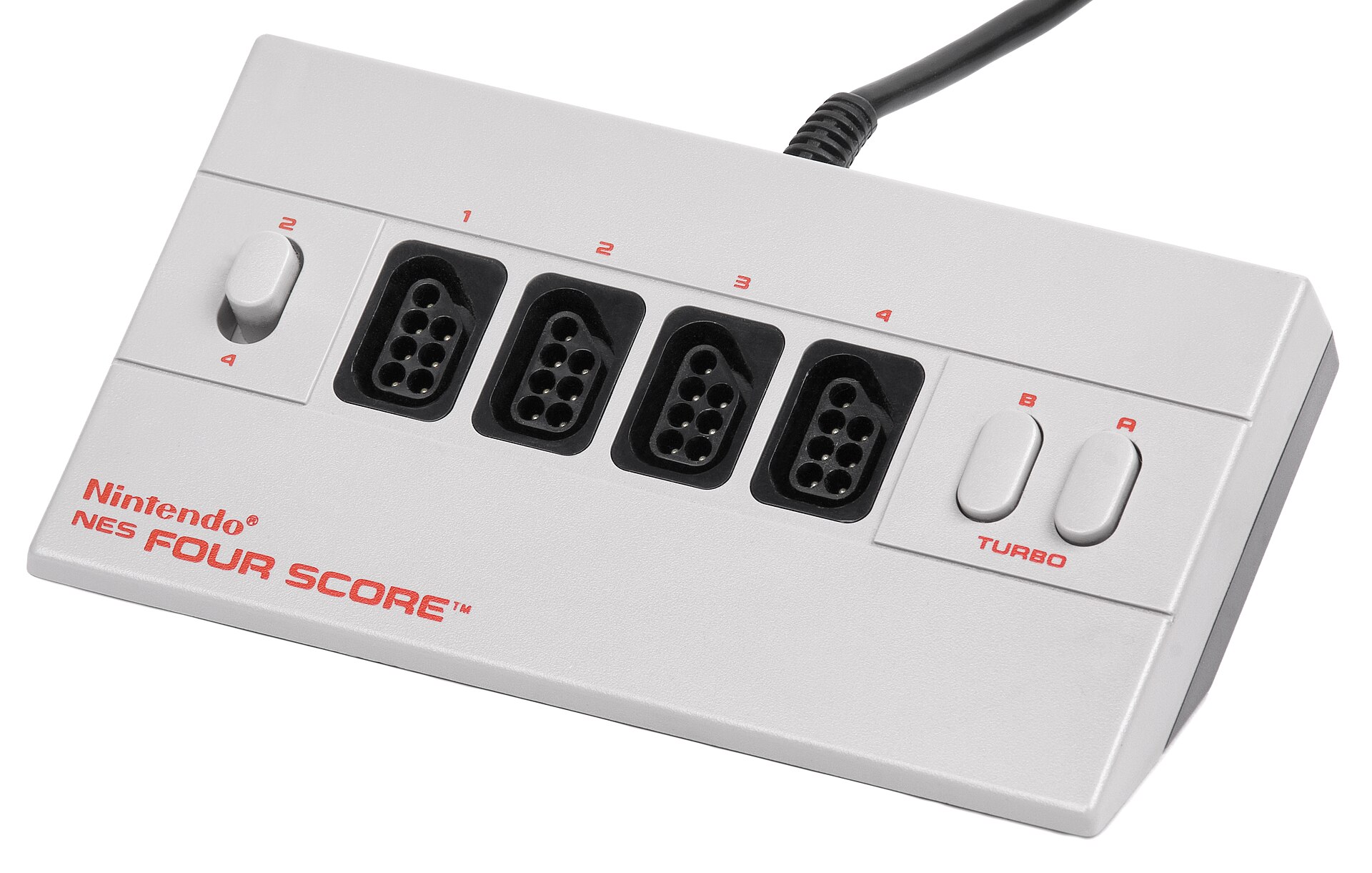
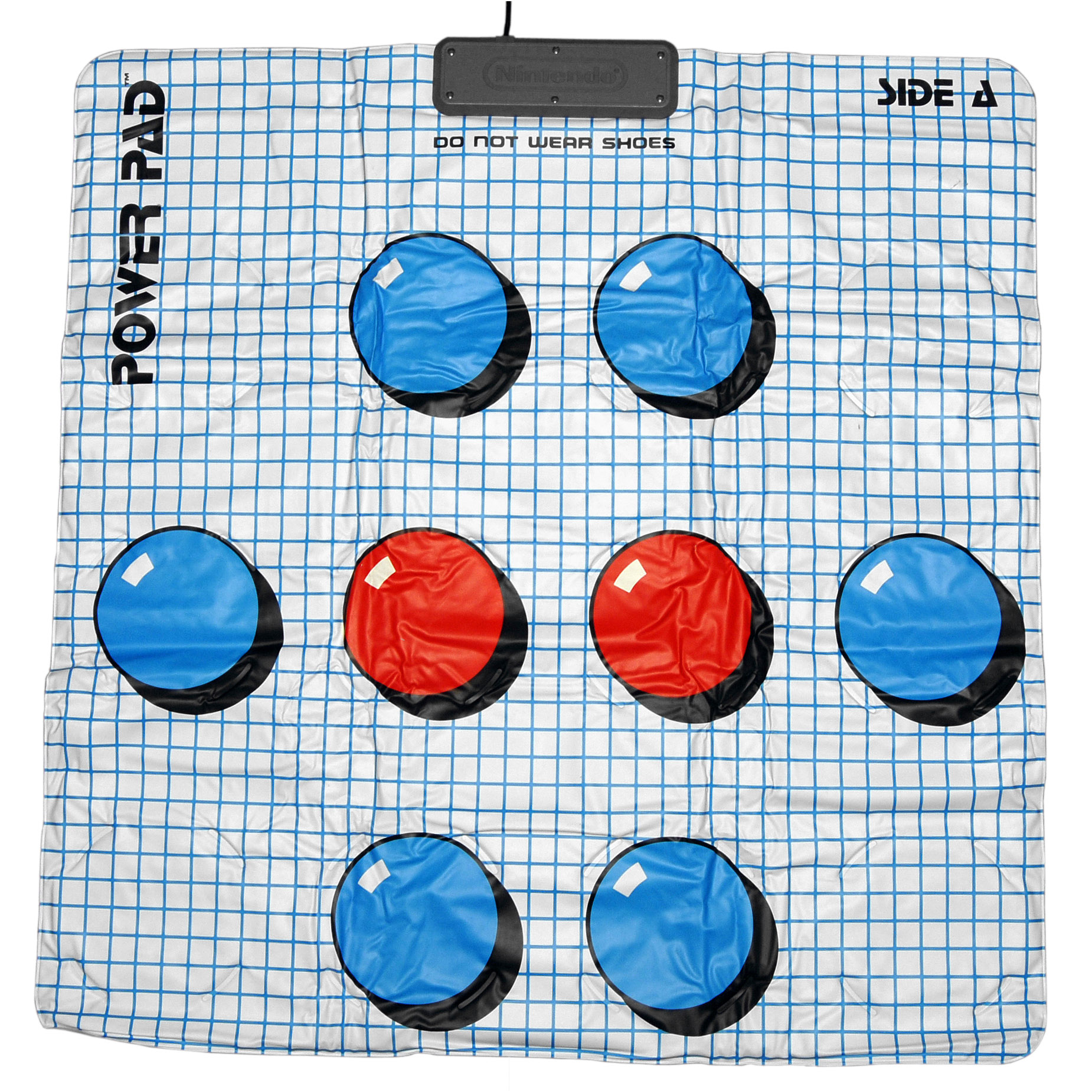
Other accessories did change how people played. The NES Advantage, an arcade-style controller with a stick, large buttons and adjustable turbo, became popular for shooters and fighting games. The Four Score let four controllers plug in for compatible games such as Gauntlet II or Super Spike V'Ball. The Power Pad, a sensor mat, was used with exercise games like World Class Track Meet.
Mattel released the Power Glove in 1989. It promised to control games with hand gestures, and the film The Wizard made it an object of desire. In practice only two games were designed for it, Super Glove Ball and Bad Street Brawler, and with the rest of the library it responded imprecisely. Today it is collected far more than it is used. If you buy one, make sure it comes with the receiver that sits on the TV; it does not work without it.
Evan-Amos · Public domain
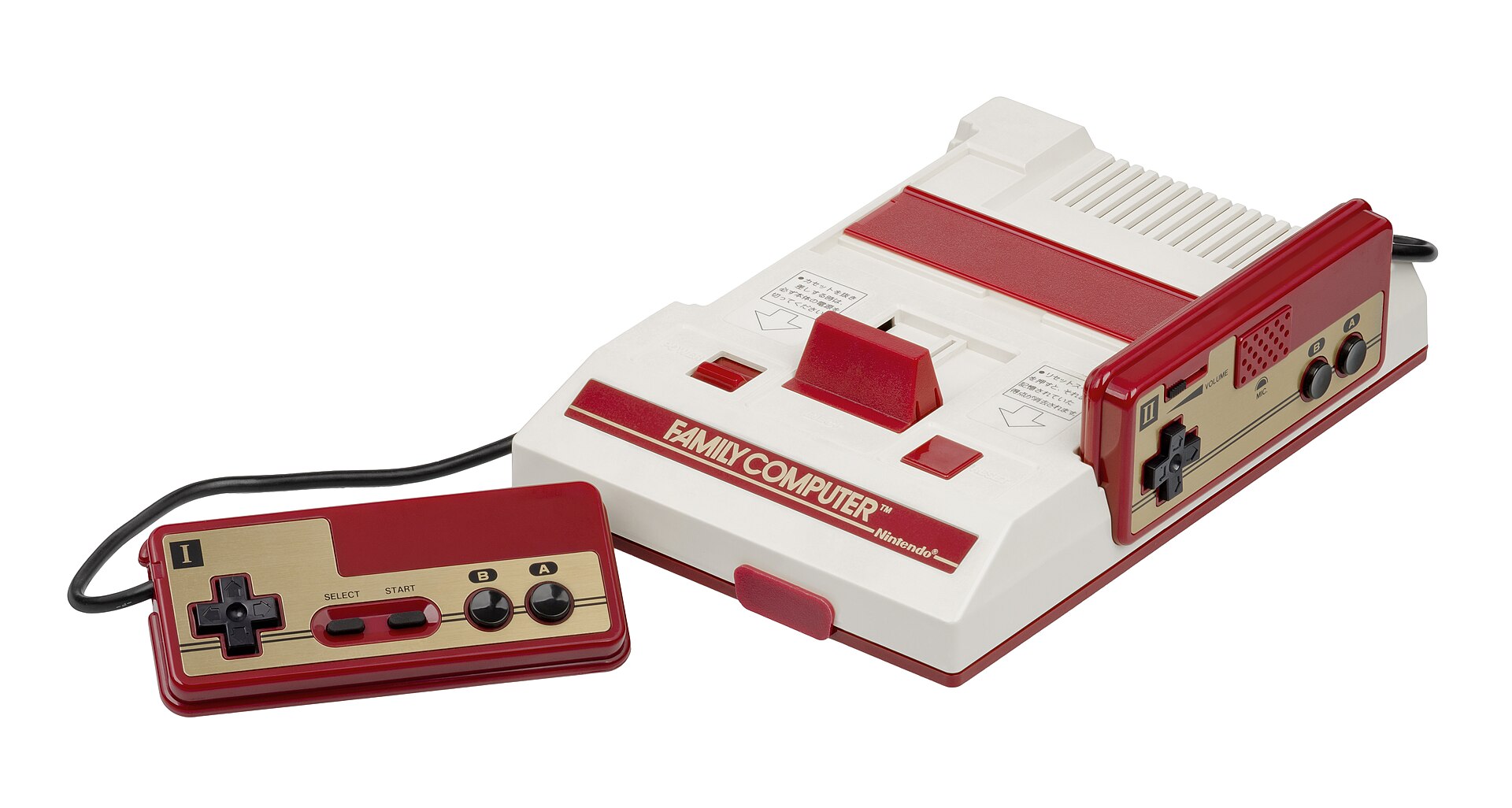
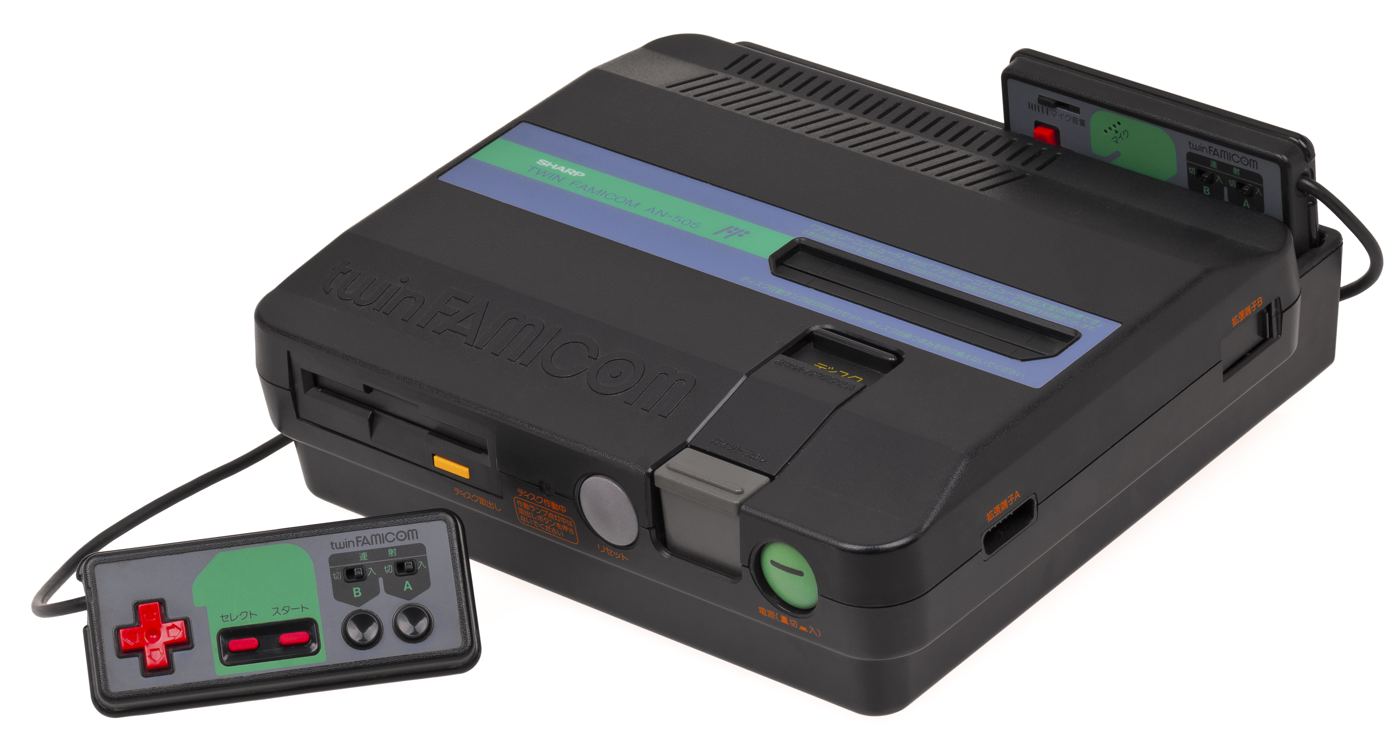
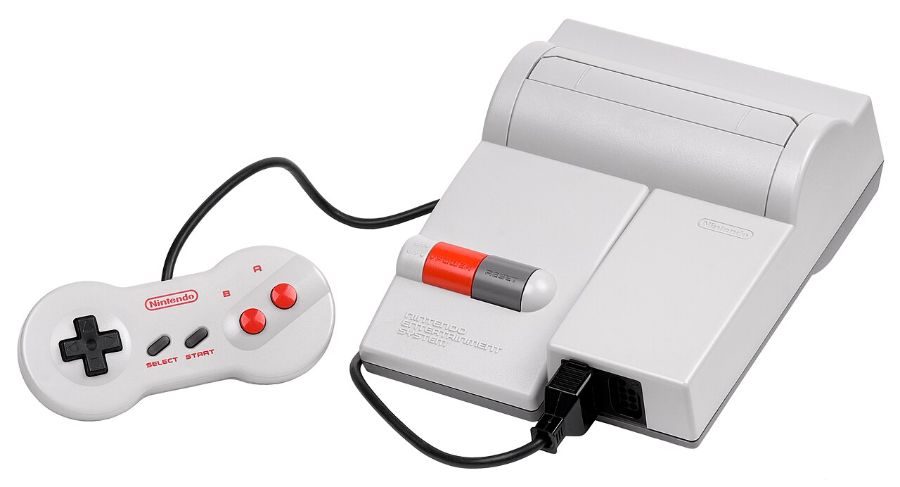
Evan Amos · Public domainThe gray box, the Famicom and Sharp's Twin. Three free photos on the way into the workbench.
Smokestack (talk) · Public domainThe gray screen and the blinking light almost always come from this connector. You can inspect and clean it before replacing it.
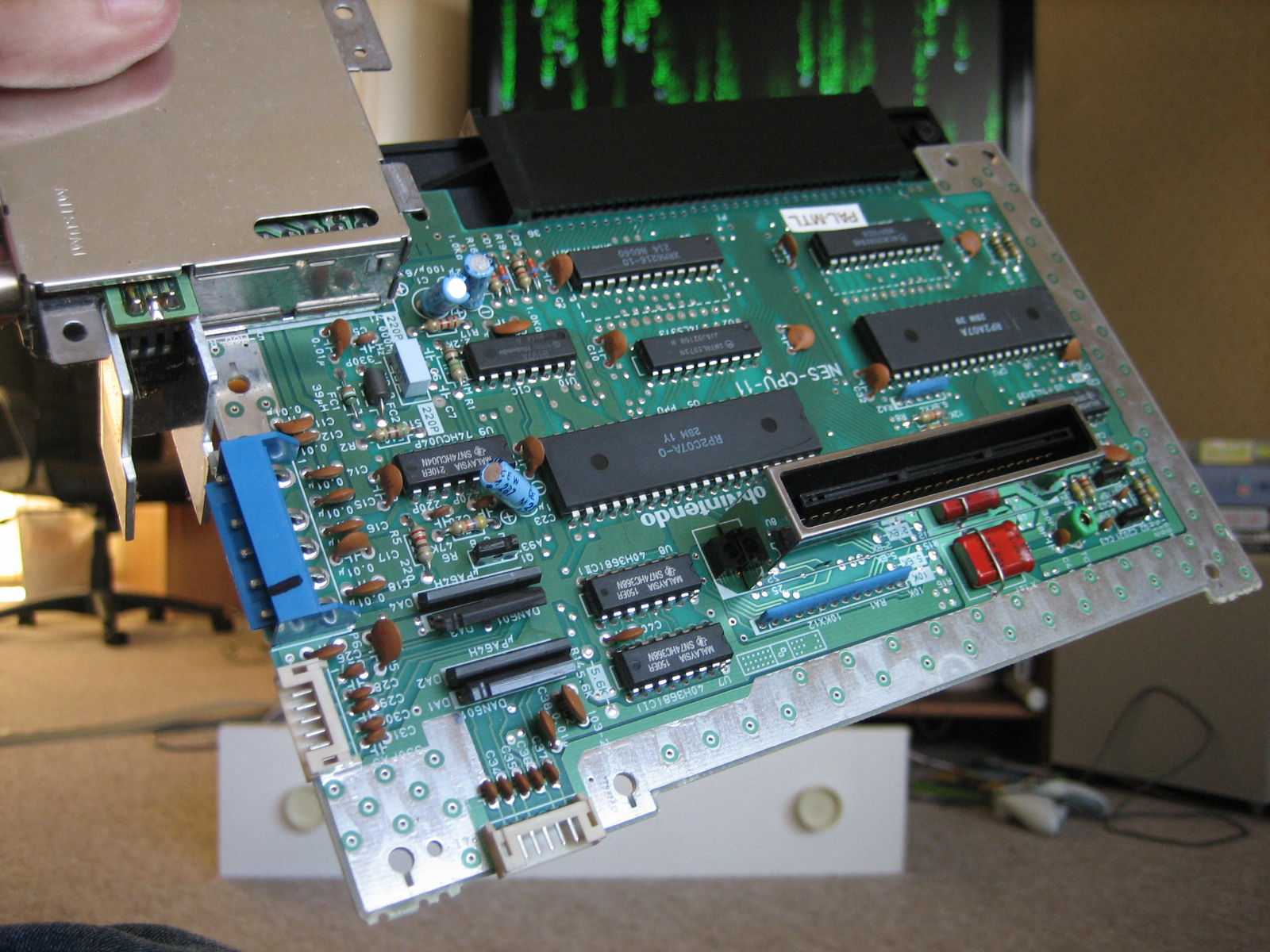
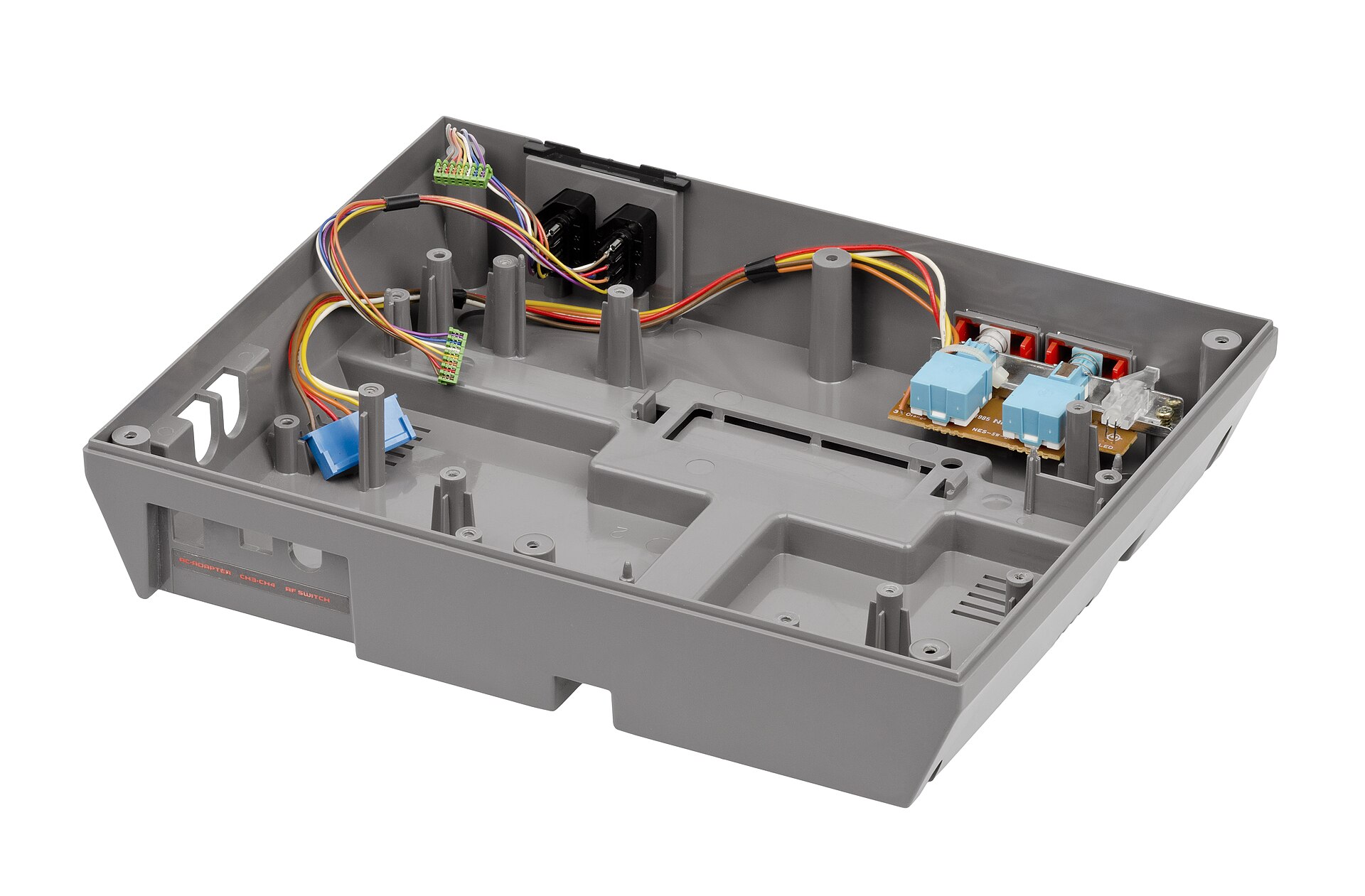
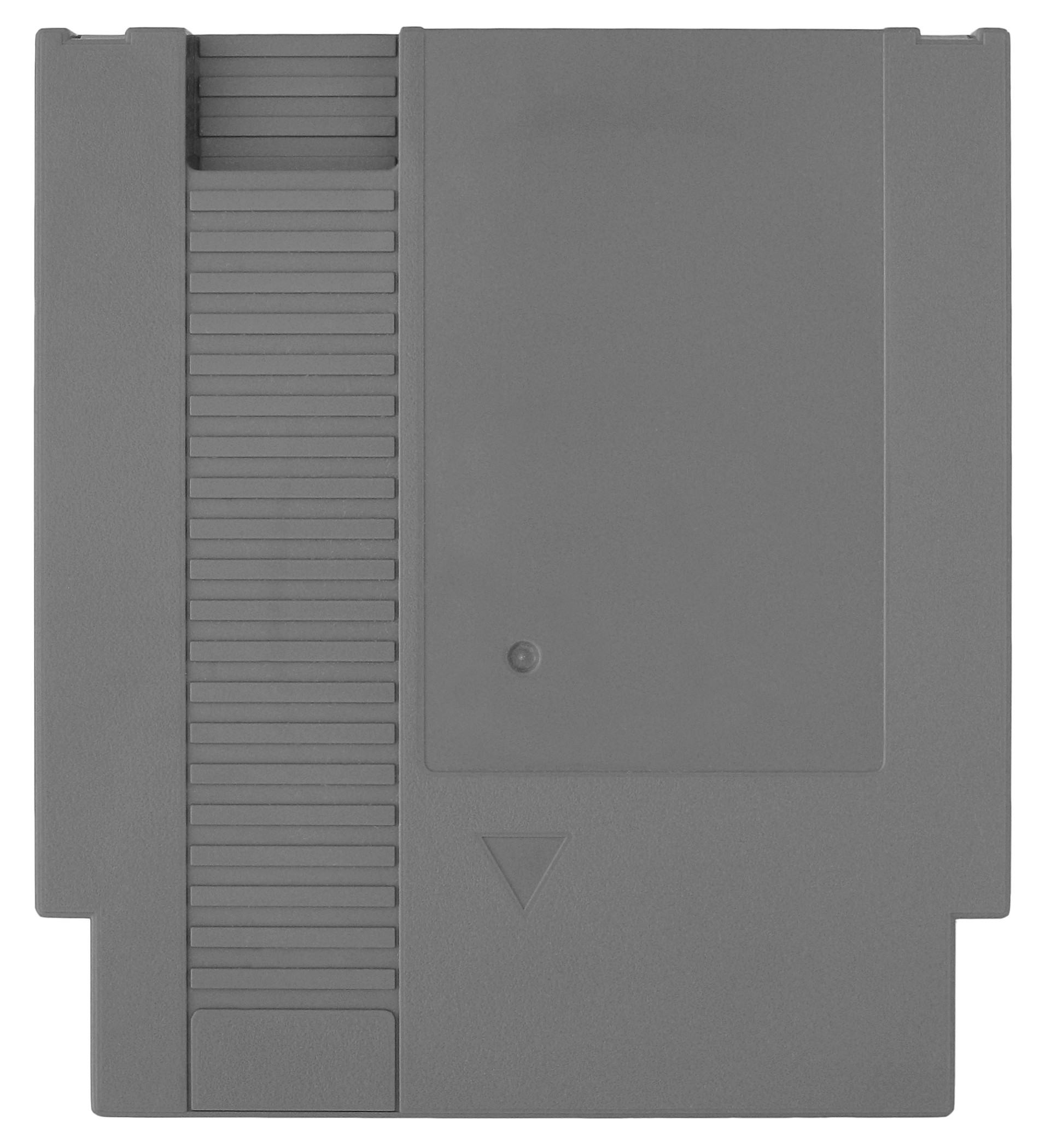
The NES-001, the front-loading model, has a well-known weakness. The cartridge slides in horizontally and is then pushed down, like in a VCR, and that motion eventually bends the contacts of the 72-pin connector. Over the years they lose tension and collect dirt, and the console answers with a gray screen or a blinking power light. Before buying a new connector it is worth diagnosing, cleaning and checking the one you have. All it takes is two known-good cartridges, a magnifier and isopropyl alcohol.
A gray screen, a flicker, or a game that only boots if you shove it. Try two cartridges you already knew were good and that you just cleaned. If one boots and the other does not, the problem left with that cart.
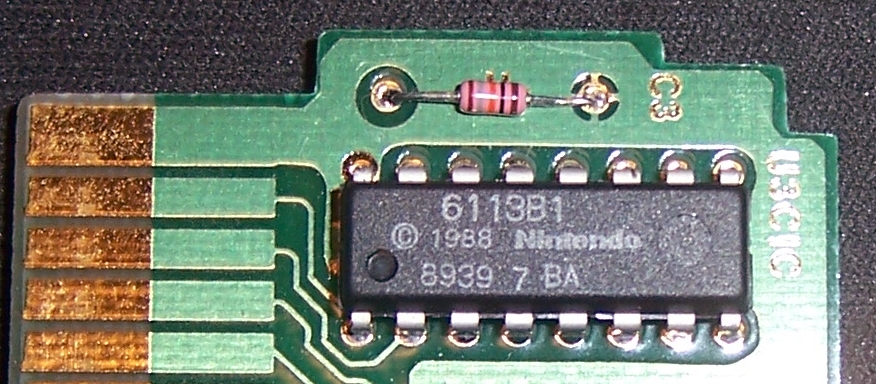
If the game only boots when you wiggle the cartridge, the tension is weak or the leaves are bent. If only one game fails, the problem may be that cartridge. If none boot, check the connector, the power supply or the board. The blinking light is the lockout chip (CIC) resetting the console because it cannot read the cartridge properly.
Power off, pull the adapter, the video cable and any accessory. Take the cartridge out. A clean table, good light. You do not work on the console while it is plugged in.
Robin Fensom · CC BY 2.0Turn the NES-001 over and remove the screws in the base. On many revisions there are six; photograph each one, with its length, before it comes out. Turn the console back and lift the lid without snapping the tabs.
The upper shield comes off with its own screws. Lift it and keep it with those screws, apart from the shell's.
Mark the screws on the loading mechanism. Remove them and slide the tray forward, off the connector. Watch the black tab underneath and the lock. If you force it, you bend plastic that will not line up later.
Hold it by the plastic, never by the pins. Alternate the force at both ends, parallel to the board. If it does not move, a screw is still in or the direction is wrong. You stop. No prying.
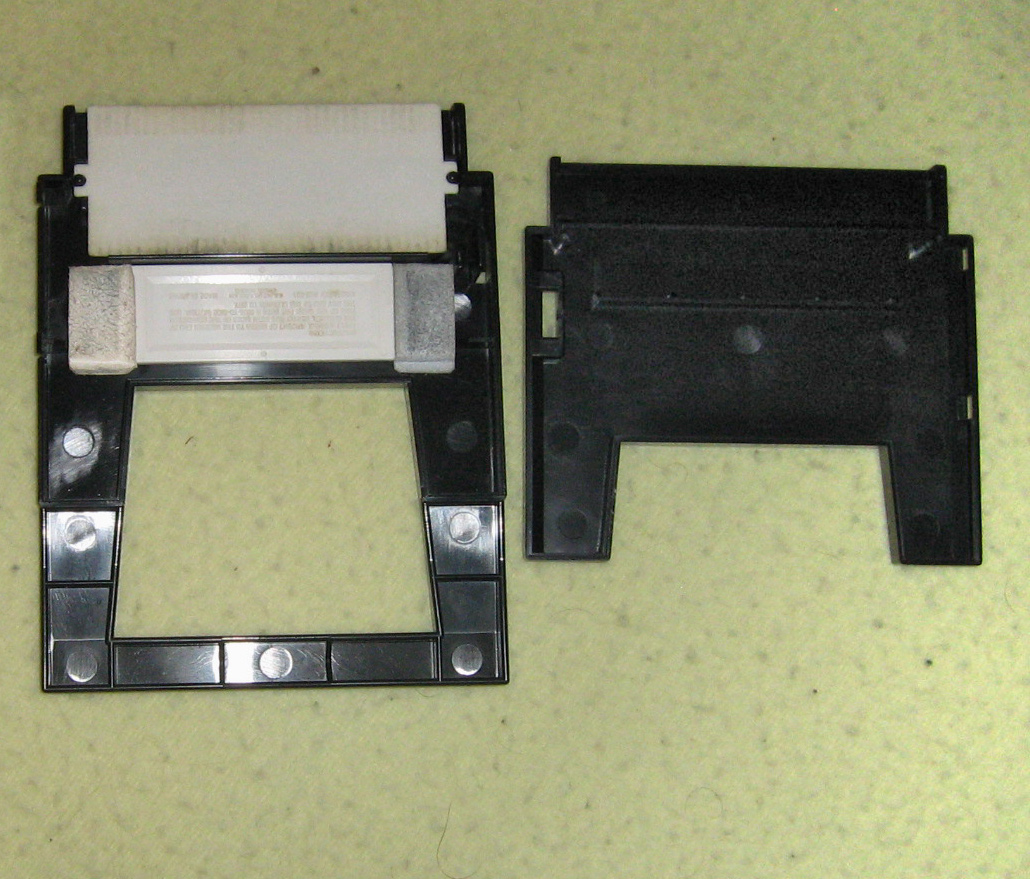
Magnifier, both rows. Compare each pin with its neighbor: dirt, a dark stain, one sitting lower, a bent one, a snapped one, eaten plating, cracked plastic. Grime: you clean. One lower than its row: one small bend. Snapped, corroded or a cracked shell: a new connector, compatible with the NES-001.


Offensiveandconfusing at English Wikipedia · CC BY-SA 3.0Set the connector on a surface that does not conduct. With a smooth tool, correct only the pin that is clearly lower. Take the tool away and compare again. One pass. If the metal is already tired, that pin does not get bent again: you replace the part. Do not leave the 72 pins flat.
Dust first, with the nylon brush. Then isopropyl on a lint-free swab: the contact surfaces, without hooking the pins. A fresh swab until it comes away clean. If you slide a card with a cloth between contacts, it has to go in without force. Let it all evaporate. No fibers. Sandpaper, steel wool, oil and WD-40 stay in the drawer.
The cartridge contacts cause gray screens too. Put the alcohol on the swab, never straight onto the board, clean both sides gently and finish with a dry swab. Blowing leaves moisture and makes oxidation worse. If the gold plating is worn or a trace is cut, cleaning will not be enough.
Dry, no lint. The connector goes in straight, in the orientation it came out, lined up with the edge of the board. Tray, lower tab, lock. Before you close it all the way, the tray has to slide and catch. Screws back in the hole they left, without overtightening. If you have one left over, open it again.
Assembled, dry, no tools left inside. The cartridge goes in without catching. Power on with one you already knew: a stable picture. Power off and on several times. Run at least three games and leave it for a few minutes. If the fault remains, check how the connector sits and how clean those carts are, then the power and the board.
Broken contacts, deep corrosion, cracked plastic or a leaf that will not hold tension after adjustment: time to replace the part. Note the orientation before removing the old connector. Some generic replacements grip too hard or have the wrong geometry; a badly seated connector fails just like a dirty one.
Equipo Wisegrow · Foto propia
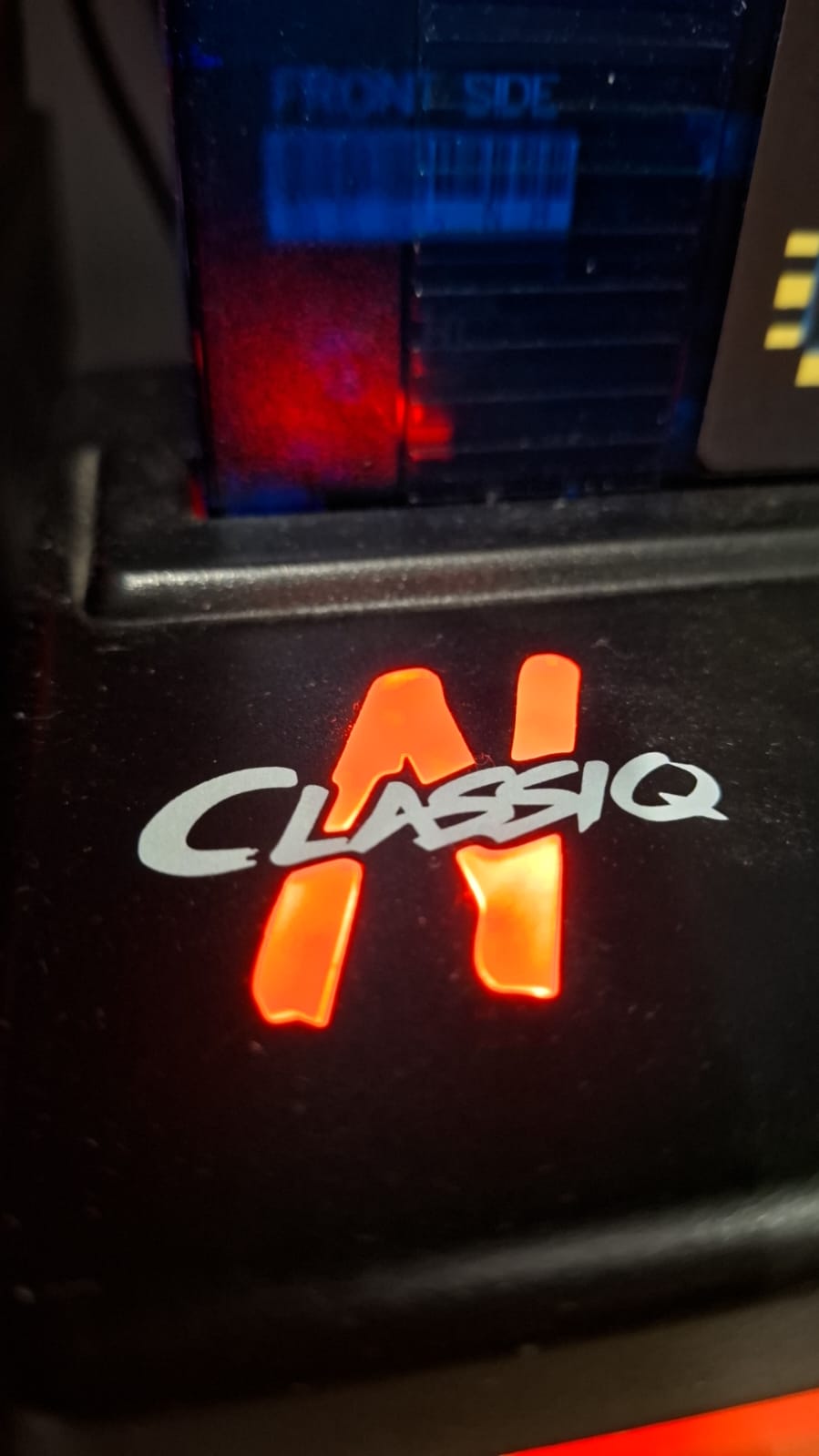
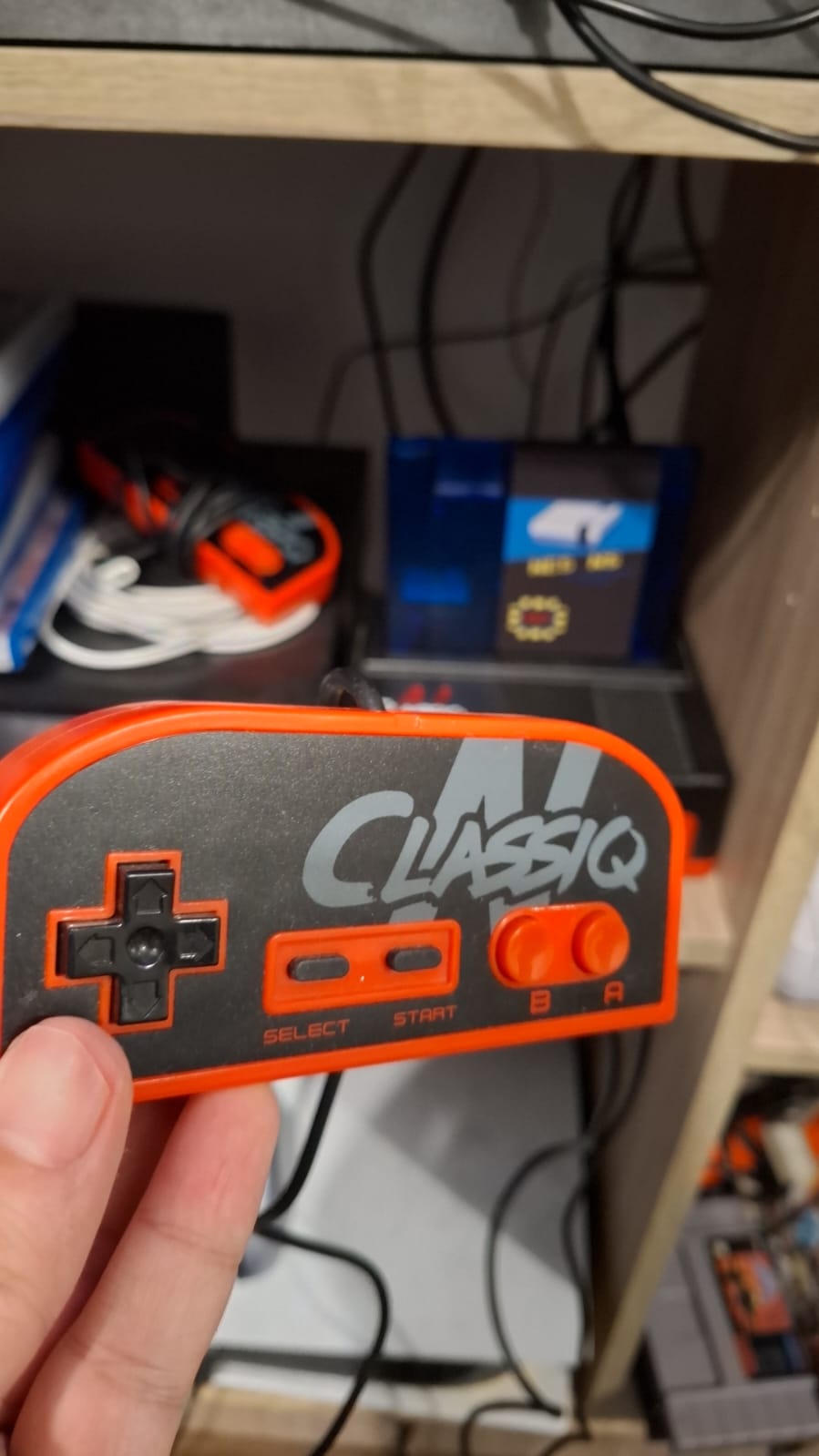
Equipo Wisegrow · Foto propiaA console compatible with NES cartridges, tested for a week next to an original under repair. Score: 7.5.
The ClassiQ is a console compatible with 72-pin NES cartridges. We used it for a week while the newsroom's NES-001 sat open on the bench with its connector out, hooked up to the same Philips tube TV that appears elsewhere in this issue.
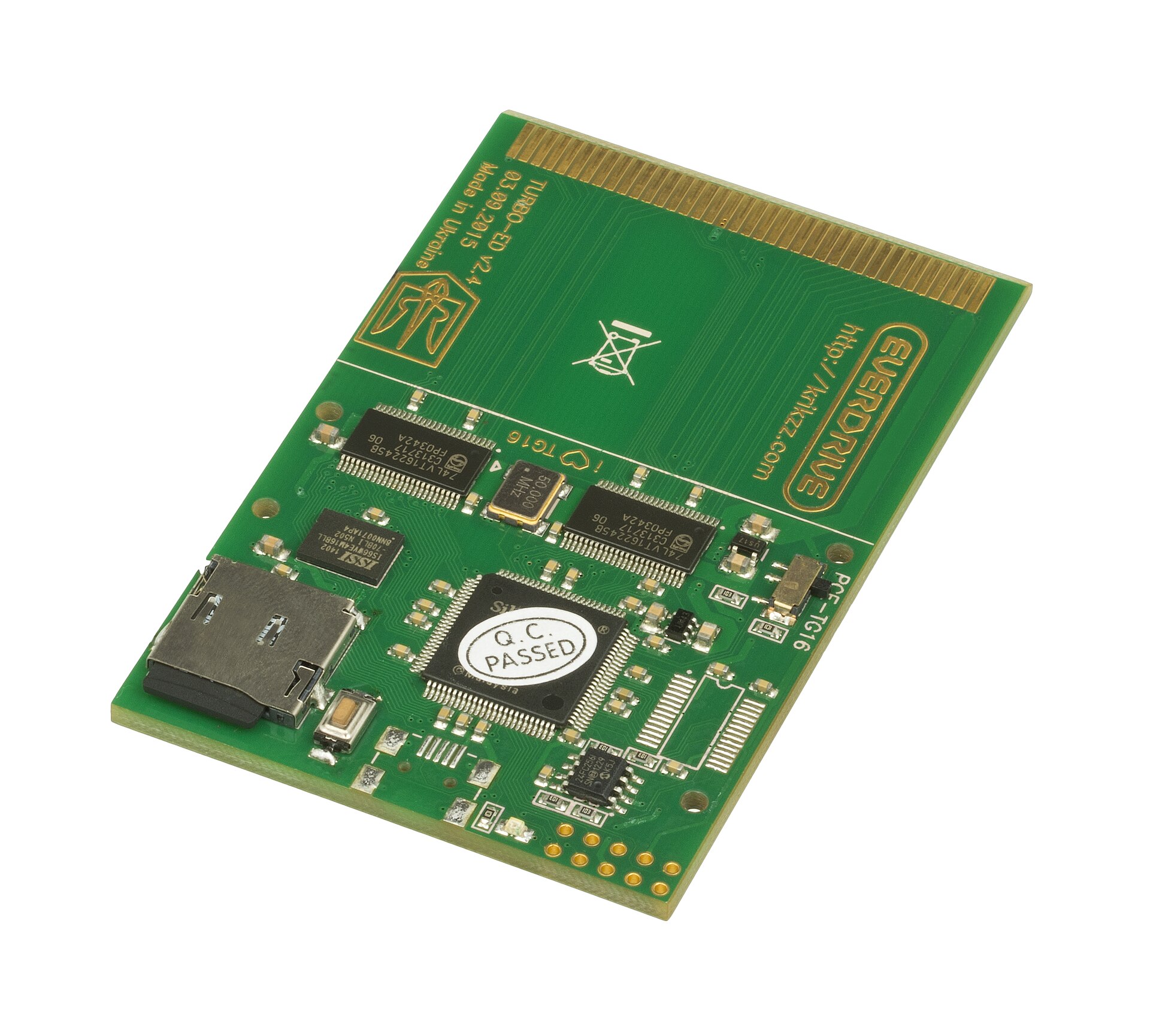
We tried loose North American cartridges, cleaned beforehand, a 150-in-1 multicart and an EverDrive N8. Every original booted. The multicart showed its menu, but some games failed to load, probably because they use a mapper the console does not recognize. With the EverDrive we could switch games in seconds, which is very handy for checking compatibility.
Equipo Wisegrow · Foto propia
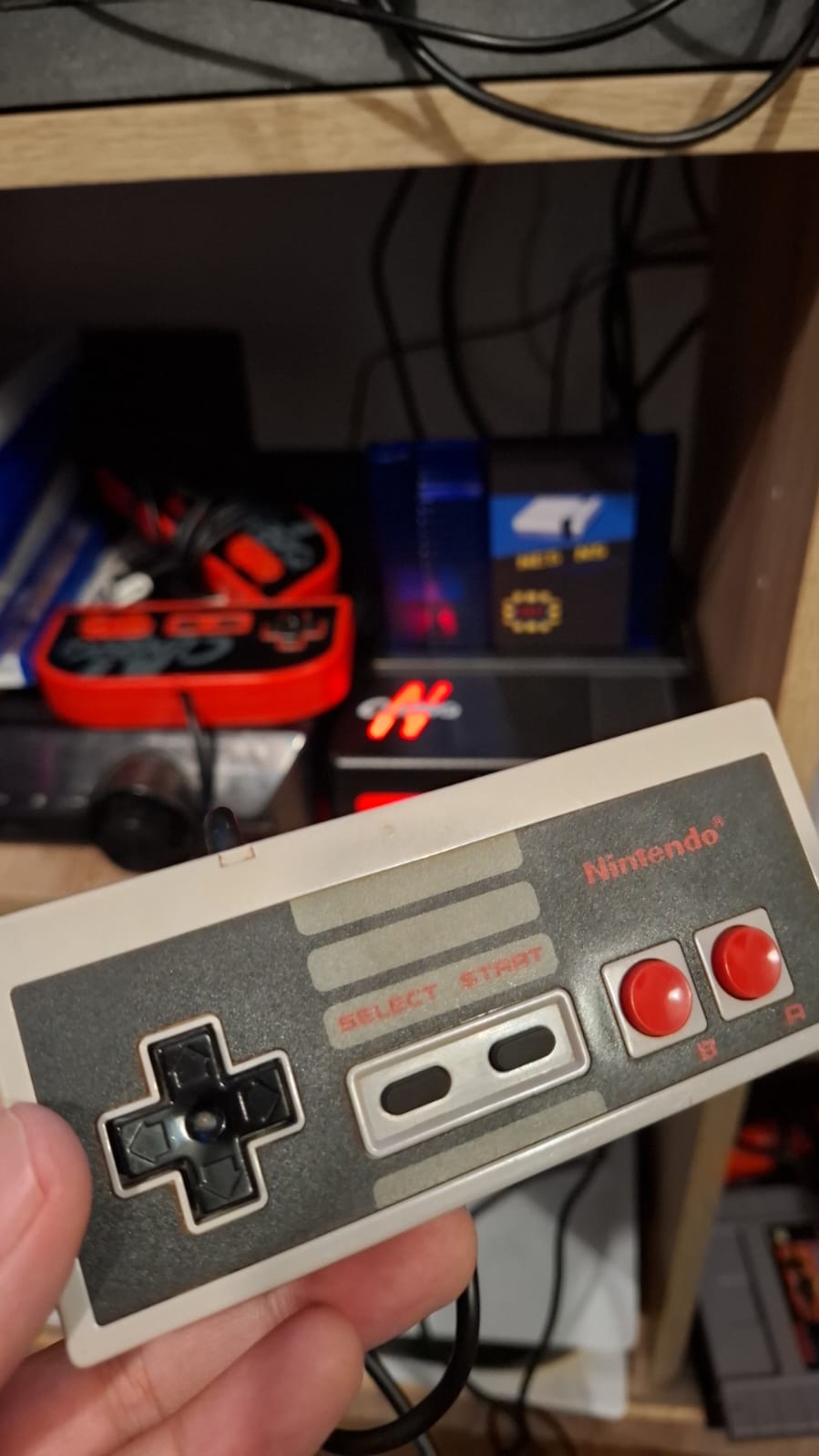
Equipo Wisegrow · Foto propiaThe weakest point is the controller. The D-pad is stiff and did not loosen after a week of daily use; you feel it twenty minutes into Super Mario Bros. The sound also strays from the original: in Castlevania and Mega Man 5, whose soundtracks we know well, some channels sound different. The picture, on the other hand, was clean and stable on our TV.
The slot takes the cartridge with less resistance than the NES-001 and without the tray's click. The cartridge sits firmly and never needed reseating all week, but anyone used to the original will notice the difference.
It does not take 60-pin Famicom cartridges without an adapter, which we did not test. Nor does it back up games: that requires a cartridge reader, as explained in the preservation section. And it will not fix dirty cartridges: the contacts still need cleaning.
Ask to test it with your own cartridge, not the shop's multicart. Check the picture on the kind of TV you will use and ask whether the controller can be swapped: a better pad fixes its main flaw.
The ClassiQ does not replace an original NES, nor does it try to. It works well as a second console, to keep playing while the original is being repaired or to test cartridges before buying them. The score, 7.5 out of 10, is pulled down by the controller and the sound.
Shops, repairers, fairs and creators from the retro scene: this page can be yours. Full-page, half-page or module ads.
Contact uscontacto@wisegrowretrogames.org Available formatsBack cover, inside or next to the section you choose.
Rate on requestHorizontal, under an article related to your business.
Rate on requestA quarter page: ideal for repair shops and fairs.
Rate on requestHorizontal ad inside editorial pages.
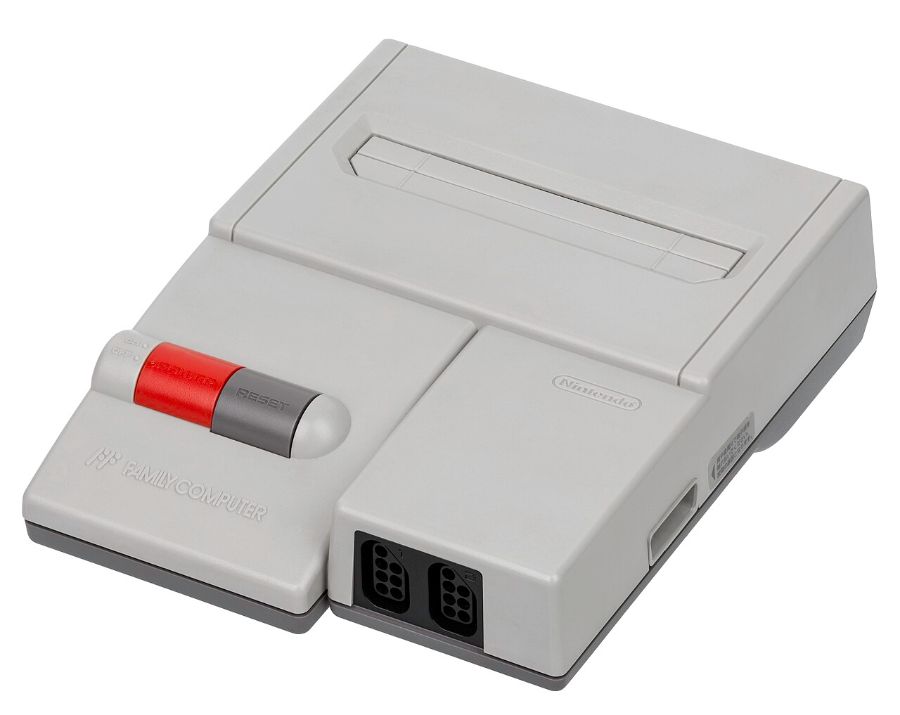
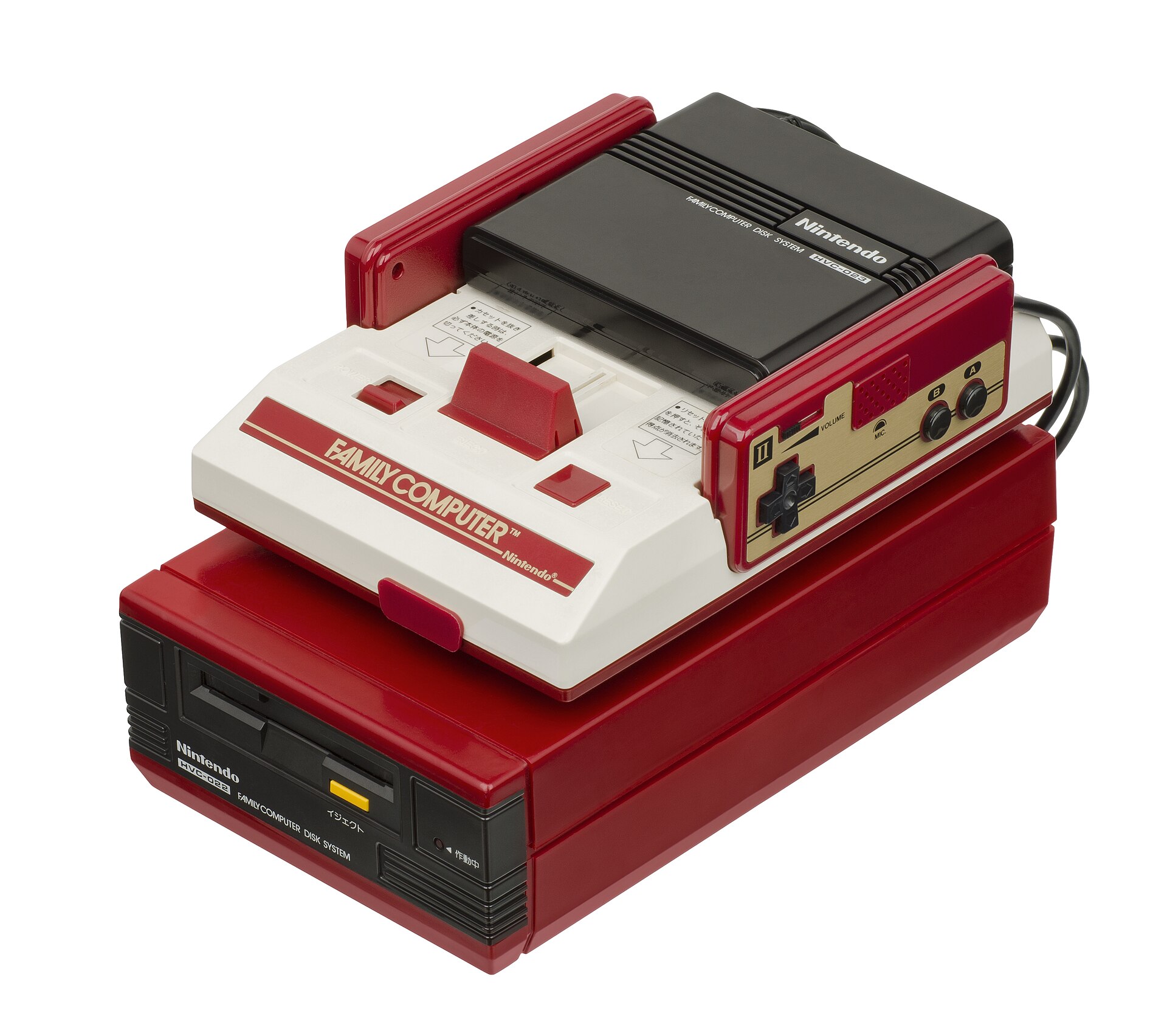
Rate on requestThe same console in five bodies: the Famicom, the NES, Sharp's Twin and the two redesigns Nintendo launched in 1993.
Evan-Amos · Public domain
Evan Amos · Public domain
Evan-Amos · Public domain
Evan-Amos · Public domain| Famicom | NES | Twin Famicom | NES-101 | AV Famicom | |
|---|---|---|---|---|---|
| Year | 1983 | 1985–86 | 1986 | 1993 | 1993 |
| Cartridge | 60 pins, top | 72 pins, front tray | 60 pins and disks | 72 pins, top | 60 pins, top |
| Controllers | Hardwired; II has a mic | Detachable | Hardwired | Detachable, dogbone | Detachable, dogbone |
| Video | RF | RF and RCA | RF | RF | Multi-AV |
| Disk | Disk System add-on | No | Built in | No | Disk System add-on |
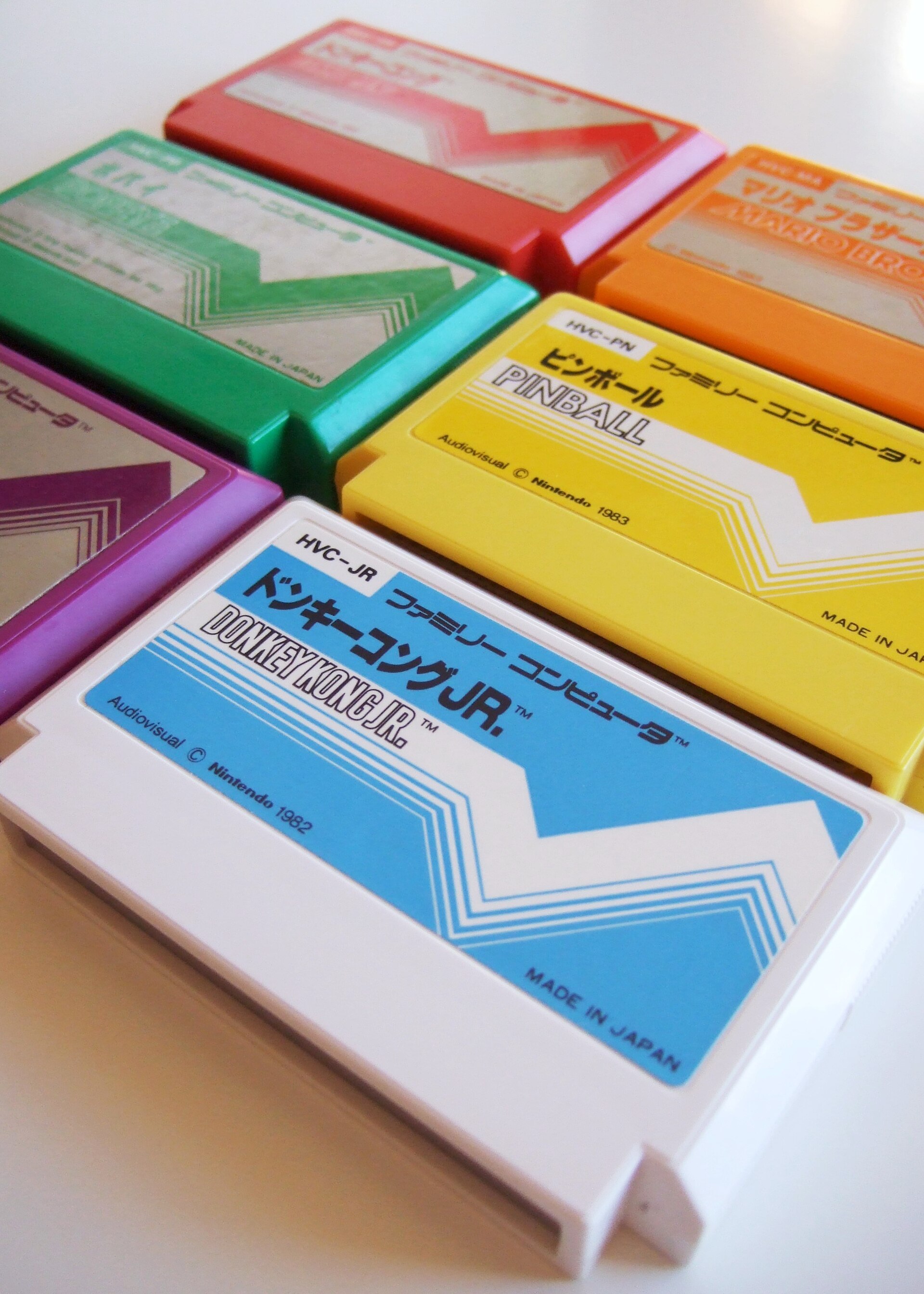
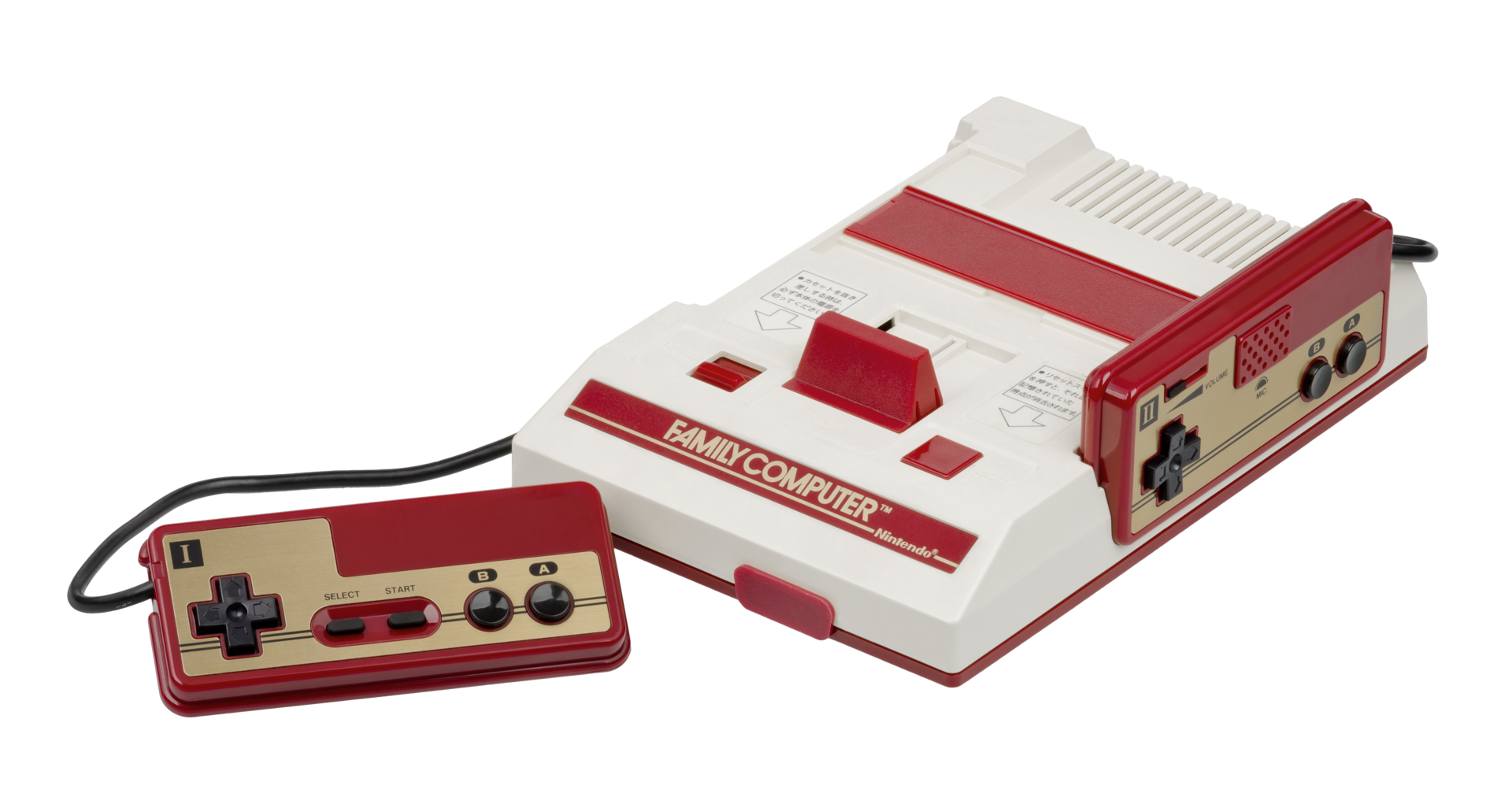
The Family Computer launched in Japan on July 15, 1983, red and white, with hardwired controllers and a microphone in the second one. For the United States, Nintendo redesigned it completely: the NES was test-marketed in New York from October 1985 and went nationwide in 1986, gray, with detachable controllers and a VCR-style front tray. Inside they share the processor and video chip, but the cartridges are not compatible: 60 pins versus 72.
In 1986 Sharp built the Twin Famicom under license: Famicom and Disk System in one unit, red with black trim or black with red trim. In Chile the norm was the NES or a clone; the Famicom came back with travelers or turned up at markets, and on an NES it needs a 60-to-72-pin adapter.
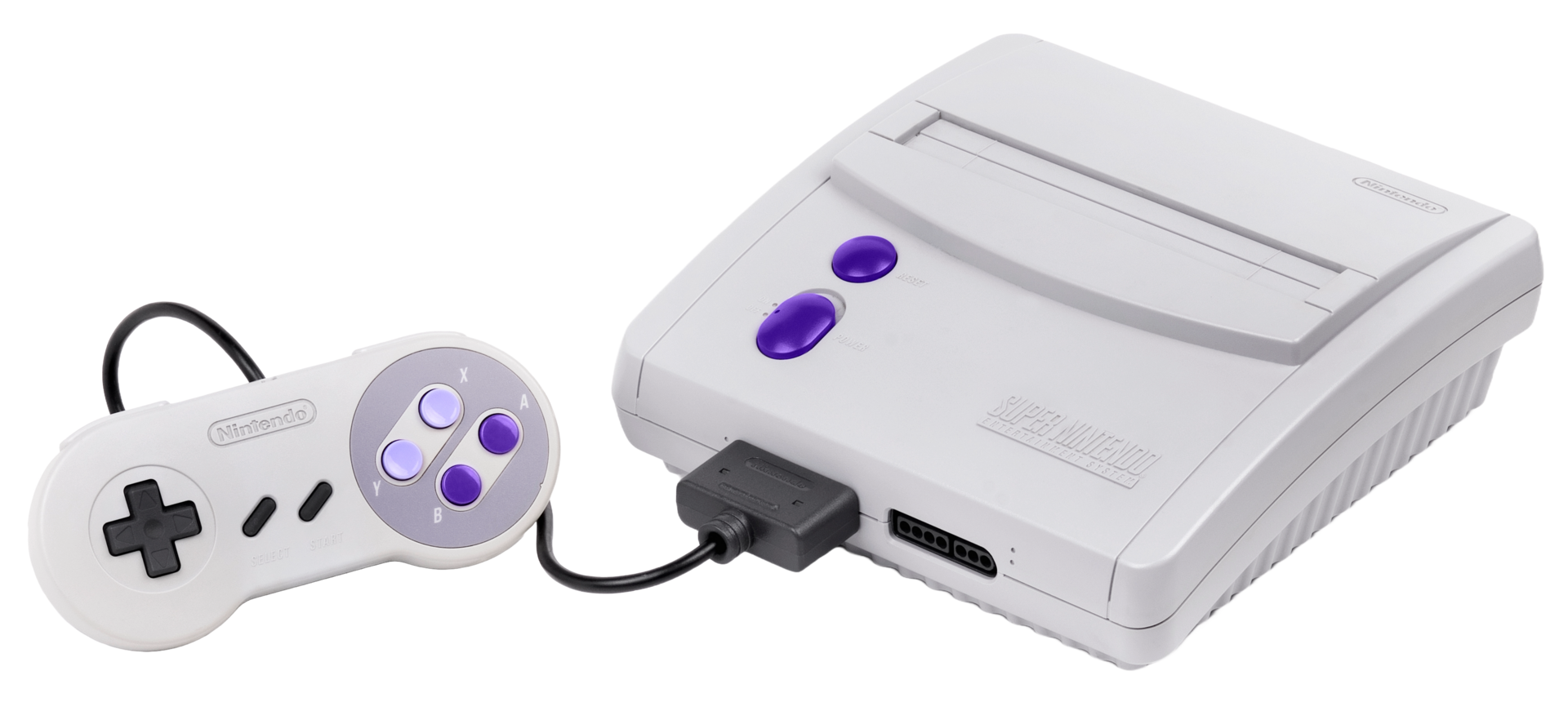
In 1993, with the Super Nintendo already in shops, Nintendo relaunched both consoles as cheaper, simpler models. In North America the NES-101 came out on October 15 at $49.99: the cartridge goes in from the top, like on the Famicom, which ended the 72-pin connector trouble. It has no lockout chip and no RCA outputs, only RF, and came with a new round-edged controller nicknamed the "dogbone".
In Japan the AV Famicom (HVC-101) arrived on December 1, gray and with the same design. It swapped the RF output for the Super Famicom's multi-AV connector and came with two detachable dogbone controllers, without a microphone. Its flat top still lets the Disk System be used. Today it is one of the most convenient ways to play Famicom cartridges on a TV with a video input.
Equipo Wisegrow · Foto propia
Sweet Home · Imagen de ficha, Wikipedia
Equipo Wisegrow · Foto propiaThree horror games for a night with friends: Capcom's mansion, a possessed town and Dracula's castle.
The plan is simple: turn off the lights, order pizza and play three cartridges that scare you in different ways. Sweet Home is about exploring and managing a group of characters; Mother unsettles you with a town that seems normal until it is not; Castlevania is straight action against the monsters of classic cinema. The first two are Famicom games never released in America at the time, and the third was a rental-store classic.
A five-person crew enters the abandoned mansion of painter Ichirō Mamiya to film a documentary and gets trapped. Each character has a tool of their own: Kazuo's lighter burns ropes, Taguchi's camera reveals frescoes, Emi's key opens locks, Akiko's medkit heals and Asuka's vacuum clears rubble. Whoever dies stays dead, and the rest must find another way forward.
The game makes you split the team and decide who goes where, which works very well among friends: one person holds the controller and everyone else argues about which door to open. Capcom revisited several of those ideas, such as the mansion, the limited inventory and the doors separating areas, in Resident Evil seven years later.


Low lights. One game at a time. Whoever has finished it does not narrate.— House rule
Equipo Wisegrow · Foto propia
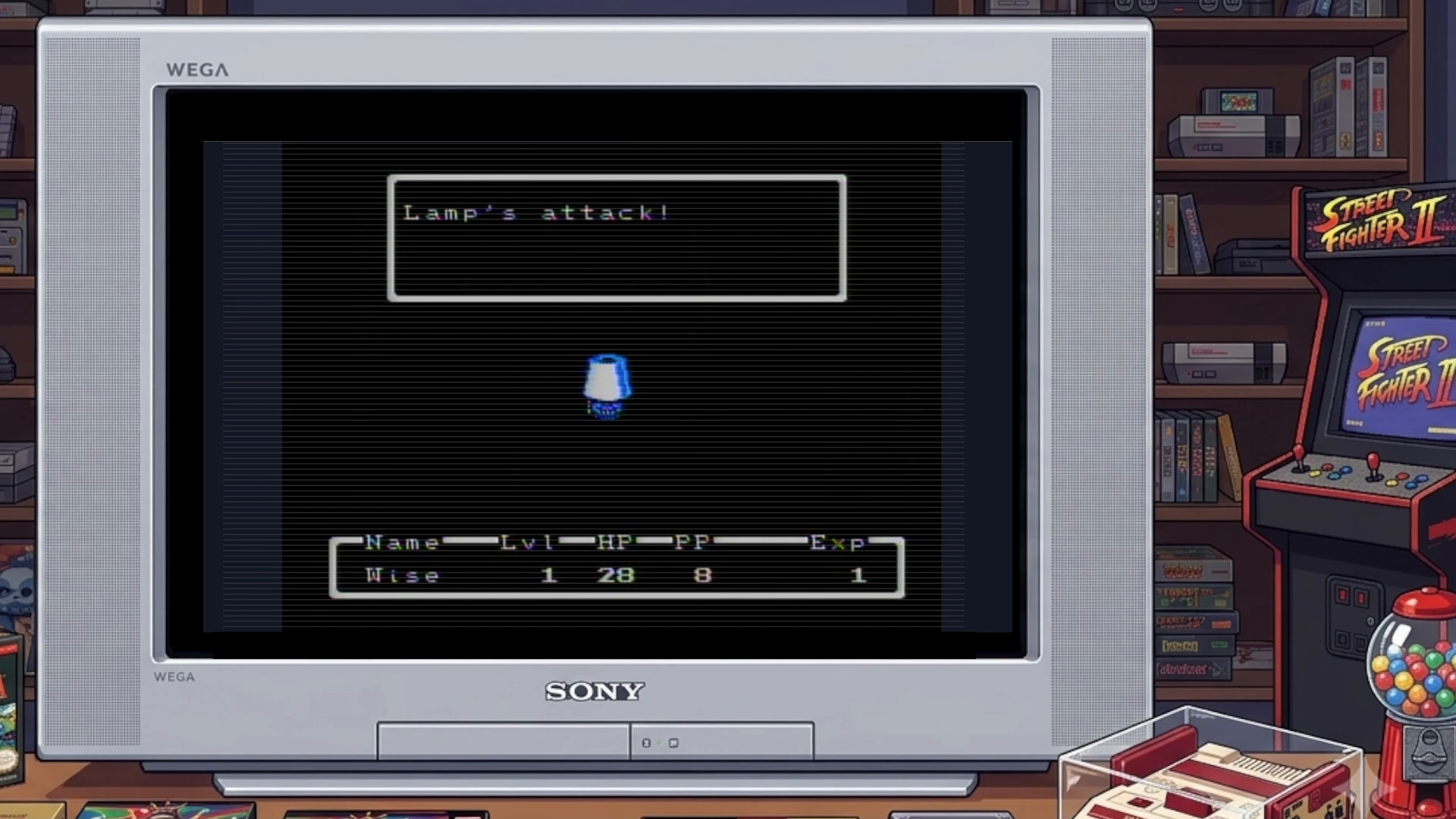
Castlevania · Imagen de ficha, WikipediaMother starts in Ninten's house, in an American suburb imagined from Japan: a lamp attacks, a doll moves on its own and the hero's father only ever appears on the phone. Battles are turn-based and the fear comes from strangeness more than jump scares. Our title screenshot reads EARTH BOUND because we used a translation patch; the original cartridge says Mother.
It is the game of the night that asks for the most quiet, because almost everything is told through text. It works best if someone reads aloud while the others listen.
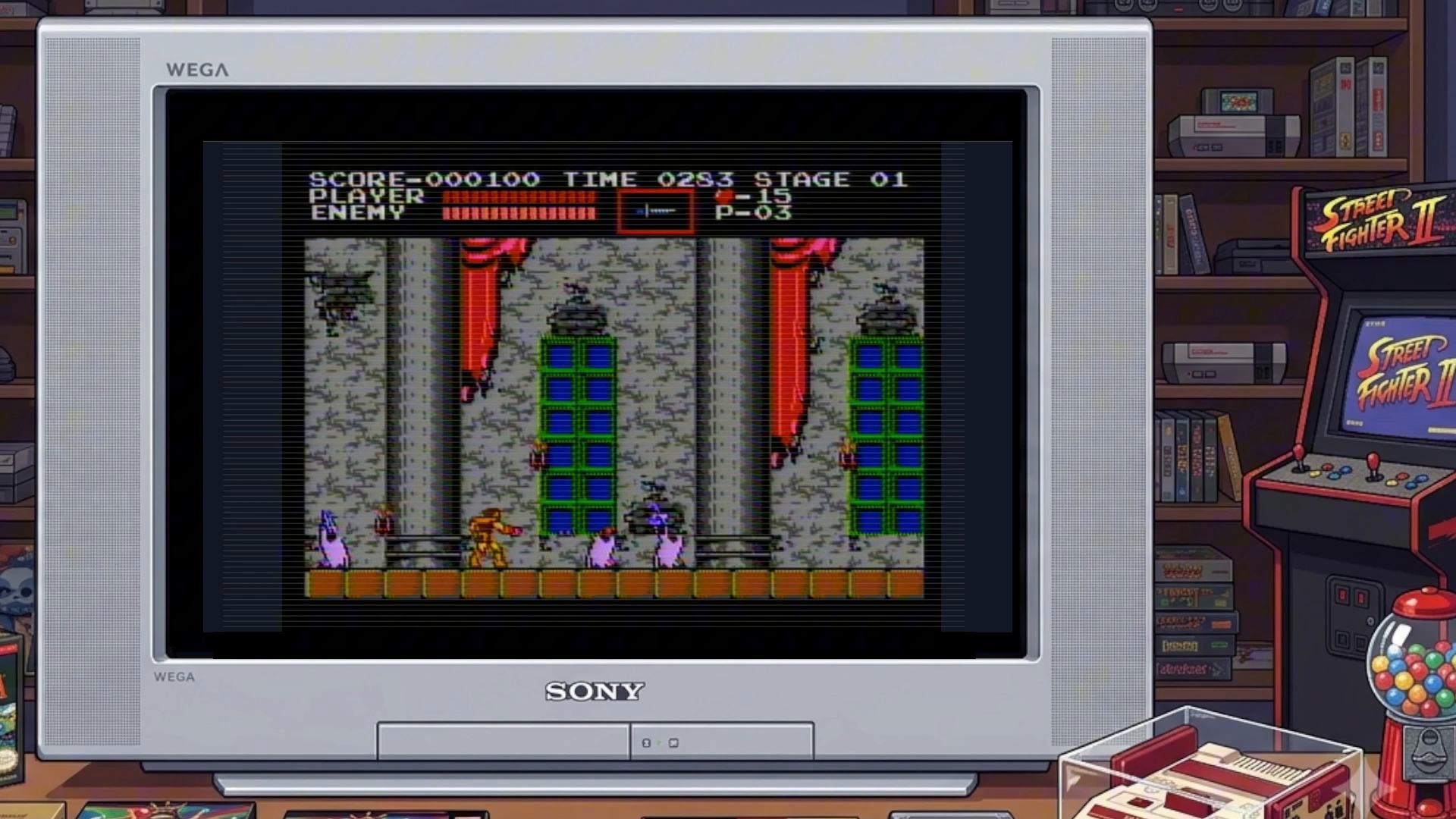
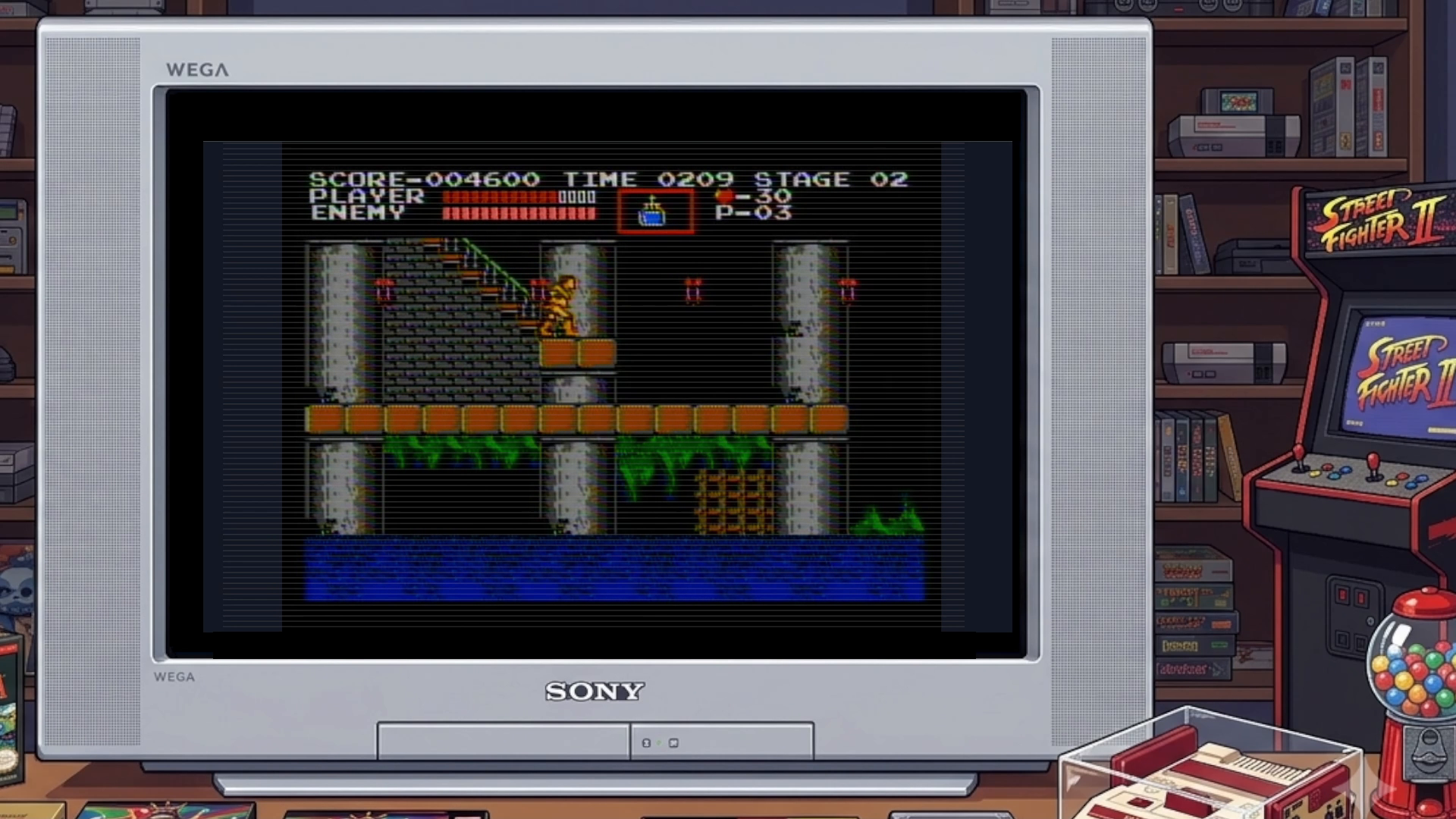
Castlevania reached Japan in 1986 for the Famicom Disk System and America in 1987 on cartridge. Simon Belmont crosses the courtyard and enters Dracula's castle, where bats, zombies, mummies, Medusa and Frankenstein's monster await. The whip is slow and short, and jumps cannot be corrected in mid-air, so every enemy calls for planning.
The opening stretch, with the hallway zombies and the candles hiding weapons, is perfect for passing the controller around. Then come the stairs, the pits and the water section, where fishmen leap up from below. The game is demanding, but its rules are clear: when you lose, you know why.
For four people we suggest starting with Castlevania, which you understand just by watching and lets anyone pick up the controller. Sweet Home works well second, with twenty-minute turns and shared decisions. Mother goes last, once the group has settled down. Sweet Home and Mother need a Famicom or a 60-to-72-pin adapter.
In Chile, only Castlevania of these three was available at rental stores. Sweet Home and Mother arrived much later, thanks to fan translations, and many people only discovered them in the internet era.


NES games were designed for tube TVs. What changes on a CRT, how to hook one up and what to check before taking one home.
Equipo Wisegrow · Foto propia
30pin Pictures · CC BY 2.0Artists in the eighties drew with a tube TV in mind. On a CRT, pixels are not sharp squares: phosphor glow softens them slightly, scanlines leave a visible gap and the dot patterns used to fake extra colors blend together. On an LCD those same patterns show up as a grid, and the picture goes through a scaler that adds lag.
That lag, even a few milliseconds of it, is noticeable in reflex games like Mega Man 5 or Castlevania. With the Zapper it is decisive: the gun only works with a tube's scan.
When checking a CRT, leave a still image on screen, such as a game's title, and look for a crooked picture, a dark or discolored corner, or any shaking. The tube shifts a little as it warms up, so check again after half an hour. Some cropping at the edges is normal: games were designed with that in mind.
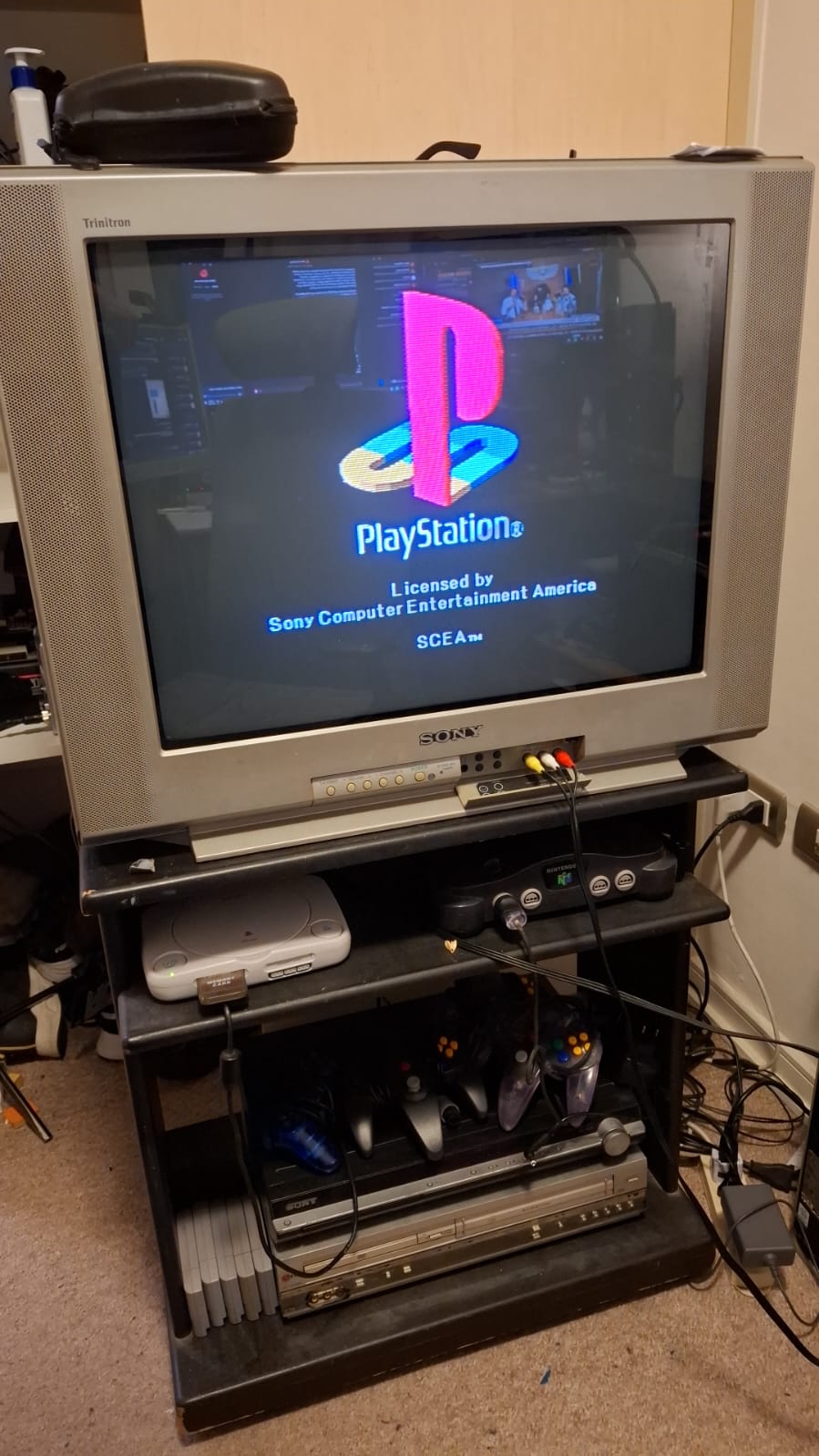
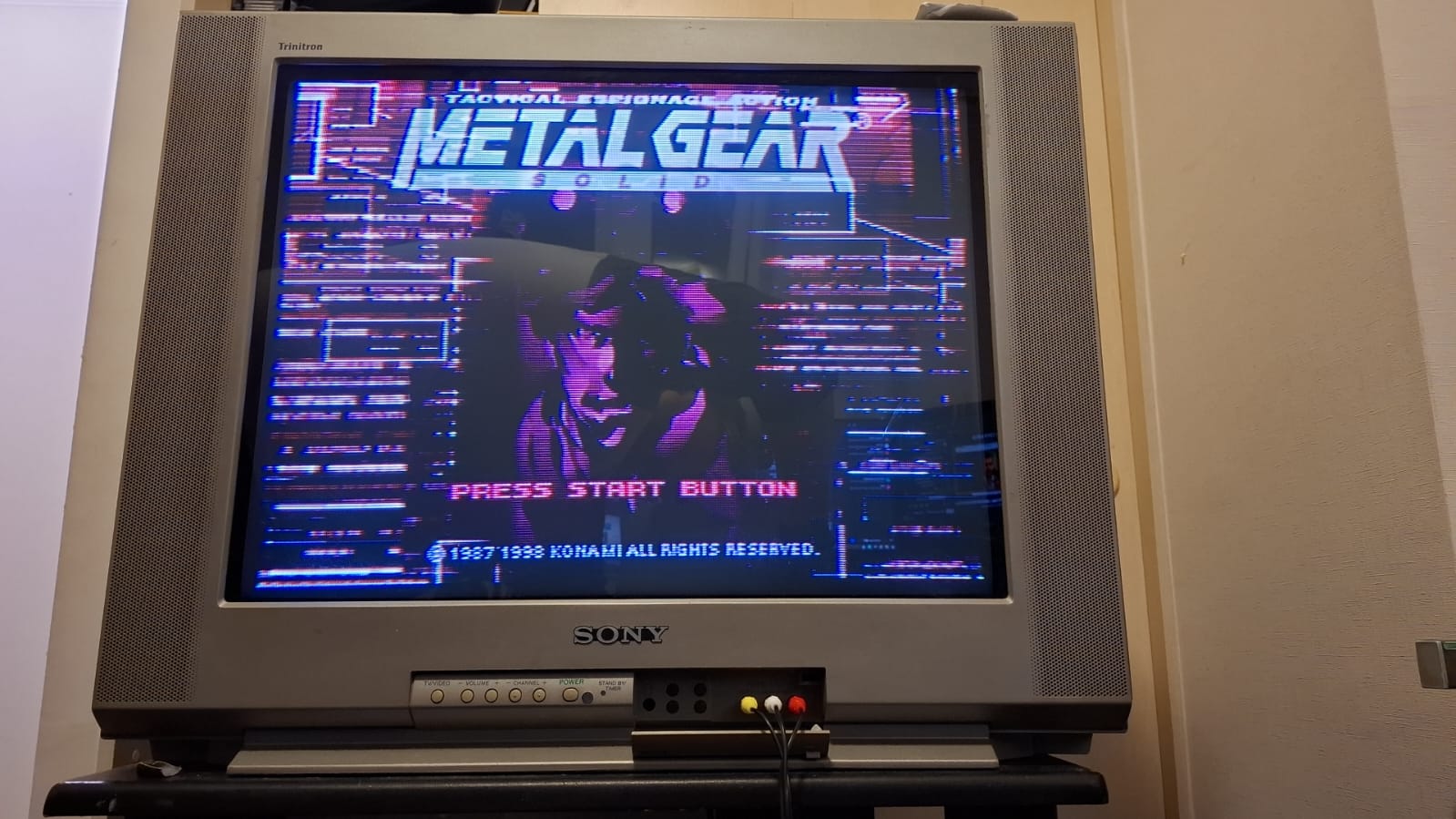
Many sets from the seventies and eighties have knobs for color, tint and brightness, which later moved into menus. With Mega Man 5 on screen, calibrating is easy: the hero's blue should not drift toward green and the red should not bleed past the outline. Sony's Trinitrons, like the ones pictured, use an aperture grille instead of the usual shadow mask, which gave them a brighter picture.


Equipo Wisegrow · Foto propia
Wikimedia Commons · CC BY 4.0The NES outputs two signals: RF, through the antenna output, and composite video, through the RCA video and audio jacks. If the TV has a composite input, use it: the picture is cleaner and free of RF interference. If the image jumps when you move the cable, the problem is the plug, not the TV.
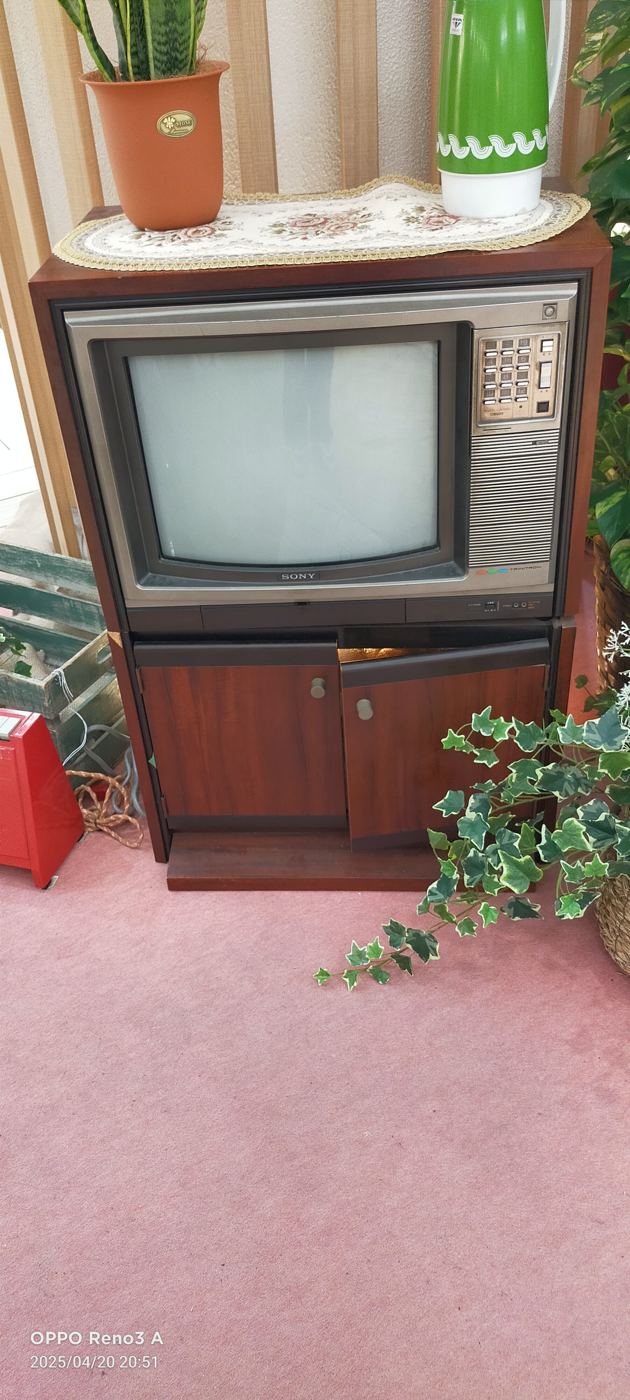
Tube TVs turn up at flea markets, house moves and estate clear-outs, and are often given away because nobody wants to carry them. Ask how long it sat unused and ask to see it running for at least ten minutes: a burning smell or a shrinking picture are warning signs. For reference, in April 1999 Entertainment Weekly listed prices of about $1,800 for a 32-inch Sony FD Trinitron WEGA and about $2,400 for the 36-inch model.
Chile's mains are 220 volts. A North American NES needs a 220-to-110 transformer; TVs bought locally already run on local power. Check the transformer first, because a faulty one can damage the console's power supply.
The cleaning you can do at home is external: dust off the case and vents with a dry brush and wipe the screen with a barely damp cloth, always with the set unplugged. Do not open the back cover. The tube holds a high-voltage charge long after it is switched off, and any internal repair is a job for a technician.
A tube also changes how a group plays. The screen is smaller and the sound comes from a single speaker, so everyone sits closer, around the same set.
Famicom and NES dates, next to the films and records released in those same years.
The Famicom launched in Japan on July 15, 1983 and the NES was test-marketed in New York from October 18, 1985. Between those dates, and in the years that followed, films and records came out that shared the same TV set and the same radio.
Evan-Amos · Public domain
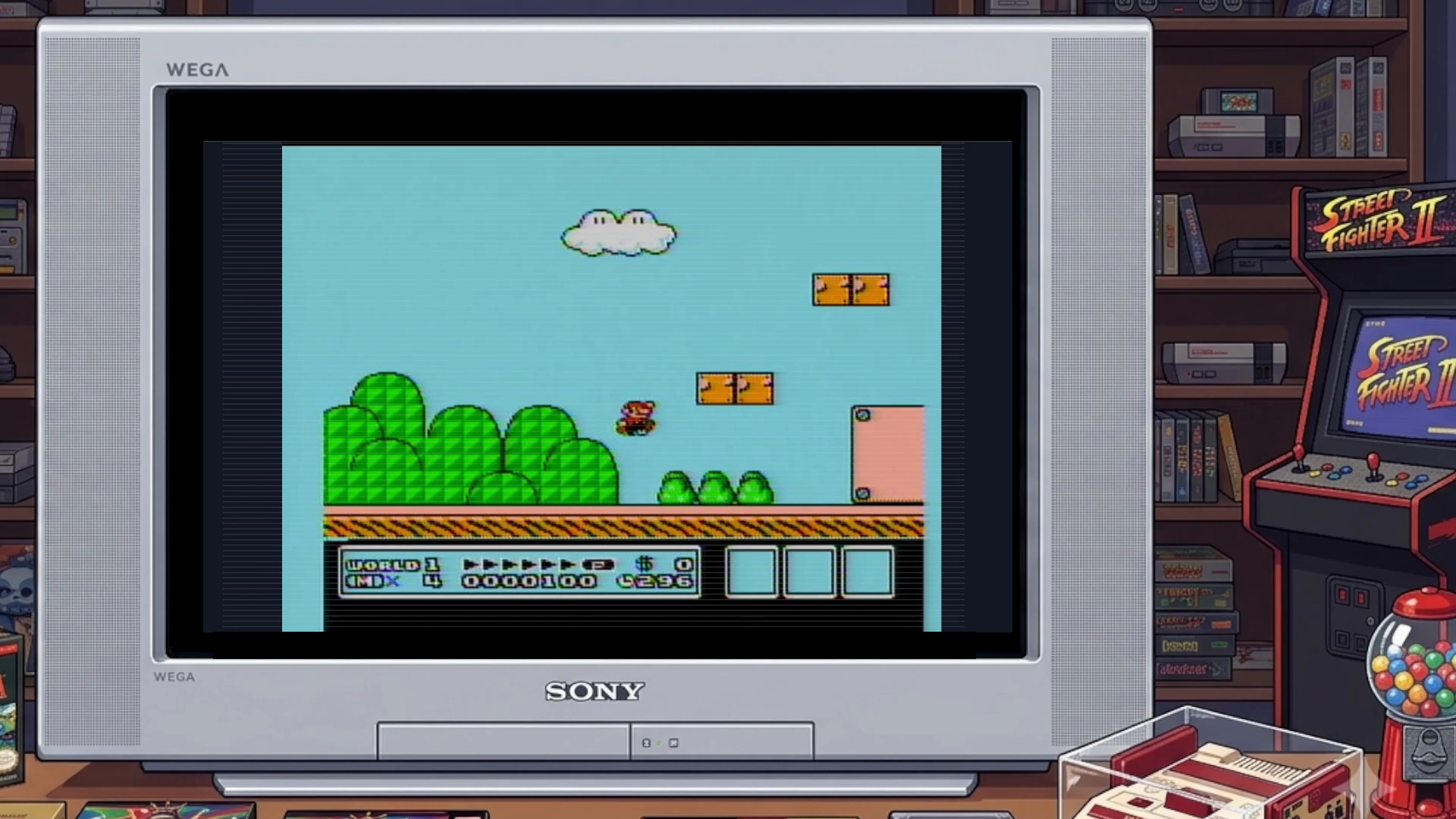
Equipo Wisegrow · Foto propiaLaunches in Japan on July 15. Return of the Jedi had opened two months earlier.
Test market from October 18. Super Mario Bros. had come out in Japan in September.
February brings the Famicom Disk System with The Legend of Zelda; July, Sharp's Twin Famicom. The NES goes on sale across the US.
Released in Japan in October. America gets it in February 1990.

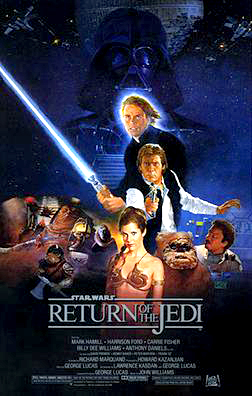
Return of the Jedi opened in the United States on May 25, 1983 and closed the original Star Wars trilogy. Seven weeks later, on July 15, Nintendo launched the Family Computer in Japan.
On the NES, the Star Wars game developed by Beam Software came out in 1991. Japan had received a very different version from Namco in 1987.
Images: Póster promocional
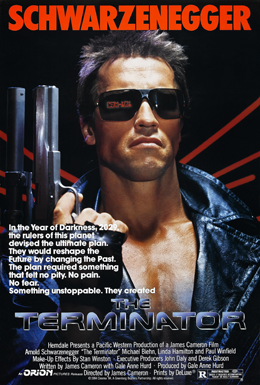
James Cameron released The Terminator in October 1984, with Arnold Schwarzenegger as the cyborg. It was a box-office hit and stayed a rental-store staple for years.
The NES game, published by Mindscape, came out in 1992, eight years after the film.
Images: Póster promocional
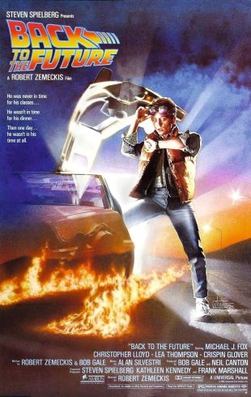
Back to the Future opened in July 1985 and was that year's highest-grossing film in the US. In October, the NES began its New York test.
The 1989 NES game was developed by Beam Software and published by LJN. It has a poor reputation even among fans of the film.
Images: Póster promocional
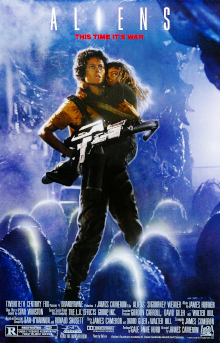
Aliens, the sequel directed by James Cameron, opened in July 1986, the year the NES launched across the United States.
There was no Aliens game for the NES. Square worked on an adaptation for the Famicom Disk System that was never released, and the console only got Alien 3, in 1993, based on a different film.
Images: Póster promocional
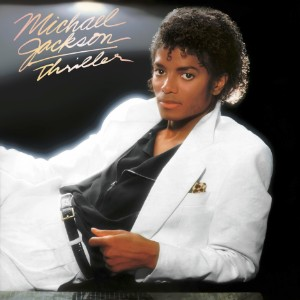
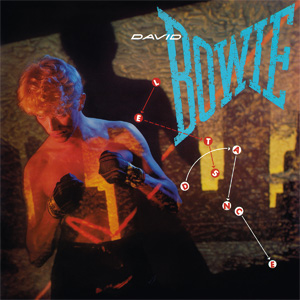
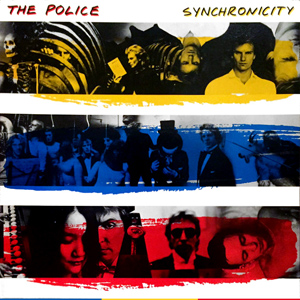
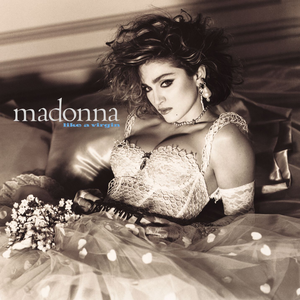
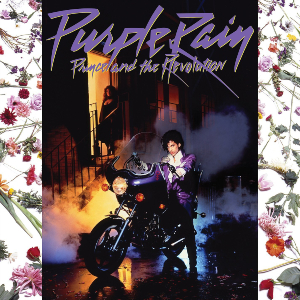
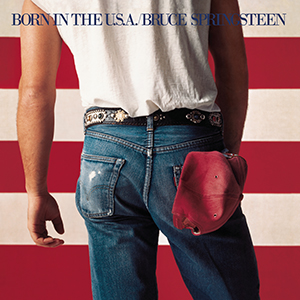
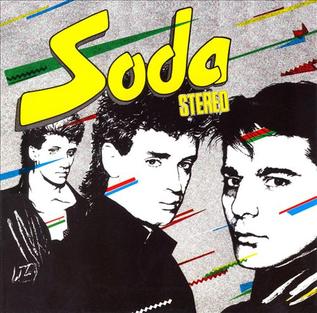
Michael Jackson's Thriller came out in November 1982 and ruled the charts through 1983, the year of the Famicom. The same year brought David Bowie's Let's Dance and The Police's Synchronicity. 1984 delivered Madonna's Like a Virgin, Prince's Purple Rain and Bruce Springsteen's Born in the U.S.A. In Argentina, Soda Stereo released its first album, which became a fixture on Chilean radio in the following years.
Images: Carátula
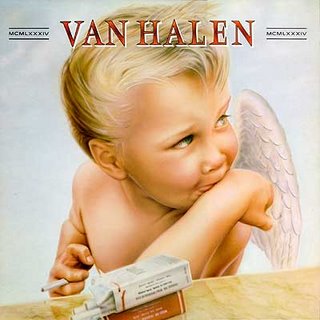
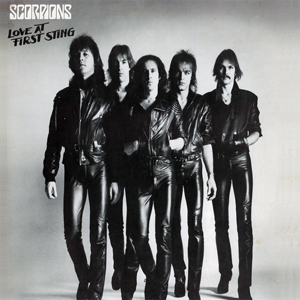
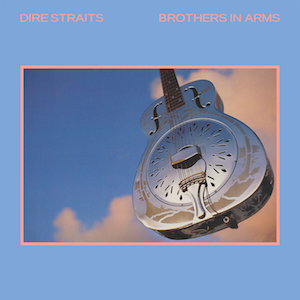
Van Halen released 1984, the album with Jump, in January of that year, and Scorpions put Still Loving You on Love at First Sting, also from 1984. Dire Straits' Brothers in Arms came out in 1985 and was one of the first albums to sell over a million CDs. On July 13, 1985, Live Aid was broadcast worldwide, with Queen among its most remembered sets.
Images: Carátula · CC BY-SA 4.0
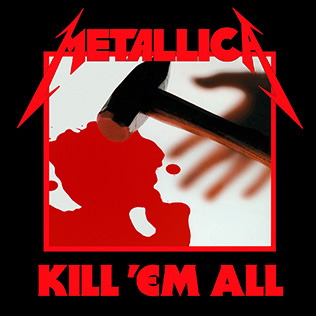
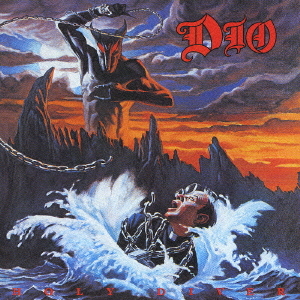
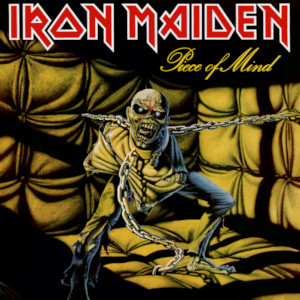
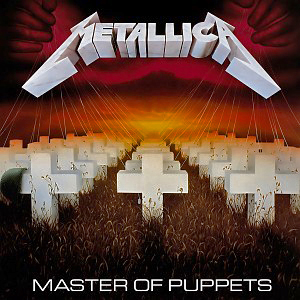
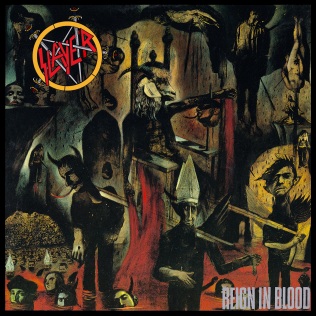
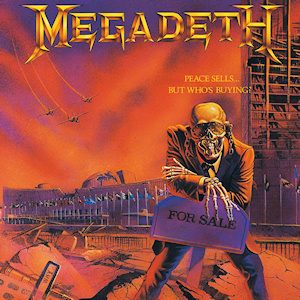
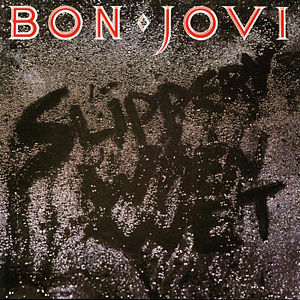
Metallica debuted with Kill 'Em All in July 1983, the same month as the Famicom. That year also brought Dio's Holy Diver and Iron Maiden's Piece of Mind. 1986 saw Master of Puppets, Slayer's Reign in Blood, Megadeth's Peace Sells... but Who's Buying? and Bon Jovi's Slippery When Wet.
Images: Carátula
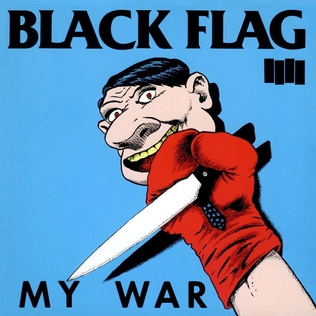
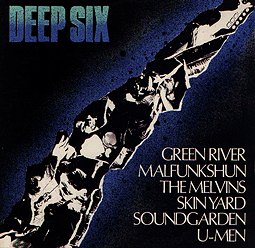
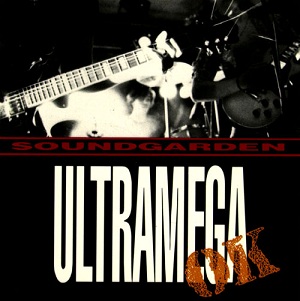
Black Flag released My War in 1984, with a second side of slow, heavy songs that influenced Seattle rock. Soundgarden formed that year and appeared on the Deep Six compilation in 1986. Its first LP, Ultramega OK, came out on October 31, 1988 on SST, Greg Ginn's label.
Images: CarátulaSmall studios and independent developers keep releasing new cartridges for the original console.
Evan-Amos · Public domain

The NES is still getting games. Small studios and independent developers publish cartridges that run on the original console, with shell, label and manual, and sell them through their own online stores. Many are built with modern tools but stay within the limits of 1985 hardware.
On October 22, 2026, Retroware announced that The Angry Video Game Nerd 8-Bit could be bought as an NES cartridge. Mega Cat Studios developed it: an action platformer with zombies and bosses, made for real hardware. The gray edition costs $69.99 and the red Nerd Rage edition $79.99, with a manual illustrated by Mike Matei. The announcement ran on Games Press.
Mega Cat had already announced two NES games in January. According to Time Extension, on January 8, 2026 it presented Plyuk, a puzzle game in which a creature clones itself to reach ledges, and Old Towers, a 40-level action maze Retrosouls had released earlier on other platforms. The digital version was announced for January 29 and the cartridge for later. The same store opened pre-orders for Echoes of the Unread, by Matt Tuttle and Clever Cat Games, loose or boxed, dated February 2026.
Prices are in US dollars and orders ship from the United States, so shipping and import taxes must be added to the total. Many physical editions are made in batches: they sell out and return months later. Some stores also sell a digital version.
A flashcart such as the EverDrive is useful for trying homebrew distributed for free or with its author's permission. New commercial games should be bought from their publishers' stores, which is how those projects keep going.
If anyone in Chile is developing for the NES, we want to hear about it. The forum has a thread for sharing playable builds, with the author's name and the project's license; what we test may appear in a future issue.
AVGN 8-Bit: the Retroware store. Plyuk, Old Towers and Echoes of the Unread: megacatstudios.com.
Club Nintendo, the neighborhood rental store and 220-volt transformers: how the NES reached Chilean homes.
The News Tribune/ staff photographer · Public domain
Ominae · CC BY-SA 4.0
Ben Schumin from Montgomery Village, Maryland, USA · CC BY-SA 2.0In Chile the NES had no launch like the one in the United States. It arrived through importers, electronics shops, travelers and, above all, rental stores, which rented out cartridges and sometimes consoles too. Many homes had both an original NES and clones that took the same cartridges.
In September 1992 the first Chilean issue of Club Nintendo appeared, published by Editorial Andina. That issue, now preserved in fan-run digital archives, carried reviews of Ninja Gaiden III, Battletoads, Double Dragon III and Batman: Return of the Joker, DuckTales maps, a preview of Super Mario World and regular sections such as the questions to Dr. Mario, Mario's challenges and the crystal ball, devoted to upcoming releases. Its pages also carried ads for chocolate, cereal and juice.
For many readers, the magazine was the only source of maps and tips. Rented cartridges rarely came with a manual, and the ones that did barely explained the controls.
The system was simple: you left your ID card or wrote your name in a notebook and took one or two cartridges home for a few days. Many games carried a sticker with the shop's name, which still shows up on cartridges sold at flea markets today. Those labels help reconstruct what was rented, where and when.
The North American NES runs on 110 volts and Chile's mains supply 220, so every imported console needed a transformer. Those heavy black boxes, which warmed up with use, were part of the TV cabinet in many homes. If you plug in an NES from that era today, the transformer is the first thing to check.
This story still has gaps: which importers brought consoles in, at what prices, which shops rented games and in which cities. If you have magazines, receipts, photos of a rental store or cartridges with rental stickers, share them in the forum with the city and approximate year.
Five verifiable tricks for games in the Top: what to press, on which screen, and what you see when it works.
Equipo Wisegrow · Foto propia


In the nineties tricks spread by word of mouth and through magazines like Club Nintendo, and they did not always arrive intact. So for each one we give what to press, on which screen and what you should see if it works. All of them apply to the North American versions of the cartridges.
On the title screen, using controller 1, press up, up, down, down, left, right, left, right, B, A and Start. The game starts with 30 lives instead of 3. It is worth trying without it first.
On the password screen, enter JUSTIN BAILEY and fill the remaining spaces with dashes. Samus starts without her suit and with several upgrades already collected. The password became famous because it is a valid combination in the password system, not a deliberately programmed cheat.
When registering a new file, enter ZELDA as the name. The game starts straight in the Second Quest, with relocated and harder dungeons: the same adventure normally unlocked by finishing the game.
In World 1-3, stand on the white block near the end and hold down for a few seconds. Mario drops behind the scenery. Run to the end of the level without leaving the background and you will enter a Toad House with a whistle, which takes you to the warp zone.
After Game Over, on the title screen, hold the A button and press Start. The game continues from the first level of the world where you lost.
Check the cartridge's region: Japanese and European versions sometimes use different sequences. Tell us in the forum which one you have and we will look into it.
Shops to buy, sell or repair. Each one with its location and contact.
Physical shop · Av. Valparaíso 617, unit 71B, Galería Carrusel (top floor), Viña del Mar
Games for NES, SNES, N64 and every retro console, current consoles, a bargain section and Pokémon cards. They service consoles and take games for trade or sale.
Online shop · Ships across Chile via Starken
Toys, keychains and other vintage items, with real photos of each product. Price questions answered with no obligation.
La Serena · Ships across Chile via Starken
Nintendo consoles and video games. Their catalog includes Wii and Nintendo 3DS games and Game Boy Advance consoles, among others.
This directory grows with every issue. Write to us to be listed or to advertise in the magazine.
contacto@wisegrowretrogames.orgThis issue's forum threads: repairs, compatible consoles and Famicom cartridges in Chile.
Equipo Wisegrow · Foto propia
Evan Amos · Public domain
Equipo Wisegrow · Foto propiaWrote about a game, a repair or a memory? Send it and we will publish it, with your byline.
A photo of your gaming corner and a few lines: you will appear in Reader setups.
December 2026: Sega's 16-bit console, its two controllers and the Tectoy story.
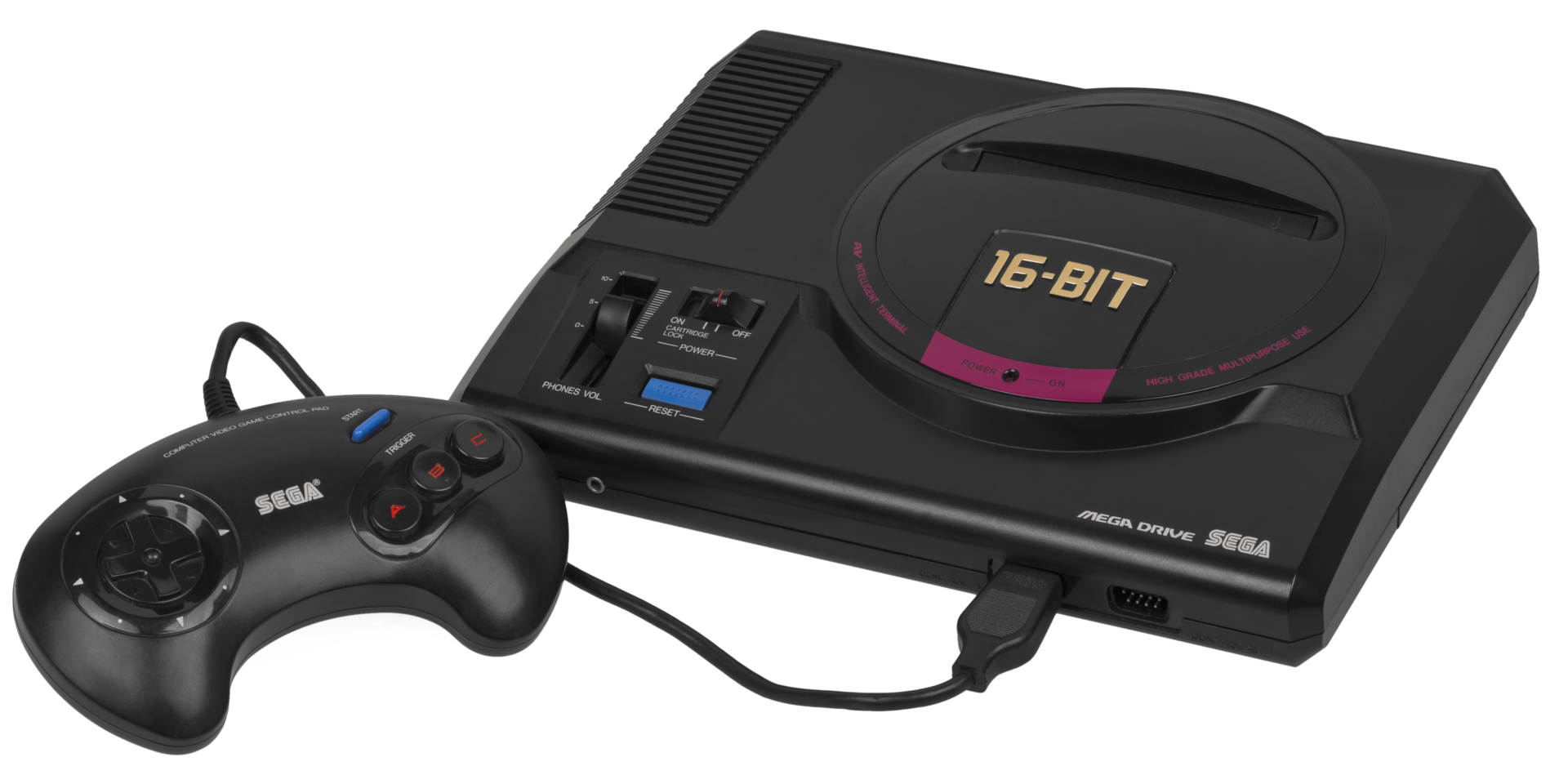
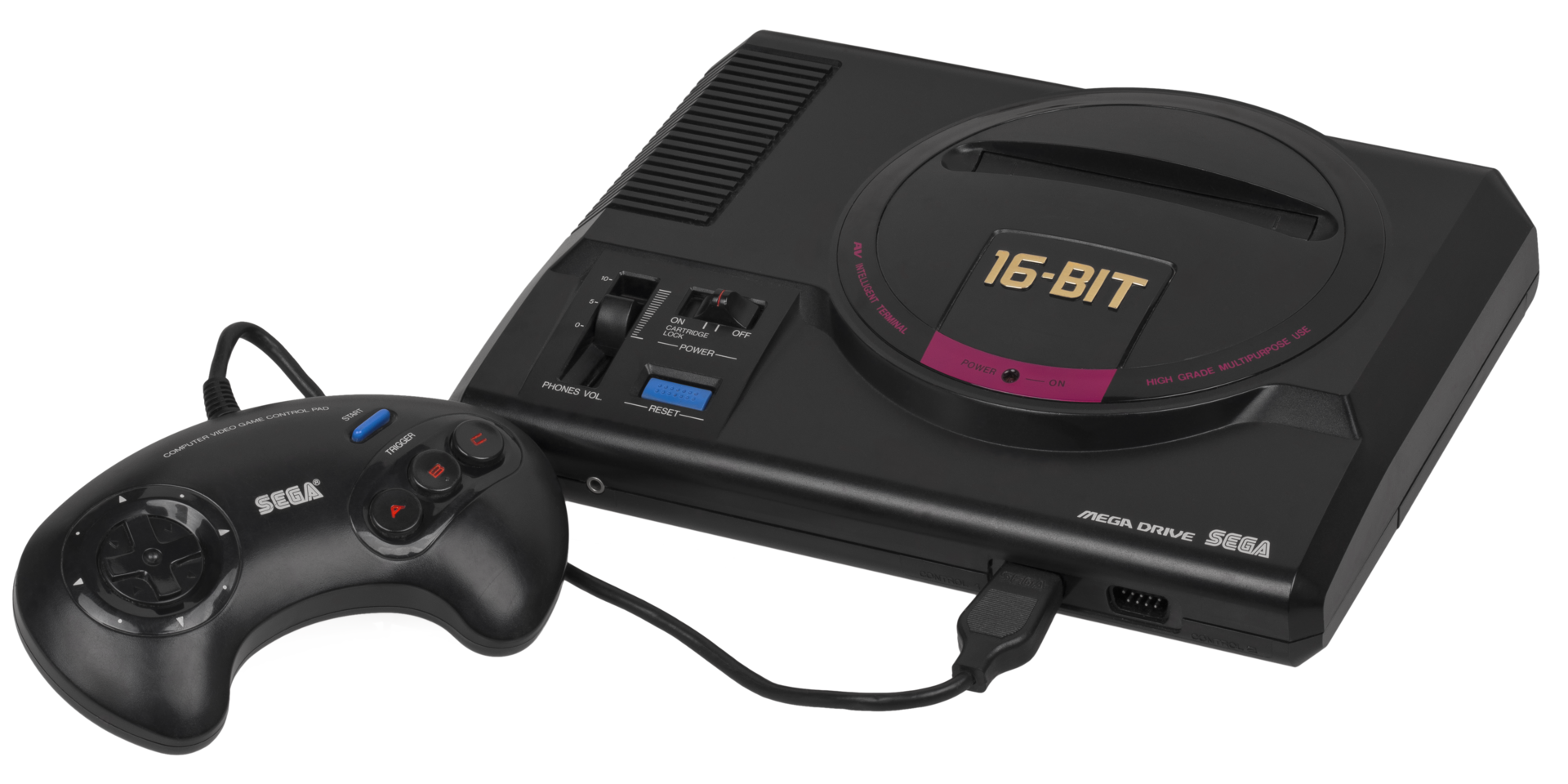
Evan-Amos · Public domainIssue 2 is devoted to the Mega Drive, Sega's 16-bit console, released in Japan in 1988 and in the United States in 1989 as the Genesis. It arrives in December 2026.
It will have its own Top, with Sonic the Hedgehog and Streets of Rage as certainties, plus other games we can test and photograph on the same tube TV used in this issue.
The original pad has three action buttons, enough for Sonic or Streets of Rage. In 1993 Sega released a six-button pad aimed at fighting games like Street Fighter II', which on the three-button pad forced you to switch between punches and kicks with Start. We will compare both after several weeks of use.
In Brazil, the Mega Drive was made and distributed by Tectoy, which kept it in production for decades. We want to know how many of those consoles reached Chile and how. If you had one, tell us in the forum what the box said and where it was bought.
As in this issue, the Sonic and Streets of Rage tricks will come with the exact sequence and what appears on screen when they work.
Evan-Amos · Public domain
Evan-Amos · Public domainRetro and current video games, Pokémon cards and console servicing, in a shop you can visit and browse at your own pace.
Games for NES, Super Nintendo, Nintendo 64 and the rest of the classic consoles.
Recent-generation consoles and games, from PS2 to PS4 and beyond.
A corner with games at good prices. Worth a look on every visit.
A shelf of cards from every generation to browse in person.
Maintenance for your consoles, retro or current.
If you want to trade or sell your games, they do that too.
Av. Valparaíso 617, unit 71B · Galería Carrusel, top floor · Viña del Mar
Walk into the arcade and go up to the top floor. The stairs are quicker than looping round the corridors. You cannot see the shop from outside: it is behind a door. Open it.
One console per issue. And in every one: the best games, tricks, reviews and accessories.
Evan-Amos · Public domain