Viña del Mar · Chile
Why do we still play?
History, hardware, collecting, preservation, homebrew and Chile's retro scene.

History, hardware, collecting, preservation, homebrew and Chile's retro scene.
Issue #00
Issue zero, launch edition: the philosophy of Wisegrow RetroGames Magazine and everything to come.
All 36 pages of the issue. Pages in production are shown as wireframes.

History, hardware, collecting, preservation, homebrew and Chile's retro scene.
Evan-Amos · Public domain
G0T0 · CC0Issue zero, launch edition: the philosophy of Wisegrow RetroGames Magazine and everything to come.
Welcome to issue zero. A magazine made by players, for players, from Chile.
TalkTuahLunchly · CC BY 4.0For years we dreamed of a magazine that spoke about the way we play: blown-on cartridges, neighborhood rental stores and Sunday flea markets. A magazine that treated retro gaming as what it is: culture.
Wisegrow RetroGames Magazine is born digital, but it thinks in print. Every page is designed to be printed one day and earn a spot on your shelf, next to the games you collect.
Each issue will be dedicated to one console. We'll cover history, hardware and how to fix it, responsible collecting, preservation without piracy and the homebrew scene that keeps these machines alive.
And above all, we'll talk about you. The magazine is connected to the community forum: your questions, setups and restorations will be part of every edition.
Alongside the magazine we are launching the Preservation Kit: guides, free software and homebrew to back up the cartridges you already own, with no commercial ROMs. It is our way of saying that preserving is not pirating. This issue zero is an invitation. Press Start.
What moved in the retro world this month. Our own summaries, with a link to every source.
Mitch Altman from San Francisco, USA · CC BY-SA 2.0Plaion moved its recreation of SNK's console from November 12, 2026 to September 16, 2027, citing component supply constraints.
Source: Time Extension ↗Ninja Gaiden III, Ikari Warriors and R.C. Pro-Am II join the Nintendo Classics library. A simple, legal way back to them.
Source: Nintendo Life ↗Limited Run Games and Retro-Bit opened preorders for a physical reissue of the 1999 classic, with its soundtrack on CD and vinyl.
Source: Gaming Retro ↗Hyperkin unveiled two editions of its handheld that plays original SNES cartridges, inspired by Famicom and Super Famicom colors. They launch October 28.
Source: Gaming Retro ↗A port by a demoscene developer became a licensed release: homebrew opens doors too.
Source: Time Extension ↗Press Start is an editorial roundup: news is told in our own words and we always link to the original source. Got news from the Chilean scene? Write to contacto@wisegrowretrogames.org.
vonguard · CC BY-SA 2.0Forty years after the Famicom, with consoles rendering whole worlds in 4K, millions of people still choose 8 and 16-bit cartridges. It isn't just nostalgia: it's design, ritual, ownership and community.
There's a sound anyone who grew up in the nineties recognizes instantly: the dry click of a cartridge sliding into the console, followed by the hum of a tube TV waking up. It's a ritual. And like every ritual, it survives because it means more than the act itself.
The easy answer is nostalgia. But nostalgia doesn't explain why young players who never owned an NES now hunt for cartridges at flea markets, why the homebrew scene keeps releasing new games for forty-year-old machines, or why big companies keep reissuing their classic catalogs. Something in those games still works.
Part of the answer is design. With limited memory, every sprite, every note and every level had to justify its existence. The result is direct, readable games you learn in seconds and master over years. You switch the console on and ten seconds later you're playing: no updates, no accounts, no stores, no notifications.
There's also ownership. A cartridge is yours: it doesn't depend on a server or a license that might disappear. At a time when digital games get pulled from stores, owning the physical object, worn label and manual included, has become almost an act of resistance.
And there's time. A session of Super Mario Bros. 3 or Sonic fits into a free hour. Retro games don't ask for a hundred hours or a season pass: they ask for skill, and they give back real progress. Going back to them means going back to a more human pace.
The last part is people. Retro gaming is, above all, a community: people who repair consoles, document, preserve and trade cartridges on a Sunday at the market. Parents teaching their kids the same game that shaped them. This magazine was born to tell those stories, here, from Viña del Mar.
An 8-bit game doesn't ask for your time: it asks for your attention.— Rodrigo Fuentes
Wojciech Pędzich · CC BY-SA 4.0The story of the consoles, arcades and games that defined four decades of gaming culture.
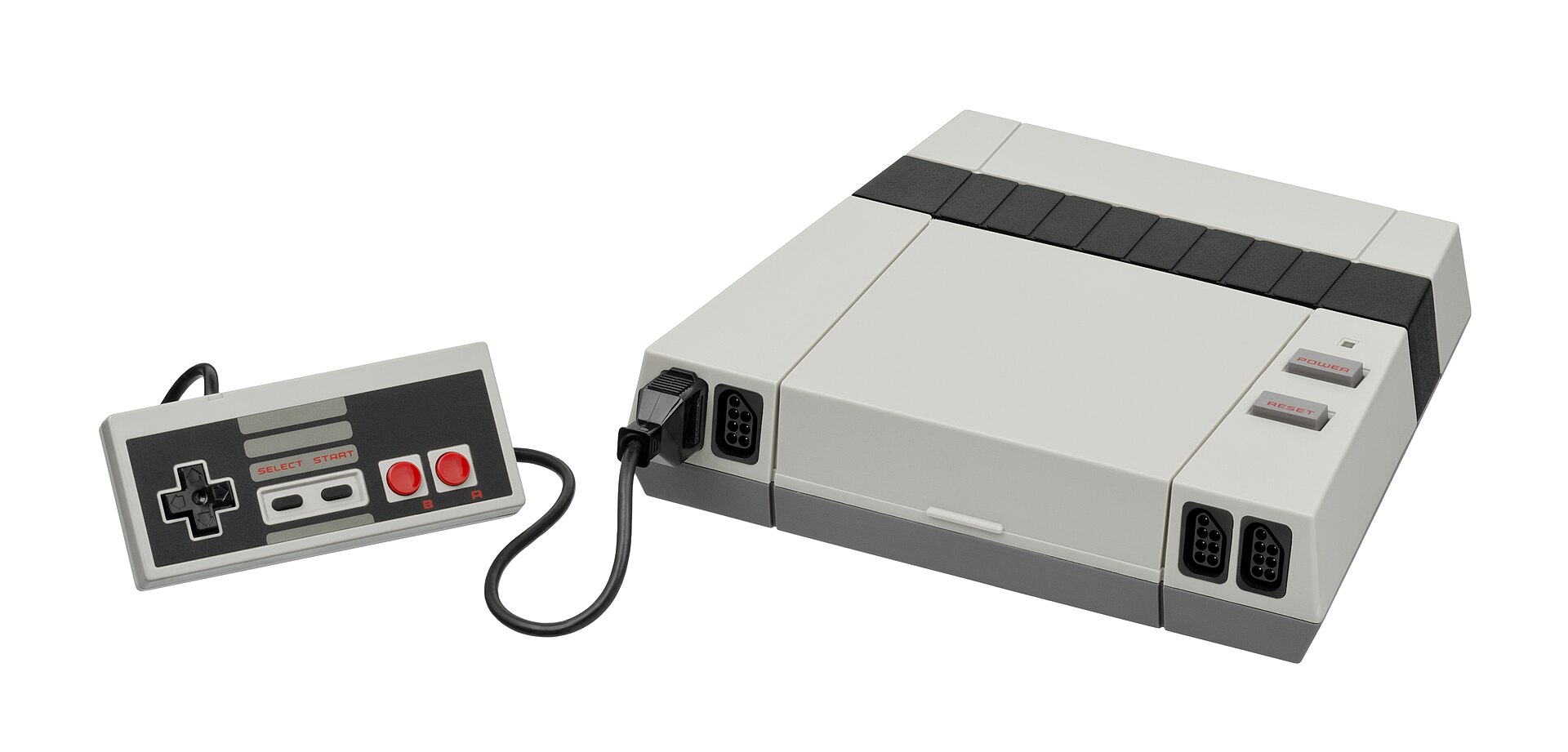
Evan-Amos · Public domainFrom Japan's 1983 Famicom to the gray box that reached North America in 1985: how one console rescued an entire industry.
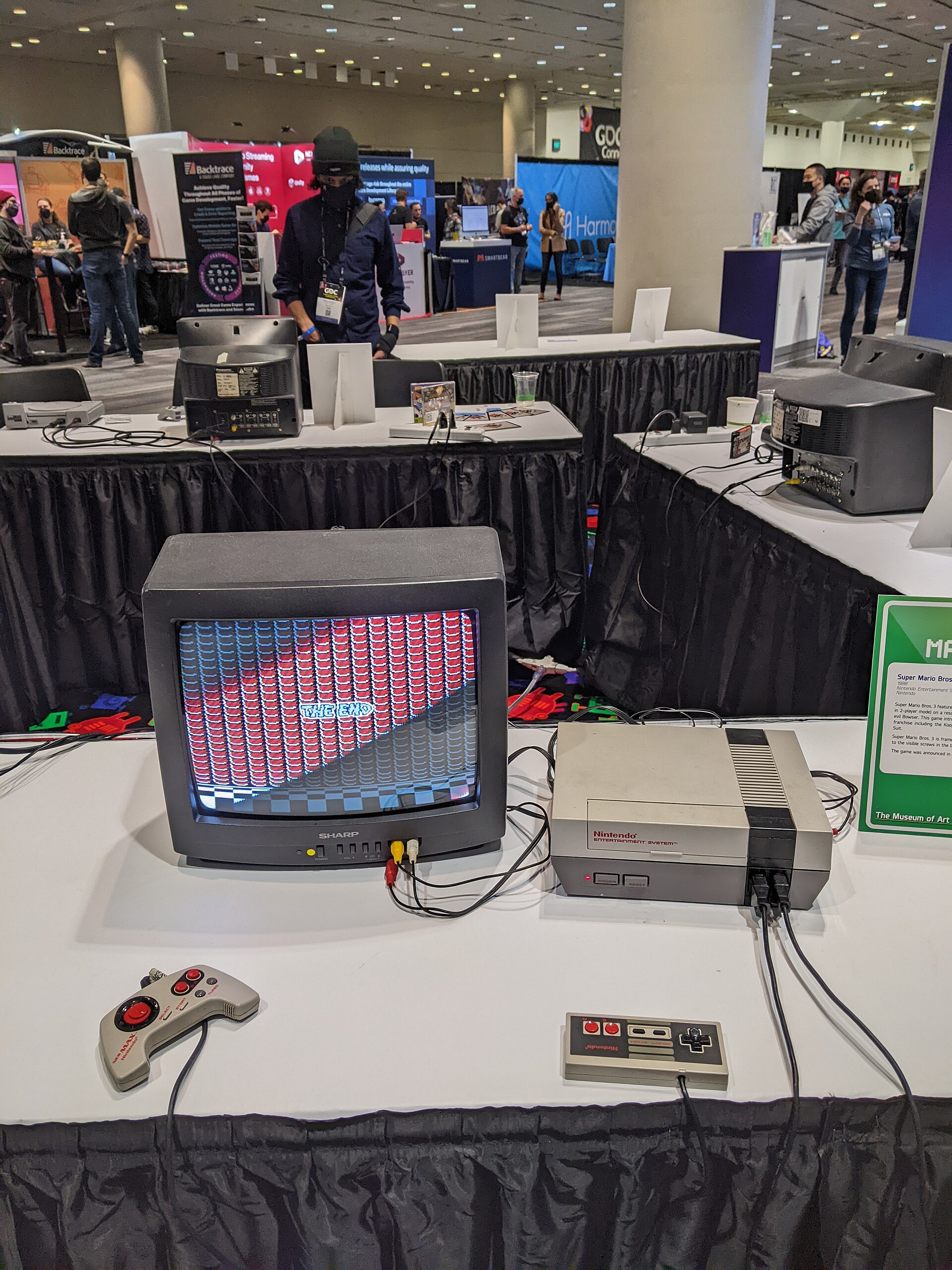
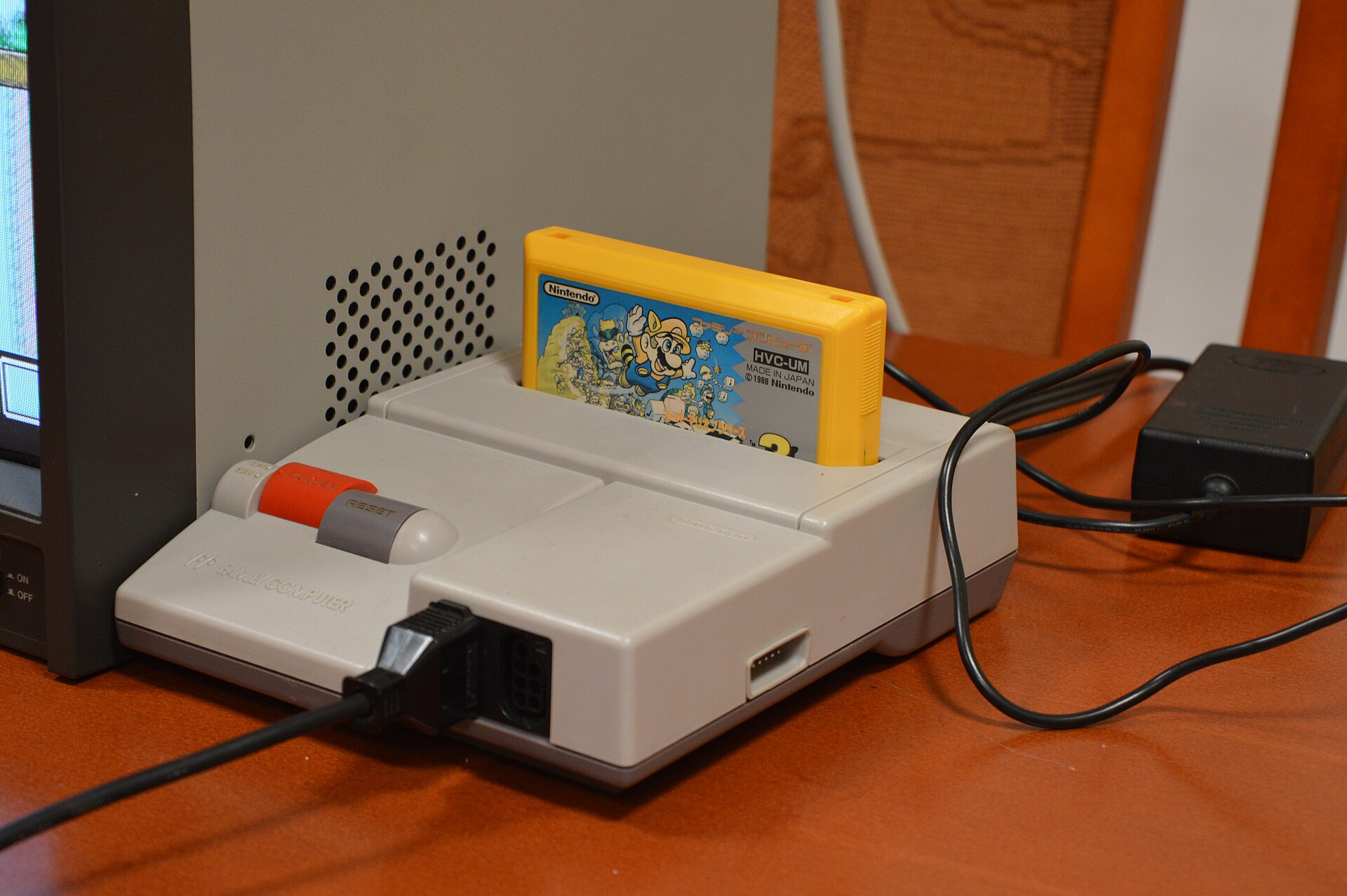
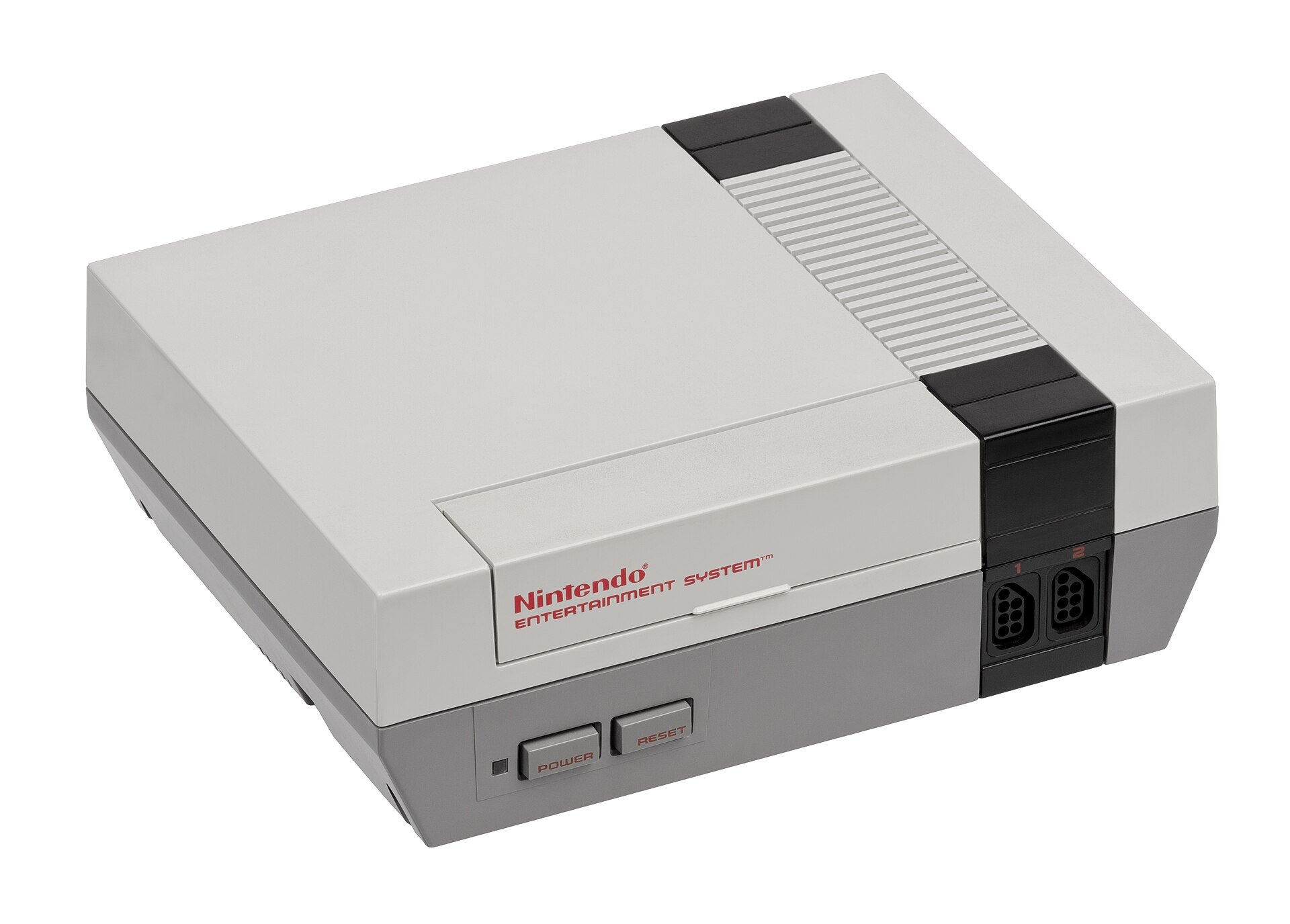
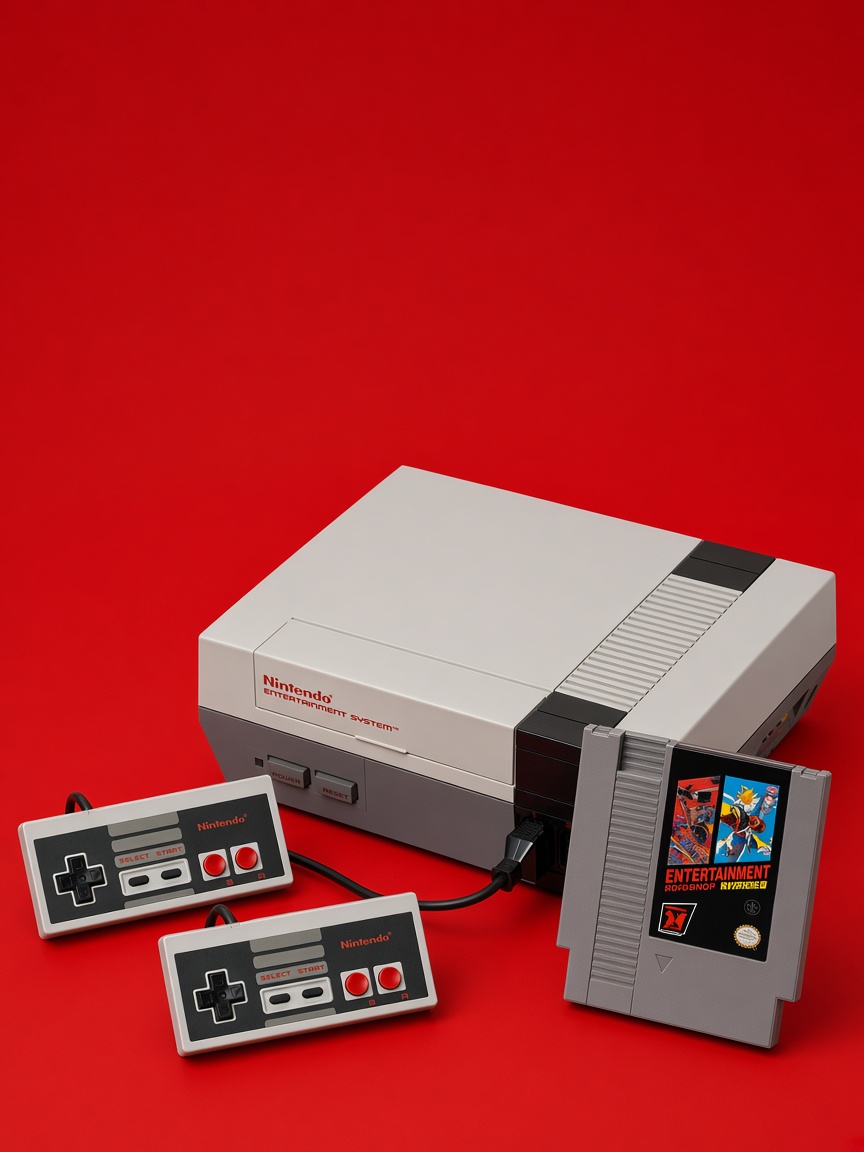
In July 1983 Nintendo launched the Family Computer, the Famicom, in Japan. Two years later, after the crash that had sunk the North American market, the company redesigned the machine as an entertainment device: front loading, VCR looks and a robot sidekick. That's how the NES was born.
The console set rules that still define the industry: quality control, licensing for third-party developers and a game library that became canon. Platformers, adventures, RPGs and shooters found a common language in its 8 bits.
In Latin America the story was different: many families met the NES through imports, clones and video rental stores. We explore that local version of history in Retro Chile.
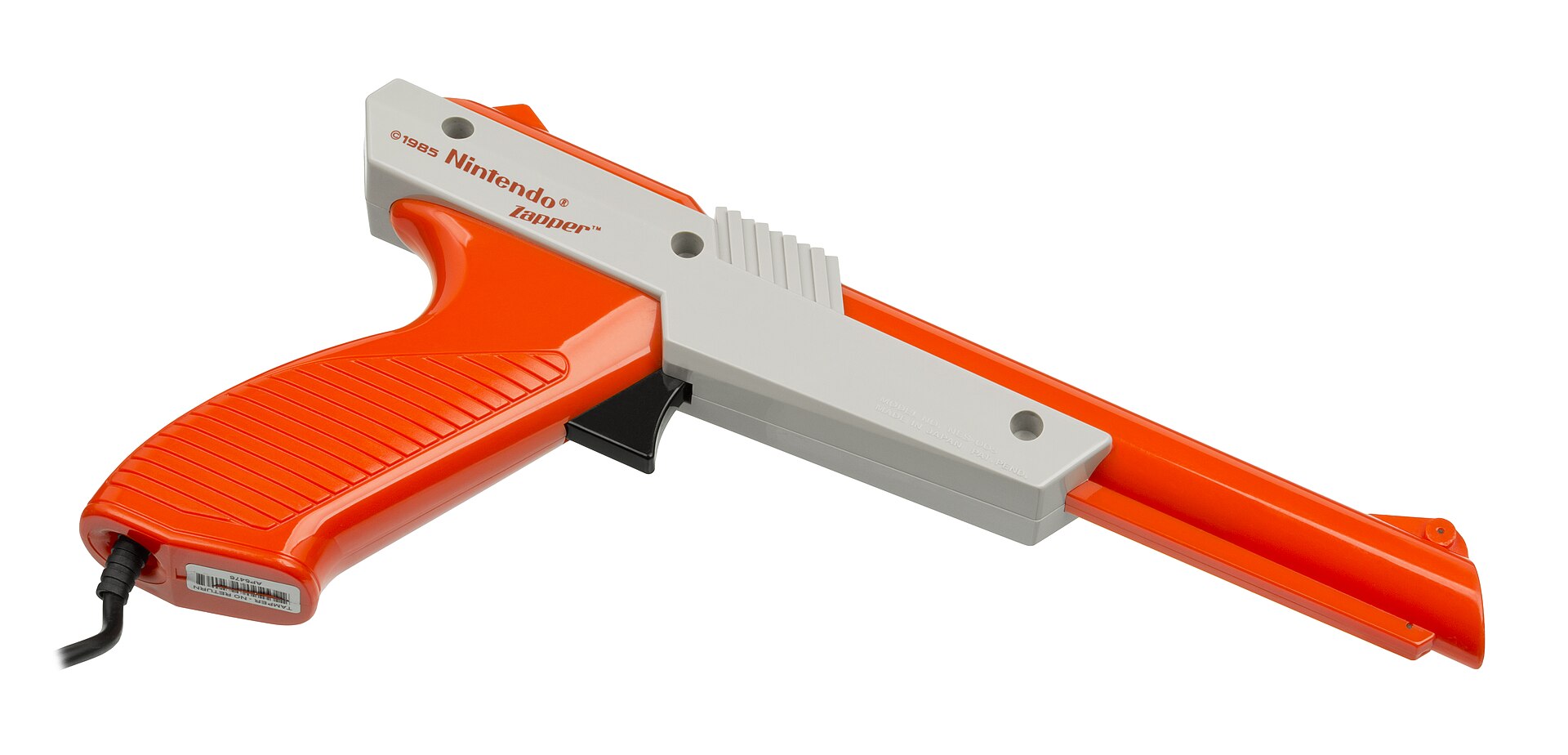
Evan-Amos · Public domainDuck Hunt's light gun: it reads the white flash on a tube TV.
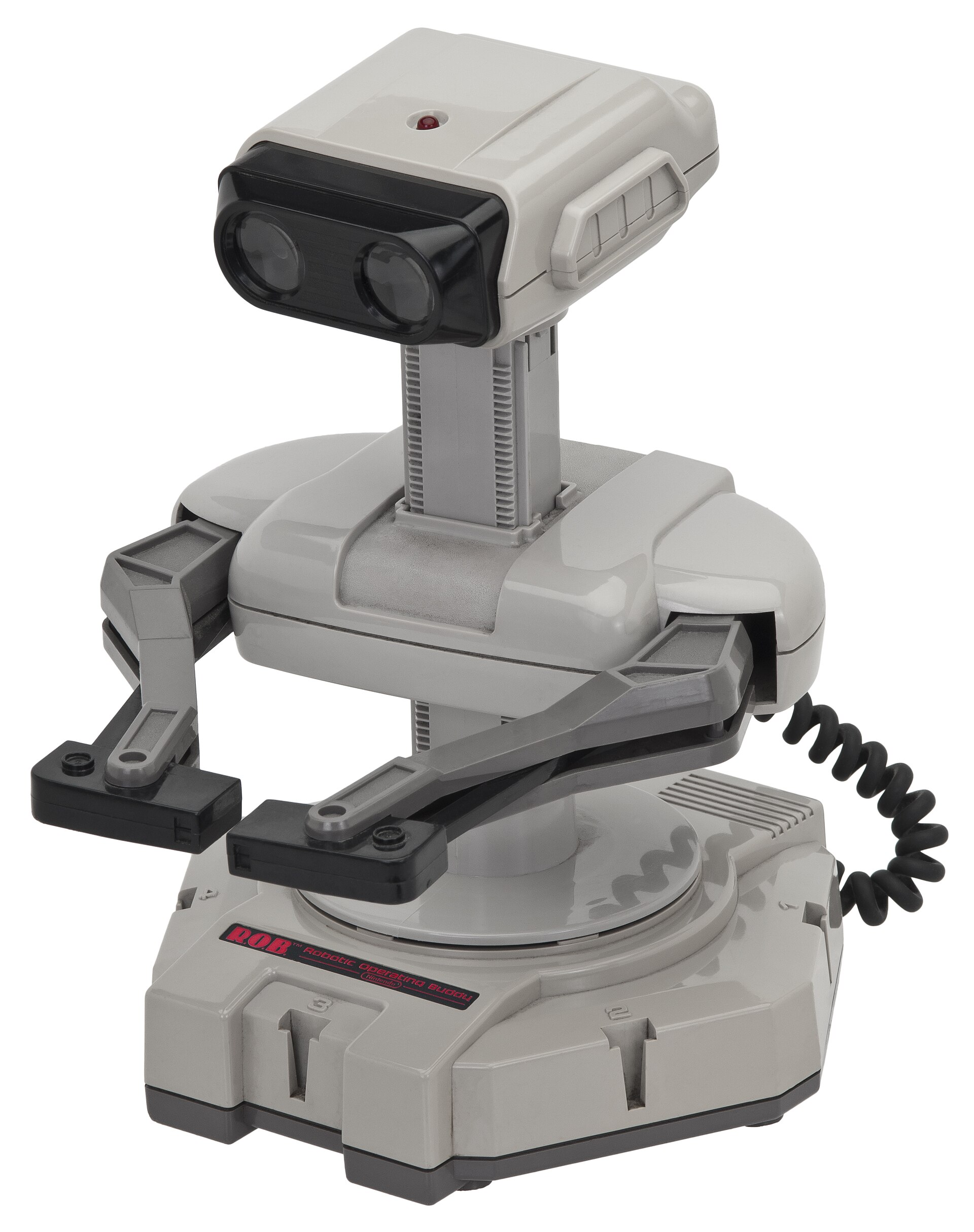
Evan-Amos · CC BY-SA 3.0The robot that helped sell the NES as a toy after the 1983 crash.
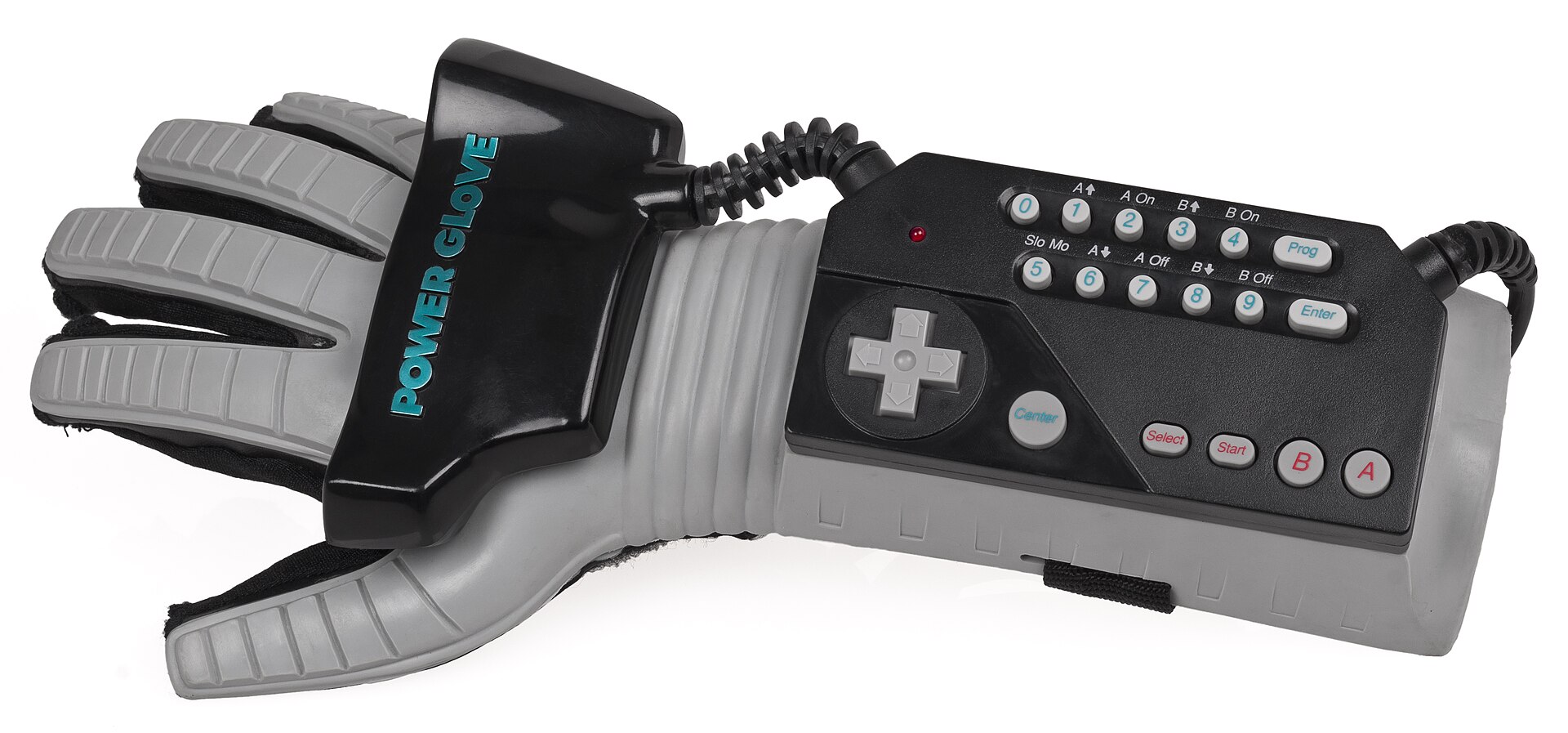
Evan-Amos · Public domainMattel's glove with flex sensors. Iconic, but hard to use.
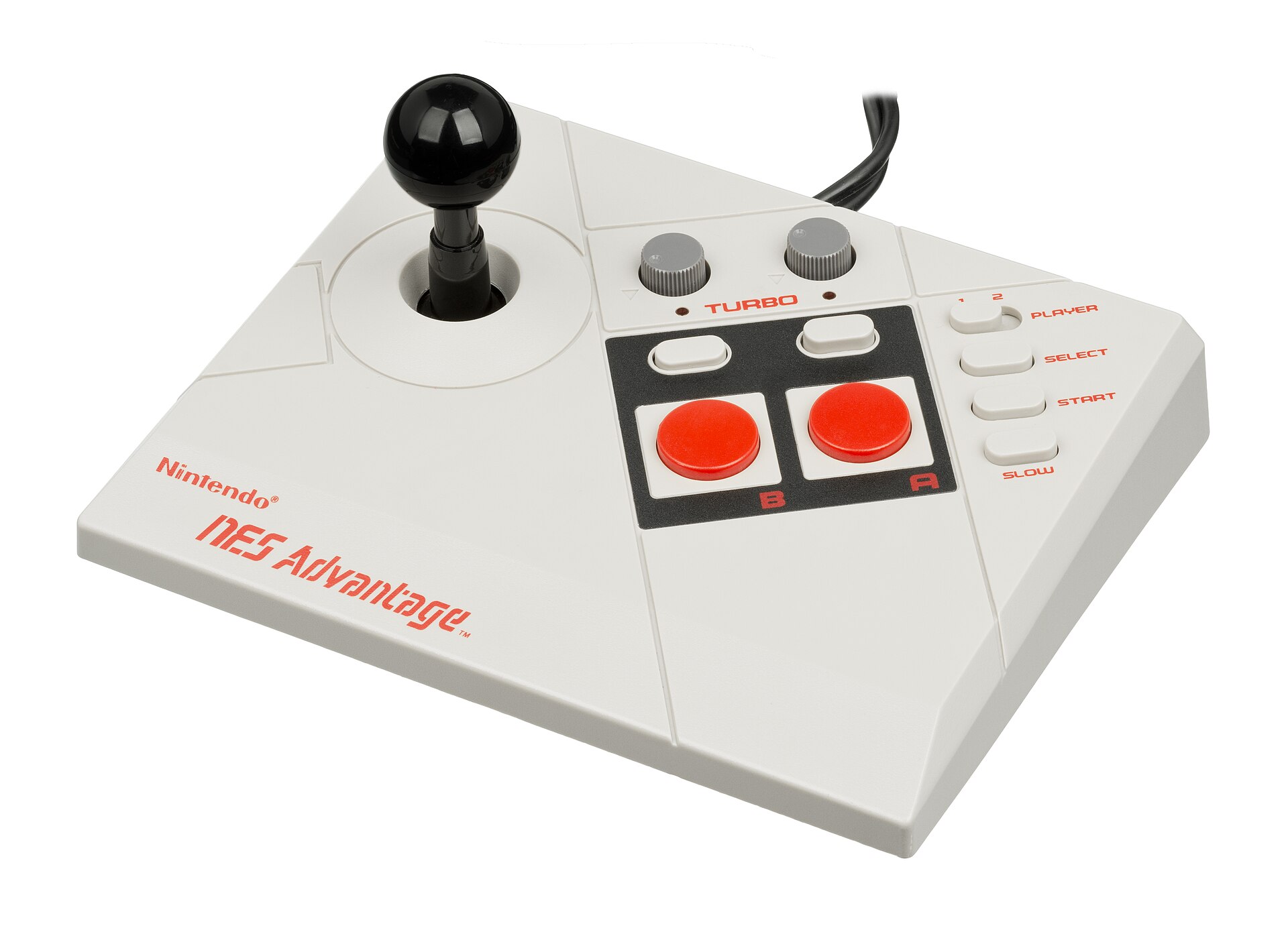
Evan-Amos · Public domainOfficial arcade stick with adjustable turbo and slow motion.
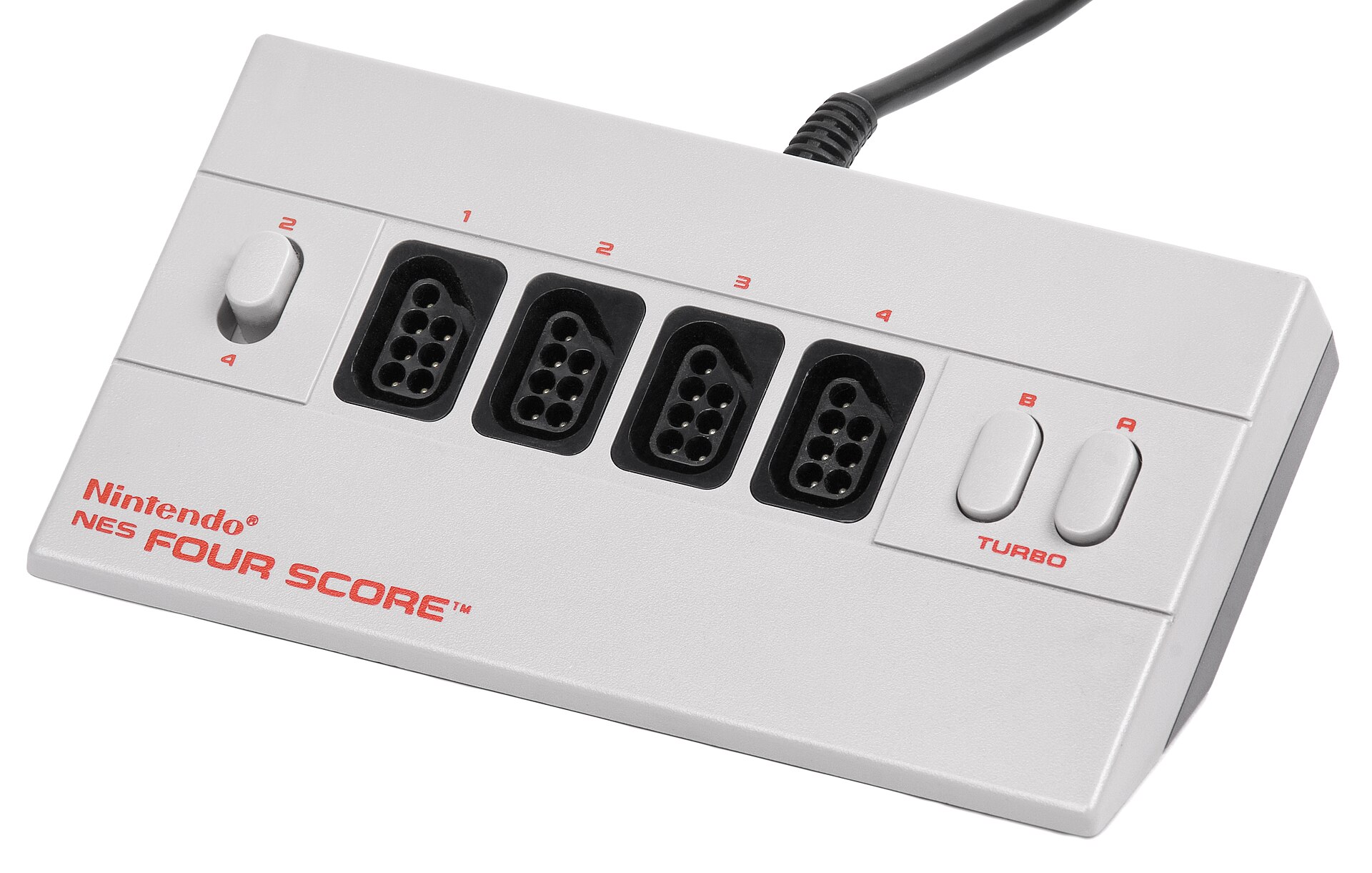
Evan-Amos · Public domainFour-player adapter, perfect for sports and brawlers.
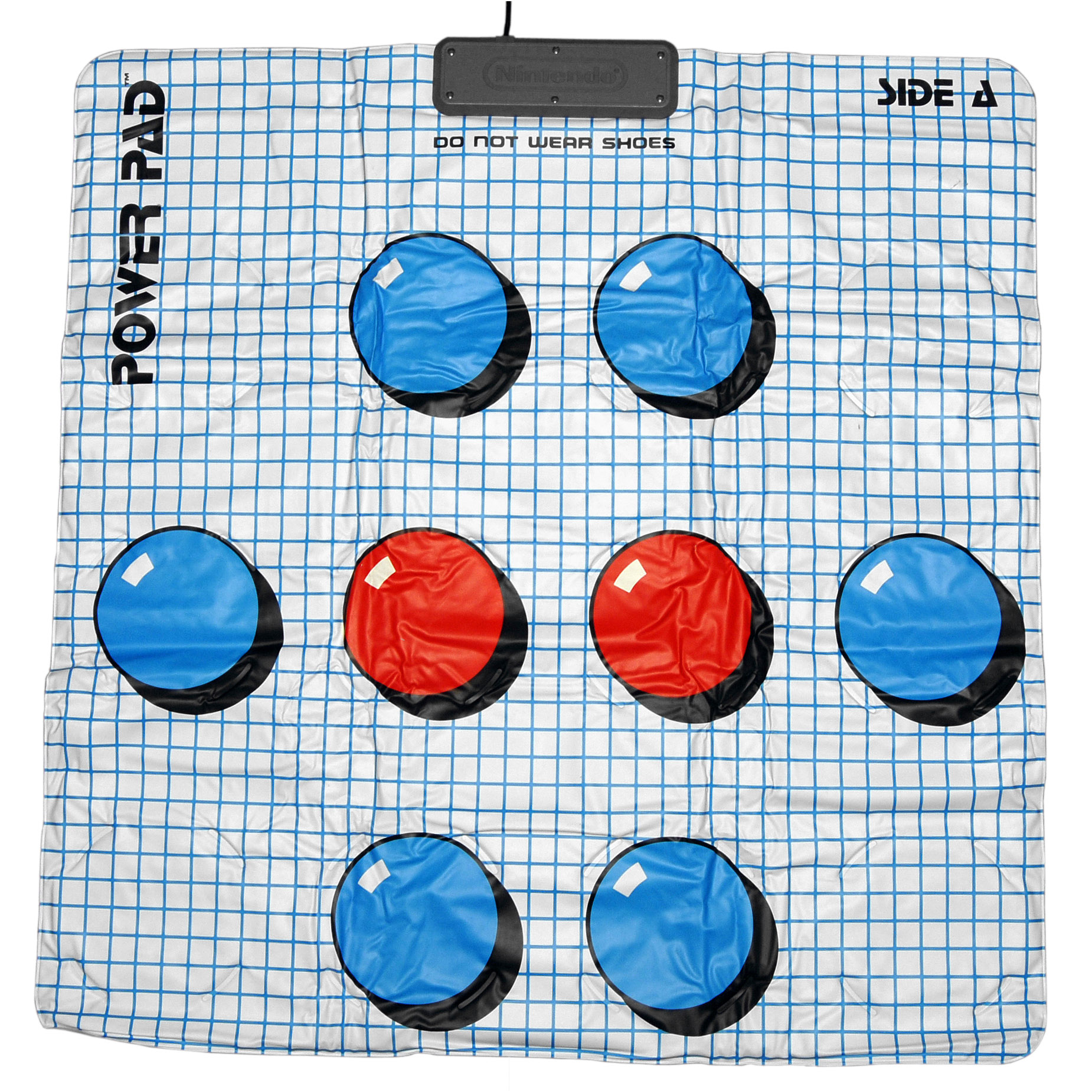
Evan-Amos · Public domainA 12-sensor mat to run and jump in front of the TV.
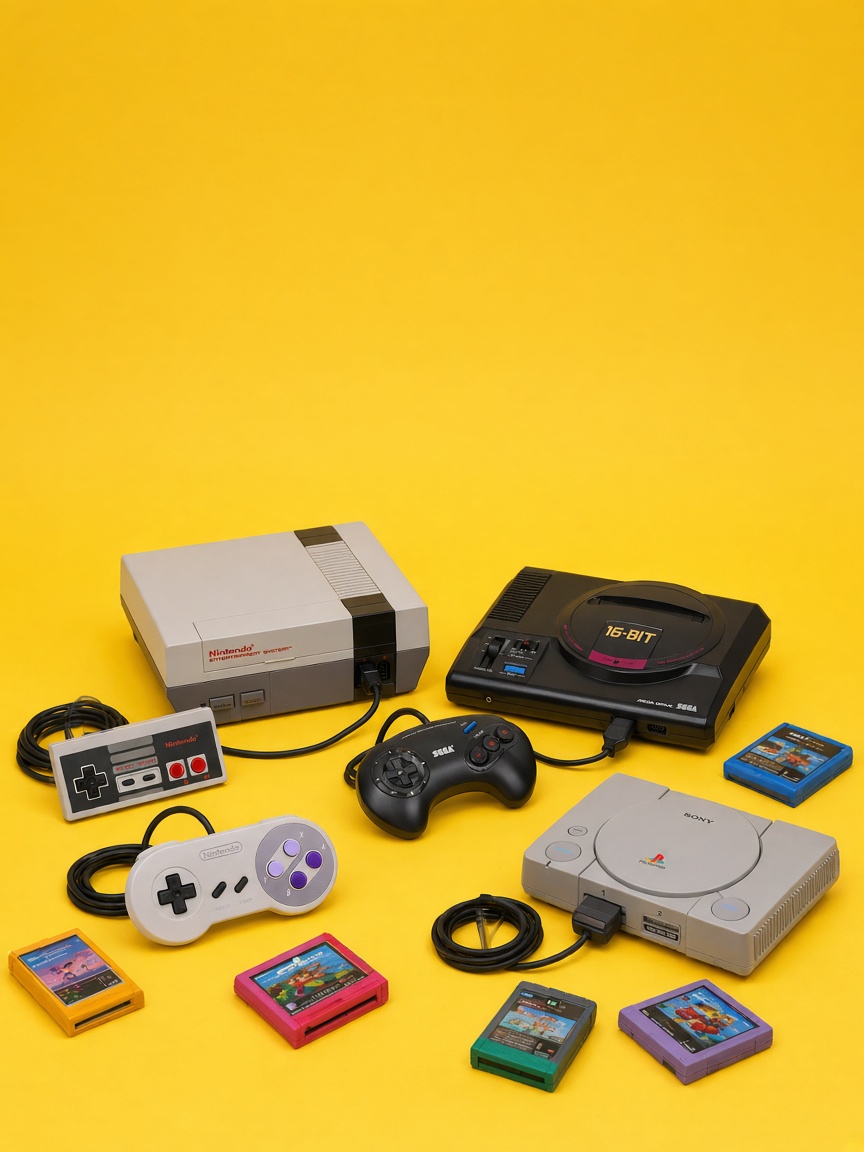
Eighteen years, from 8 bits to 128 bits: the consoles that built the culture we collect today.
Each date marks the console's first launch. Arrival dates in Chile and Latin America varied widely, and we are documenting them with the community.
Evan-Amos · Public domain
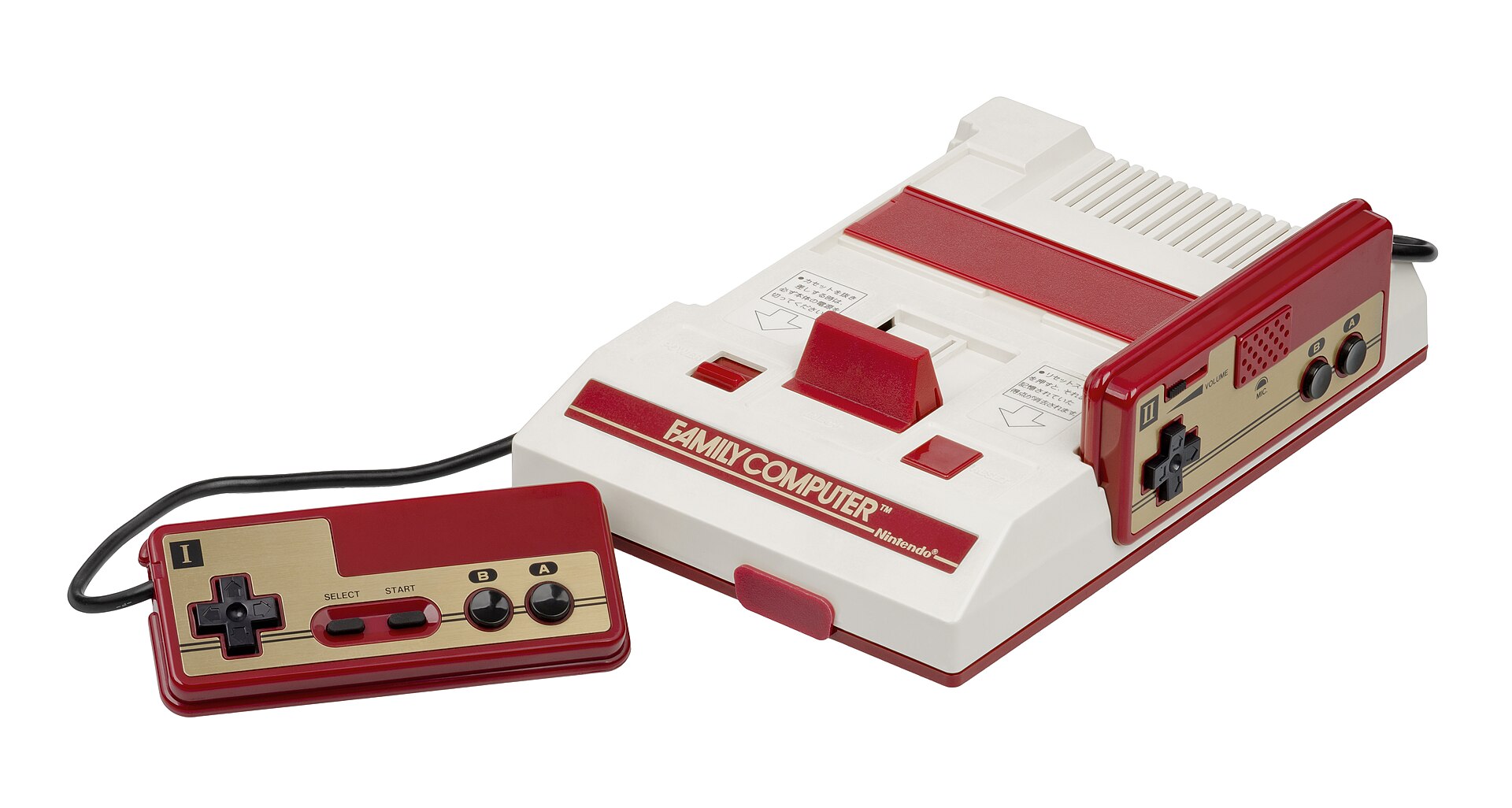
Evan-Amos · Public domainNintendo launches the Family Computer in Japan.
Ricoh 2A03 CPU · 1.79 MHz. Famicom and NES total 61.9 million.The gray box reaches North America.
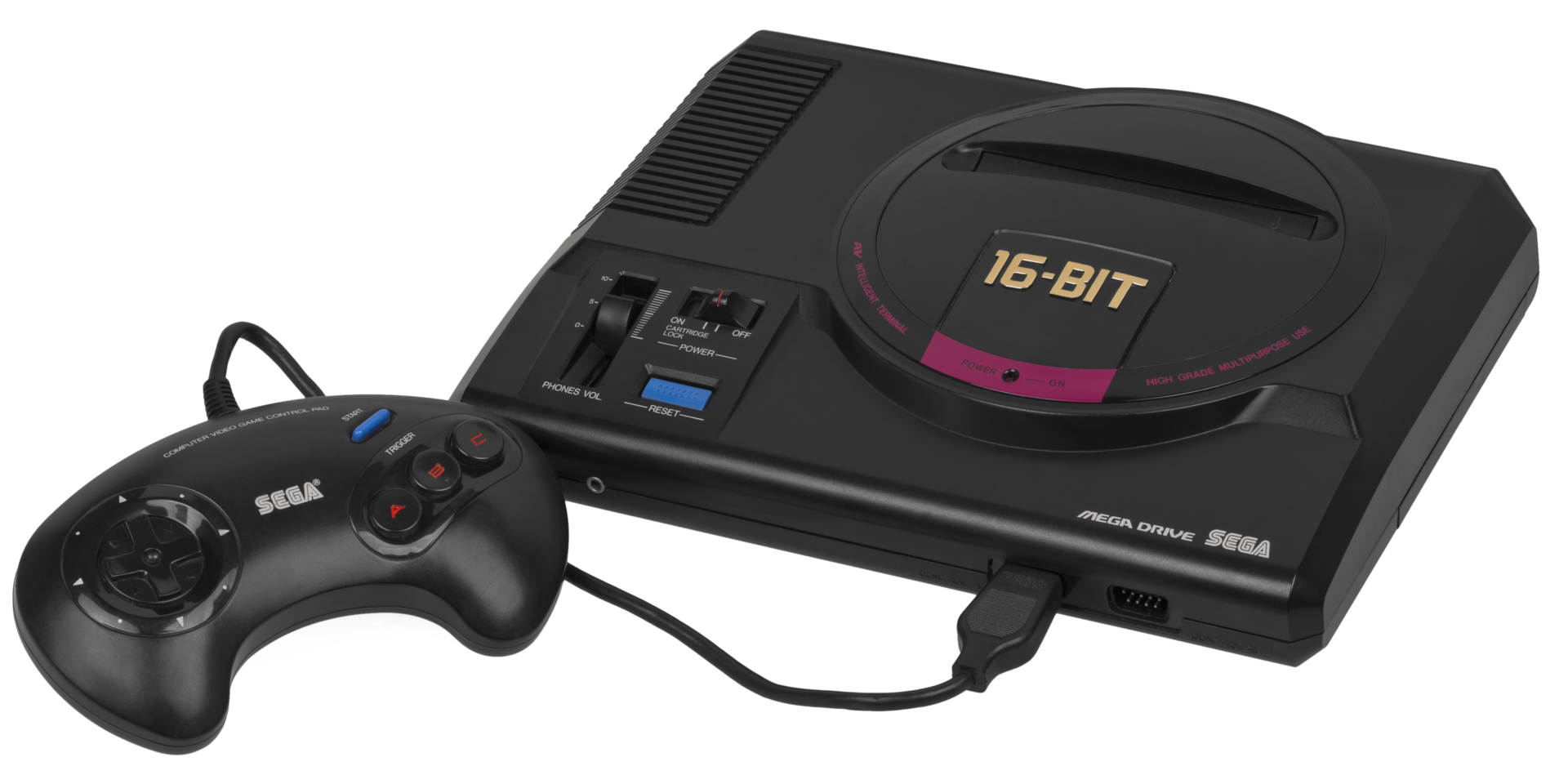
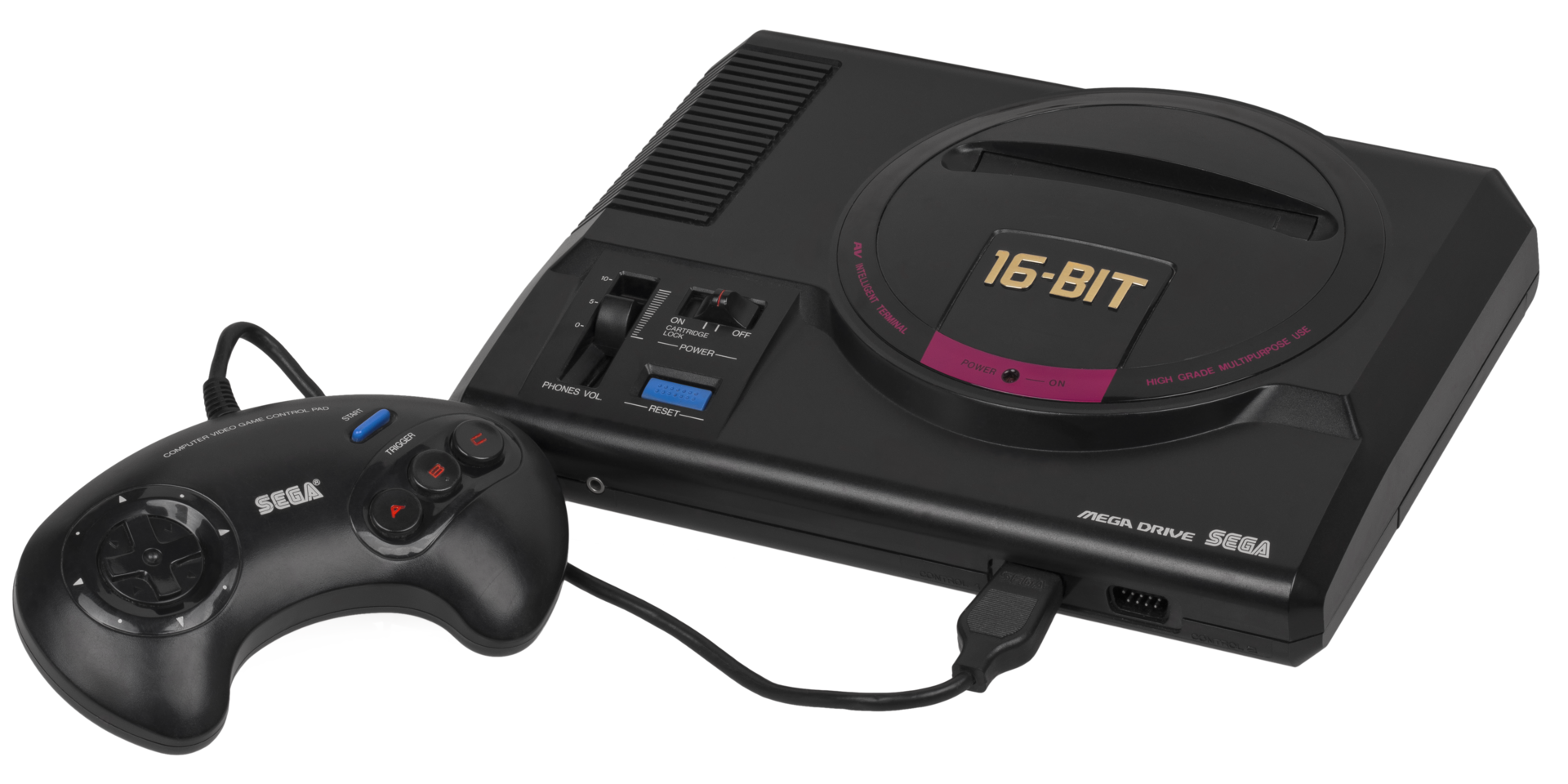
Debuted Nintendo's official quality seal and the 10NES lockout chip.Sega opens the 16-bit era.
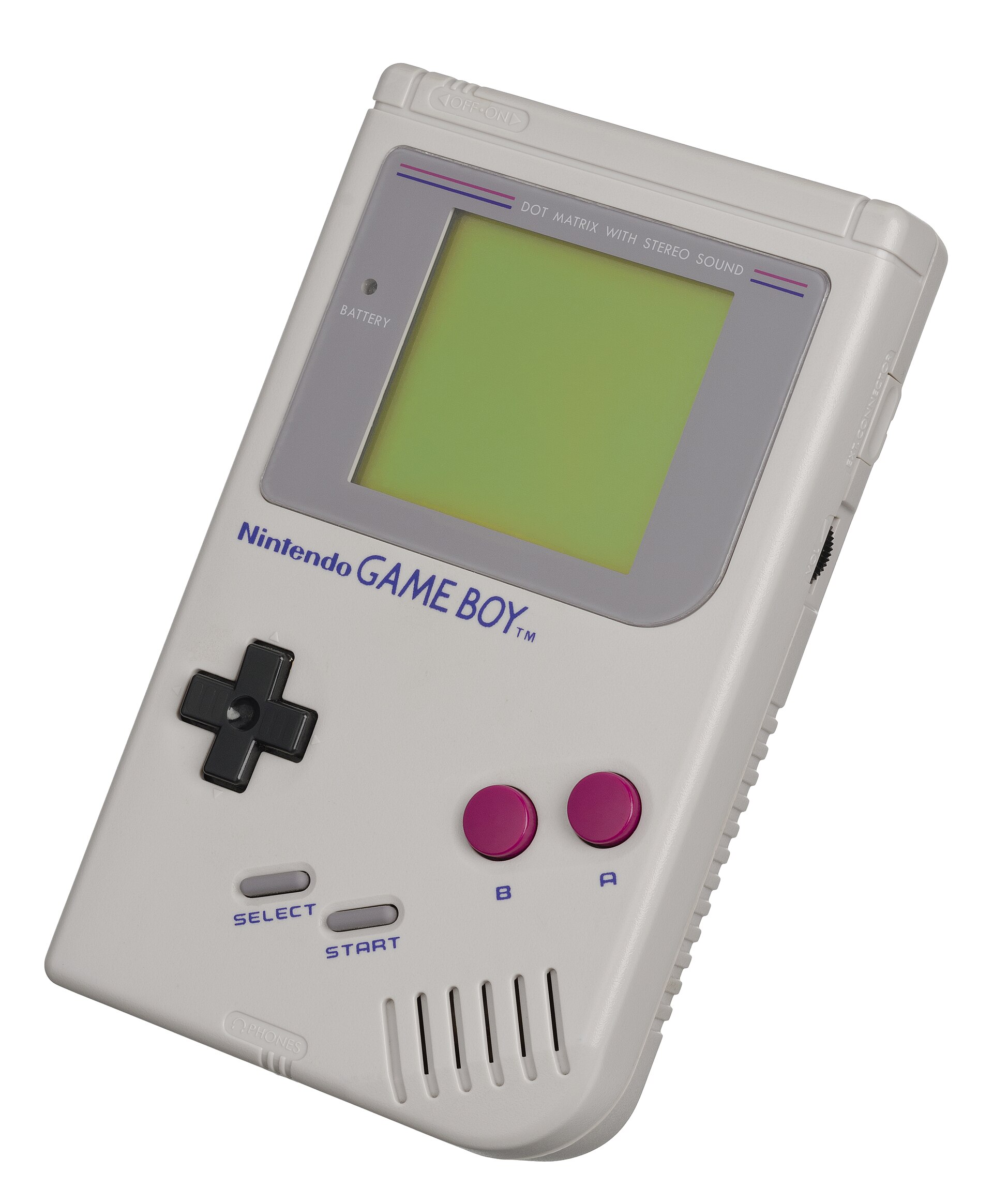
Motorola 68000 · 7.6 MHz. About 30 million worldwide.Four shades of green in your pocket.
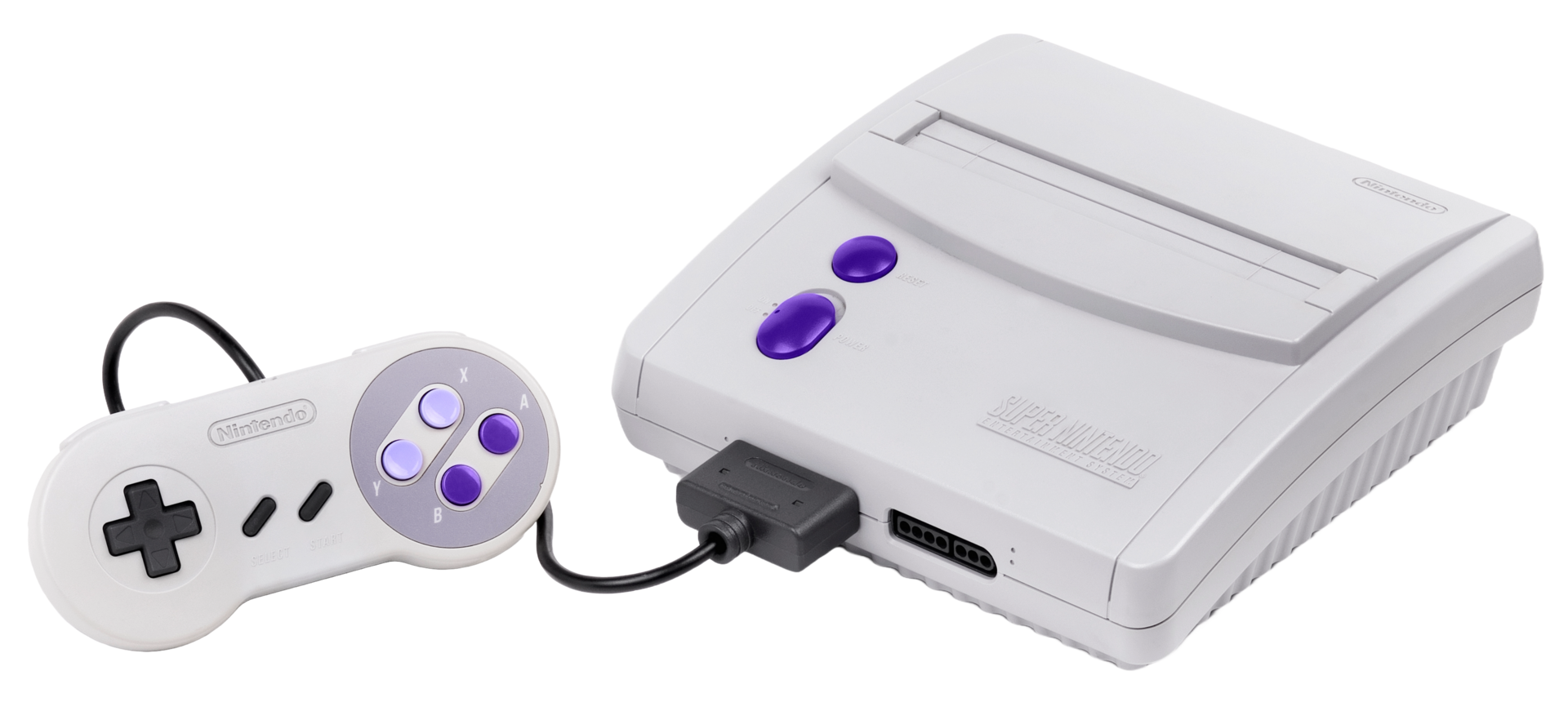
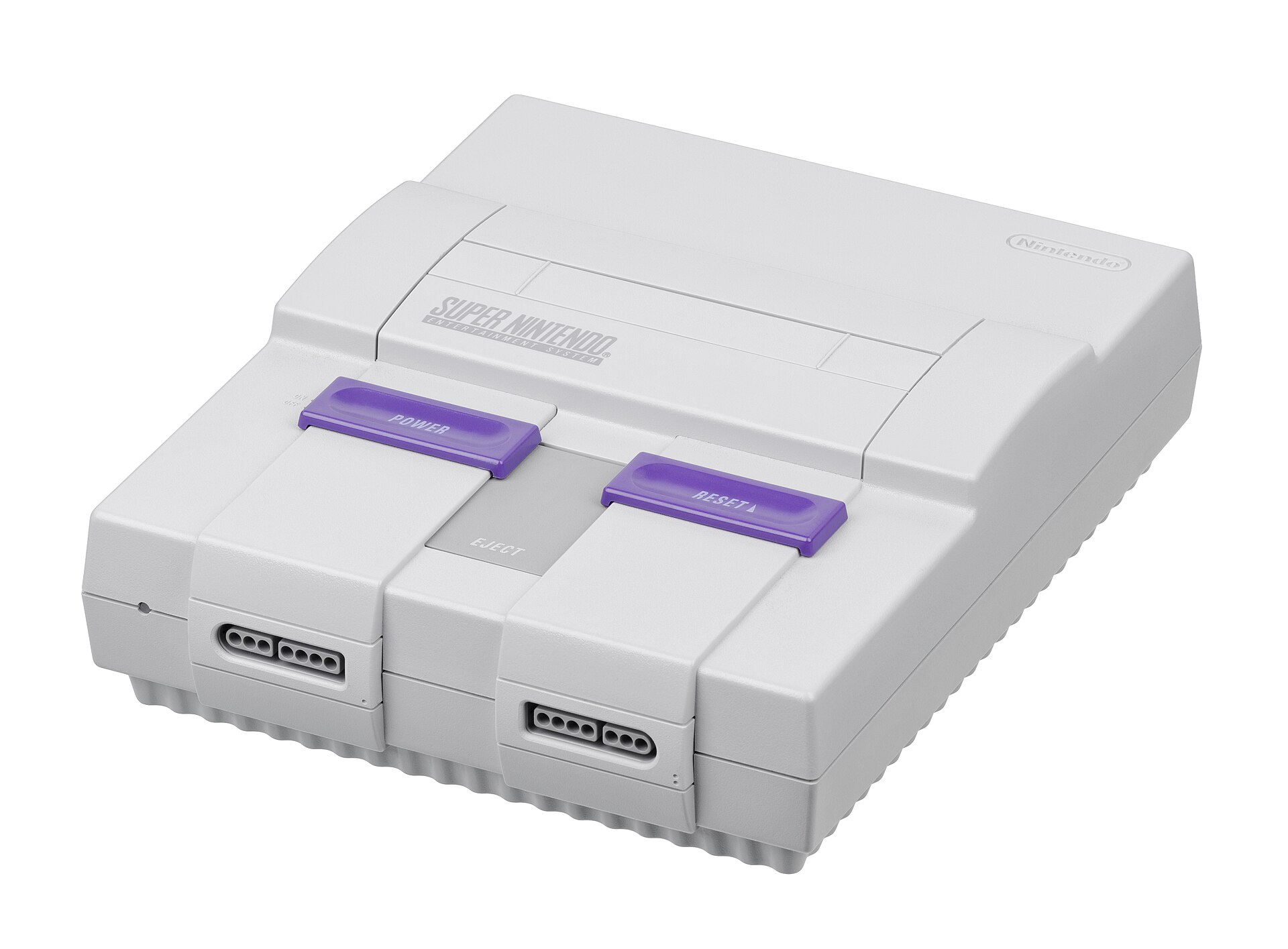
Sharp LR35902 · 4.19 MHz. With the Color, 118.7 million.Mode 7, a sound chip and RPGs.
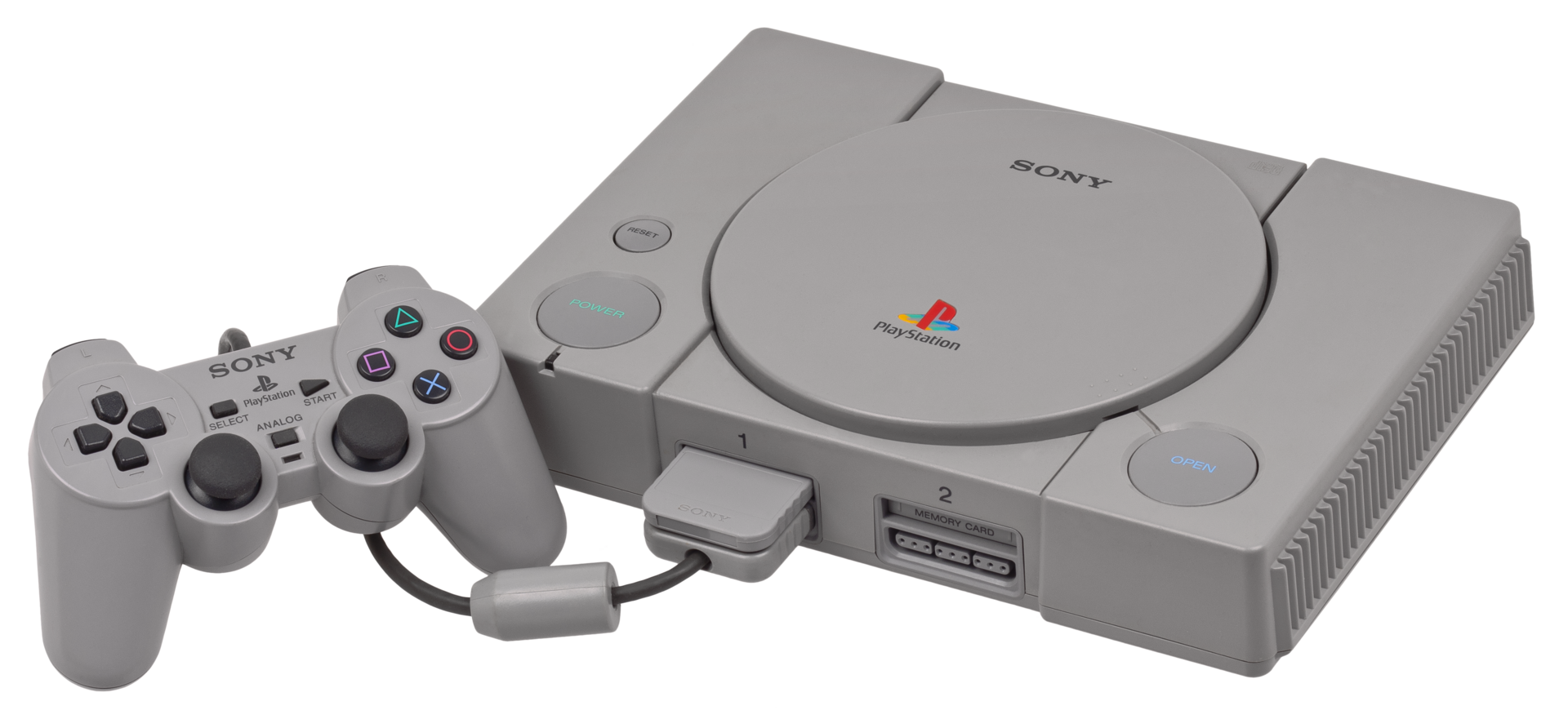
Ricoh 5A22 · 3.58 MHz. 49.1 million sold.Sony bets on CDs and polygons.
MIPS R3000A · 33.9 MHz. 102.5 million sold.Analog stick and four players.
NEC VR4300 · 93.75 MHz. 32.9 million sold.Built-in online play and an early goodbye.
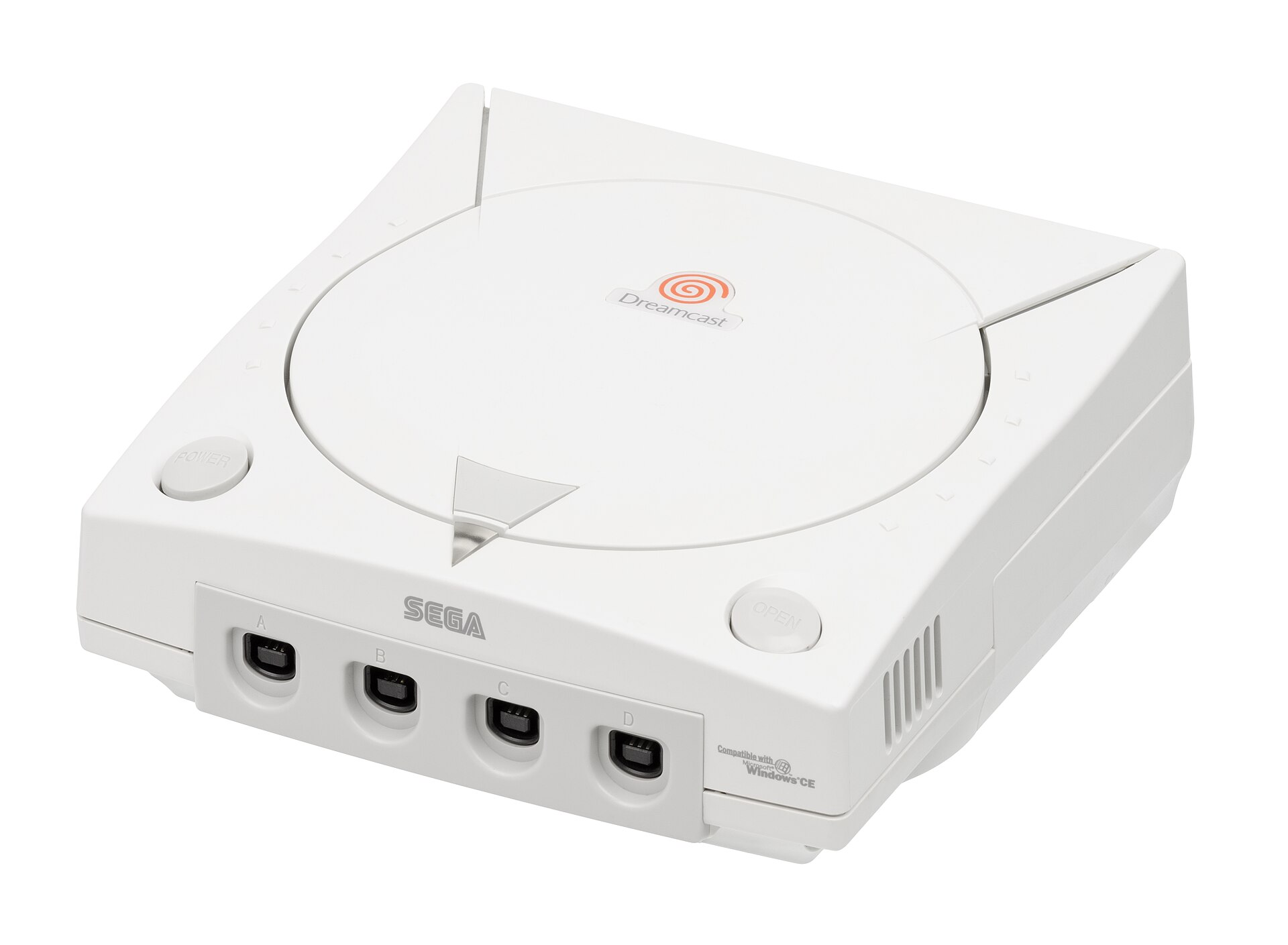
Hitachi SH-4 · 200 MHz with a built-in modem. About 9.1 million.A DVD player that also runs PS1 games.
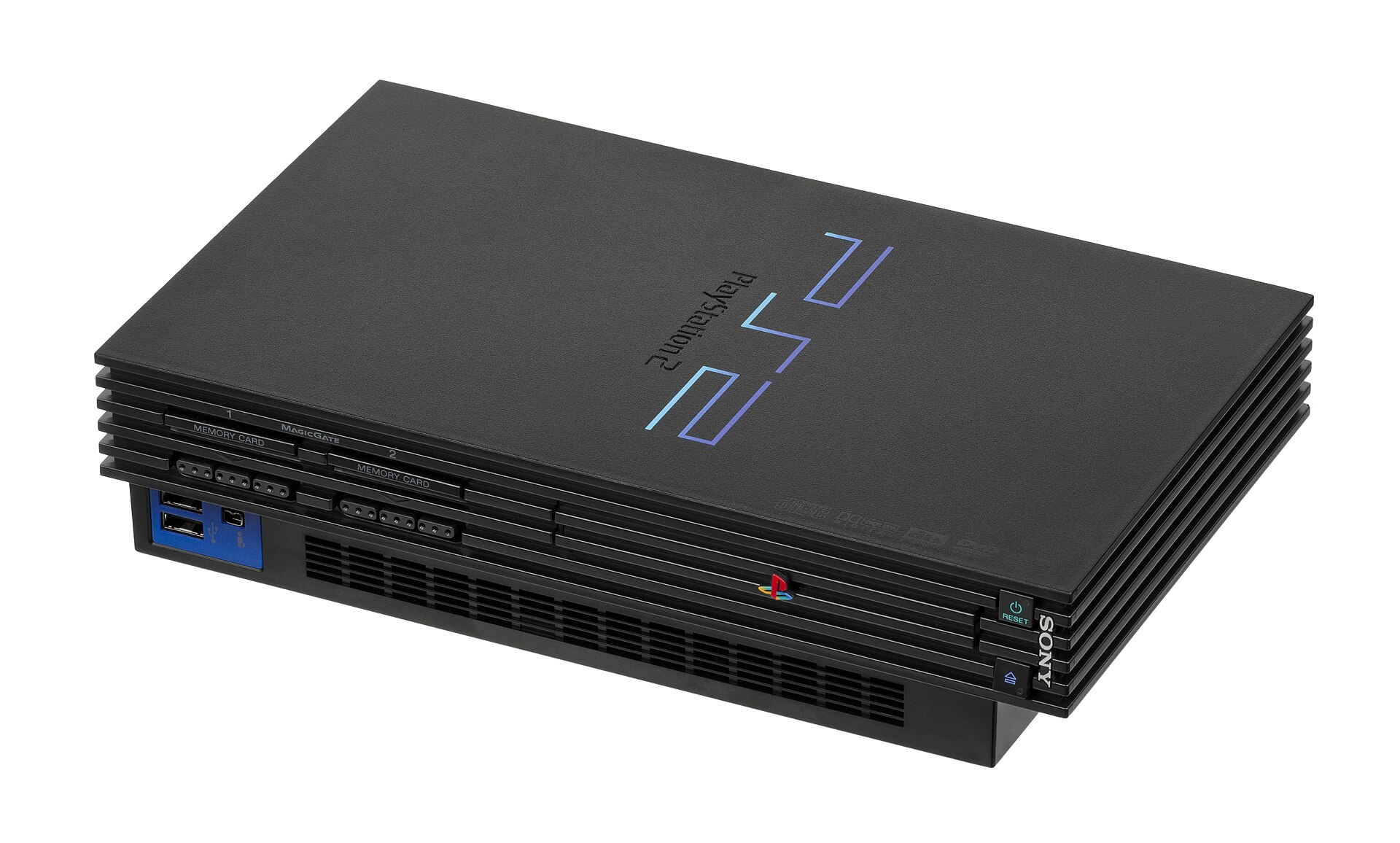
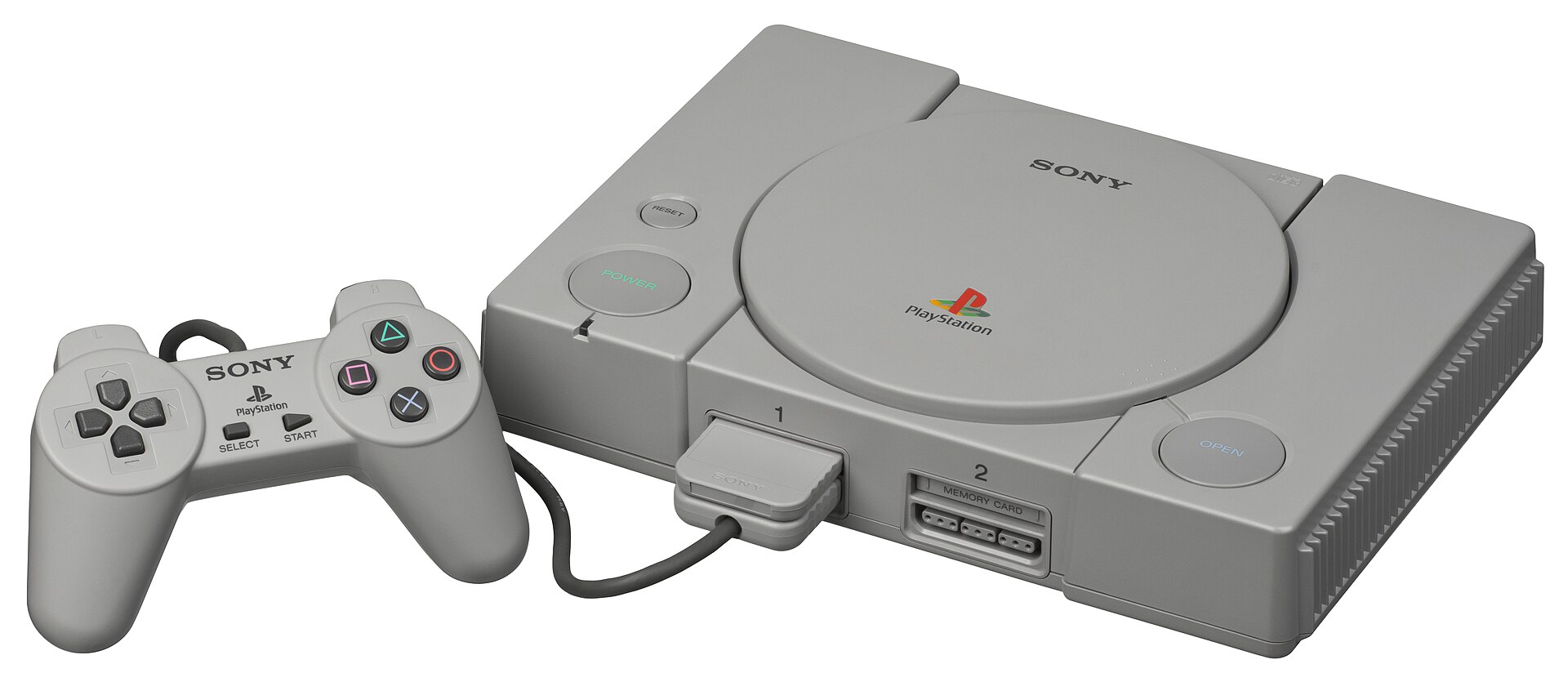
Emotion Engine · 294 MHz. Over 160 million sold.
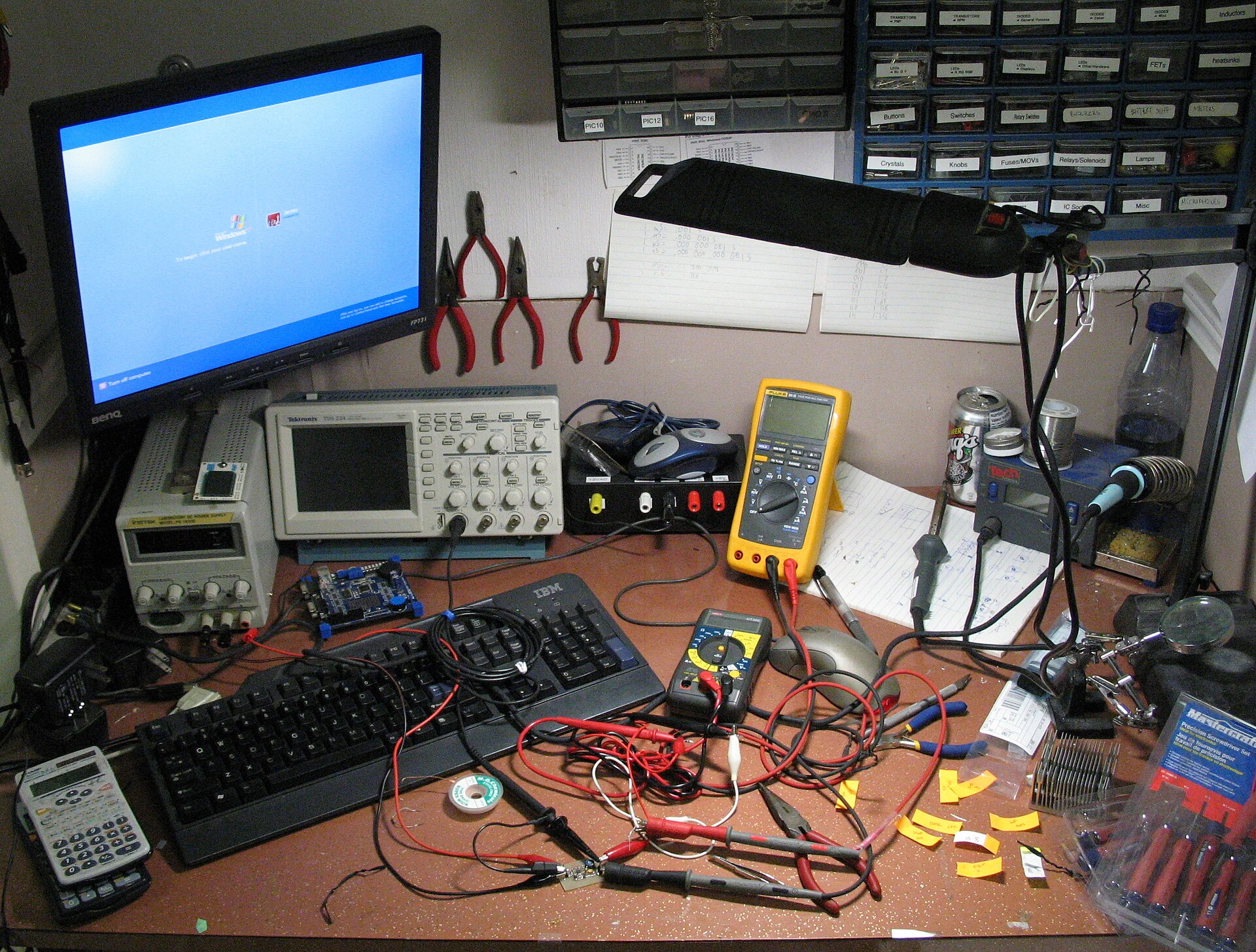
James Bastow · CC BY-SA 2.0Repair, maintenance, mods, cables, CRTs, flashcarts and FPGA. The magazine's workbench.
Evan-Amos · Public domainBlowing was never the fix: moisture corrodes the contacts. Here's how to clean a cartridge safely.
Cartridge cleaning is the simplest repair and the one that revives the most 'dead' games. It also applies to the console: the NES 72-pin connector deserves its own tutorial, and it'll get one in Issue #01.
Check the contacts in good light. Dark stains mean dirt or oxidation.
Dampen (don't soak) and rub the contacts in one direction.
Switch swabs until they stop coming out black.
With the security bit you can open the shell and clean both sides of the board.
Wait a few minutes before inserting it. Alcohol evaporates fast; patience doesn't.
3.8 and 4.5 mm: open Nintendo and Sega carts and consoles.
Cleans contacts and evaporates without leaving water.
Soft brush for dust, swabs for the pins.
To spot broken traces and cold joints.
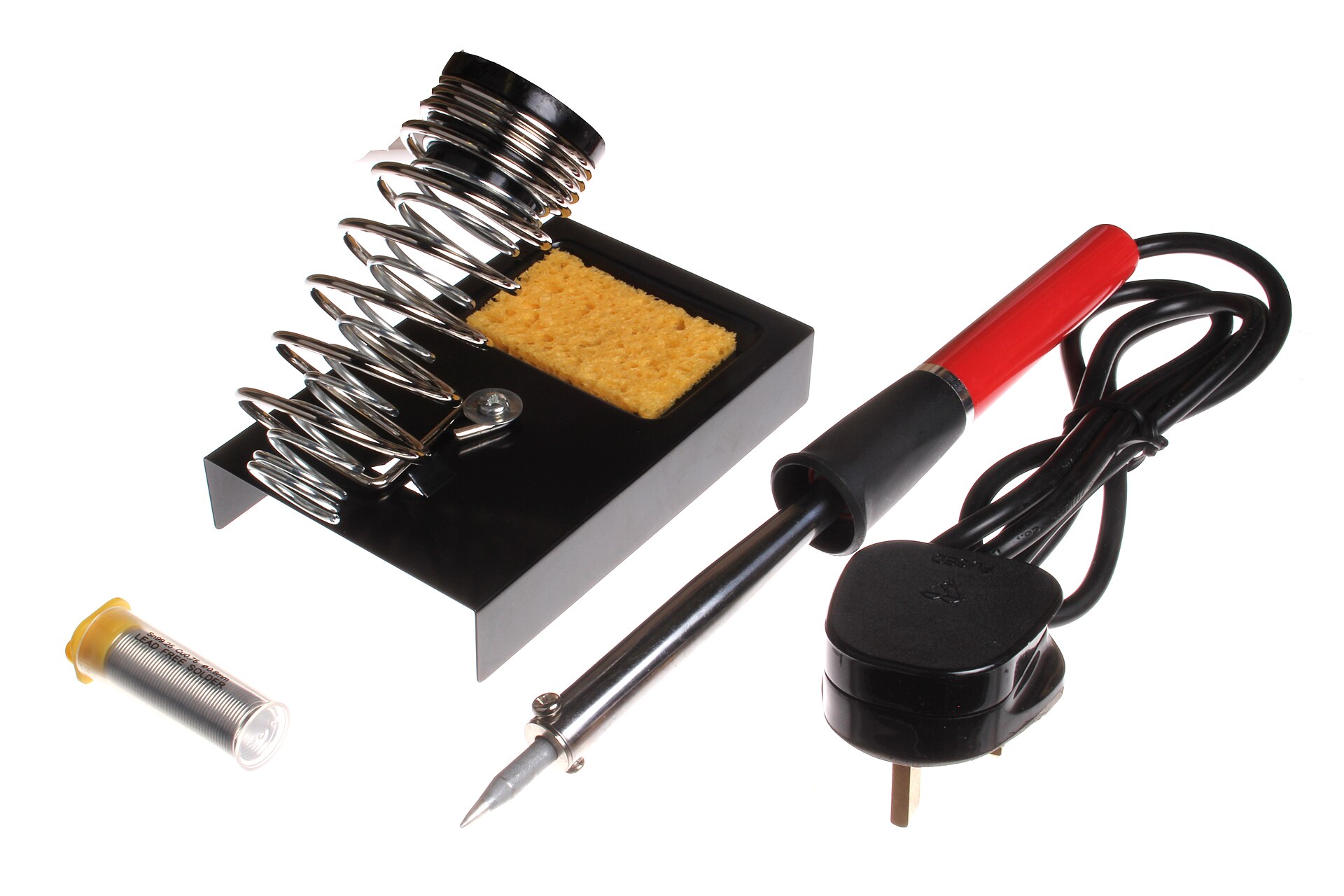
oomlout · CC BY-SA 2.0Adjustable temperature and flux-core solder.
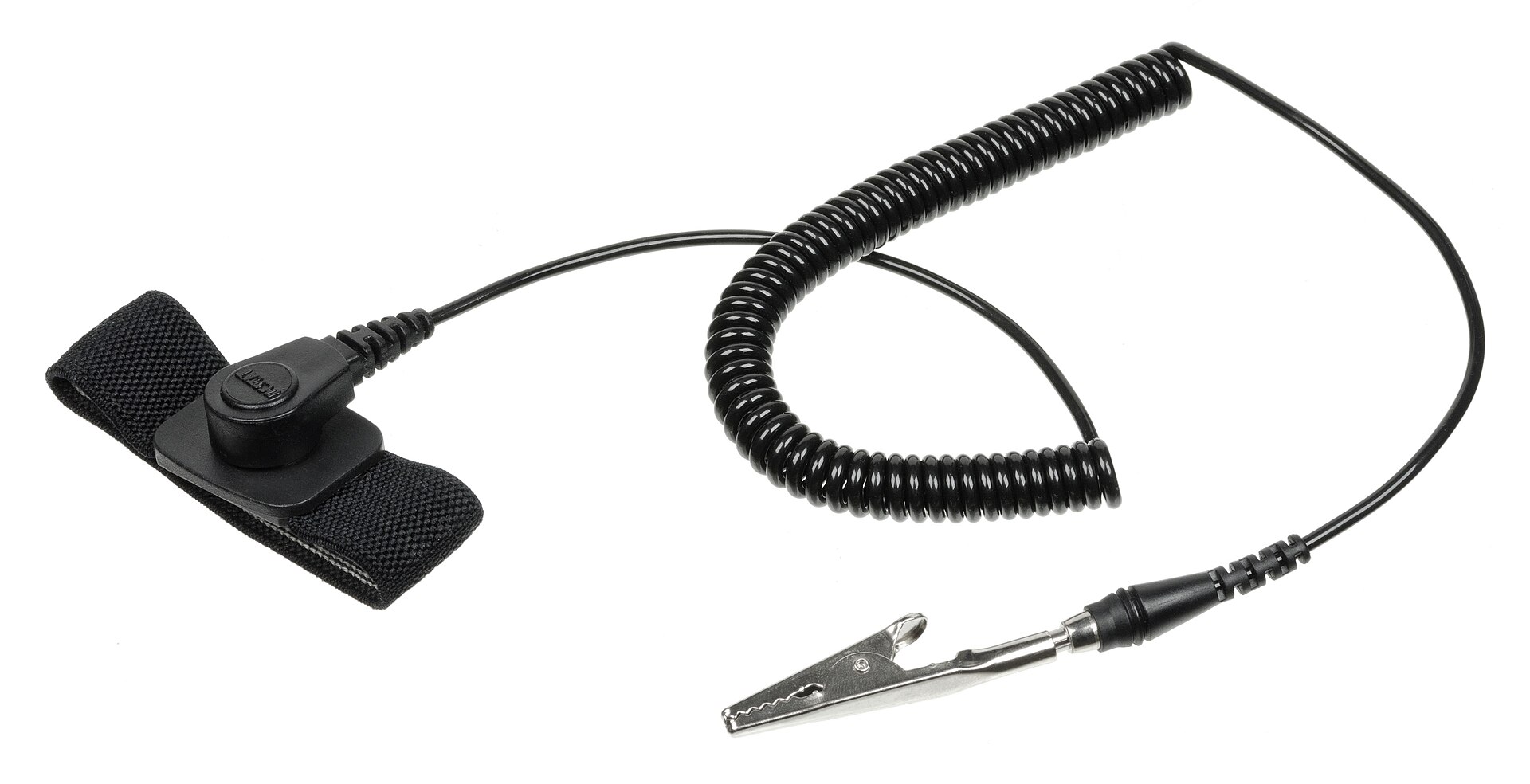
Evan-Amos · Public domainDrains static before you touch the board.
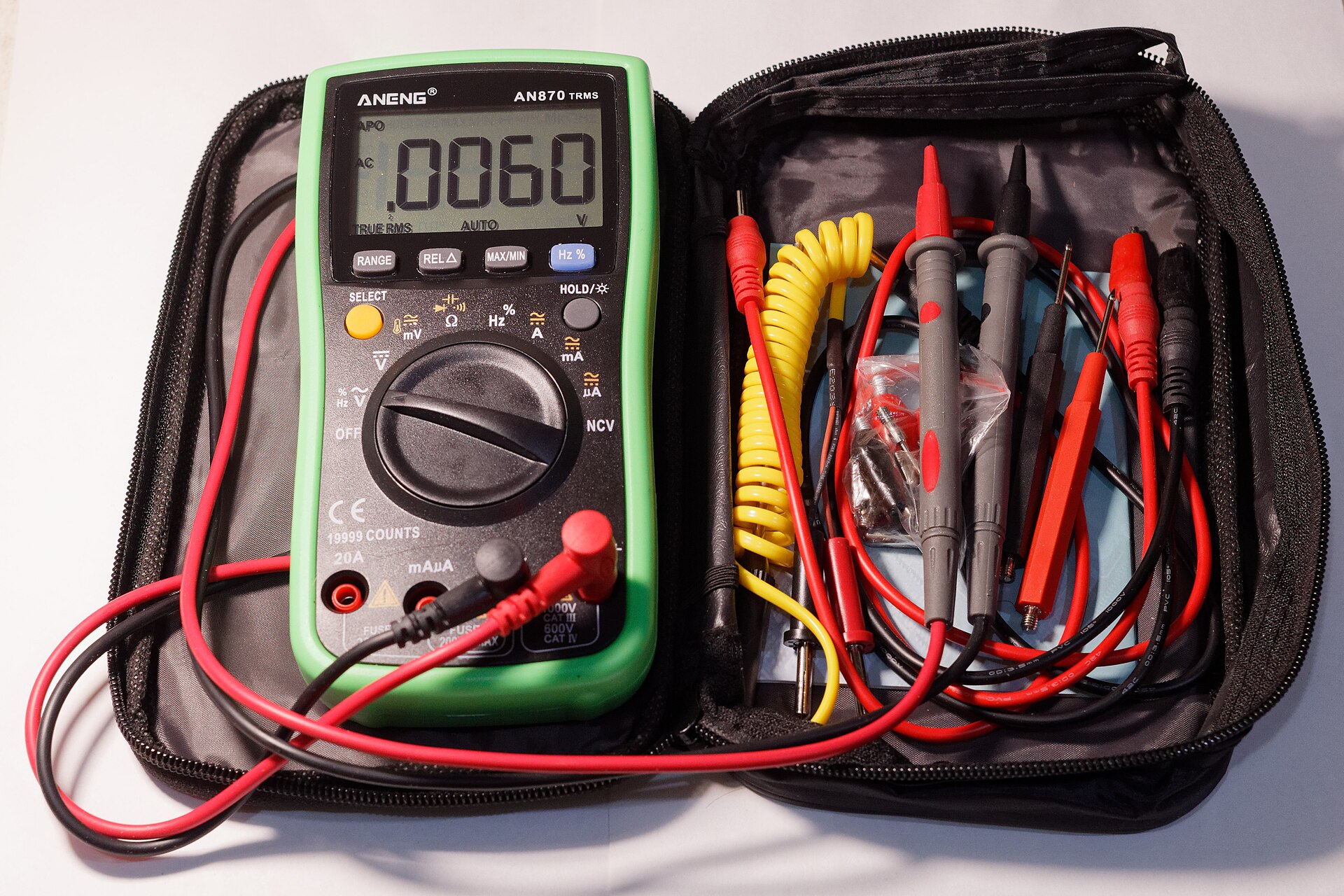
Retired electrician · CC0Continuity, voltages and fuses in seconds.
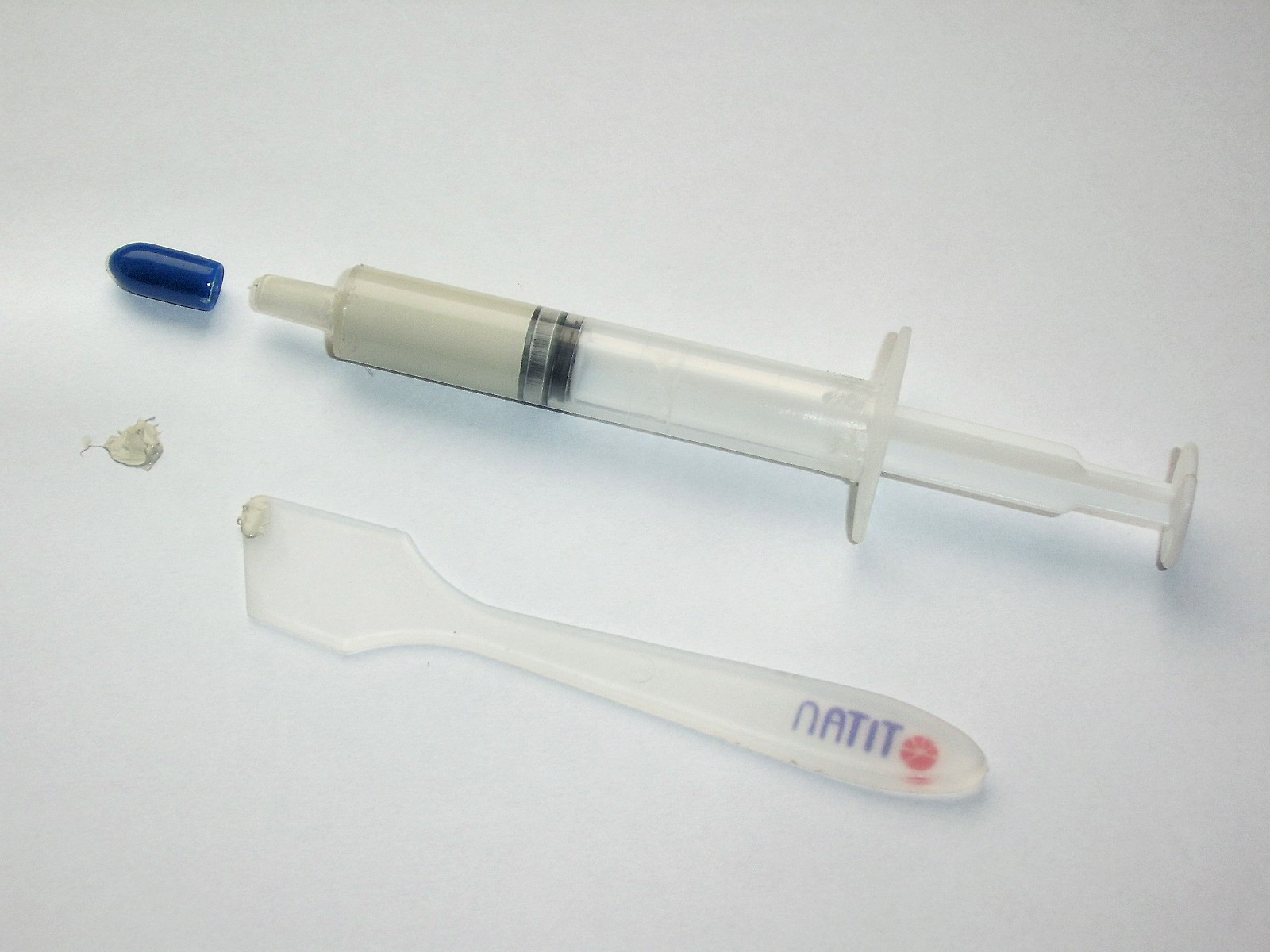
FxJ · Public domainReplace it when opening consoles with a heatsink.
Period hardware or FPGA recreation? There's no single answer: it depends on how and where you play.
Evan-Amos · Public domain
Evan-Amos · Public domain| Original hardware | FPGA | |
|---|---|---|
| Accuracy | It's the reference | Very high, circuit-level |
| Latency | None on CRT | Very low |
| Video | RF / composite / RGB with mods | HDMI and analog output |
| Upkeep | Capacitors, contacts, PSUs | Core updates |
| Collecting | Historical value | A tool for playing |
An FPGA (field-programmable gate array) is a chip whose circuits can be 'rewired' through software. Instead of running a program that imitates the console, like an emulator does, it's configured to behave like the original chips, cycle by cycle. That's why its latency is minimal and its accuracy very high. Open source projects like MiSTer have documented dozens of systems, and that is preservation too.
Why do some prefer the original? Because it's the reference: the exact sound of its chip, the picture on a CRT, the historical value of the object. An FPGA reproduces the behavior, but it isn't the machine that sat in your living room. FPGA fans value something else: clean HDMI output, no capacitor upkeep and the chance to play without risking a 40-year-old console.
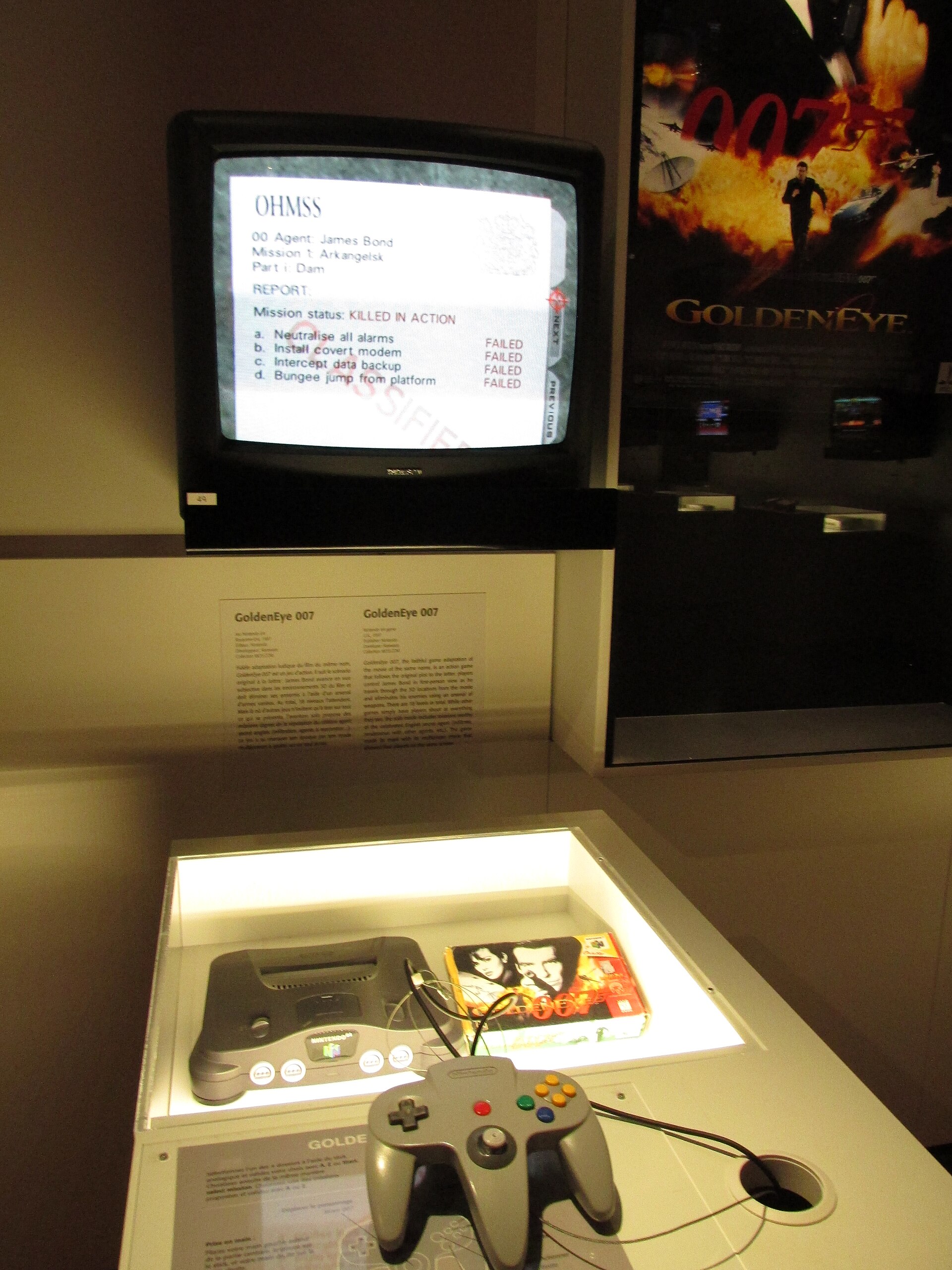
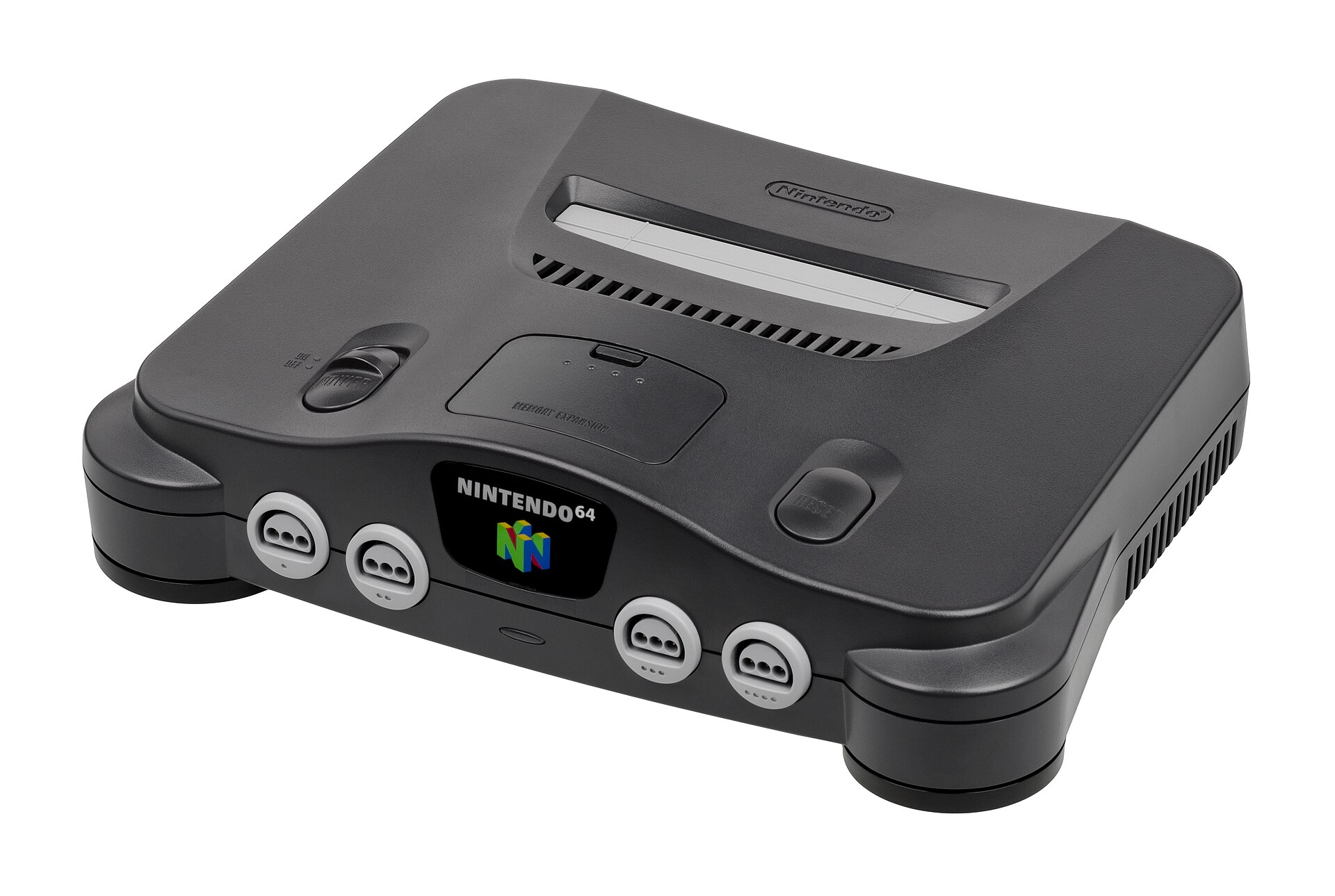
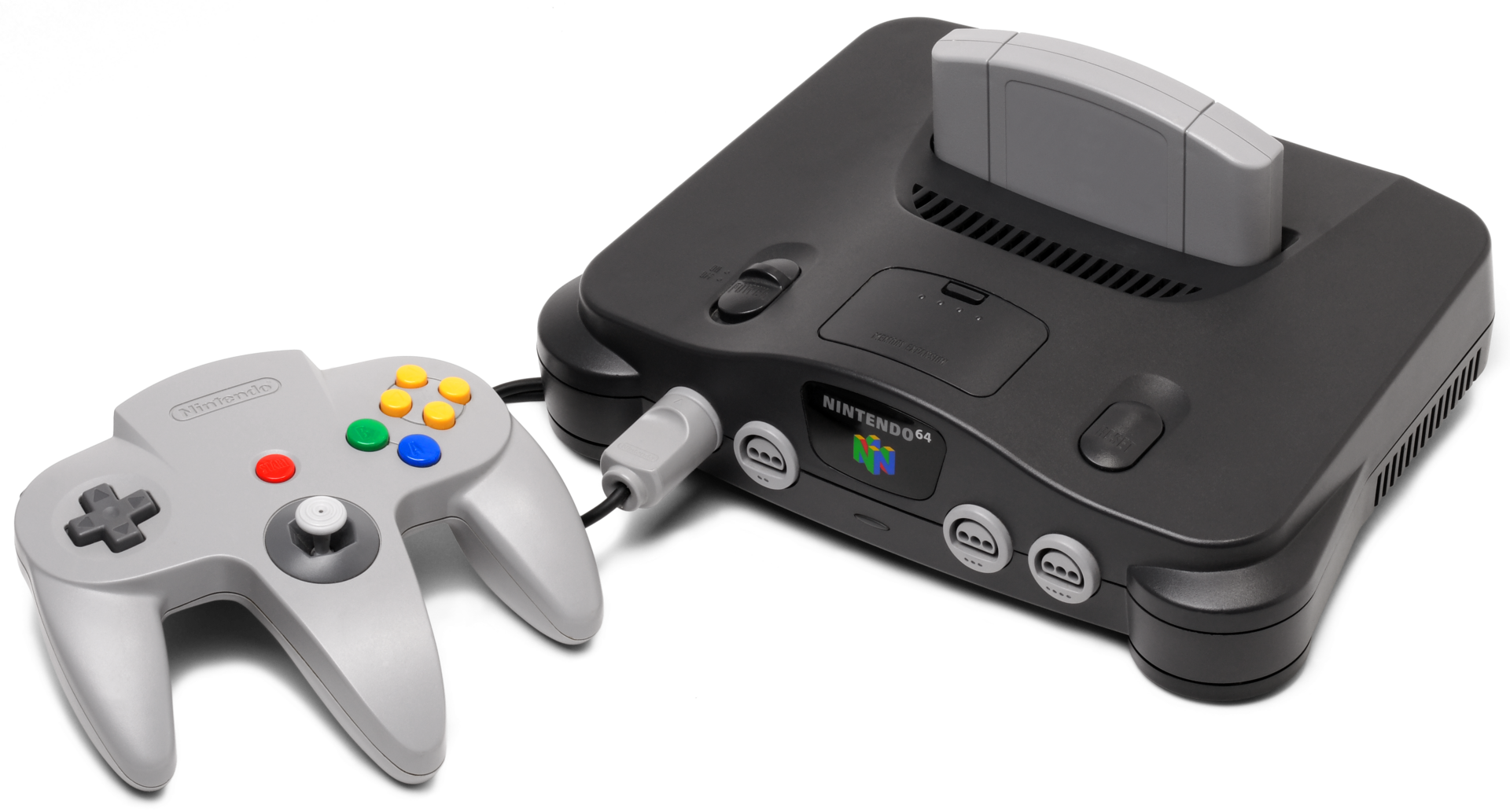
The big recent release is the Analogue 3D: the first full FPGA recreation of the Nintendo 64, which started shipping in November 2025. It plays original cartridges region-free, takes period controllers in its four ports and outputs 4K over HDMI, with modes that imitate a CRT. It's proof that FPGA has reached the polygon generation.
Shops, repairers, fairs and creators from the retro scene: this page can be yours. Full-page, half-page or module ads.
Contact uscontacto@wisegrowretrogames.org Available formatsBack cover, inside or next to the section you choose.
Rate on requestHorizontal, under an article related to your business.
Rate on requestA quarter page: ideal for repair shops and fairs.
Rate on requestHorizontal ad inside editorial pages.
Rate on requestOld cartridges are objects of desire again. Why demand went up, how to start a collection wisely and what each condition grade means.
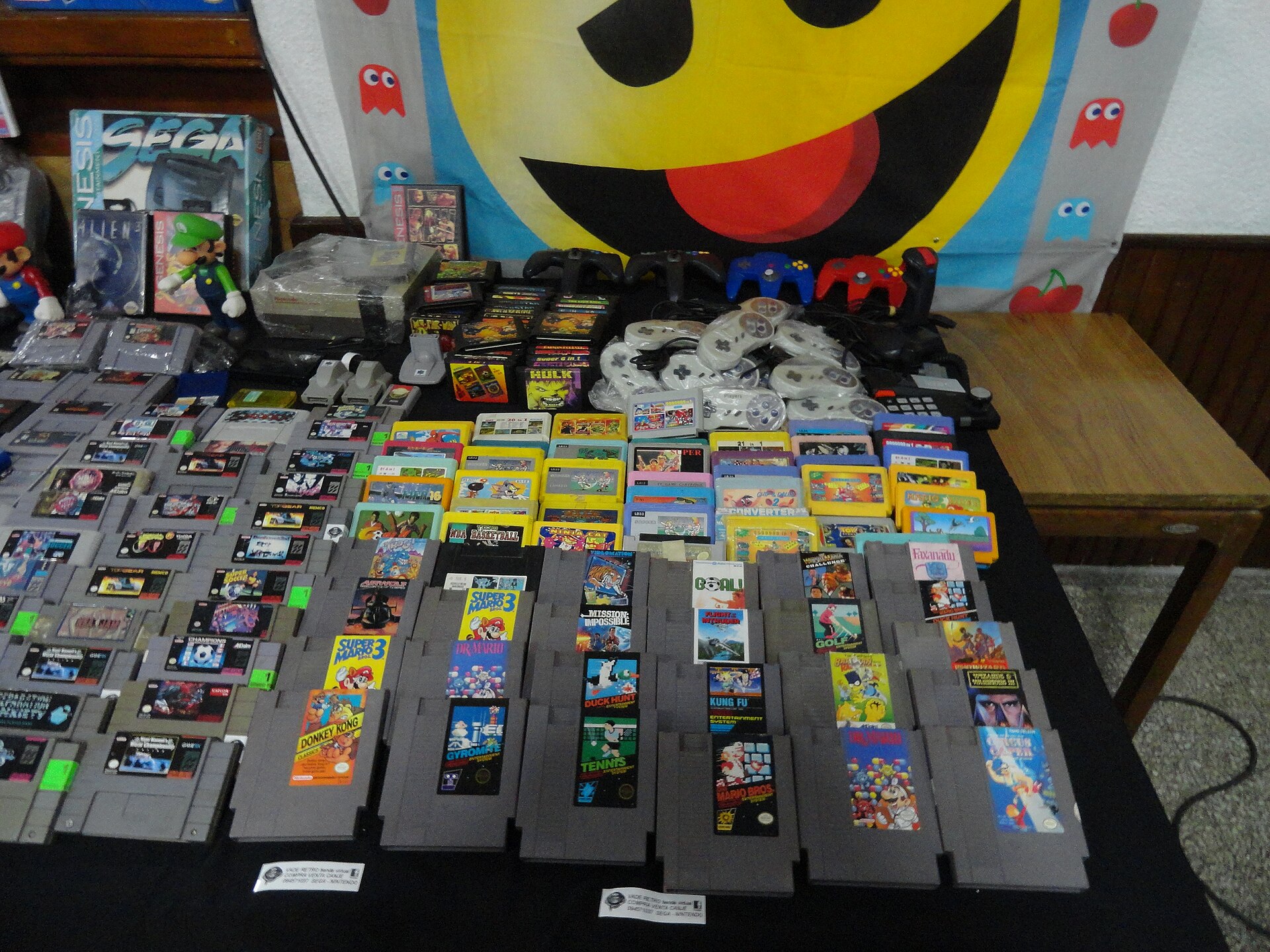
NaBUru38 · CC BY-SA 4.0Twenty years ago, an NES cartridge was given away or ended up in a box in the attic. Today the same games are hunted at fairs, shops and websites, and some sell at international auctions as collector's pieces. The boom sped up over the last decade, with mini consoles, retro YouTubers and a generation that now has buying power and wants its childhood back.
Demand grew and supply didn't: no new original cartridges are being made, and every year some get lost, broken or lose their battery. That's why condition matters so much. The same game can be worth very different amounts loose, boxed or sealed; with a torn label or with its manual intact. Understanding those conditions is the first step to buying well.
Every collection starts with one game. The trouble begins with the second, the third and the tenth, when you realize space is short, prices move and not everything that shines is genuine. The good news: with a few simple rules, collecting becomes a joy instead of an anxiety.
One console, one genre, one series, or the games from your childhood. A clear focus prevents impulse buys and gives the shelf meaning. The cost of starting depends entirely on that focus: collecting loose carts is not the same as hunting complete boxed pieces.
Beyond format, check physical condition: label (complete, no scratches or store stickers damaging it), shell (no cracks or sun yellowing), contacts (clean, no green oxidation) and, on cardboard boxes, corners and crushing. A working, good-looking game is worth more than a 'complete' one in bad shape.
NaBUru38 · CC BY-SA 4.0
Sintegrity · CC BY-SA 4.0Dumping, personal backups, hashes, formats and documentation: how to care for digital history without crossing the line.
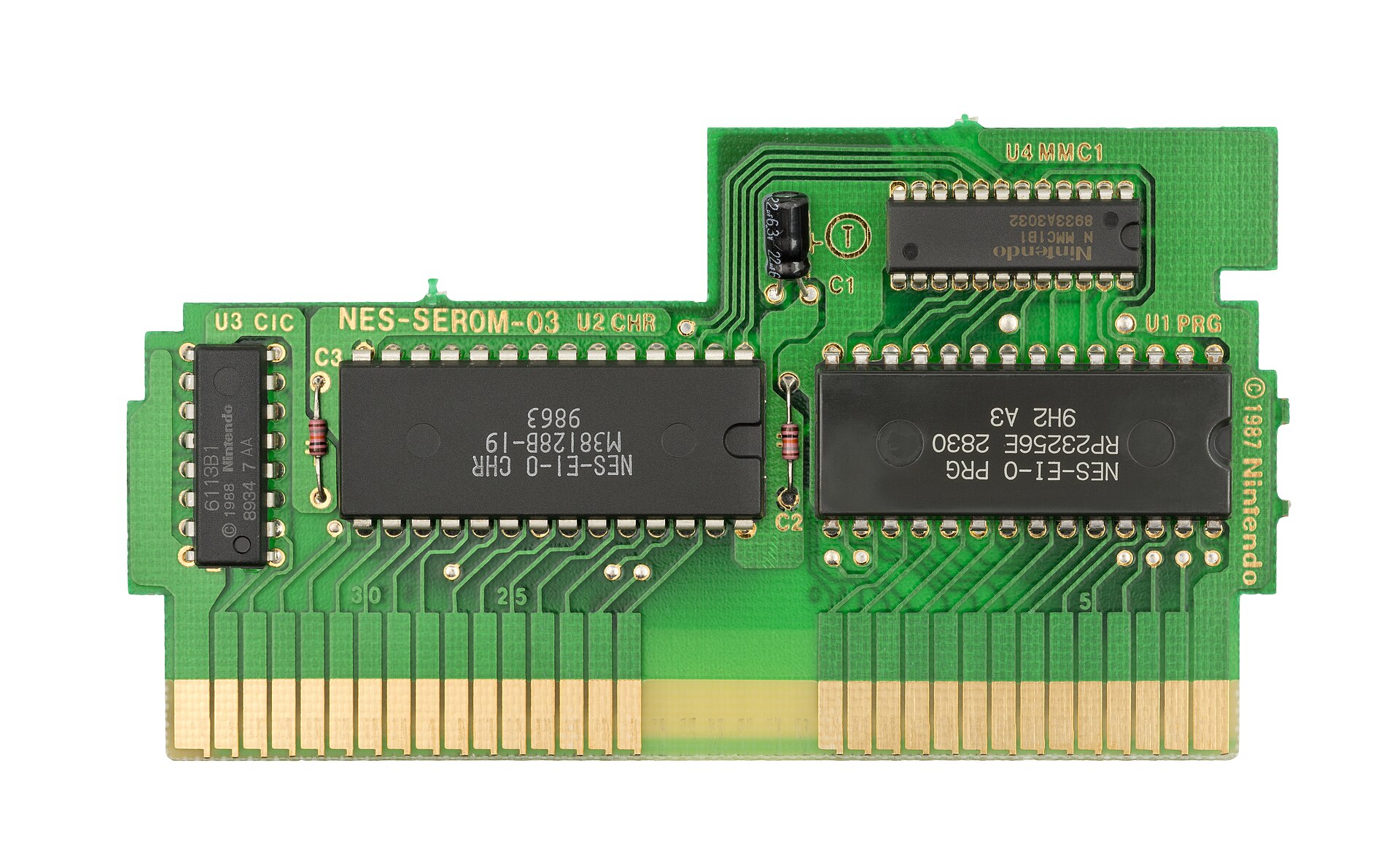
Matthias Hullin · CC BY-SA 3.0Cartridges aren't eternal. Save batteries die, chips fail and discs degrade. Preserving means making sure that data — and the context around it — survives. And it starts with something as concrete as reading a cartridge you own.
A dump is an exact copy of the data on the cartridge chip, obtained with a dedicated reader. To know it's correct you compute its hash (CRC32, MD5, SHA-1) and compare it with preservation databases like No-Intro. If it matches, your copy is faithful.
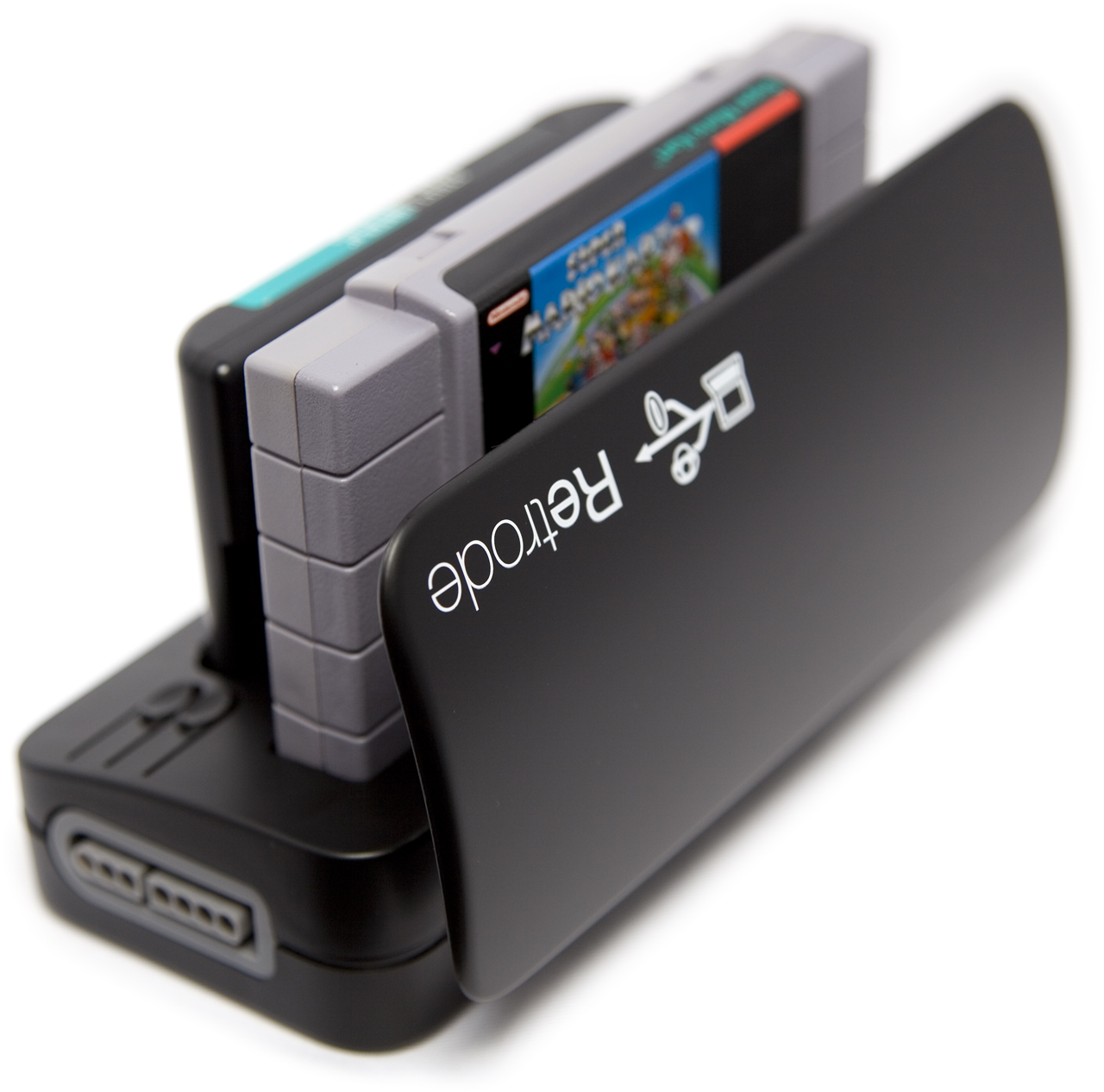
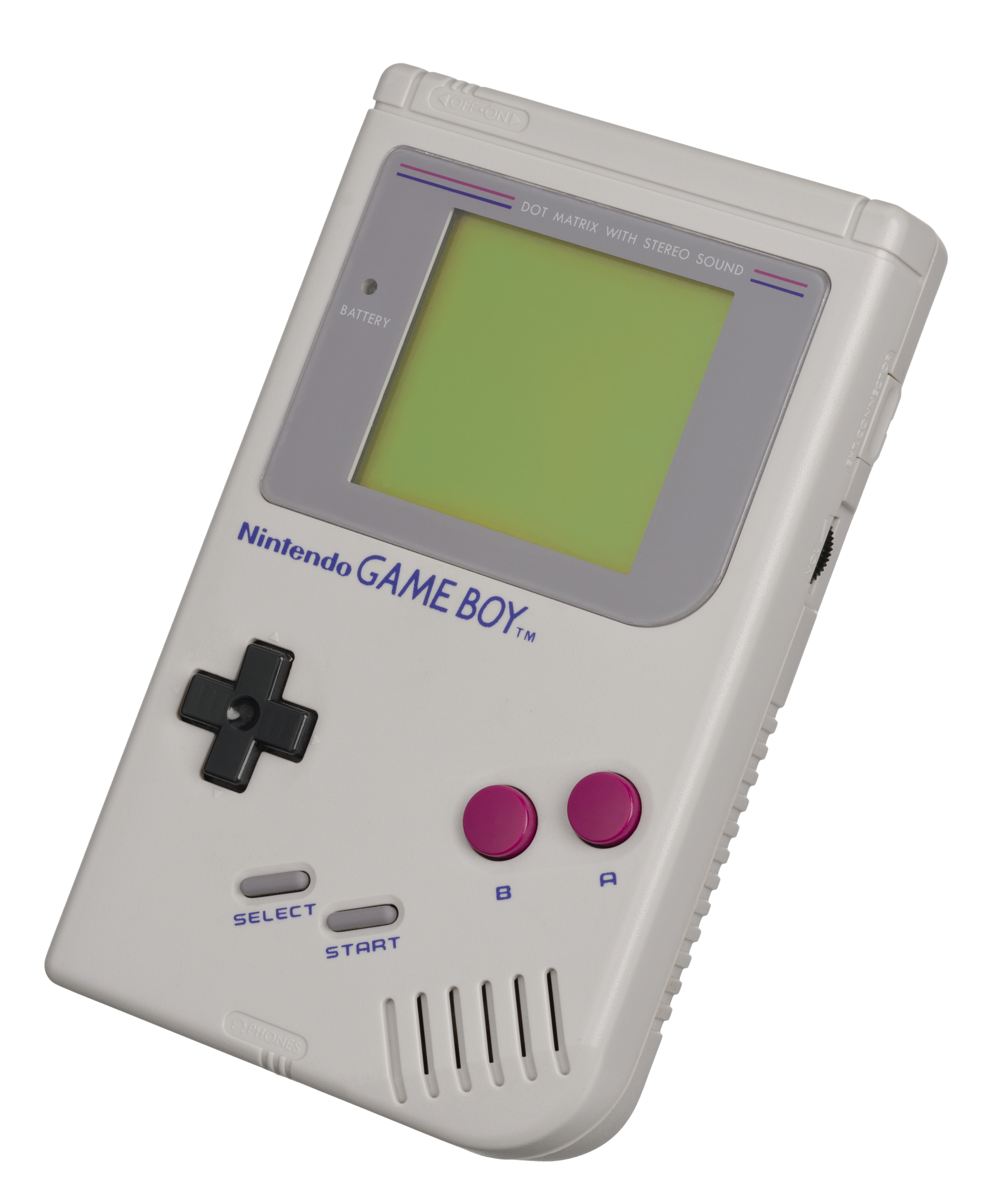
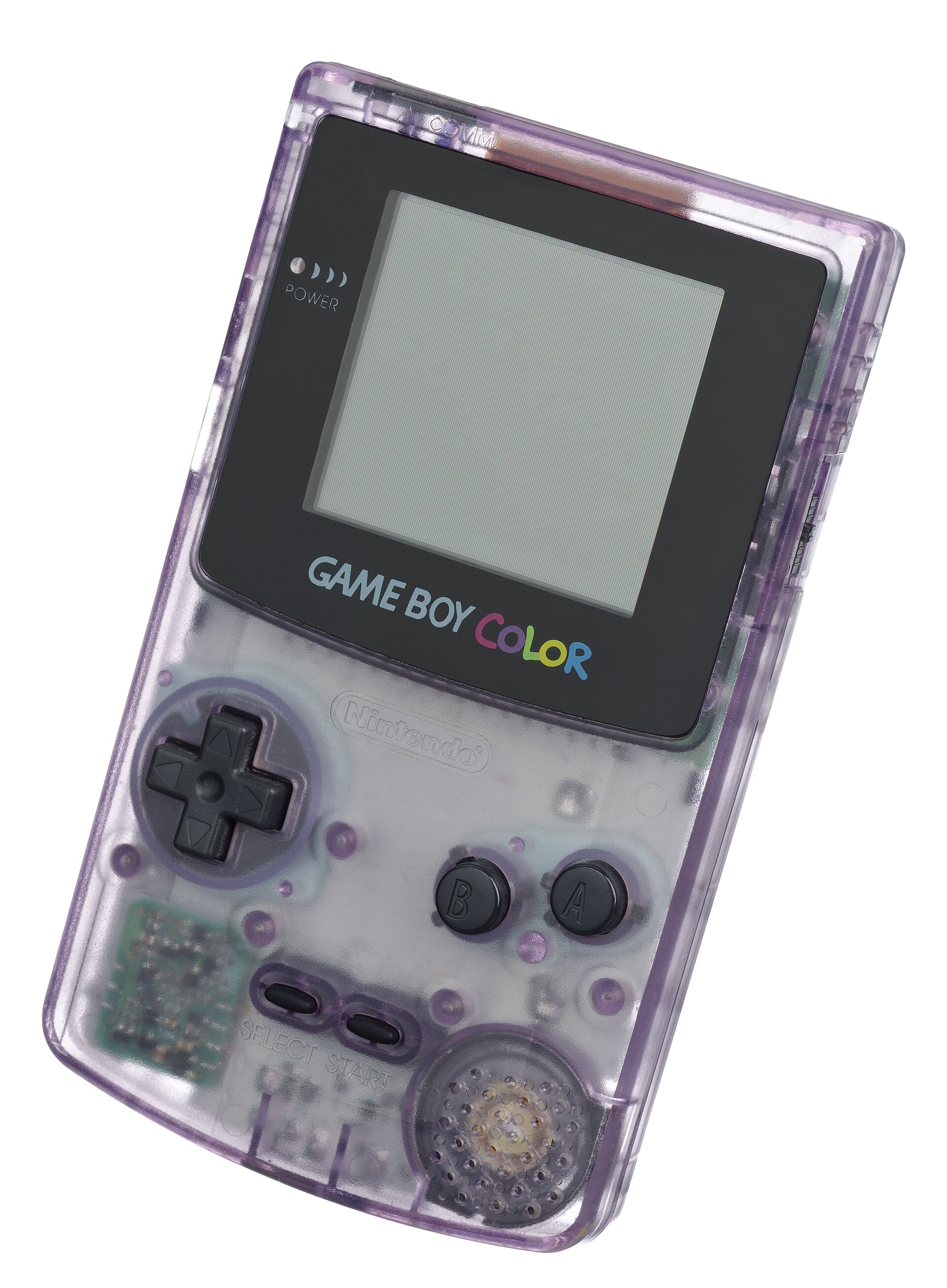
There are readers for almost everything. The Retrode connects SNES and Mega Drive cartridges over USB and shows them like a thumb drive. The Open Source Cartridge Reader, an open project you can build yourself, reads dozens of systems, from NES to N64. The INL Retro Dumper is the reference for NES and Famicom, and readers like the GBxCart RW or the GB Operator specialize in Game Boy and also let you back up and restore save files.
With a verified dump you can play your own game on an emulator or FPGA without wearing out the cartridge; rescue your save before replacing a dead battery; compare revisions and regions of the same game; and, for prototypes or unreleased games donated with permission, save forever a piece of history that would otherwise be lost.
Preservation is also documentation: scanning manuals, photographing boards and recording differences between versions. That often volunteer work is what lets us study game history rigorously.
Evan-Amos (fondo removido por la comunidad de Commons) · Public domainWith free tools like GB Studio, making a game that runs on a real Game Boy is within anyone's reach.
The homebrew scene proves a console doesn't die when production stops. Every year new games appear for NES, Game Boy or Mega Drive, many on physical cartridges, made by small studios and hobbyists.
GB Studio is a free, open source visual editor: you draw scenes, define events and export a ROM that runs in emulators, flashcarts and real cartridges. You don't need to code to start, though you can when you want more control.
The best advice is to start small. Your first game shouldn't be a forty-hour RPG: get a character walking across a screen, then jumping, then getting hurt by something. Every working step is a win, and a small finished game teaches more than a huge abandoned one.
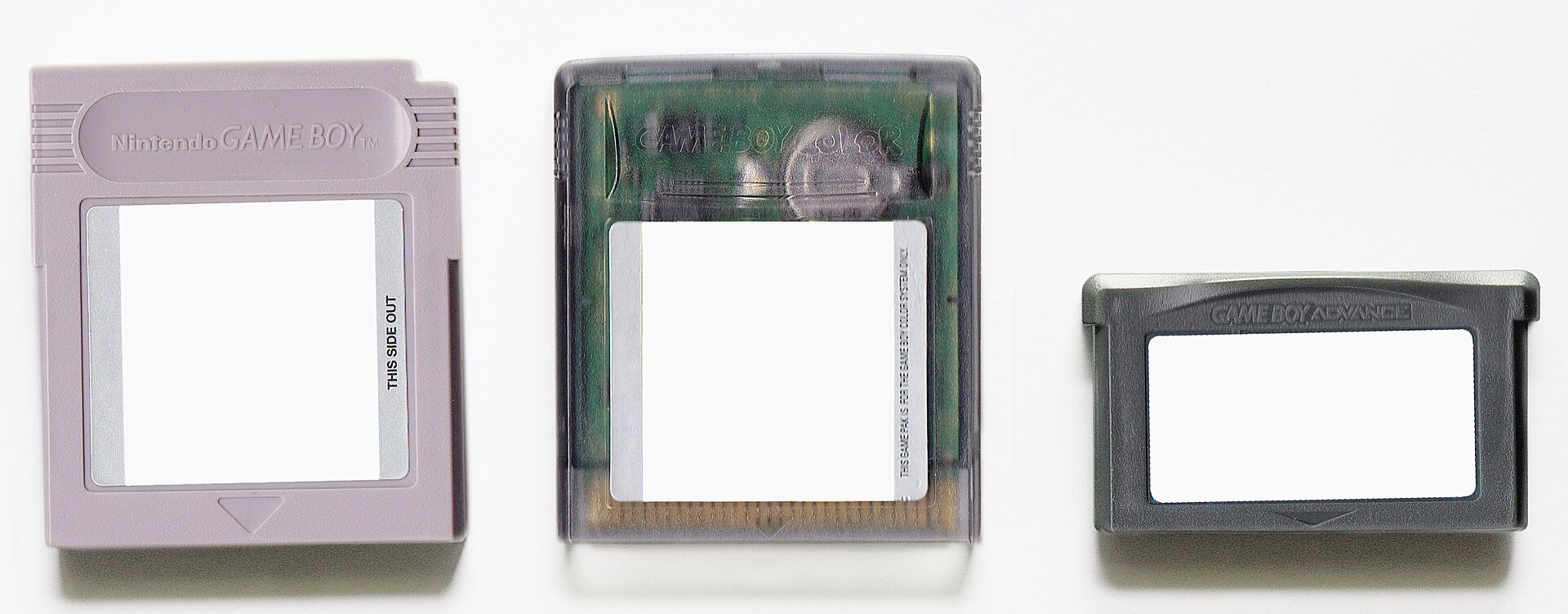
Respect the machine's limits from day one: four shades, 8×8 or 8×16 sprites, few things on screen at once. Test often in an accurate emulator like SameBoy or Emulicious and, when you can, on a real Game Boy with a flashcart. Use version control (Git) so you don't lose work, and share progress with the community: early feedback saves weeks.
Evan-Amos · Public domain
Gareth Halfacree from Bradford, UK · CC BY-SA 2.0
Ben Schumin from Montgomery Village, Maryland, USA · CC BY-SA 2.0
The News Tribune/ staff photographer · Public domain
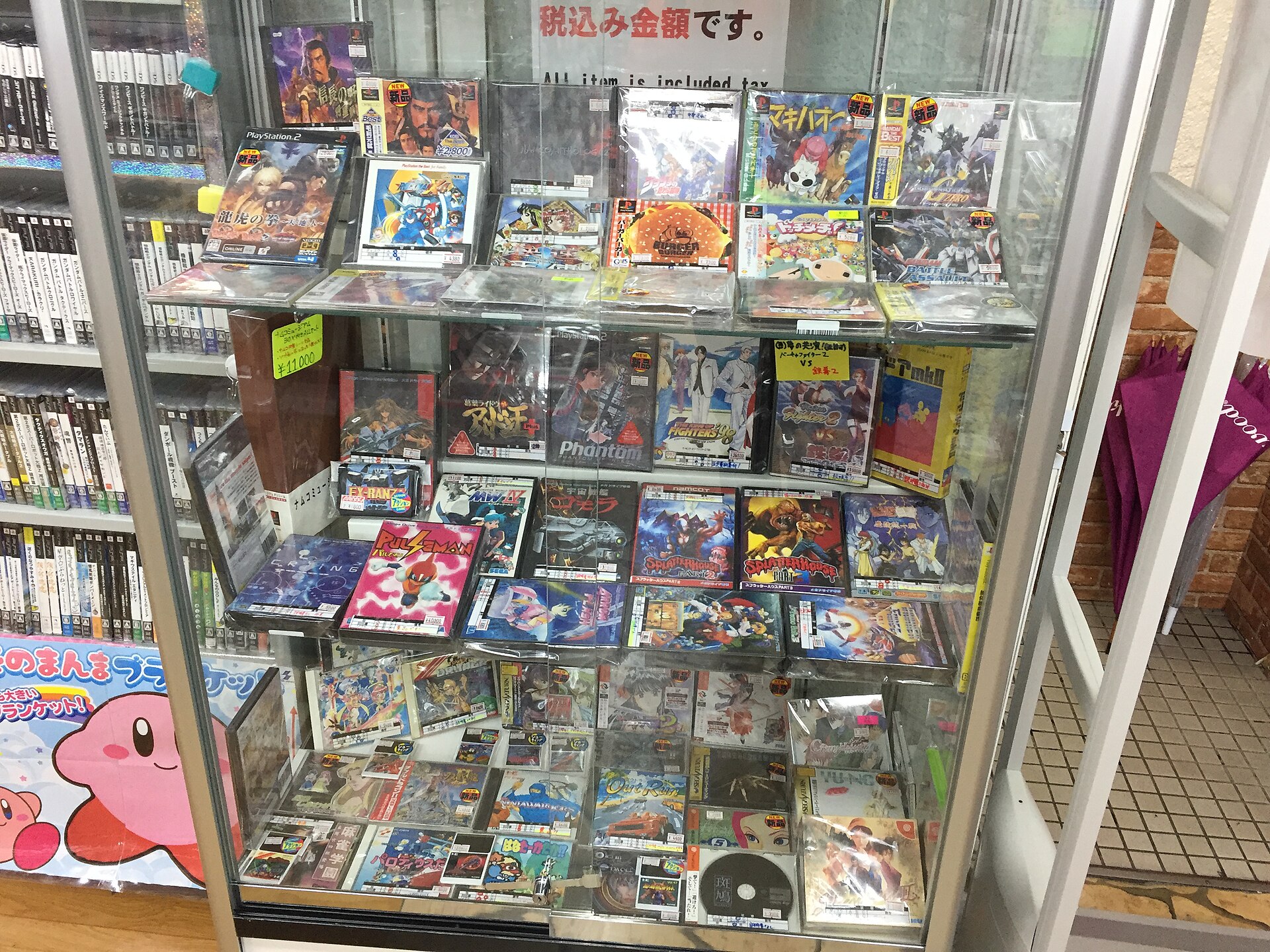
Ominae · CC BY-SA 4.0Video rental stores, clones, electronics shops and imported magazines: a history of Chilean retro gaming told by its players.
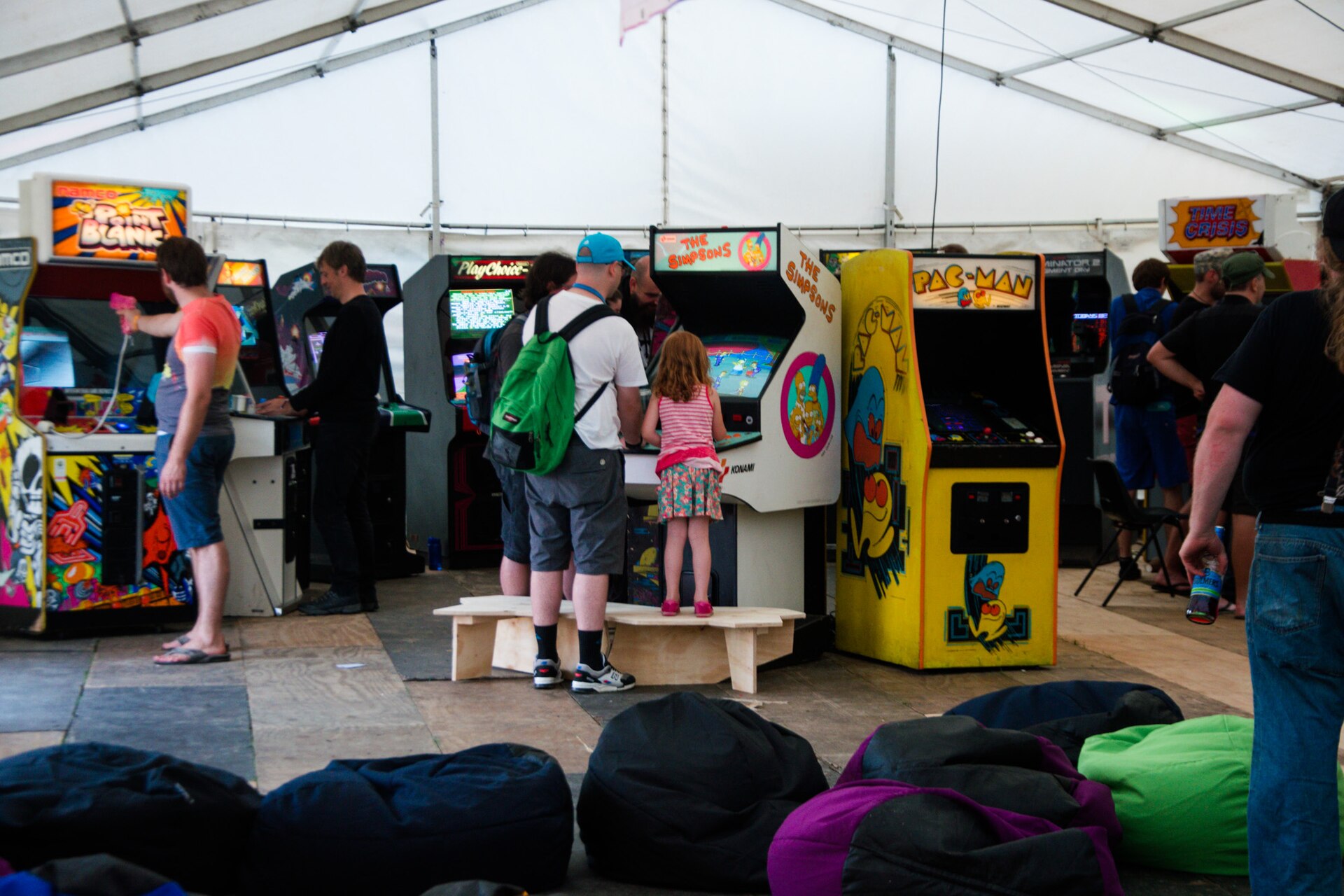
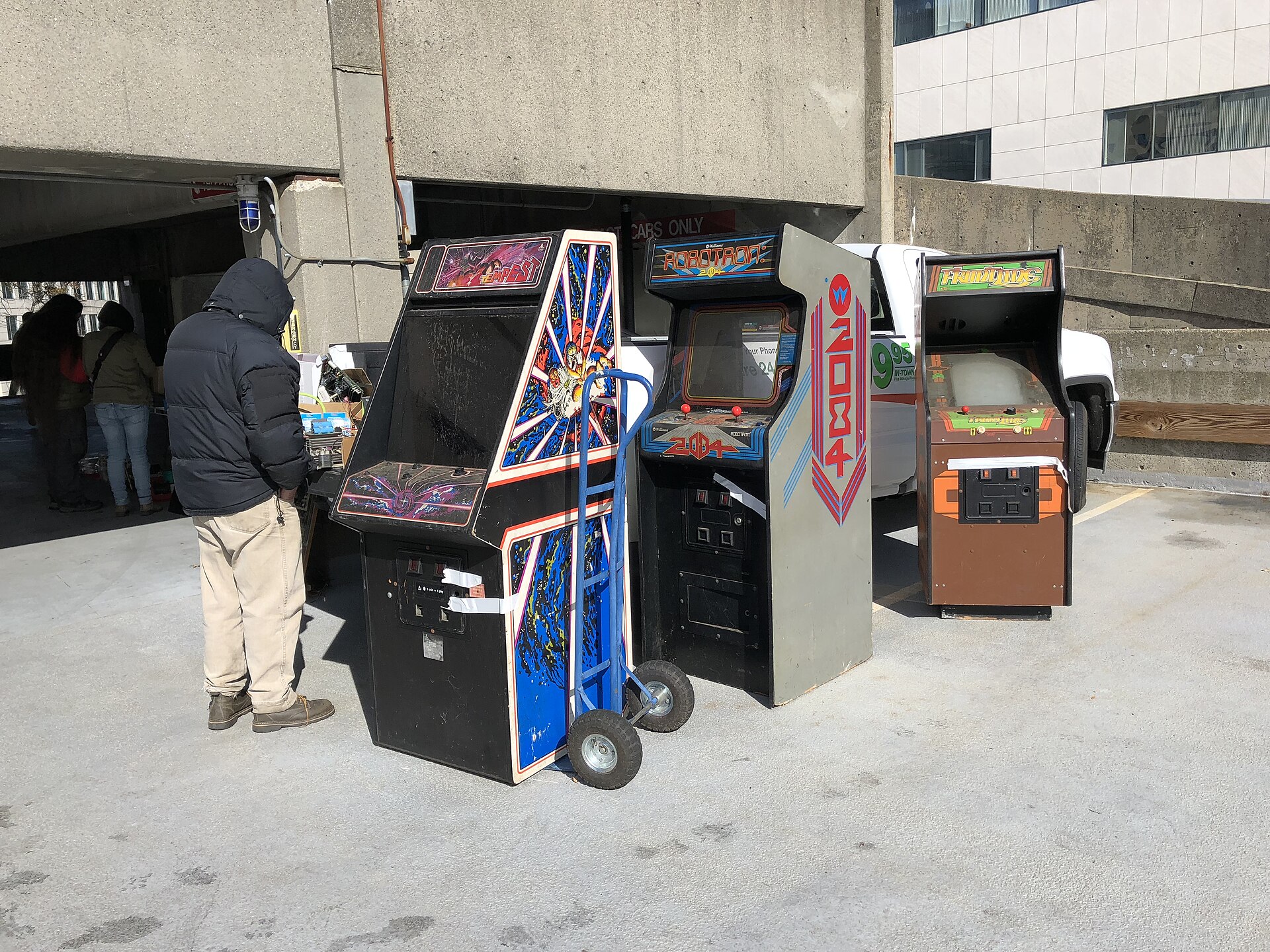
In Chile, for many people, 'the Nintendo' meant any console. Machines arrived through importers, electronics shops and travelers, and coexisted with multi-cart clones sold at street markets and downtown arcades. That mix of originals and clones is an essential part of our history.
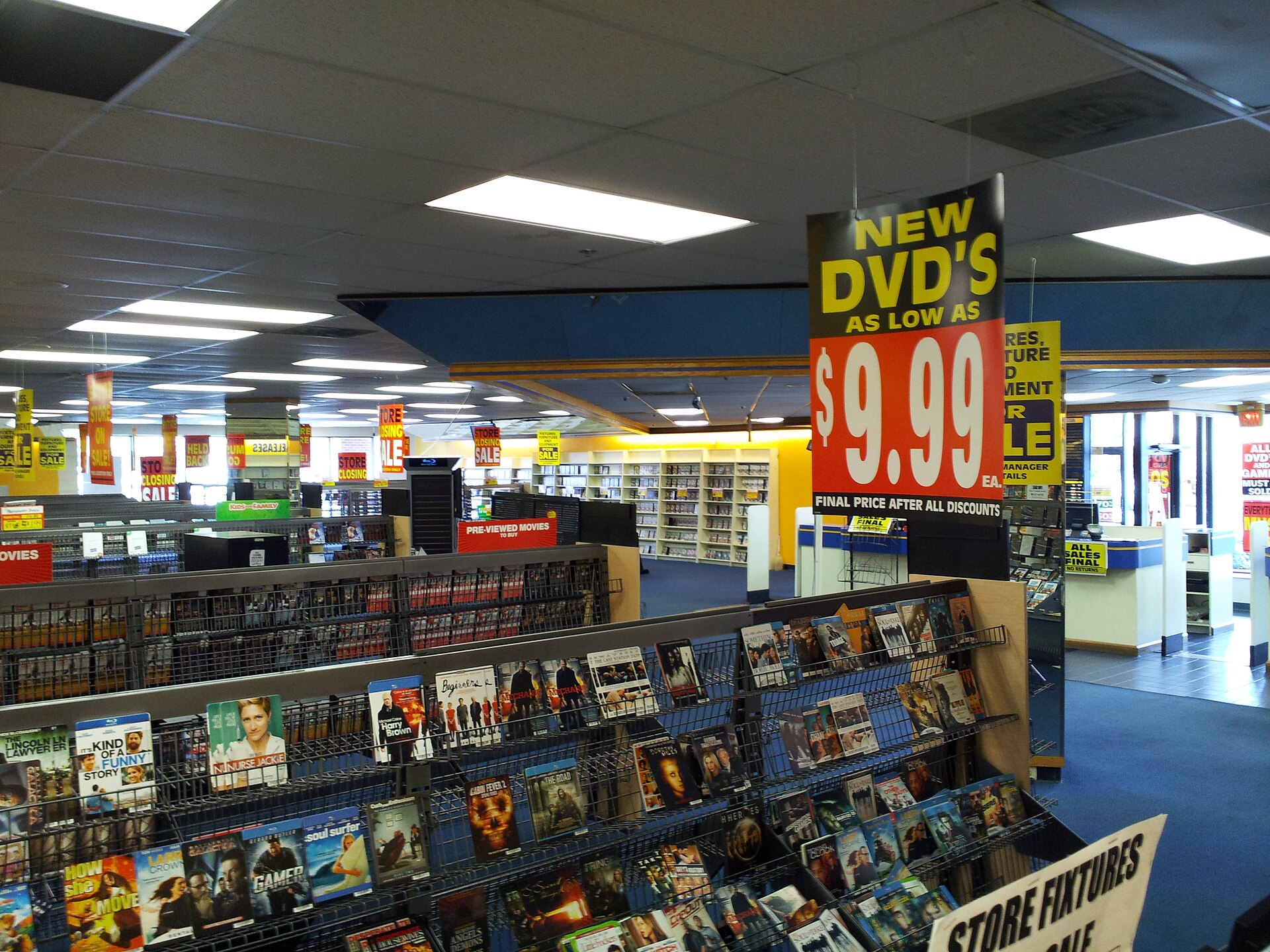
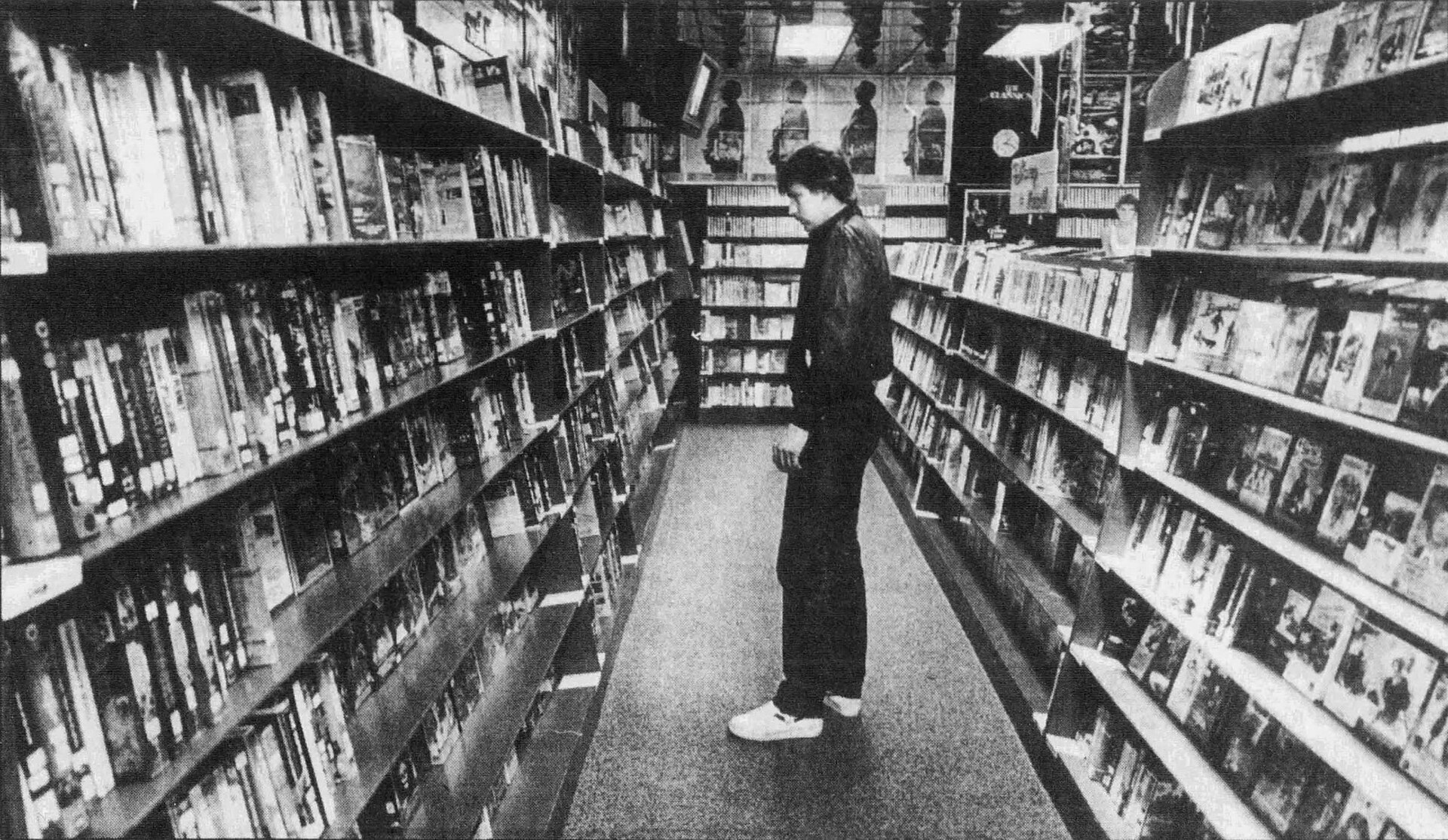
The video rental store was the great library: you rented games and, in some neighborhoods, consoles for the weekend. International chains coexisted with the corner shop, where the owner knew which game to recommend.
Choosing was an art. You'd walk the games aisle again and again, with money for just one rental. If the one you wanted was out, the gamble began: picking a box you'd never seen and deciding only by the cover art and the two screenshots on the back.
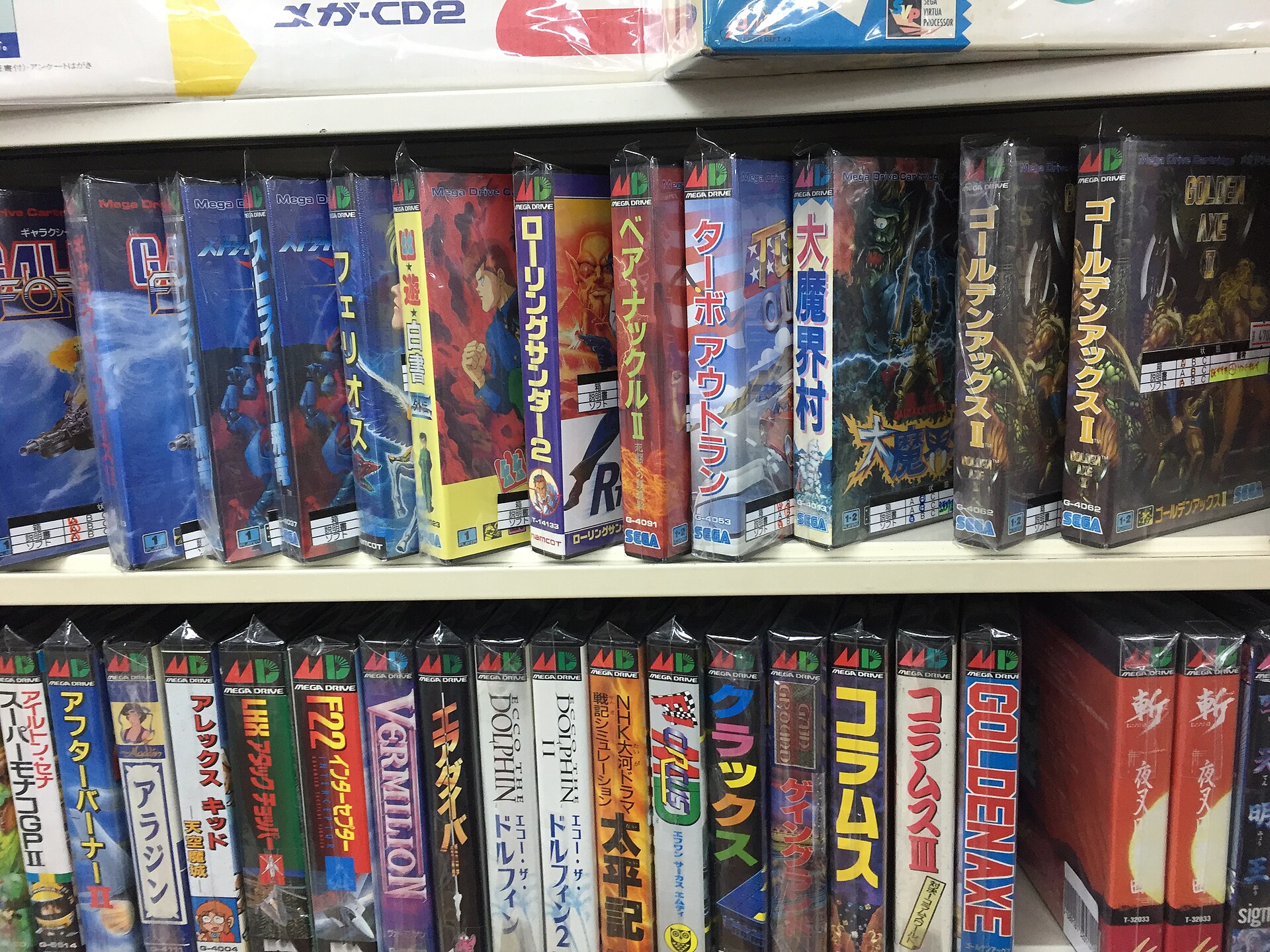
And those covers lied in the most beautiful way. Hand-painted illustrations, giant spaceships, muscular warriors and explosions the game would never show. You imagined incredible adventures, and sometimes the game lived up to it. Other times it didn't, but the excitement of the trip had already been worth it.
The ride home was part of the game: the box in your hands on the bus or in the car, reading the manual (if there was one) and staring at the screenshots over and over. Getting home, blowing on the cartridge — yes, we all did it — turning on the TV and waiting for the logo. No download replaces that moment.
Rent it Friday. Return it Monday without having slept.— Reader testimony

Santiago started with an NES, lost it all and rebuilt his collection one cartridge at a time. We talked about loss, flea markets and what the Chilean scene is missing.
“I gave my games to an ex. Since then, every cartridge I get back is a small revenge.”
Evan-Amos · Public domain
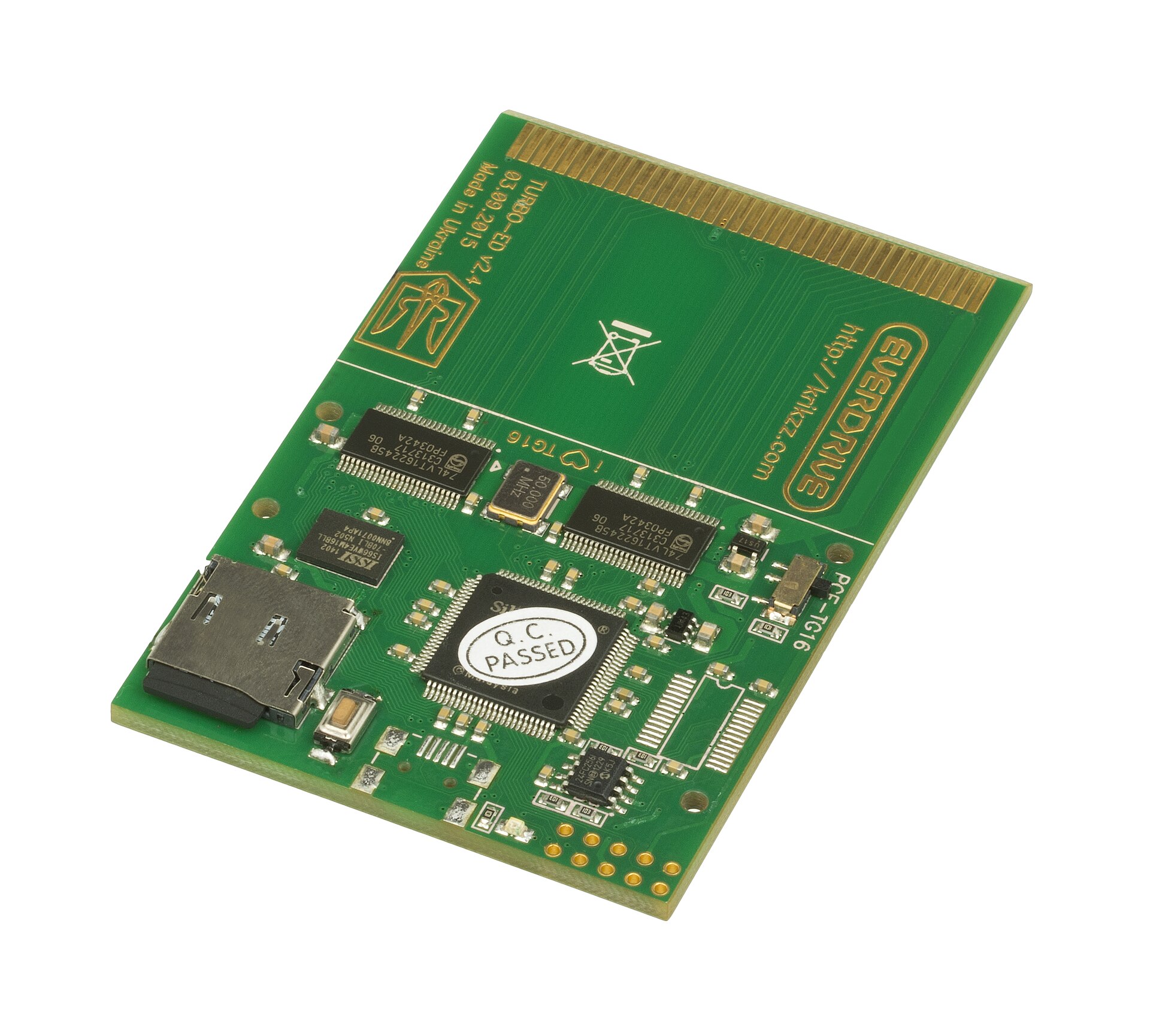
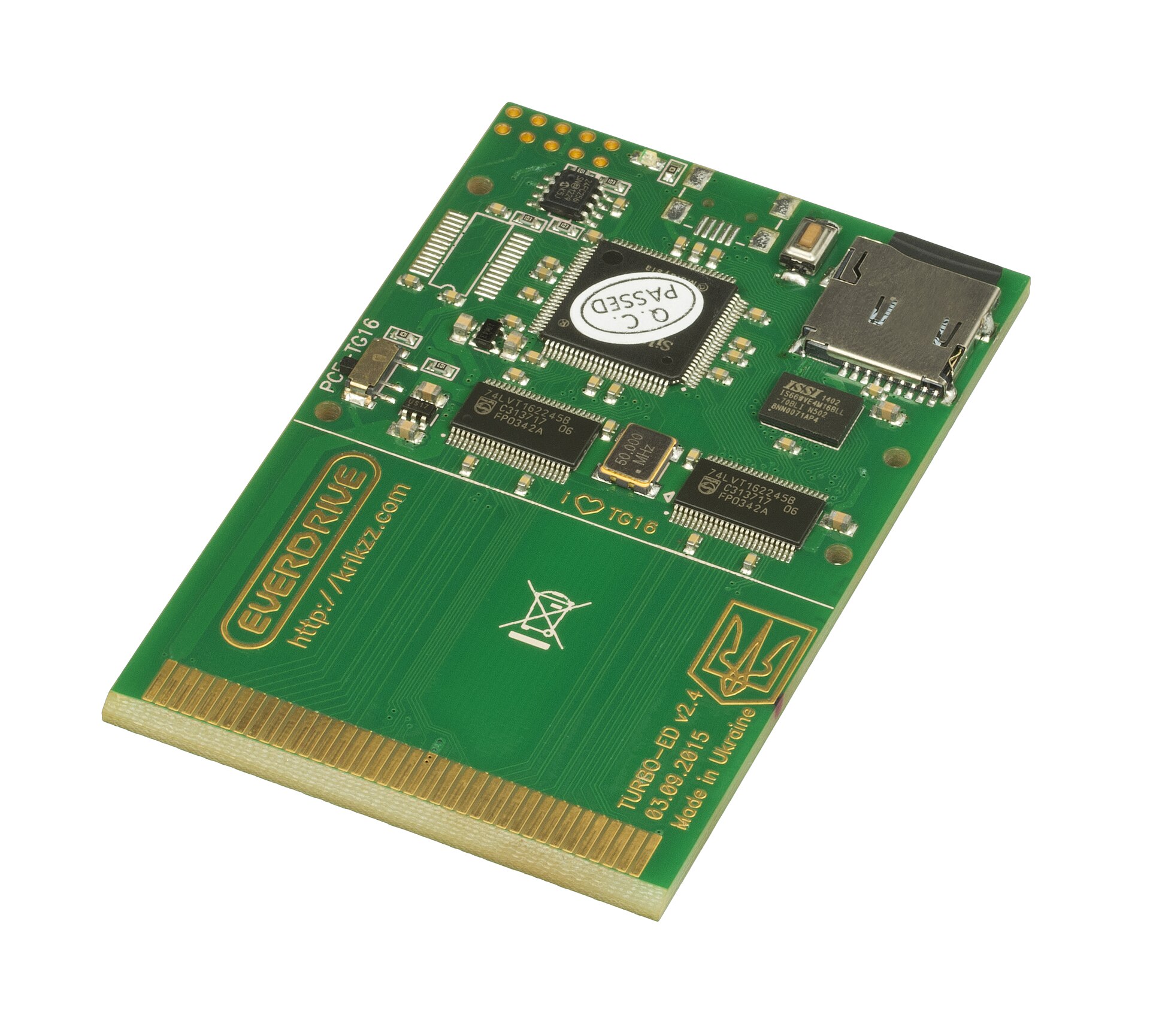
Evan-Amos · Public domainWe tried two budget clones: an SD flashcart for NES and an EverDrive 64 clone that, besides N64, runs NES, Game Boy and Game Gear emulators on the console.
A flashcart is a cartridge with rewritable memory that loads files from an SD card. The Chinese NES clone, based on the original EverDrive N8, costs a fraction and supports nearly every mapper in the library: it loads fast, saves games to the SD and is ideal for testing homebrew. Its limits: no ROMs over 512 KB, no in-game menu and a single save state.
The EverDrive 64 clone is the bigger surprise: besides loading N64 backups, it runs emulators on the console itself. With Neon64 you play NES, with GB64 Game Boy and Game Boy Color, and with SMSPlus64 Master System and Game Gear, all on your N64 with its controller. It's a fun way to give the console a second life.
A warning: both are unauthorized copies of the work of Krikzz, creator of the original EverDrives. Don't install official firmware on a clone: it can wipe your card. If you like the idea and can afford it, the original has better support and more features.
Wikideas1 · CC0
Wisegrow RetroGames
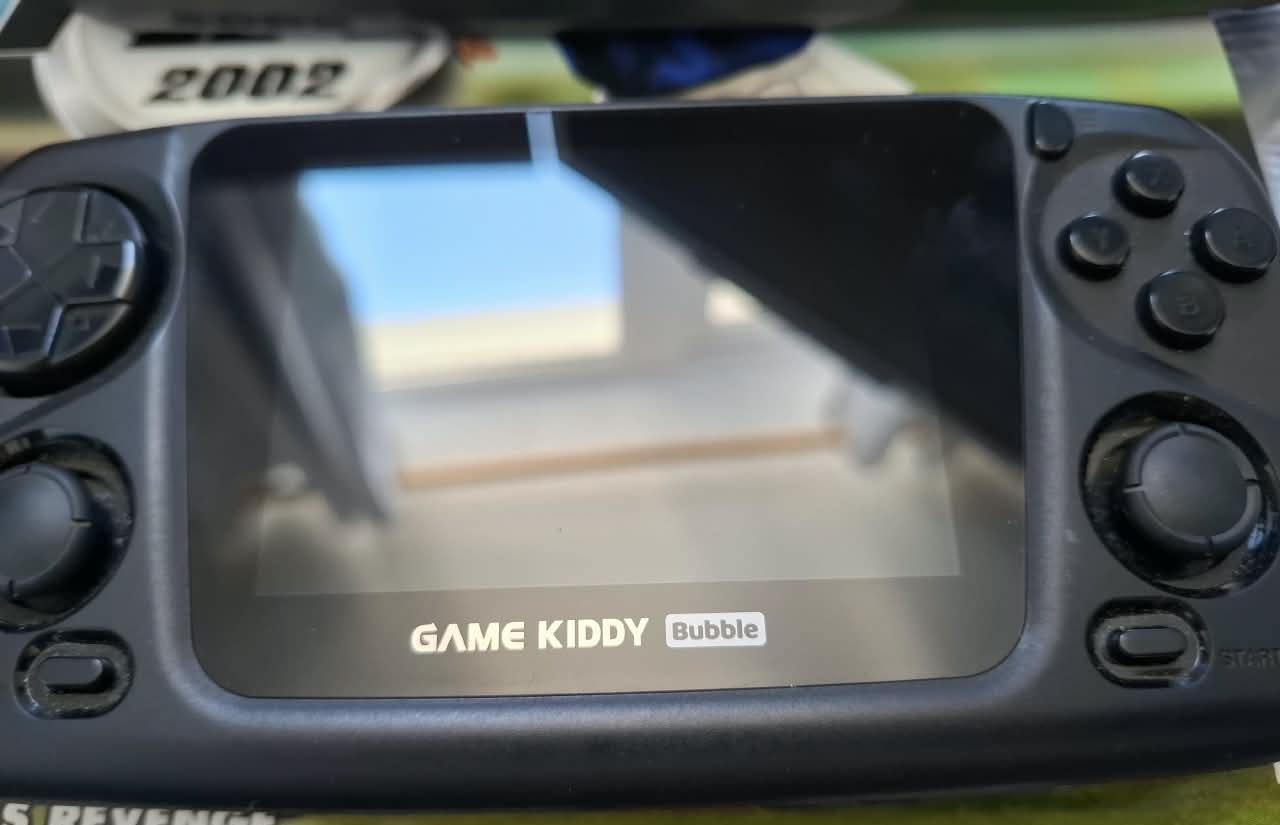
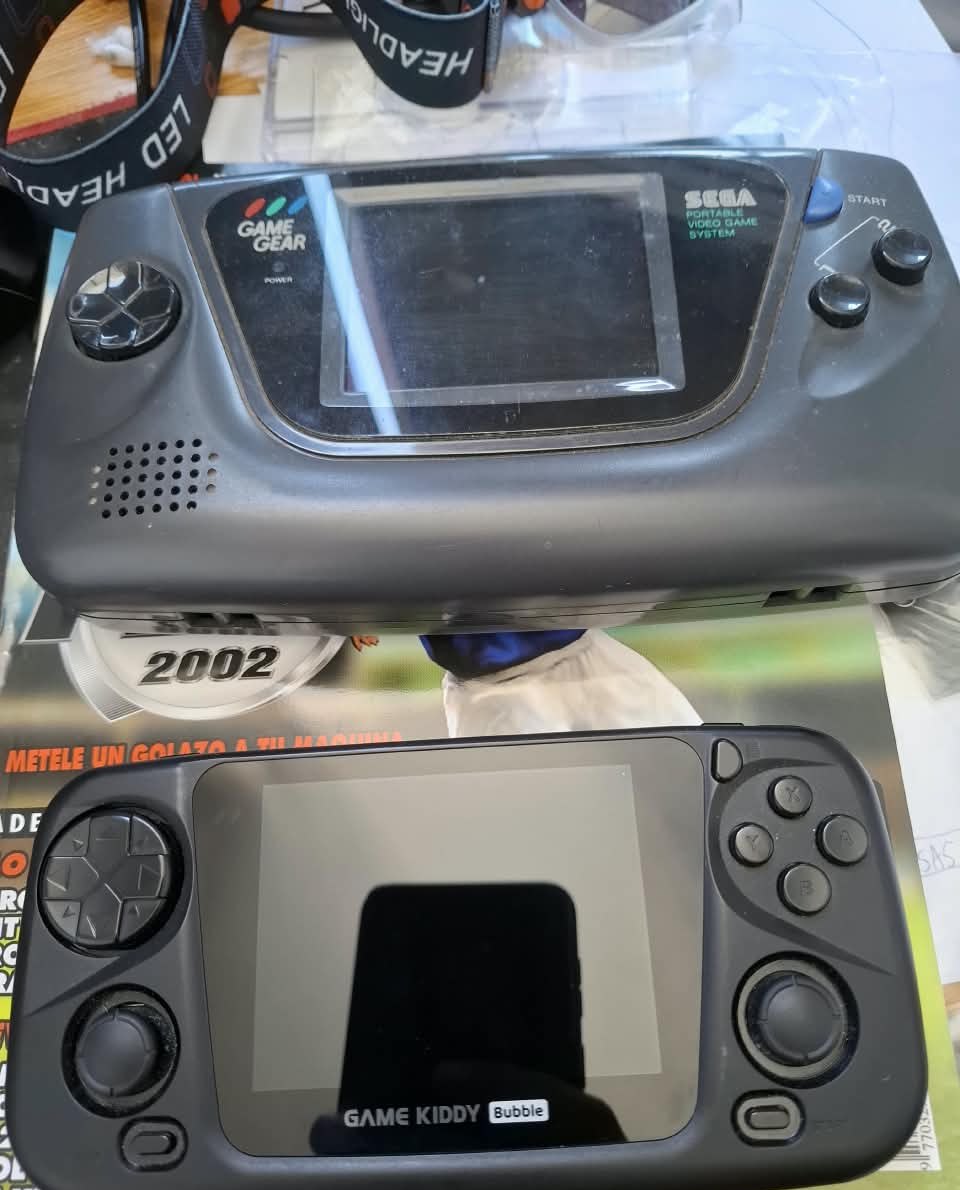
Wisegrow RetroGamesGame Kiddy's handheld imitates the Sega Game Gear's design and pairs it with a modern chip. We put it through its paces: what it runs, what it doesn't and what it costs.
The GKD Bubble came out in late 2024 and its charm is the design: rounded horizontal shell, Game Gear-style screen bezel and the power lights right where the Sega logo used to be. It's smaller than the original and adds four face buttons, triggers and two sticks.
In our tests, everything 8- and 16-bit runs without issues — Game Gear included, of course — and PlayStation works well. Nintendo 64 and Dreamcast stutter, and anything above that is out of reach. Nintendo DS runs fairly well, but without dual screens: you see one at a time and switch as the game requires. There is no touch input either.
With an HDMI cable it outputs to a TV and, with a USB-C OTG adapter, it takes controllers: at home it becomes a living-room console. The 4,000 mAh battery lasts several afternoons away from the outlet. The buttons are a bit clicky and the 4:3 screen, though colorful, isn't very bright.
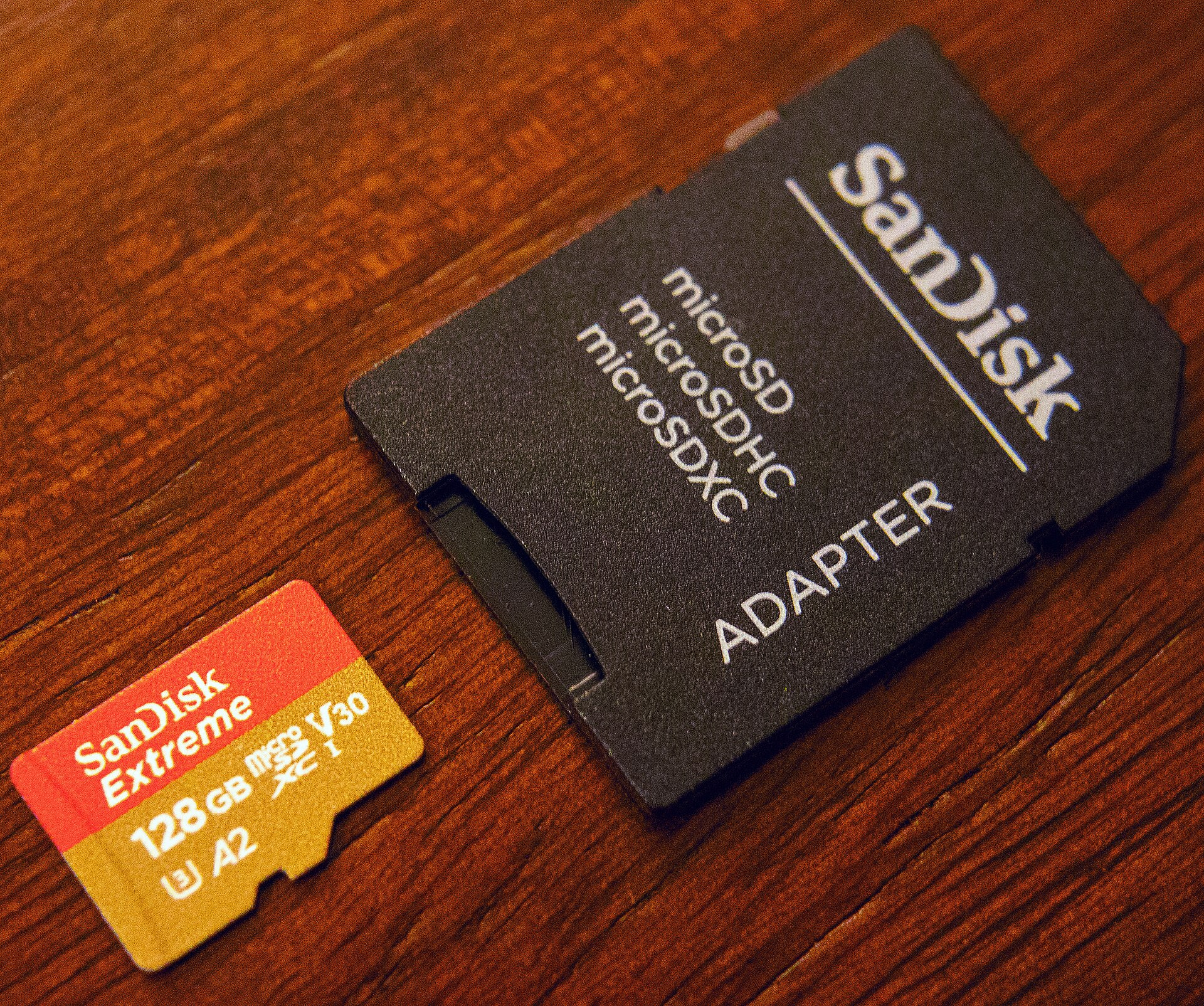
Reference price: on AliExpress it sells for US$60 to 70 (checked October 2026; varies by store, shipping and taxes). Many stores sell it with a microSD "full of games": those cards usually carry unlicensed commercial ROMs. We recommend formatting it and using your own backups and homebrew.
It isn't the most powerful handheld, but it's one of the most charming. If you grew up with the Game Gear — and its six AA batteries that lasted an afternoon — the Bubble is a welcome tribute.
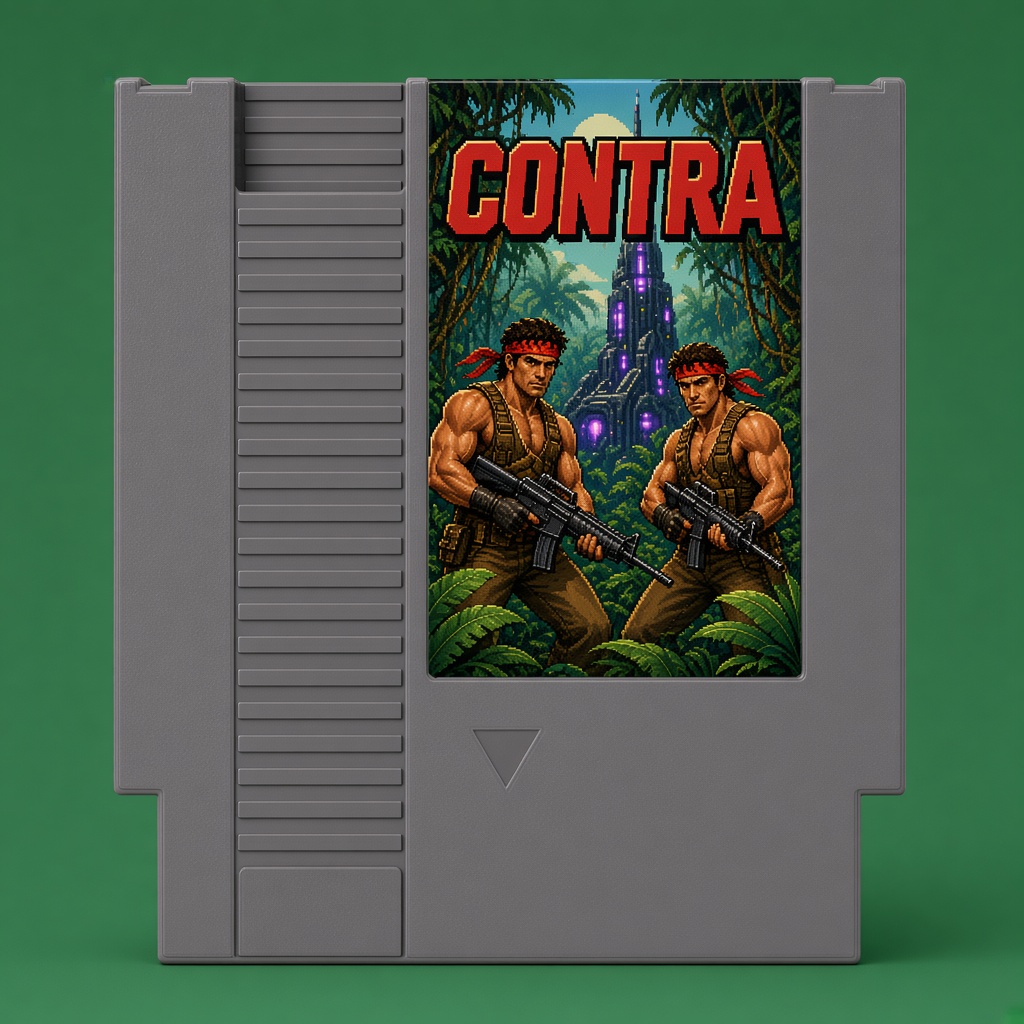
An NES editorial selection. No scores: ten games that explain why the console matters.

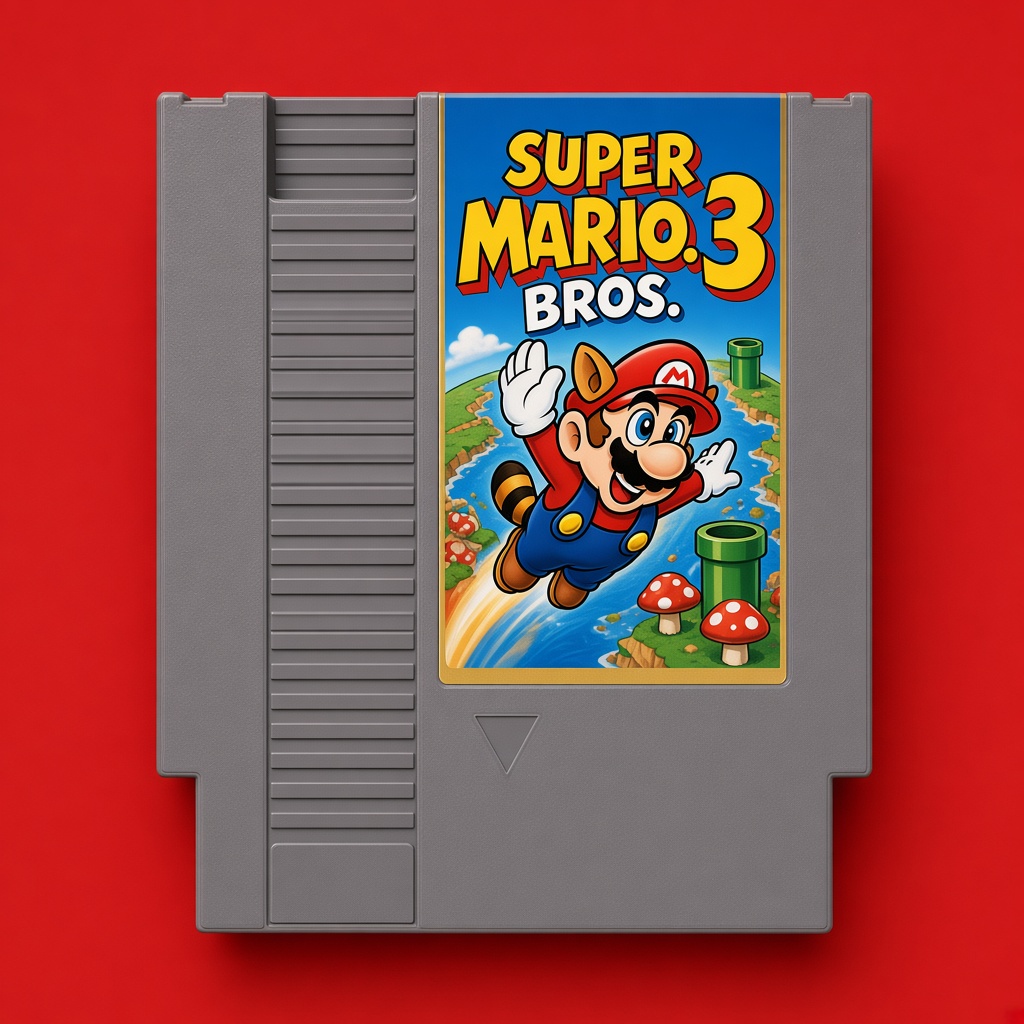
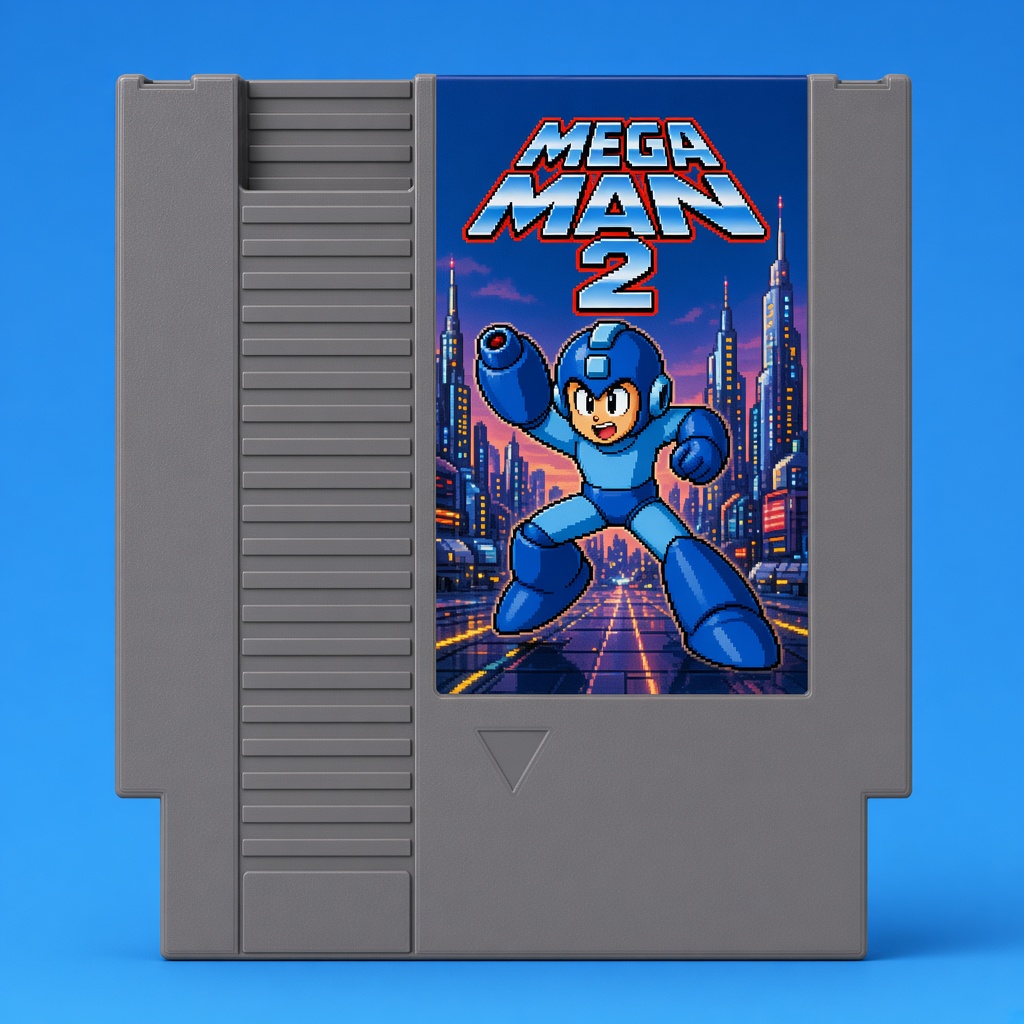
The definitive 8-bit platformer.
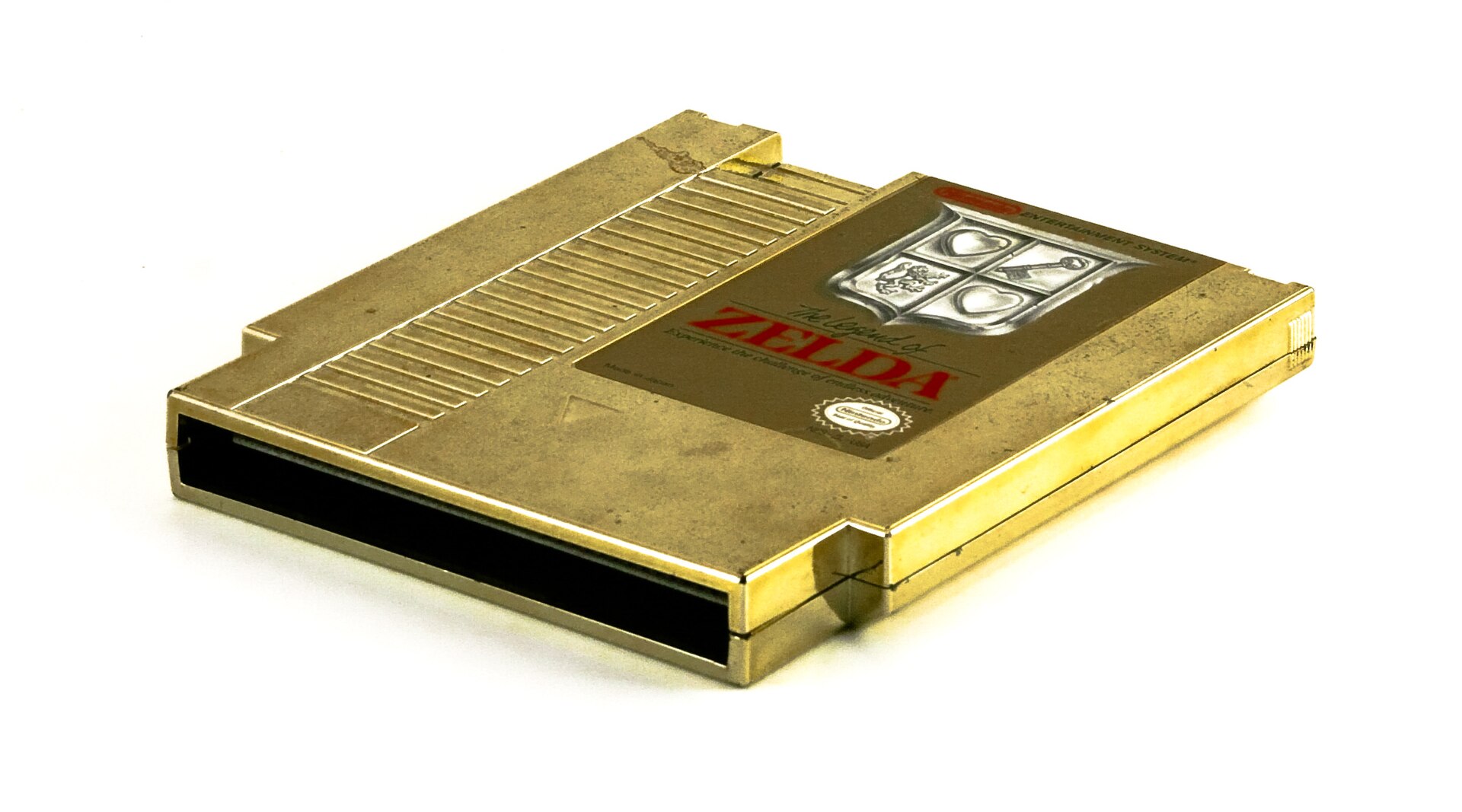
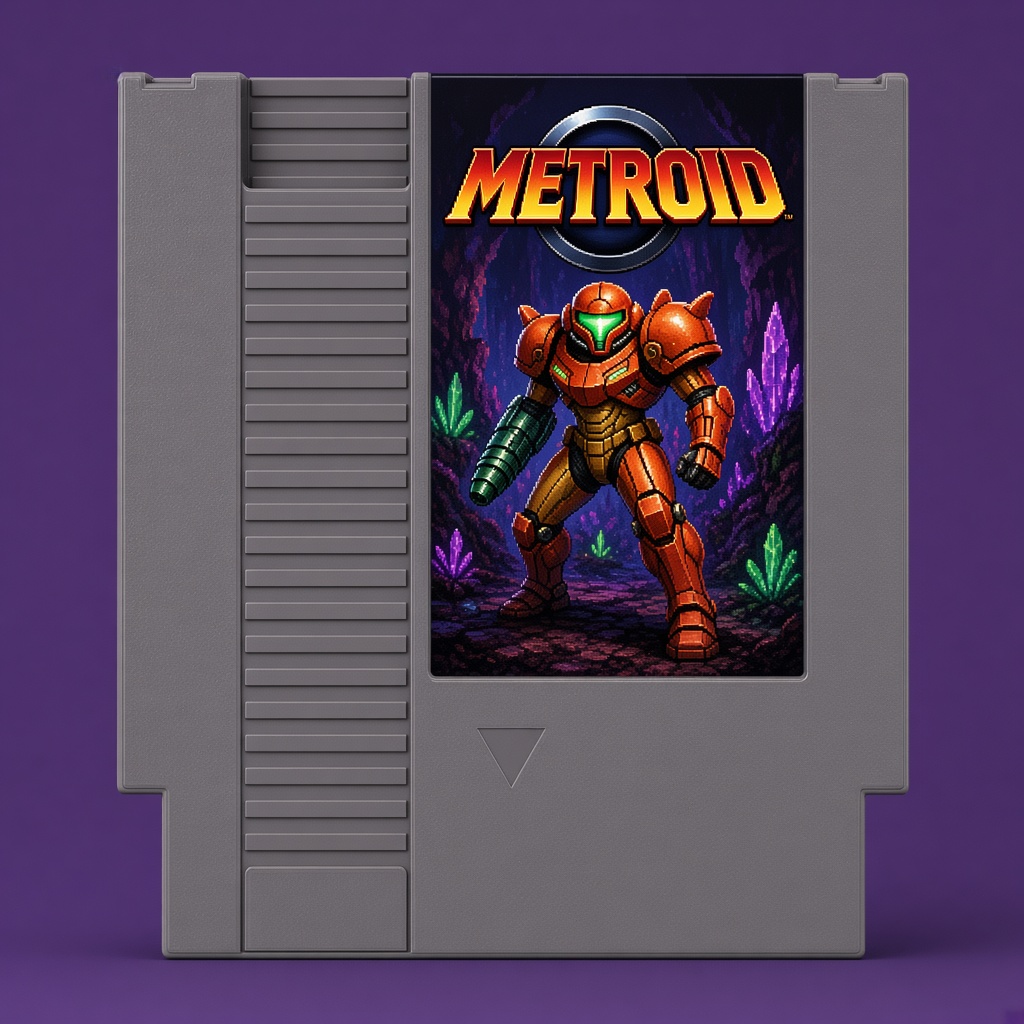
Dave or Atox · CC BY 2.0Exploration without hand-holding.

Flawless music and level design.

Legendary co-op.

The origin of an entire genre.

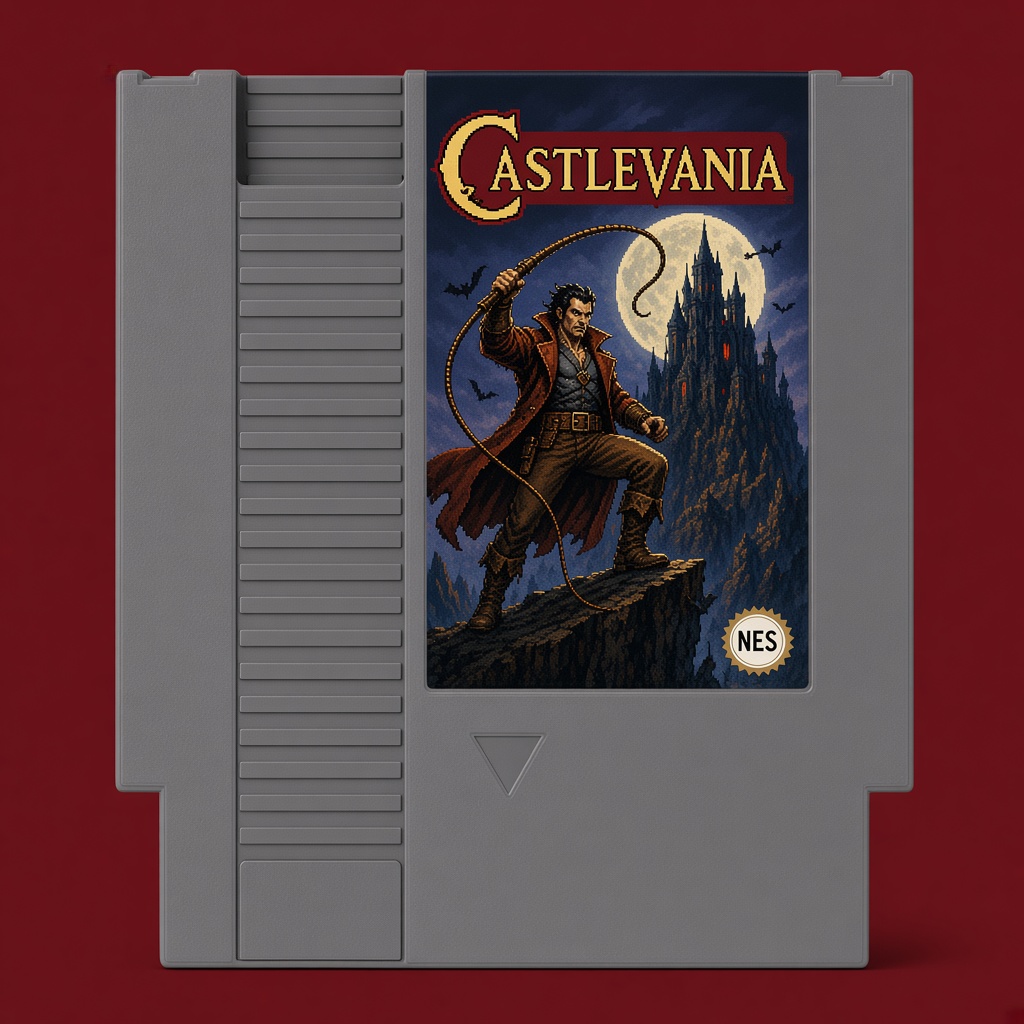
Gothic, demanding, unforgettable.

Pure pattern recognition.

The NES at its technical limit.
Chris Waits · CC BY 2.0The world's most famous pogo.
Keithdigital · CC BY-SA 3.0Eternal.
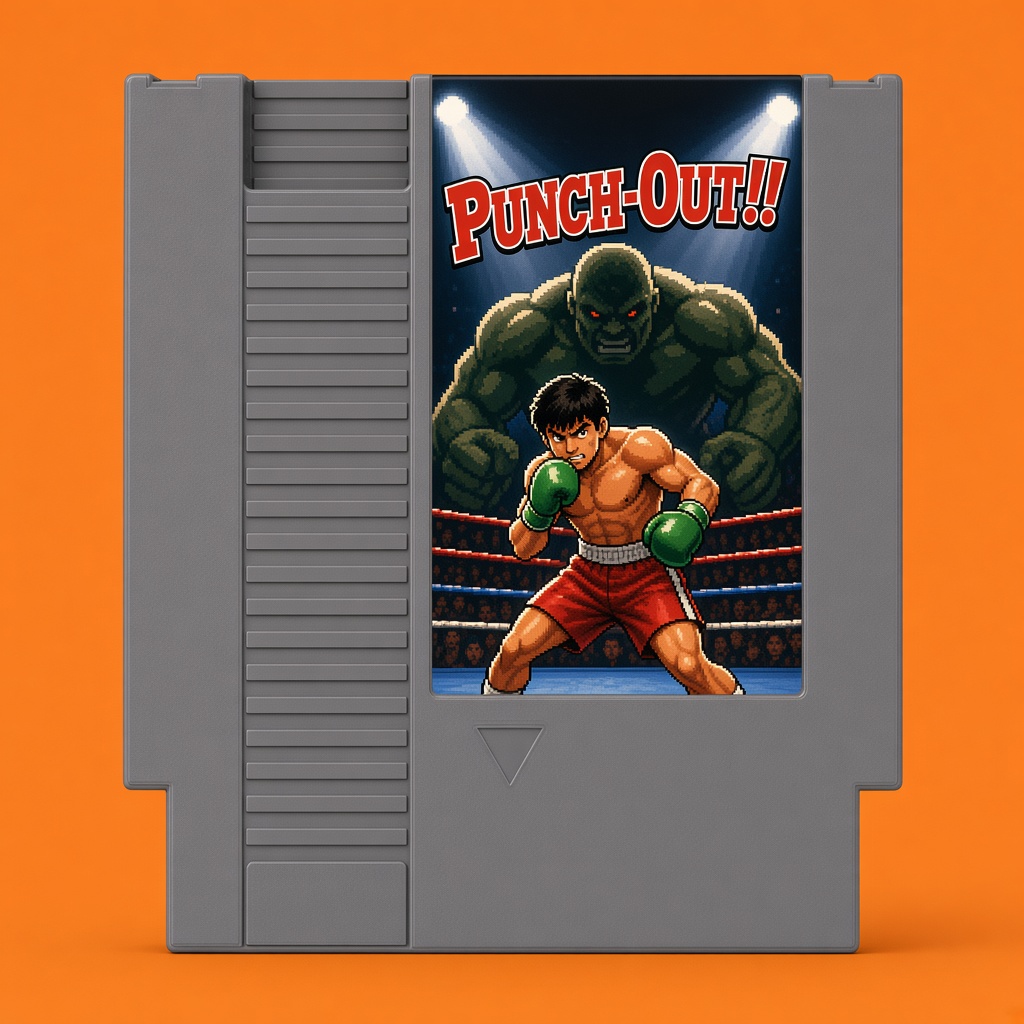
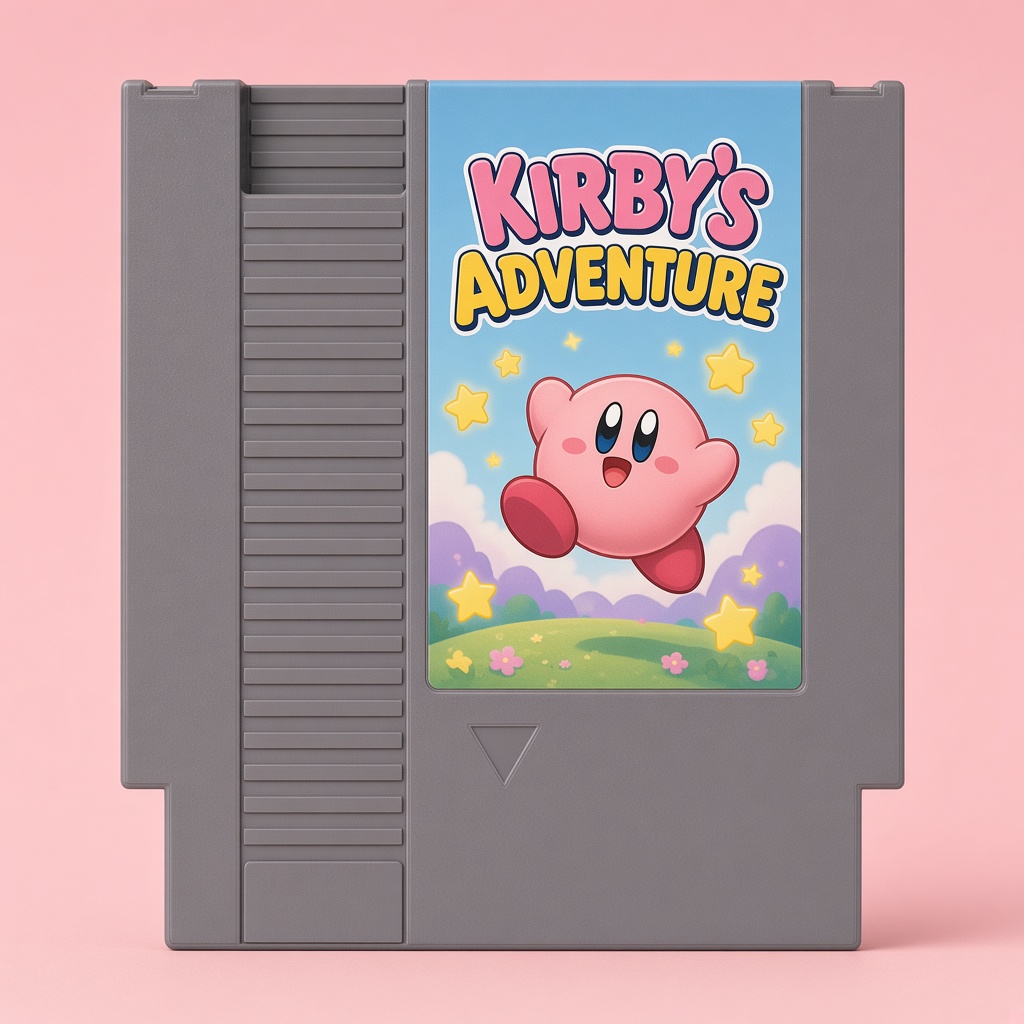
★ Editorial selection · no scores · Illustrative images (not the official art)
What to check on a used console, how to spot repairs and why in Chile you need to think about 220V and NTSC.
ArnoldReinhold · CC BY-SA 4.0Flea markets are still the best place to find surprises, and also to make mistakes. We don't publish prices: they change weekly and depend on condition. What we can give you is a method to assess what's in front of you.
Arrive early: the best stuff goes in the first hour. Bring cash in small bills, a padded bag and, if you can, a test cartridge you know works and your own controller. That way you can tell in seconds whether a fault is in the game or the console.
Learn to spot reproductions: oversaturated or blurry labels, plastic in a different shade, regular screws instead of security ones, or a board with a single modern chip when you open it. A repro isn't bad if sold as one; the problem is paying for it as an original.
Negotiate respectfully. Ask about a discount for several games, calmly point out any flaws you find and remember many sellers are collectors too. A good relationship with your regular stall is worth more than any bargain.
Restoring is also an opportunity: a console with no video might have a simple fault. But that bet only pays off if you can repair it or know who to ask. That's what the forum is for.
Every issue is fed by the forum: questions become tutorials, restorations become covers, collectors become interviews.
Gamepolis · CC BY-SA 4.0
James Bastow · CC BY-SA 2.0
Ominae · CC BY-SA 4.0
Gareth Halfacree from Bradford, UK · CC BY-SA 2.0Wrote about a game, a repair or a memory? Send it and we will publish it, with your byline.
A photo of your gaming corner and a few lines: you will appear in Reader setups.
Wisegrow RetroGames Magazine is born 100% digital and free. If visits and feedback keep coming, the next step is print, in different flavors depending on how much you want to take home.
The full magazine as a high-resolution PDF and in the web reader, with forum links and bonus content.

The printed edition, made for the shelf: numbered spine and special-finish cover.

For collectors: printed magazine, double-sided poster, sticker sheet and cover postcard.
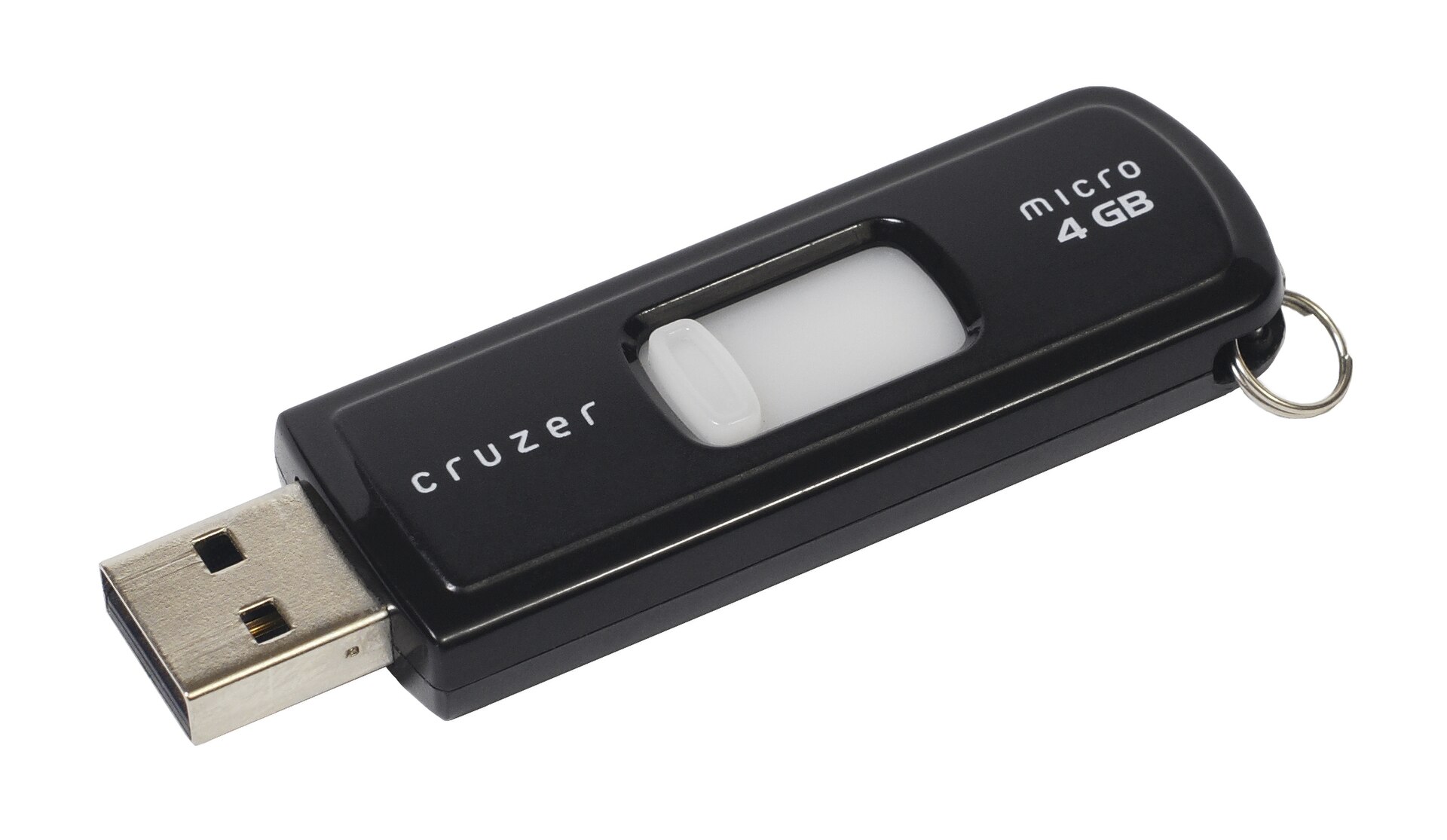
Ominae · CC BY-SA 4.0Printed magazine + cartridge-shaped USB with open source software, licensed homebrew and documentation. No commercial ROMs.
Evan-Amos · Public domainHand-numbered edition with alternate cover, cartridge-style box and certificate.
Derrick Rossignol · CC BY-SA 4.0★ No prices for now: we will set them with the community once a print edition is viable.
Evan-Amos · Public domain
Evan-Amos (fondo removido por la comunidad de Commons) · Public domainOne console per issue. And in every one: the best games, tricks, reviews and accessories.
Evan-Amos · Public domain