ISSUE #01November 2026NESPreservation Kit #01 in developmentSend your setup to the communityMade in ChileISSUE #01November 2026NESPreservation Kit #01 in developmentSend your setup to the communityMade in Chile
The homebrew scene proves a console doesn't die when production stops. Every year new games appear for NES, Game Boy or Mega Drive, many on physical cartridges, made by small studios and hobbyists.
GB Studio is a free, open source visual editor: you draw scenes, define events and export a ROM that runs in emulators, flashcarts and real cartridges. You don't need to code to start, though you can when you want more control.
Limitations don't kill creativity: they shape it. — Fernanda Muñoz
The best advice is to start small. Your first game shouldn't be a forty-hour RPG: get a character walking across a screen, then jumping, then getting hurt by something. Every working step is a win, and a small finished game teaches more than a huge abandoned one.
Respect the machine's limits from day one: four shades, 8×8 or 8×16 sprites, few things on screen at once. Test often in an accurate emulator like SameBoy or Emulicious and, when you can, on a real Game Boy with a flashcart. Use version control (Git) so you don't lose work, and share progress with the community: early feedback saves weeks.
1 · Screen
A background and a moving character.
2 · Collisions
Walls, floor and a jump that feels right.
3 · Challenge
One enemy, lives and a way to lose.
4 · Level
One complete level, start to finish.
5 · Polish
Music, sound effects, title and game over screen.
6 · Hardware
Test on a real Game Boy and share.
For other platforms the toolbox is just as rich: cc65 and ca65 for NES, SGDK for Mega Drive, trackers like FamiStudio for music, and IPS patches for translation ROM hacking.
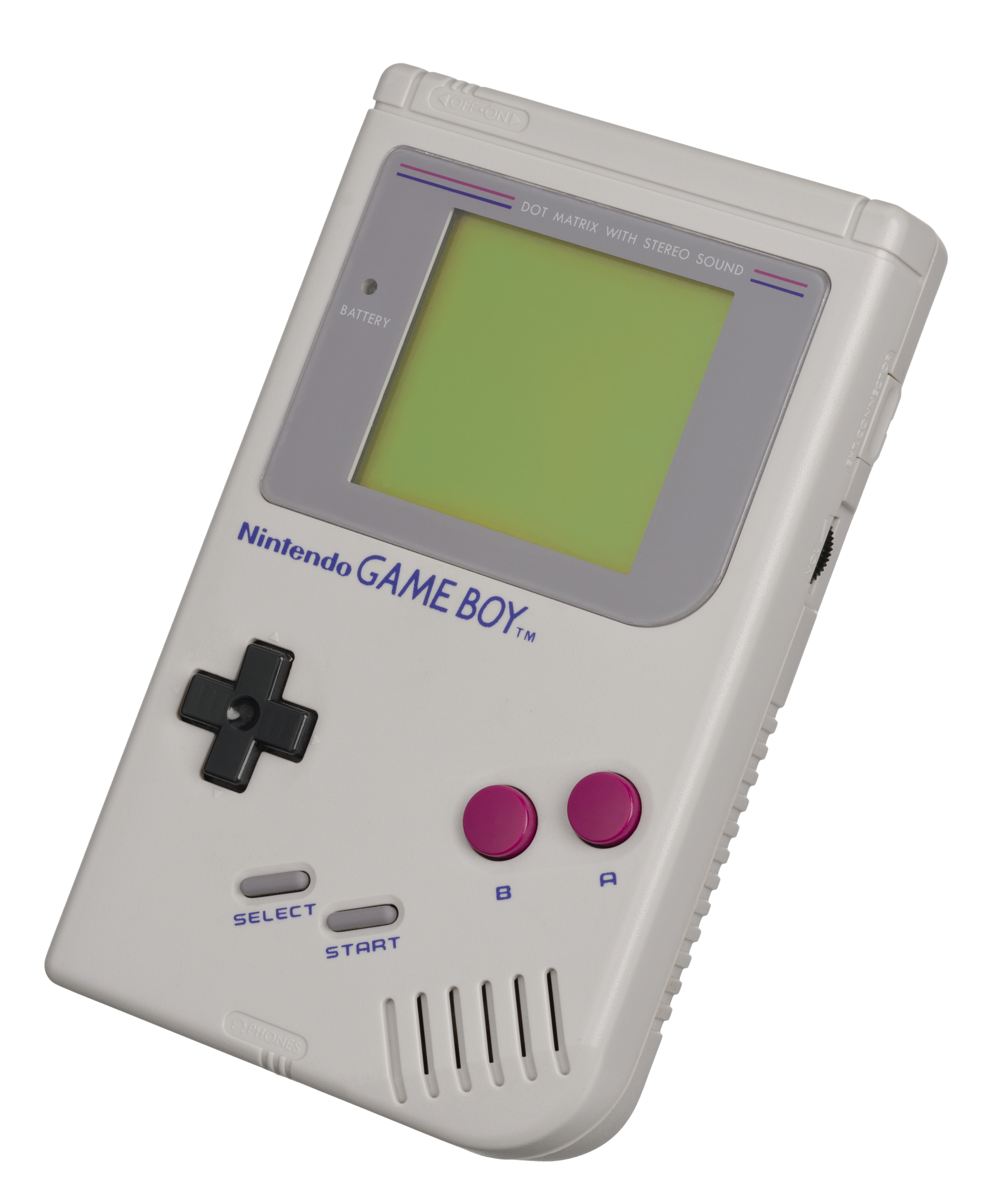
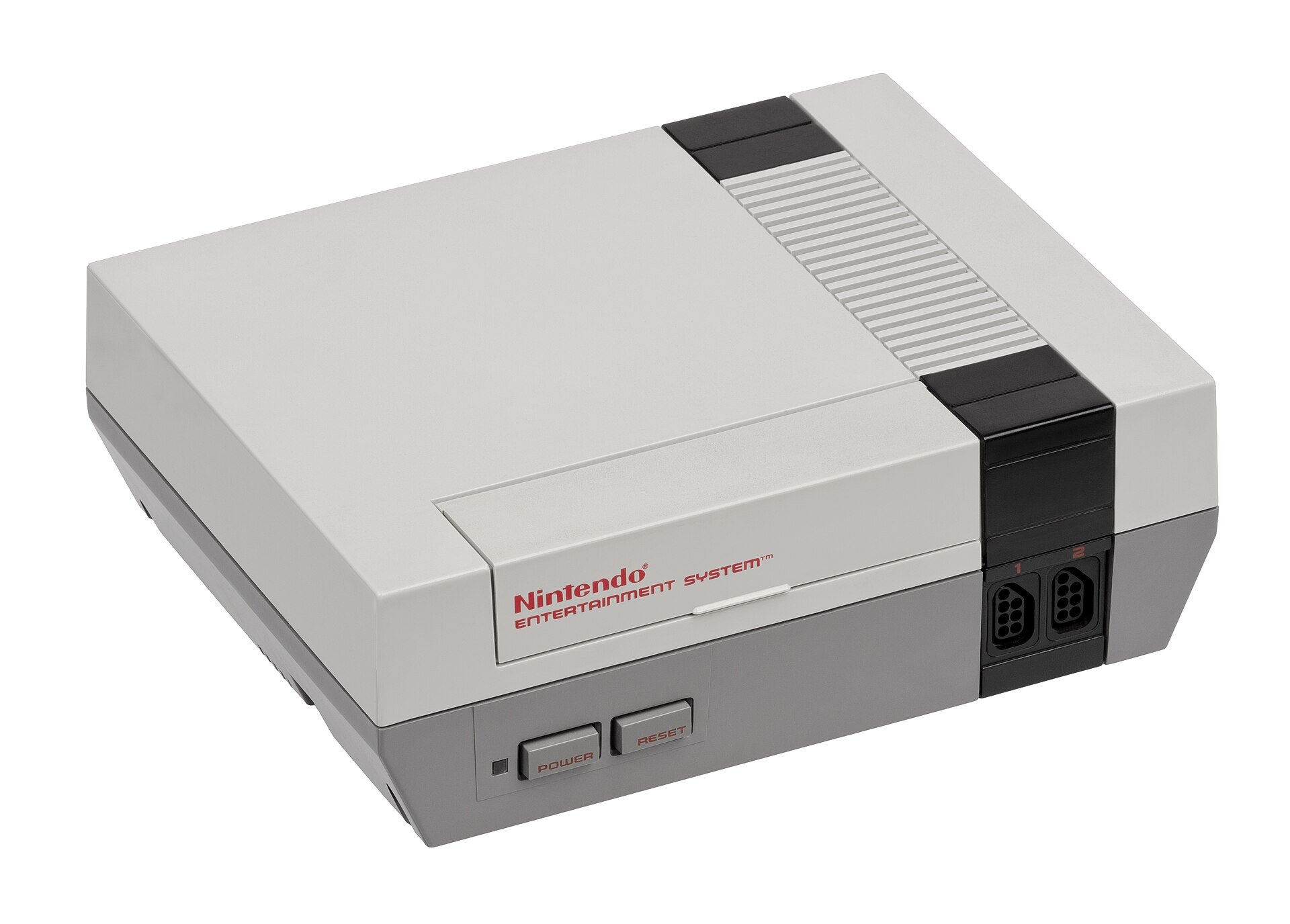 Evan-Amos · Public domain
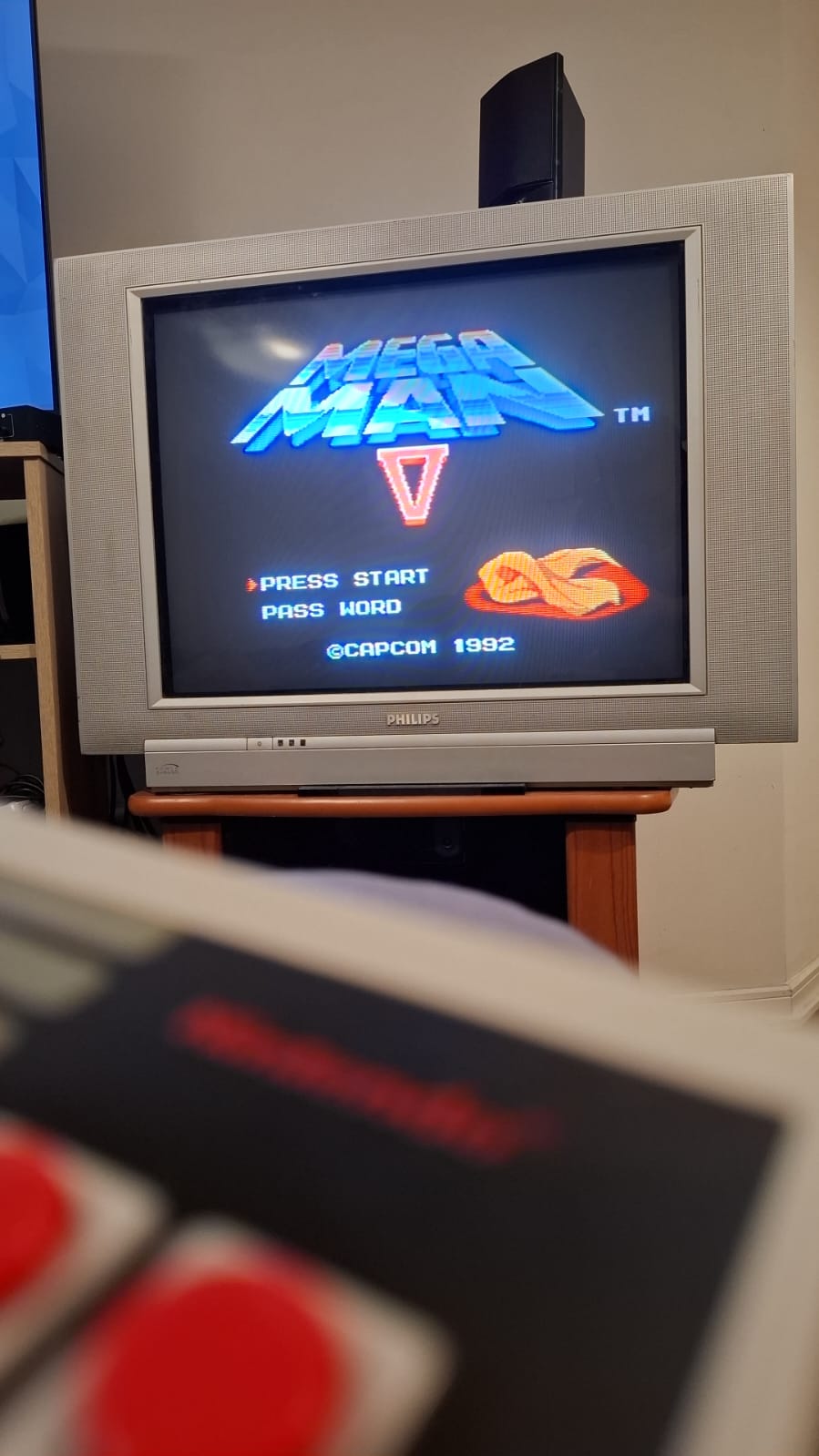 Equipo Wisegrow · Foto propia
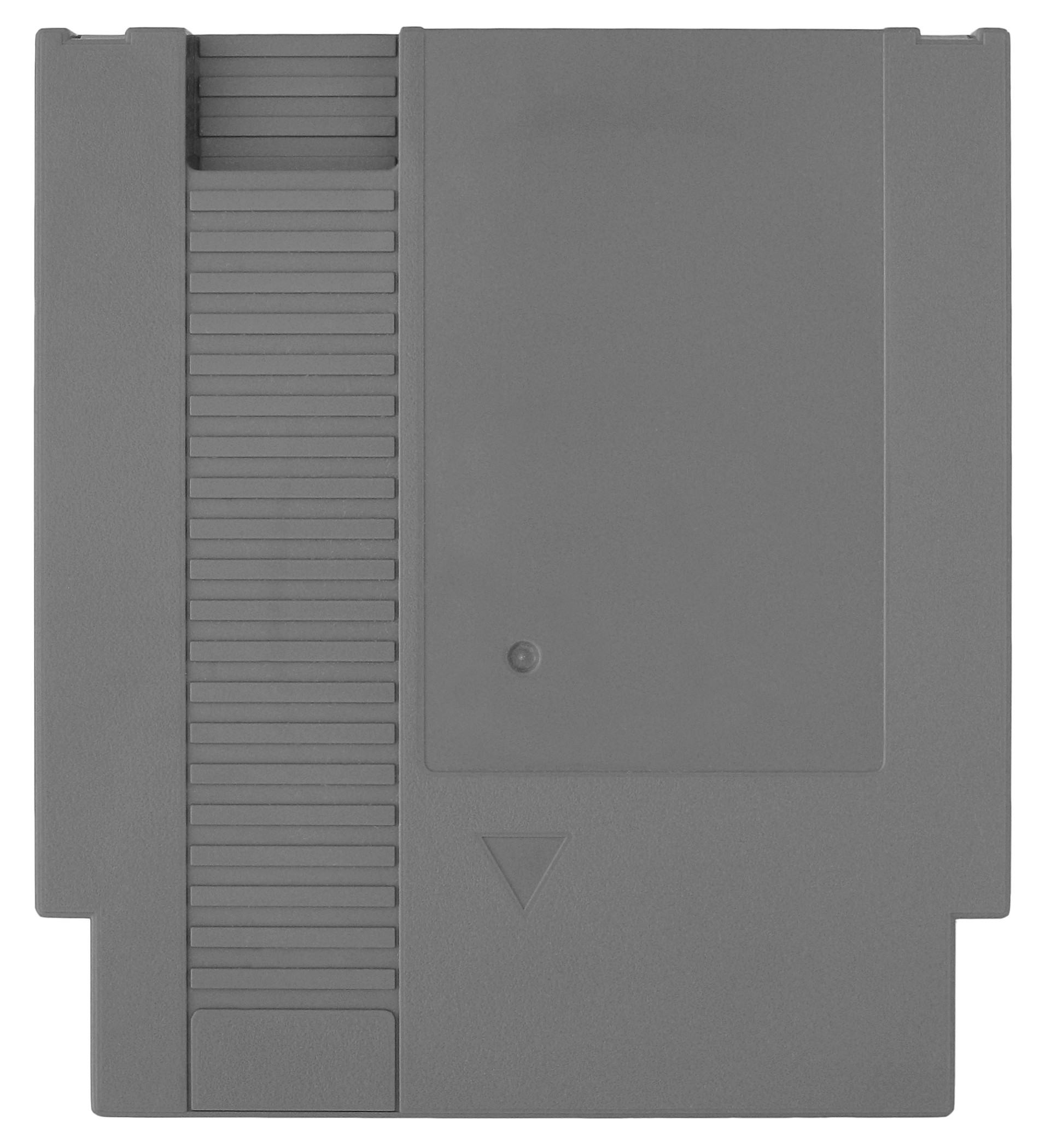 Evan-Amos · Public domain