ISSUE #01November 2026NESPreservation Kit #01 in developmentSend your setup to the communityMade in ChileISSUE #01November 2026NESPreservation Kit #01 in developmentSend your setup to the communityMade in Chile
Cartridges aren't eternal. Save batteries die, chips fail and discs degrade. Preserving means making sure that data — and the context around it — survives. And it starts with something as concrete as reading a cartridge you own.
What a dump is
A dump is an exact copy of the data on the cartridge chip, obtained with a dedicated reader. To know it's correct you compute its hash (CRC32, MD5, SHA-1) and compare it with preservation databases like No-Intro. If it matches, your copy is faithful.
The tools
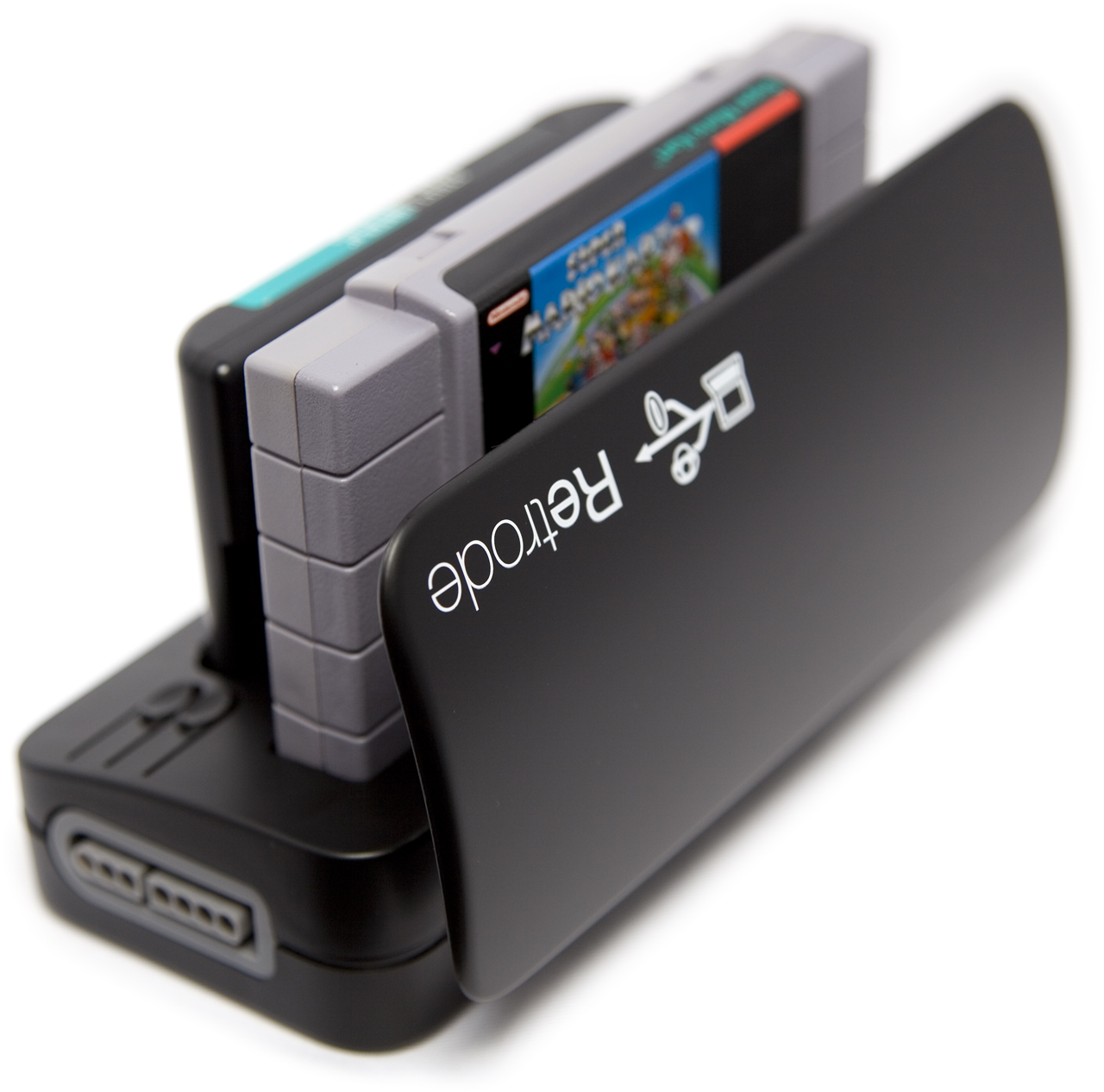
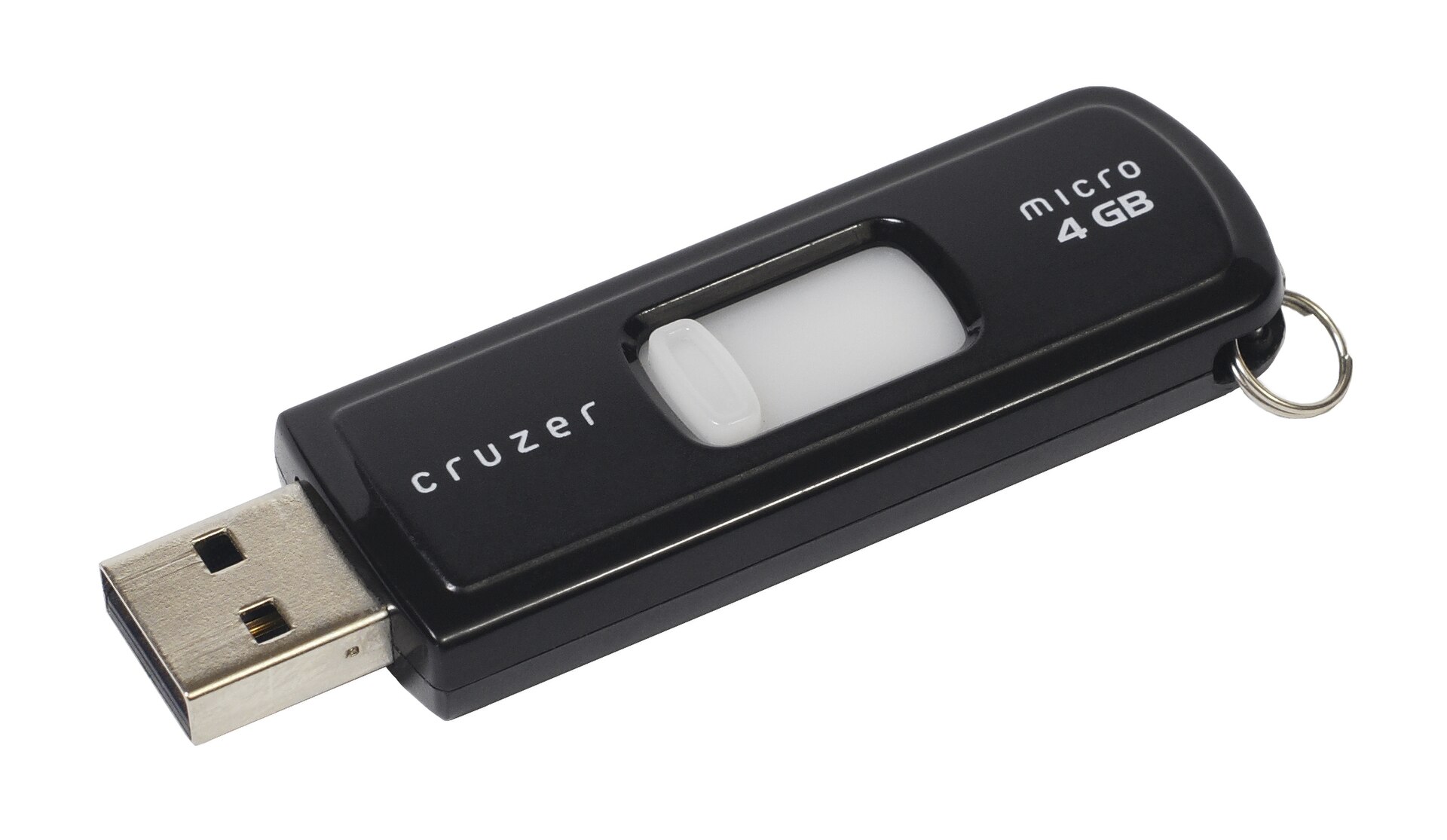
There are readers for almost everything. The Retrode connects SNES and Mega Drive cartridges over USB and shows them like a thumb drive. The Open Source Cartridge Reader, an open project you can build yourself, reads dozens of systems, from NES to N64. The INL Retro Dumper is the reference for NES and Famicom, and readers like the GBxCart RW or the GB Operator specialize in Game Boy and also let you back up and restore save files.
What a dump lets you do
With a verified dump you can play your own game on an emulator or FPGA without wearing out the cartridge; rescue your save before replacing a dead battery; compare revisions and regions of the same game; and, for prototypes or unreleased games donated with permission, save forever a piece of history that would otherwise be lost.
Preservation is also documentation: scanning manuals, photographing boards and recording differences between versions. That often volunteer work is what lets us study game history rigorously.
 Evan-Amos · Public domain
 Equipo Wisegrow · Foto propia