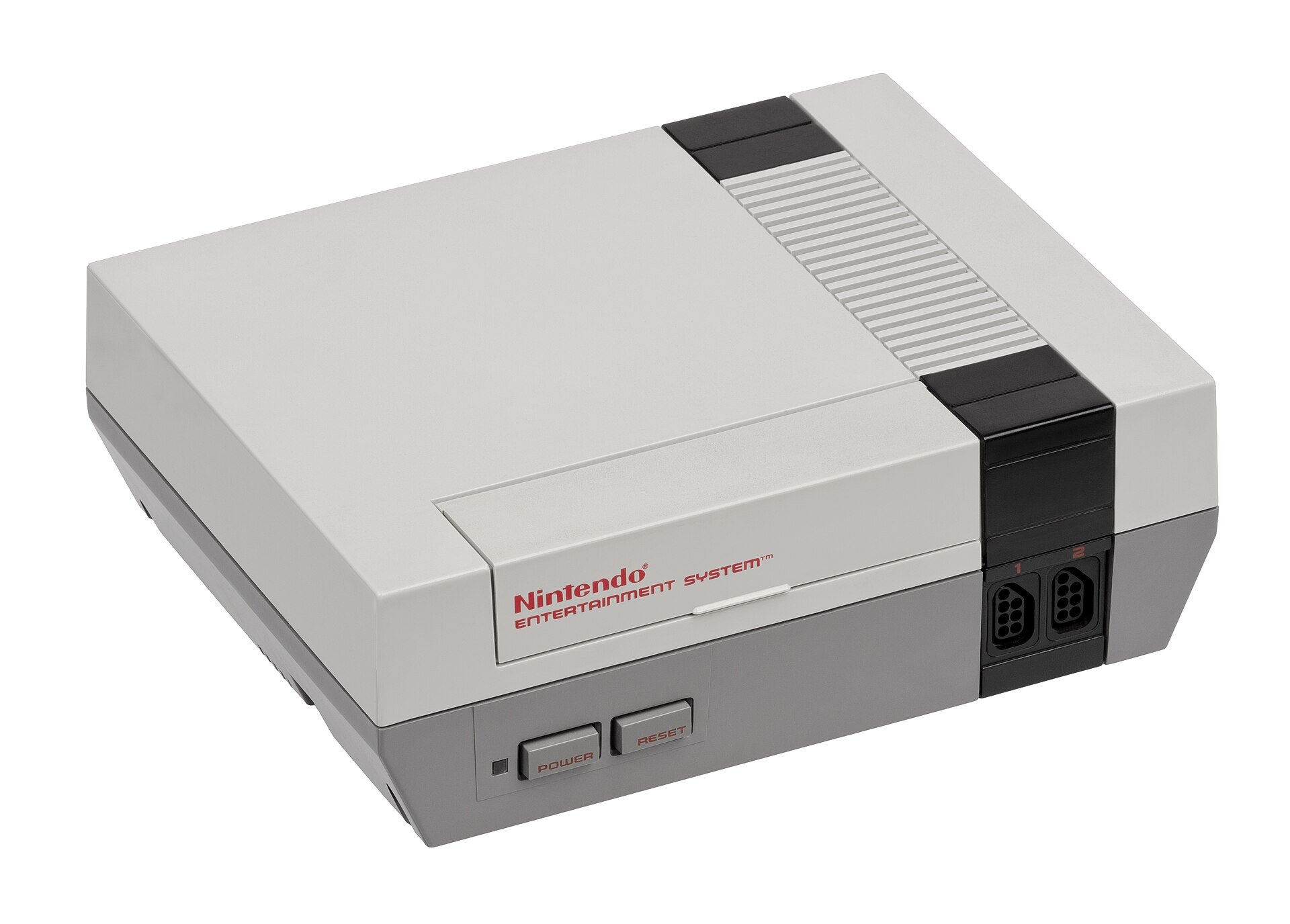
In Chile the NES had no launch like the one in the United States. It arrived through importers, electronics shops, travelers and, above all, rental stores, which rented out cartridges and sometimes consoles too. Many homes had both an original NES and clones that took the same cartridges.
Club Nintendo, 1992
In September 1992 the first Chilean issue of Club Nintendo appeared, published by Editorial Andina. That issue, now preserved in fan-run digital archives, carried reviews of Ninja Gaiden III, Battletoads, Double Dragon III and Batman: Return of the Joker, DuckTales maps, a preview of Super Mario World and regular sections such as the questions to Dr. Mario, Mario's challenges and the crystal ball, devoted to upcoming releases. Its pages also carried ads for chocolate, cereal and juice.
For many readers, the magazine was the only source of maps and tips. Rented cartridges rarely came with a manual, and the ones that did barely explained the controls.
The rental store
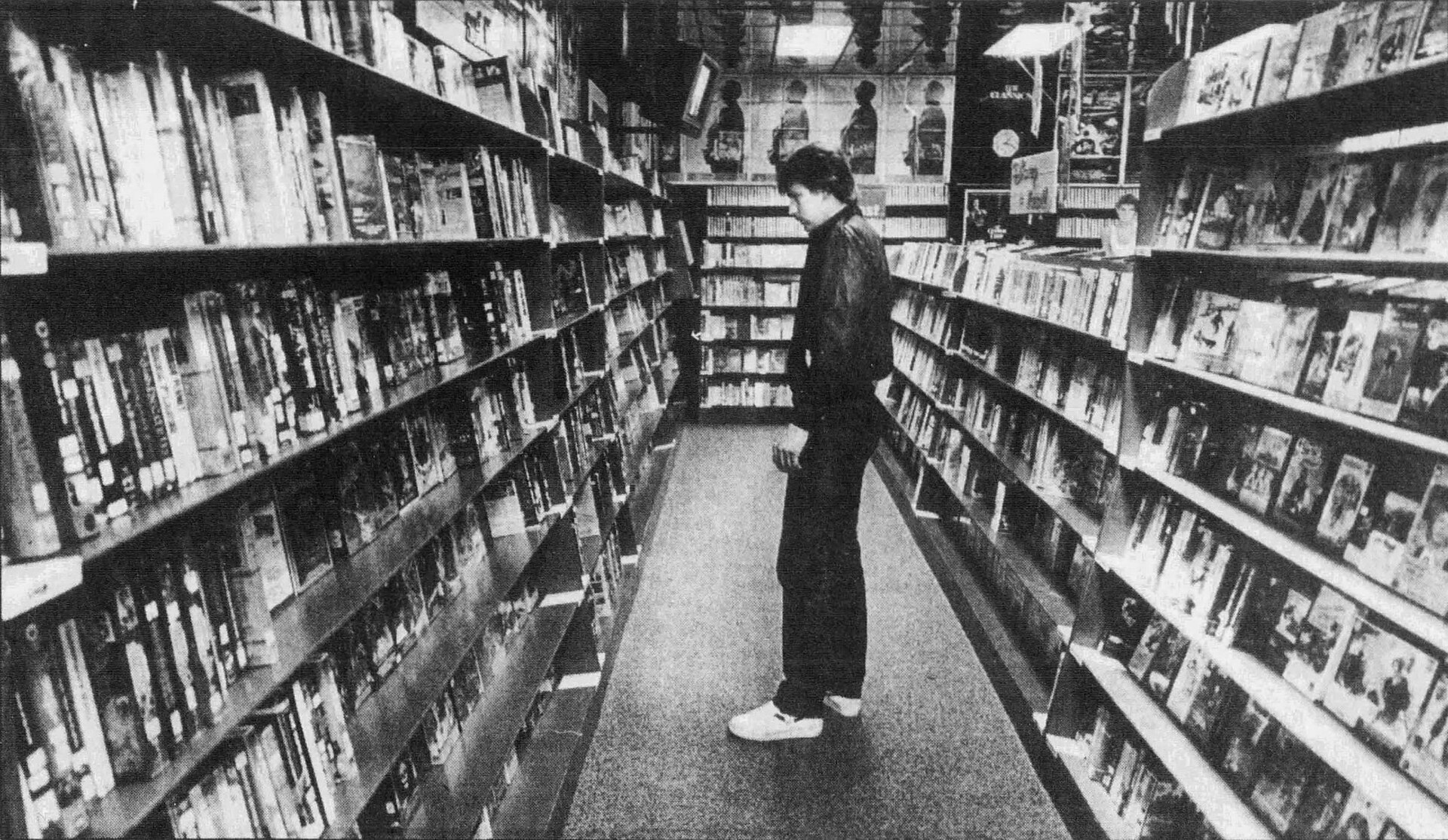
The system was simple: you left your ID card or wrote your name in a notebook and took one or two cartridges home for a few days. Many games carried a sticker with the shop's name, which still shows up on cartridges sold at flea markets today. Those labels help reconstruct what was rented, where and when.
The power supply
The North American NES runs on 110 volts and Chile's mains supply 220, so every imported console needed a transformer. Those heavy black boxes, which warmed up with use, were part of the TV cabinet in many homes. If you plug in an NES from that era today, the transformer is the first thing to check.
This story still has gaps: which importers brought consoles in, at what prices, which shops rented games and in which cities. If you have magazines, receipts, photos of a rental store or cartridges with rental stickers, share them in the forum with the city and approximate year.
 The News Tribune/ staff photographer · Public domain
 Ben Schumin from Montgomery Village, Maryland, USA · CC BY-SA 2.0