Blog
Halloween on the NES: Sweet Home, Mother and Castlevania
Some nights are simply made for firing up an old console again. Halloween is the perfect excuse: order a pizza, grab something to snack on, turn off the lights and let the television become the only source of light in the living room. Three cartridges are waiting on the table. They may not be the first games that come to mind when you think of a Halloween gaming night, but each one has something special to offer. Three very different ways to get under your skin.
This time, we're heading into a Japanese mansion where a film crew's expedition turns into a nightmare, visiting a seemingly peaceful town where things are beginning to behave rather strangely, and finally making our way through a massive castle with Simon Belmont and his trusty whip.
We're talking about Sweet Home, Mother and Castlevania. Three 8-bit classics that approach fear from completely different angles. One focuses on survival and exploration, another finds something unsettling in everyday life, and the third throws us into a monster-filled adventure that helped define an entire generation of gaming.
All screenshots featured in this special were captured by our team using original hardware and a CRT television, preserving the distinctive look and feel of the era. We've also included photographs of some of the original cartridges and their packaging, because playing a classic is one thing, but having the physical game sitting on the table, looking at its label and remembering everything it represents is an entirely different experience.
So get comfortable, dim the lights and make sure the pizza is on its way. Tonight, we won't need many tricks to get a little scared.
Sweet Home: The Haunted Mansion Not Everyone Gets Out Of
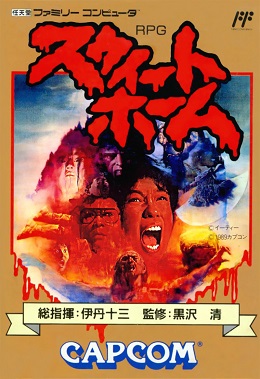
Capcom | Famicom | 1989
An abandoned mansion, a film crew and five people who are about to discover that getting inside was the easy part.
Some houses are better left alone. In Sweet Home, a team of five people arrives at an old Japanese mansion hoping to investigate and film the mysterious frescoes hidden inside. What begins as a film expedition quickly turns into a desperate fight for survival. The door closes behind them, and the mansion makes it perfectly clear that visitors are not welcome.
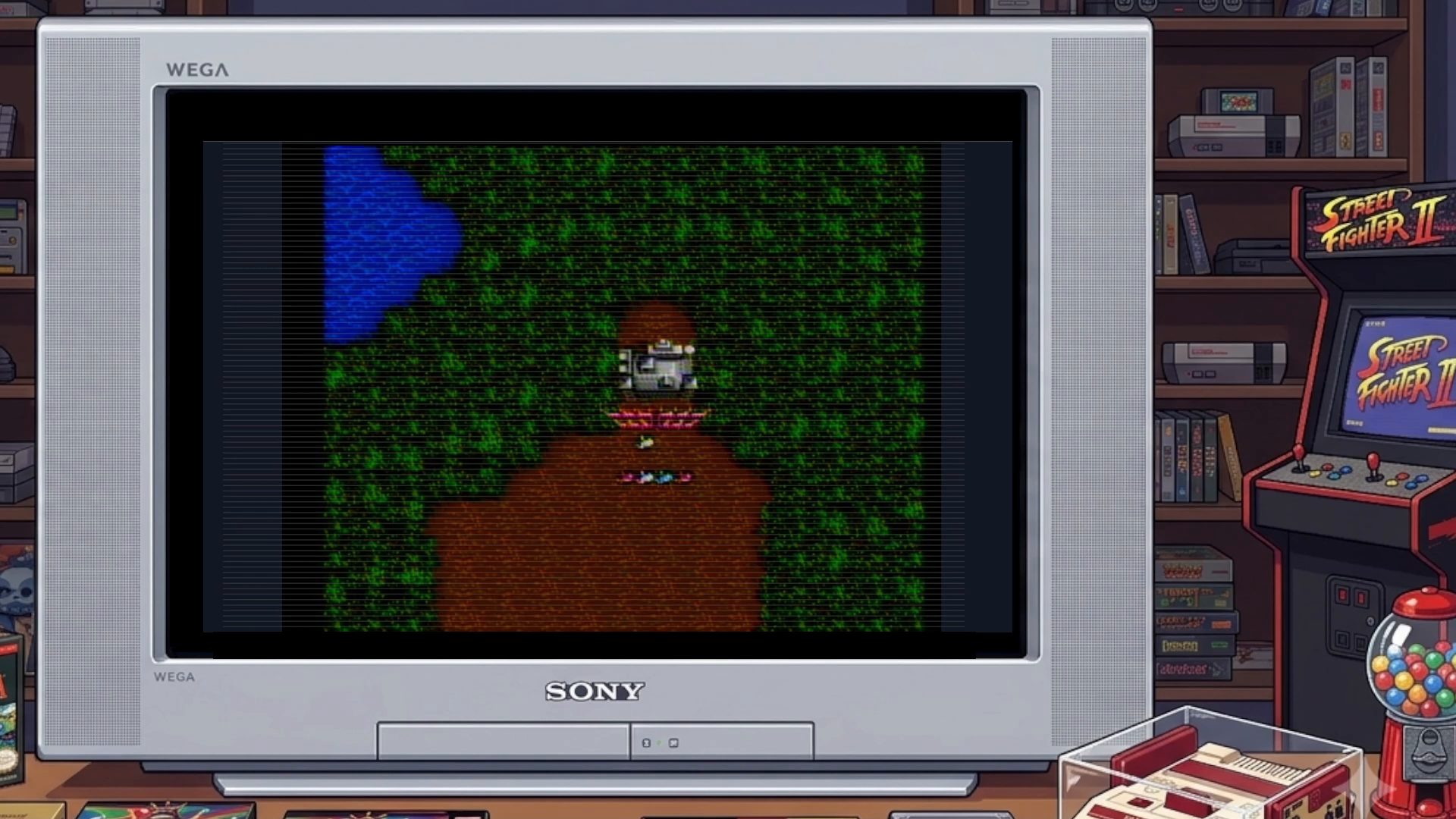
Developed by Capcom and released for the Famicom in 1989, Sweet Home is one of those games that feels remarkably ahead of its time. It combines exploration, puzzle-solving, resource management and turn-based combat, all wrapped in an atmosphere of horror that makes excellent use of the console's limited hardware.
One of its most interesting features is that you don't control a single hero. Instead, you manage a team of five characters, each with their own abilities and essential tools. Some can open particular passages, while others can overcome obstacles or use items that the rest of the group cannot handle. Splitting up is sometimes necessary, but it also comes with risks. In a mansion filled with deadly surprises, leaving someone behind is rarely a comfortable decision.
This changes the way you approach every room. A seemingly ordinary hallway might hide an important item, a clue or something you'd rather not encounter. You need to remember where you left certain tools, manage your inventory and think carefully before deciding who should accompany whom.
But the game's greatest strength is its atmosphere. Sweet Home creates a constant sense of danger without relying on impressive graphics or elaborate animations. Its environments, creature encounters and especially its music work together to create an experience that rewards careful exploration. It's the kind of game that becomes even better when the room is quiet and nobody is trying to talk over the dialogue.
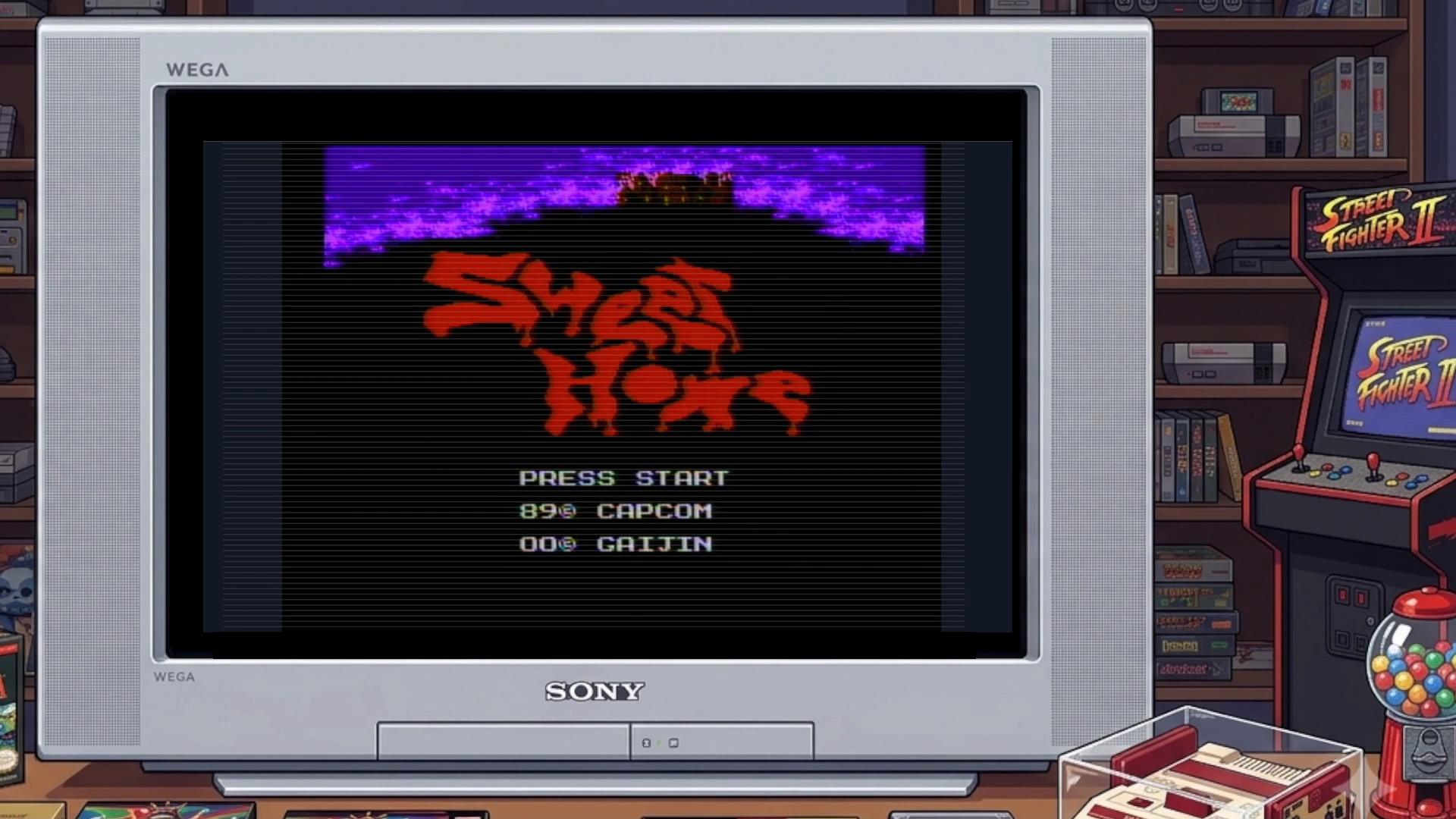
There's another reason why this game deserves special attention. Sweet Home is frequently mentioned when discussing the origins of survival horror. Its exploration mechanics, inventory management, character-specific abilities and mansion setting would become familiar elements in later games.
It's easy to understand why. If you've ever played an early Resident Evil game and found yourself wandering through a mansion, desperately trying to remember where you left a key, you'll probably recognize some of the ideas Capcom was already experimenting with here.
For Halloween, this is our first recommendation. Just one word of warning: once somebody starts asking whether it's really worth opening that door, it might already be too late to change their mind.
Mother: When Something Isn't Quite Right in Your Neighborhood
Nintendo | Famicom | 1989
A bedroom, a phone call and a town where things aren't quite what they seem.
If Sweet Home invites us into a mansion we probably want to escape from, Mother does something rather different. It makes us feel that something is wrong even when we're safely at home.
The adventure begins in Ninten's bedroom, where an ordinary-looking boy lives in what initially appears to be a perfectly normal world. However, a series of strange events begins to disrupt his surroundings. Objects behave unexpectedly, people seem to have lost their usual composure, and our young protagonist gradually discovers that something much bigger is happening around him.
Developed by Nintendo and released in Japan in 1989, Mother is the first entry in a series that would later become internationally recognized through EarthBound. Its gameplay draws heavily from traditional Japanese role-playing games, but places those familiar mechanics in a contemporary setting. Instead of medieval castles and knights, we explore houses, streets, stores, cars and small American towns.
And that's precisely what makes it so unusual.
At first glance, everything looks rather innocent. The colors are pleasant, the characters are charming and the music can even feel welcoming. But as you progress, you begin to realize that this familiar world is full of bizarre situations, unexpected creatures and moments that create a very particular kind of unease.
Combat is turn-based, so there's no need for quick reflexes or sudden reactions. The tension comes from unexpected encounters, strange messages and the growing feeling that the world around you is slowly losing its sense of normality.
You need to stop, read, explore and pay attention. Mother isn't a game you want playing in the background while everyone talks or changes the music. Its story deserves time, and much of its charm comes from gradually discovering what's really going on.
There's also an interesting detail for players familiar with the Western versions of the series: the title screen in our screenshot reads EARTH BOUND, even though the original game is Mother. We're using a translated version with a fan-made patch that adapts the title and dialogue for players.
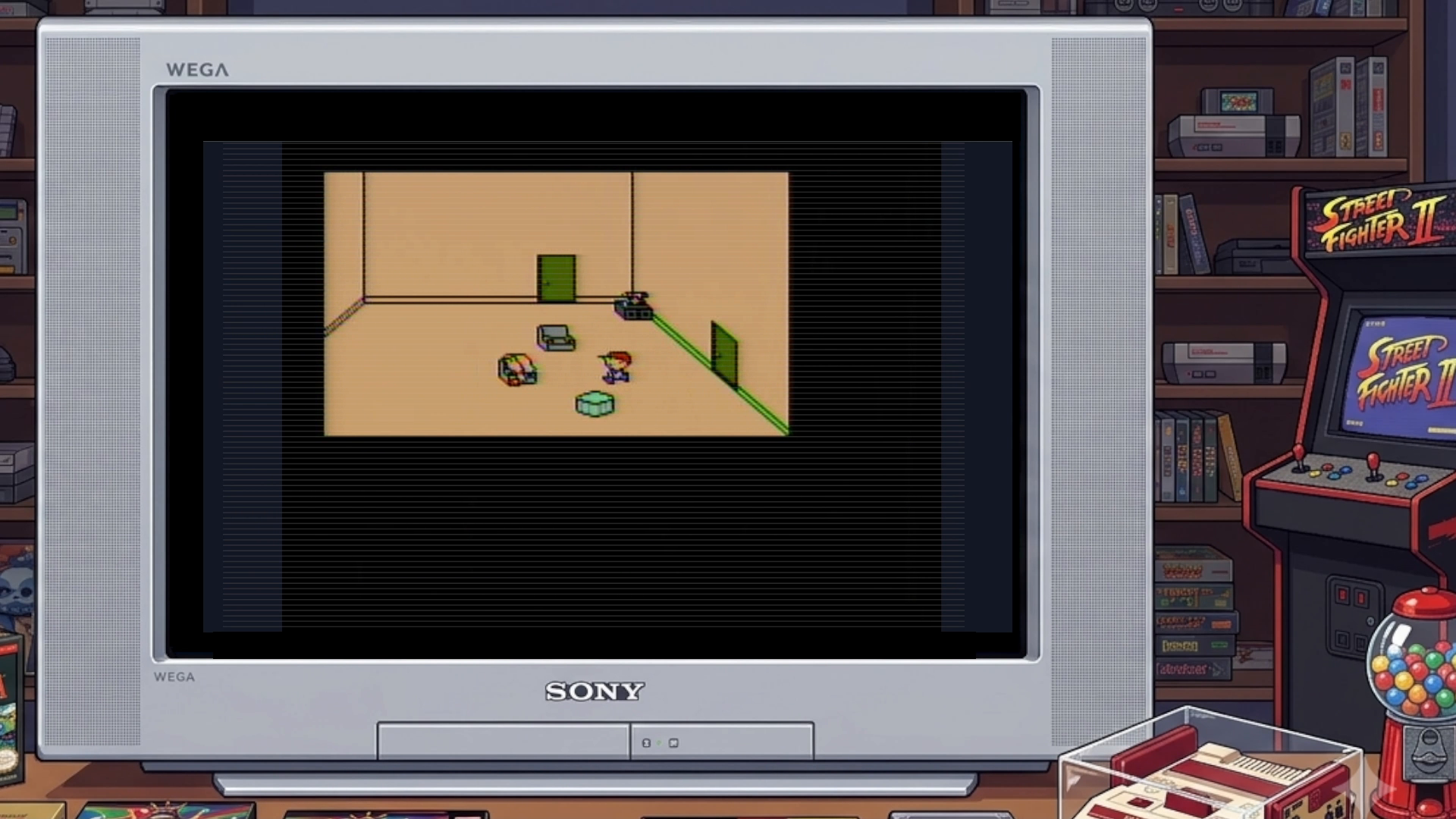
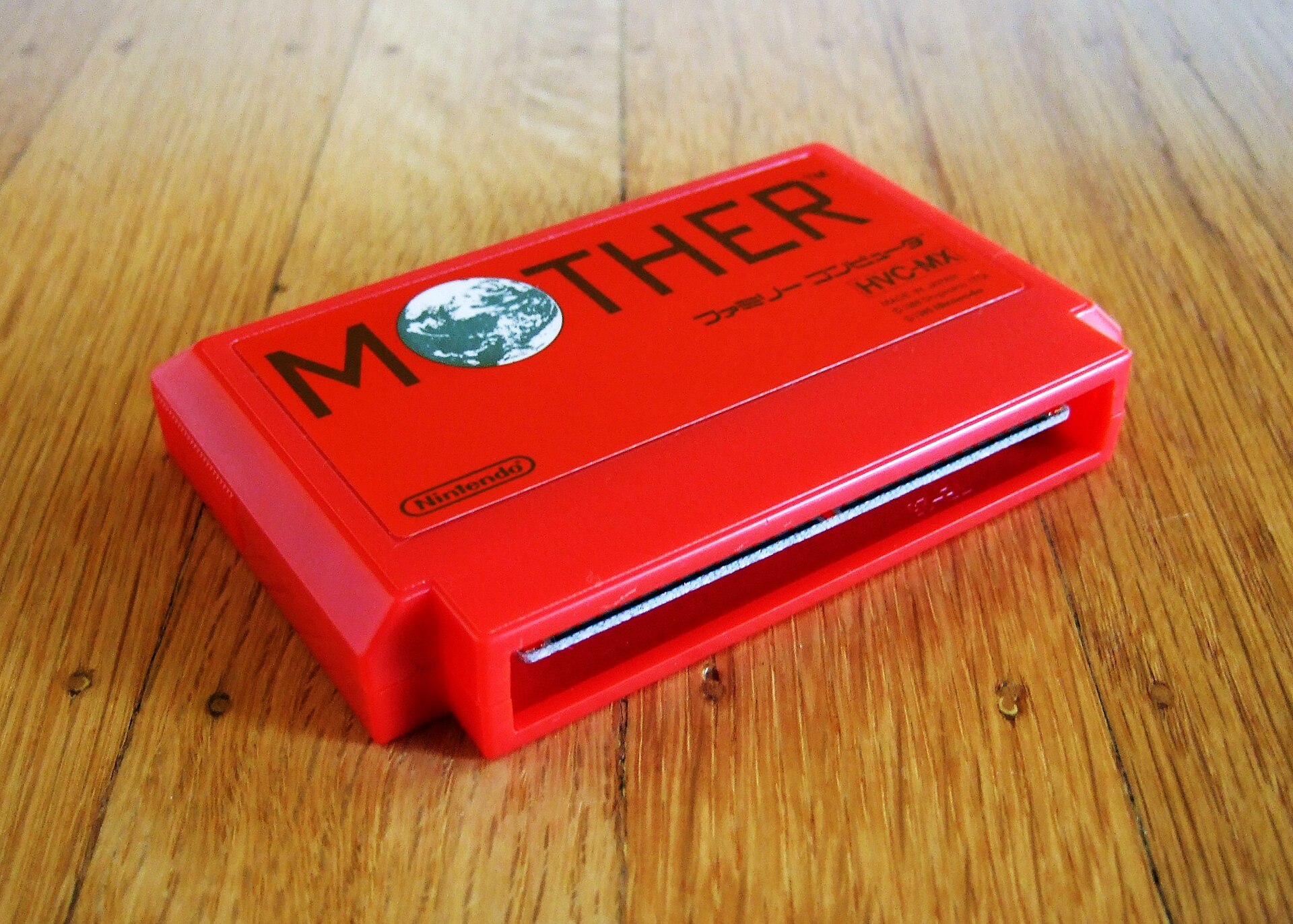
There's something particularly interesting about playing Mother on Halloween. While other horror games build their atmosphere around monsters, graveyards and haunted castles, this one takes place in a recognizable world that slowly begins to behave in unexpected ways.
That contrast is what makes it so effective. A quiet street can suddenly become the setting for an unexpected encounter, and an ordinary situation can take a very strange turn.
If you're including it in your Halloween gaming night, we'd recommend giving it some dedicated time. Dim the lights, turn the volume up a little and let the soundtrack do its work. You might not end up screaming, but there's a good chance you'll still be thinking about the game long after switching off the console.
Castlevania: A Night at Dracula's Castle
Konami | Famicom / NES | 1986 in Japan, 1987 in North America
A castle, a family of vampire hunters and a whip that suddenly seems far too short for the journey ahead.
There's a reason Castlevania remains one of the most recognizable names in video game history. Its premise is simple enough: Simon Belmont must make his way through Dracula's castle, fighting all kinds of monsters before finally confronting its master.
Originally released in Japan for the Famicom Disk System in 1986 and later as an NES cartridge in North America in 1987, Konami's classic took inspiration from traditional horror films and transformed it into a platforming adventure with a personality all its own.
The Vampire Killer whip is Simon's main weapon, although several upgrades and secondary weapons can be found throughout the game. Axes, daggers, holy water and crosses become essential tools as the castle grows increasingly dangerous.
And believe us, it does.
The opening stages introduce us to what's waiting ahead. Zombies, bats and creatures that appear at the worst possible moments quickly teach us that moving forward without paying attention is a terrible idea. Jumps require precision, enemies have their own patterns, and certain obstacles seem specifically designed to punish overconfidence.
The whip itself has a particular quirk that every Castlevania player eventually learns: it doesn't always hit where you'd like it to. You need to judge distances, control Simon's movement and get used to a style of gameplay that demands patience.
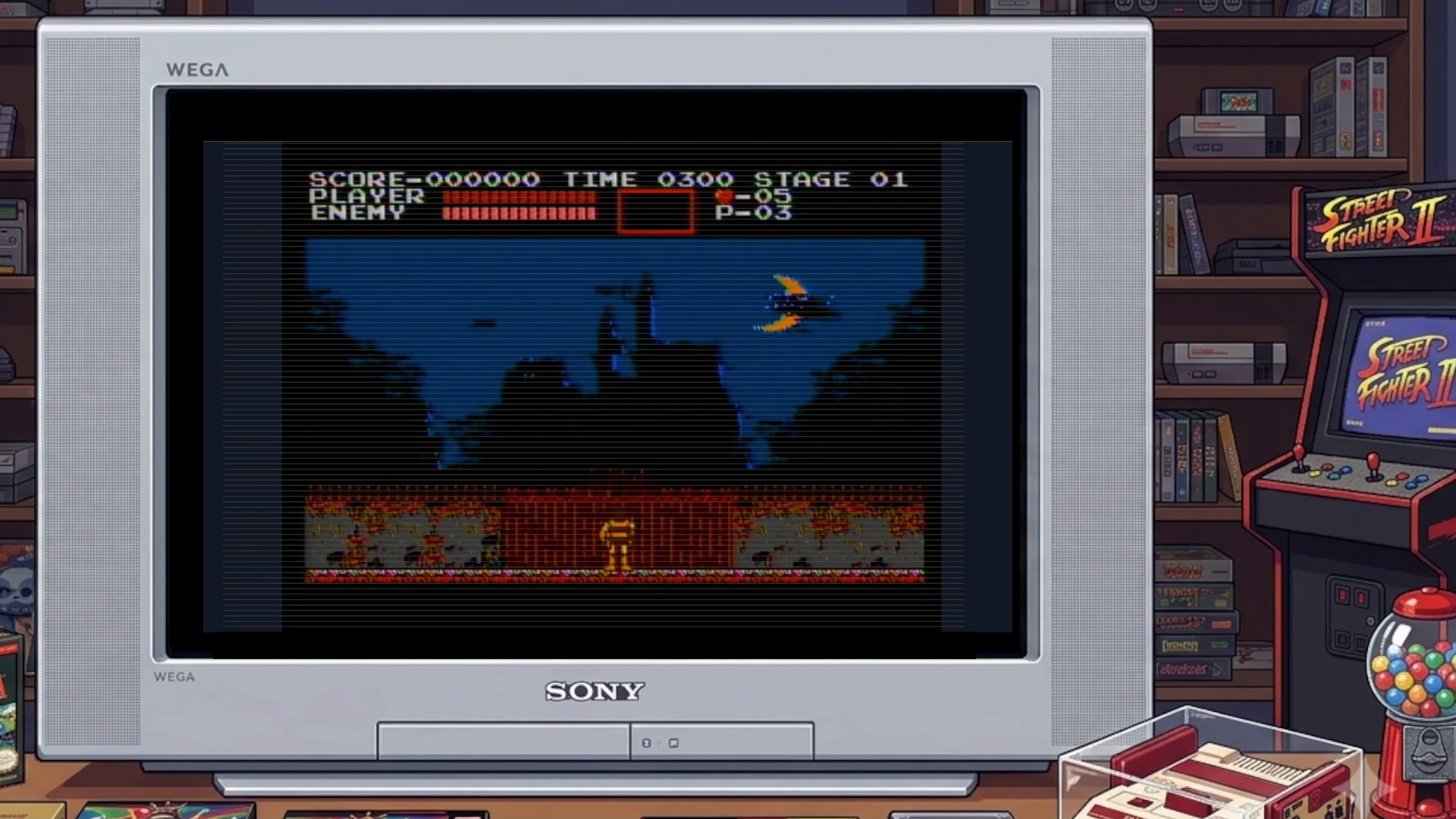
One of the game's most memorable moments comes when we reach the corridors filled with zombies. It's a perfect snapshot of what makes Castlevania so special: memorable music, enemies appearing without warning and a dangerous path where one mistake can send Simon straight into a pit.
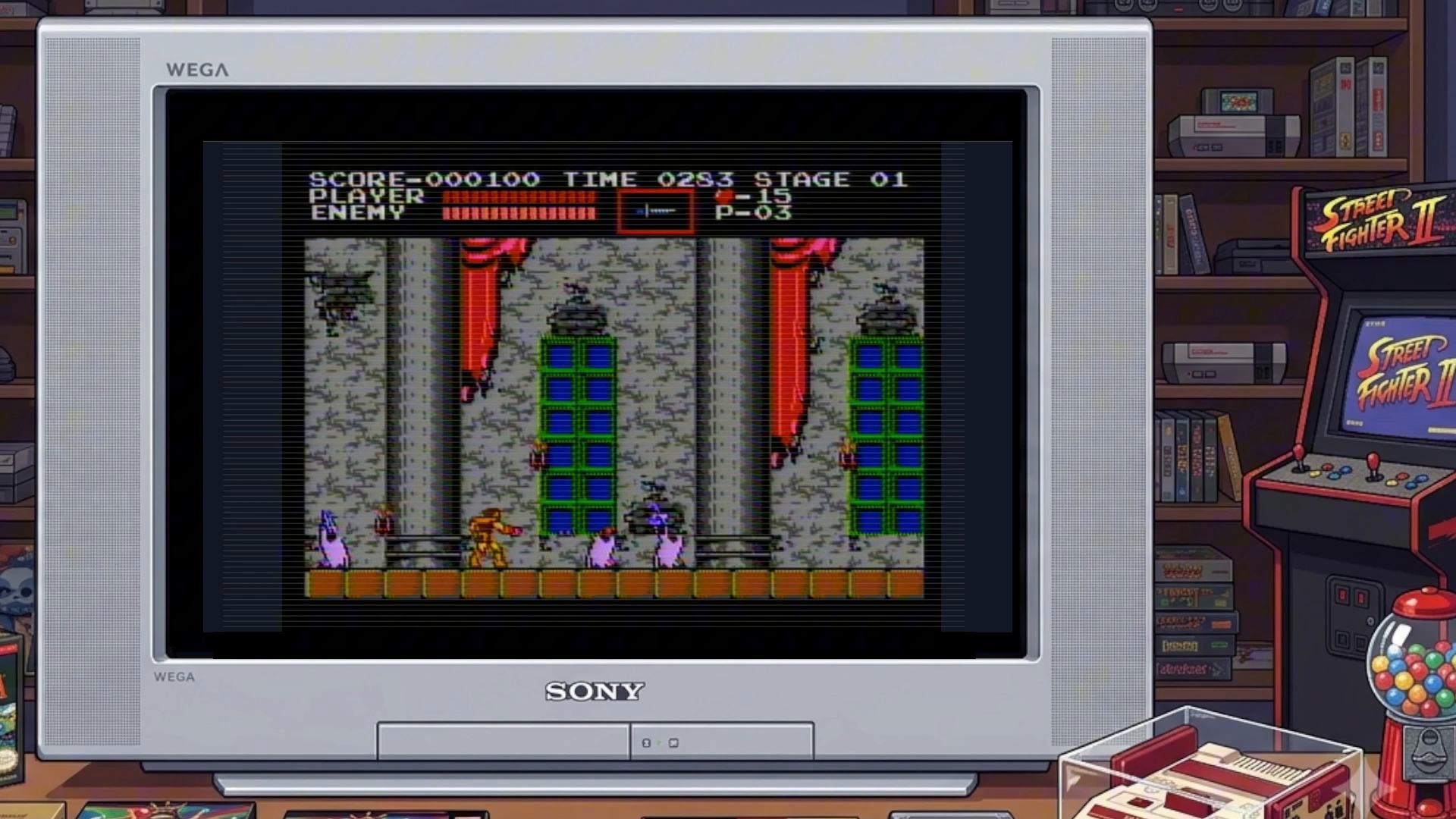
As we move deeper into the castle, the game begins to reveal its true intentions. Stairs require a different approach from regular jumps, bats appear when we least expect them, and certain sections demand precise control over Simon's movements.
The best part is that Castlevania never tries to hide its difficulty. If you fail, you try again. If you misjudge a jump, you fall. If you become too confident, an enemy can ruin what seemed like a perfectly good run.
And yet, we always want another attempt.
Perhaps that's why the game works so well in a group setting. You don't need to hold the controller to understand what's happening. One person can play while everyone else watches, comments on the action and tries to anticipate the next obstacle. And when Simon falls into the same pit for the third time, it's almost impossible not to laugh.
For Halloween, Castlevania is the perfect way to get things started. It has action, classic horror imagery and a soundtrack that takes us straight back to the golden age of 8-bit gaming.
Three Games, Three Ways to Experience Halloween
After exploring these three worlds, one thing becomes clear: not every horror game needs to rely on the same formula.
Sweet Home is all about survival and tension. Every room might contain something important, and every decision can have consequences. It's the perfect choice for players who enjoy exploration, puzzle-solving and discussing what to do next.
Mother, on the other hand, thrives on the unexpected. Its world feels familiar, but something is never quite right. It's an experience best enjoyed slowly, paying attention to the dialogue, the music and all the little details that give it such a distinctive personality.
Castlevania offers something much more direct. There's no mystery about what's happening: Dracula's castle is full of monsters, and our mission is to reach its master. The challenge lies in mastering the controls, learning from mistakes and keeping Simon moving forward.
If you're lucky enough to own all three cartridges, you could easily organize a small Halloween marathon. Start with Castlevania to get everyone in the mood, move on to Sweet Home as the night gets later, and save Mother for the moment when everyone is ready to sit down and pay attention.
But there's another reason why this particular selection is interesting, especially from a Chilean perspective.
Of these three games, Castlevania is probably the one most likely to have crossed our paths during the days of video rental stores and local gaming shops. Its Western NES release, complete with the familiar gray box, belonged to a console that actually had a presence in our market.
Sweet Home and Mother, however, tell a different story. Both were originally released for the Famicom in Japan and never received an equivalent official commercial release in North America. For many Western players, discovering them meant getting into international collecting, finding Japanese cartridges or exploring the fan translations that eventually circulated through gaming communities.
That's why having all three games together in one collection feels rather special. We're not simply bringing together three 8-bit classics; we're also bringing together three different paths through which video game history has reached our shelves.
The Rules of the Night
There's one last thing we shouldn't forget: Halloween is also about sharing the experience.
There's no need to organize a competition or finish all three games in a single night. Just get a few friends together, prepare something to eat and pick a cartridge. If someone knows the way forward, they shouldn't spoil the surprise. If someone loses a life, they get another shot. And if a debate breaks out over which game is the best, that conversation will probably last longer than the actual play session.
Lights down. One game at a time. If you've beaten it, don't spoil the ending.
— House rule
Because part of the magic of these games is discovering them for yourself. Finding a room you hadn't seen before, hearing a memorable tune for the first time or reaching a stage you'll remember long after the console has been switched off.
And when the pizza is finally gone, it might be time to put the cartridges away and let the night come to an end.
Although, if you hear something strange coming from another room, perhaps it's better not to investigate.
A Preview of Retro Games Issue 01
This Halloween special is also a small preview of what we're preparing for Retro Games Issue 01, an edition dedicated to the NES and everything it represents for those who grew up playing on it.
We're putting together a selection of 25 great games, along with three bonus picks, photographs of our own consoles and cartridges, a detailed tutorial on restoring the classic 72-pin connector, and a closer look at what makes playing an original NES on a CRT television such a distinctive experience.
We'll also be exploring the history of the NES in Chile, including video rental stores, local gaming shops and those years when finding a particular cartridge could become an adventure of its own.
We're putting the finishing touches on the issue, and it will soon be available in our editions section.
In the meantime, we'd like to ask you something: if you could choose just one of these three games for Halloween night, which one would you put into your console?
Would you dare spend the night trapped inside the mansion in Sweet Home? Would you rather uncover the mysteries of Mother, or accept the challenge of making your way through Dracula's castle in Castlevania?
Let us know in the comments. We've already ordered the pizza and got the cartridges ready.
Happy Halloween, and may you never run out of extra lives!
Wisegrow Retro Games
Comments
Be the first to comment.